Your Guide at a Glance
- Why Are Some Herbs Dangerous for Rabbits?
- The Definitive List: Herbs Your Bunny Must Avoid
- The "Why" Behind the Danger: Understanding Toxicity
- What To Do If Your Rabbit Eats a Toxic Herb
- The Good News: A Bounty of Safe & Healthy Herbs
- Answering Your Burning Questions
- Putting It All Together: A Simple Feeding Philosophy
Let's be honest, watching a bunny munch away is one of life's simple joys. Those little whiskers twitching, the quiet crunching sounds – it's therapeutic. But that joy can turn to panic in a heartbeat if you're unsure about what's in their bowl. I remember the first time my rabbit, Mochi, snatched a piece of parsley from my salad plate. I spent the next hour frantically googling, heart in my throat, wondering if I'd just poisoned my furry friend. It was fine, thankfully (parsley is safe in moderation), but that scare stuck with me.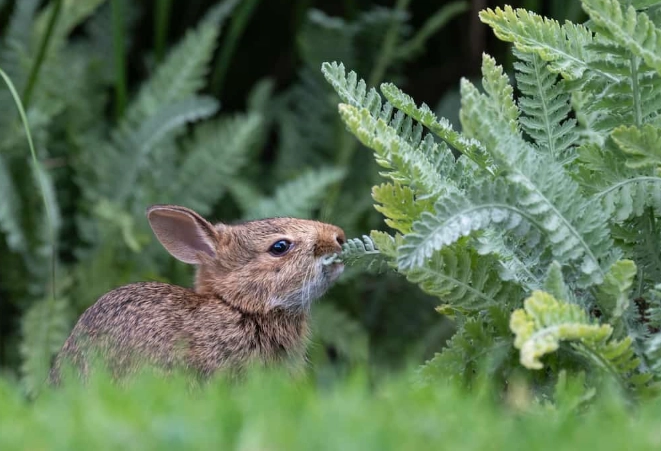
It made me realize how confusing herb safety can be. We hear "herbs are natural," so they must be good, right? Not always. For a rabbit's unique and sensitive digestive system, some common herbs are anything but harmless.
So, let's cut through the confusion. This guide isn't just a dry list. We're going to dig into exactly what herbs can bunnies not eat, why they're problematic, and what you should do if an accident happens. More importantly, we'll cover all the wonderful, safe alternatives that will make your bunny's diet exciting and nutritious.
A critical point before we start: A rabbit's diet should be primarily unlimited grass hay (timothy, orchard, etc.), a measured amount of fresh leafy greens, a small portion of pellets, and only occasional treats like herbs or fruit. Herbs are a supplement, not a staple. Getting the foundation wrong is a bigger risk than any single herb.
Why Are Some Herbs Dangerous for Rabbits?
It boils down to biology. Rabbits are hindgut fermenters. They have a complex digestive system full of sensitive bacteria that break down fibrous material. Introducing the wrong compound can disrupt this delicate balance catastrophically.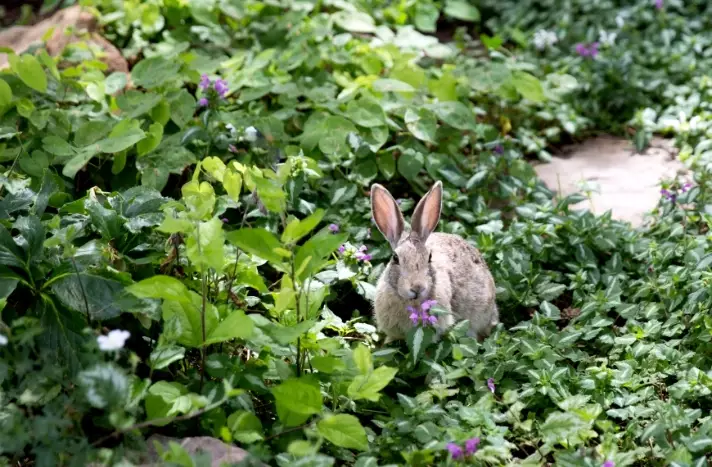
Some herbs contain specific toxins that a rabbit's liver simply can't process effectively. Others might be too rich in oils, calcium, or compounds that cause digestive stasis – a silent killer where the gut slows down or stops completely. It's not always about immediate, dramatic poisoning. Sometimes, the damage is slow and cumulative, like with herbs high in oxalates or goitrogens.
What's safe for us, or even for dogs and cats, can be a real danger zone for a bunny. That's why a list like this is so essential.
The Definitive List: Herbs Your Bunny Must Avoid
Here’s the core of what you came for. I've broken this down into categories based on the level of risk and the reasons behind it. This should help you prioritize your vigilance.
Category 1: The Absolute No-Gos (Toxic & Dangerous)
These herbs are actively toxic and can cause severe illness or be fatal. There is no safe amount for a pet rabbit.
| Herb Name | Primary Toxic Compounds | Potential Effects on Rabbits | Common Sources/Notes |
|---|---|---|---|
| Foxglove (Digitalis) HIGHLY TOXIC | Cardiac glycosides (digoxin, digitoxin) | Heart failure, arrhythmia, severe vomiting, diarrhea, collapse, death. Even a small leaf can be lethal. | Garden plant, sometimes in wildflower mixes. All parts are poisonous. |
| Hemlock (Conium maculatum) HIGHLY TOXIC | Coniine and other alkaloids | Respiratory paralysis, trembling, salivation, dilated pupils, death. Acts on the nervous system. | Looks similar to wild parsley or carrot tops. Often found in ditches or wild areas. |
| Comfrey (Symphytum) | Pyrrolizidine alkaloids | Liver damage (hepatotoxicity), which can be cumulative and irreversible. | Sometimes grown in gardens for medicinal purposes. Risk is in regular consumption. |
| Rhubarb Leaves HIGHLY TOXIC | Soluble oxalates (very high concentration) | Kidney failure, hypocalcemia (drop in blood calcium), tremors, drooling. | The stalk is edible for humans, but the leaf is extremely dangerous for all pets. |
| Onion, Garlic, Chives, Leeks, Shallots TOXIC | Organosulfoxides (N-propyl disulfide) | Causes oxidative damage to red blood cells, leading to hemolytic anemia. Weakness, pale gums, red urine. | The entire allium family is unsafe. This includes wild garlic/onion. |
The onion/garlic one trips up a lot of people. You might see wild debates online about tiny amounts being okay. My take? It's not worth the risk. The compounds build up over time, and anemia in rabbits is serious business. Why gamble when there are dozens of safe, yummy alternatives?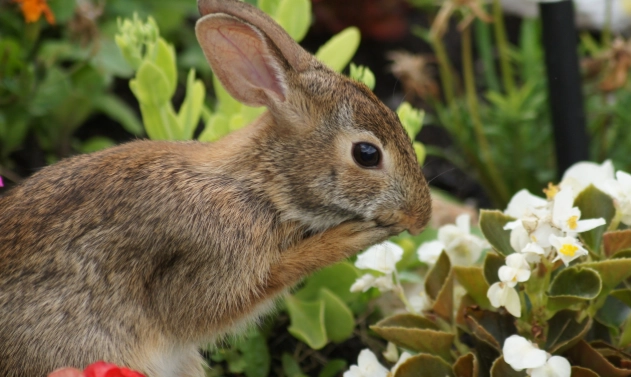
If you only remember one thing from this list, let it be the Allium family and Foxglove. Those are the big ones.
Category 2: The "Better Safe Than Sorry" Bunch
These herbs are often debated. They may contain compounds that are problematic in larger quantities, or they might simply be too strong/rich for a rabbit's gut. The consensus among most rabbit-savvy vets is to avoid them.
- Mint (in large quantities): The essential oils (menthol) can be too strong and cause digestive upset. A tiny, occasional taste of a safe mint like apple mint might be okay for some bunnies, but it's not a herb to offer freely.
- Parsley (Curly & Italian): Ah, the controversial one. It's high in calcium and oxalates. For a healthy adult rabbit with plenty of water, a sprig or two a few times a week is generally considered safe by many. However, for rabbits prone to bladder sludge or kidney issues, it's best avoided. I limit Mochi to a tiny bit as a rare treat because of this.
- Basil (in large quantities): Similar to mint, it's rich in essential oils. A leaf now and then is probably harmless for many, but it shouldn't be a diet regular.
- Oregano & Marjoram: Very potent herbs. They can be irritating to the digestive tract. Best omitted.
- Bay Leaves: Tough, fibrous, and can be a choking hazard or cause intestinal blockage. They also contain compounds that can be harmful in quantity.
- Lemon Balm: While sometimes listed as safe, its potency makes it one I personally avoid. It can be too stimulating or cause GI issues.
See the pattern here? Potency and richness are key. A rabbit's gut isn't built for highly concentrated essential oils or mineral-dense foods in large amounts.
Category 3: Common Garden & Wild Lookalikes
This is where foraging gets risky. Many dangerous plants look like safe ones.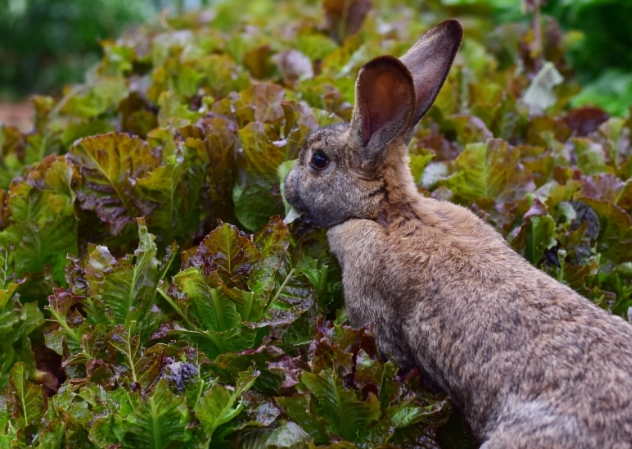
Nightshade Family Stems & Leaves: The fruits of some (like tomato) are debated treats, but the leaves and stems of plants like tomato, potato, eggplant, and peppers contain solanine and other glycoalkaloids, which are toxic. Never give the green parts of these plants.
Wild Carrot vs. Hemlock: Queen Anne's Lace (wild carrot) is safe. Poison Hemlock is fatal. They look incredibly similar to the untrained eye. Unless you are 1000% certain, never pick herbs for your bunny from the wild. It's the single most dangerous thing you can do regarding what herbs can bunnies not eat.
The "Why" Behind the Danger: Understanding Toxicity
Knowing why something is bad helps you make better decisions. Let's get a bit science-y, but I'll keep it simple.
Oxalates: Found in parsley, spinach (not an herb, but a common green), and beet greens. They bind to calcium and can form crystals in the urinary tract, leading to sludge or stones. Not an issue in small, infrequent amounts with good hydration, but a problem if fed daily or to susceptible bunnies.
Goitrogens: Found in brassica family plants (kale, cabbage, broccoli leaves—again, not herbs, but related). They can interfere with thyroid function if fed in huge, constant amounts. Variety is the key to safety here.
Alkaloids (like in Foxglove/Comfrey/Hemlock): These are the plant's natural defense chemicals. They directly interfere with nerve function, heart rhythm, or liver metabolism. There is no safe threshold for these in pet rabbits.
Essential Oils & Plant Compounds: Things like menthol in mint or thymol in thyme. In the small amounts in a fresh leaf, they're usually okay for robust bunnies in moderation. But concentrated oils (like you'd buy in a bottle) are absolutely dangerous and should never be used near rabbits.
When I first learned about oxalates, I got really paranoid. I was scared to feed anything. A rabbit-experienced vet told me something that helped: "The dose makes the poison. Rotate your greens and herbs, and don't feed the same high-oxalate item every single day. Variety dilutes risk." That advice changed how I fed Mochi.
What To Do If Your Rabbit Eats a Toxic Herb
Panic is the enemy. Action is your friend.
- Identify the Herb: Try to figure out exactly what and how much was eaten. A piece of a leaf? Several stems? Save a sample if you can.
- Remove Access: Get the remaining plant away from your bunny immediately.
- Call Your Vet or an Emergency Pet Poison Hotline: This is non-negotiable. Don't wait for symptoms. Symptoms often mean the toxin is already causing damage. Have your vet's number and the number for a service like the ASPCA Animal Poison Control Center saved in your phone. Yes, there might be a fee, but it's worth it for expert, immediate guidance. They can tell you if you need to induce vomiting (usually not recommended for rabbits unless specifically instructed) or rush to the clinic.
- Monitor Closely: While waiting for advice or traveling to the vet, watch for signs of distress: lethargy, loss of appetite, grinding teeth (pain), diarrhea, unusual stillness, difficulty breathing, or seizures.
- Do NOT Home Remedy: Don't try to make your bunny vomit, give milk, or administer human medications unless explicitly told to do so by a veterinarian. You could make things worse.
The best treatment is prevention. Knowing what herbs can bunnies not eat and keeping them out of reach is your first and best line of defense.
The Good News: A Bounty of Safe & Healthy Herbs
Now for the fun part! The list of safe herbs is long and wonderful. These can be offered fresh, dried (with no additives), or even grown in a little pot on your windowsill.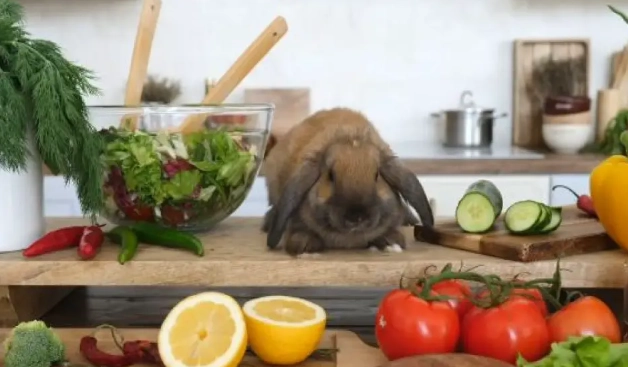
Top-Tier Safe Herbs (Great for Regular Rotation)
- Cilantro/Coriander: A huge favorite for many bunnies. Low in oxalates, great flavor.
- Dill: The feathery leaves are usually a big hit. Gentle on the system.
- Mint (in strict moderation): Spearmint or apple mint. One small leaf 2-3 times a week max.
- Basil (in strict moderation): A single leaf as an occasional treat.
- Fennel tops (the leafy fronds): Excellent flavor, often loved. The bulb is also a treat.
- Carrot tops: The leafy greens from carrots. Nutritious and safe.
- Borage leaves: Sometimes bunnies go crazy for these.
- Chamomile (flowers and leaves): Dried chamomile flowers (from pet stores) are a lovely calming treat.
- Dandelion leaves & flowers (from pesticide-free areas): A powerhouse of nutrition and a natural diuretic.
- Raspberry & Blackberry leaves: These are fantastic. They have astringent properties that can be soothing.
- Strawberry leaves: Perfectly safe and a great way to use the tops from your strawberries.
- Rosemary (tiny amounts): A very small piece of fresh leaf occasionally. Dried is too strong.
- Thyme (tiny amounts): Same as rosemary – fresh only, and just a tiny bit.
My go-to mix for Mochi is a base of romaine or green leaf lettuce, with a small handful of cilantro or dill, and maybe a single raspberry leaf or a sprig of safe wheatgrass. Variety is everything.
Answering Your Burning Questions
Can rabbits eat mint?
This is probably the most common question after "what herbs can bunnies not eat?". The answer is: with extreme caution and in tiny amounts only. The menthol and essential oils are potent. One small leaf, once or twice a week, is the absolute maximum I would ever offer. Many experts recommend avoiding it altogether to be safe. There are so many other safer herbs (cilantro, dill, fennel) that it's easy to skip mint.
Is parsley safe for rabbits?
It's the poster child for debate. For a healthy, adult, well-hydrated rabbit, a small sprig a couple of times a week is generally considered acceptable by many sources. However, due to its high calcium and oxalate content, I treat it as a rare treat, not a daily green. If your rabbit has had urinary issues, skip it entirely.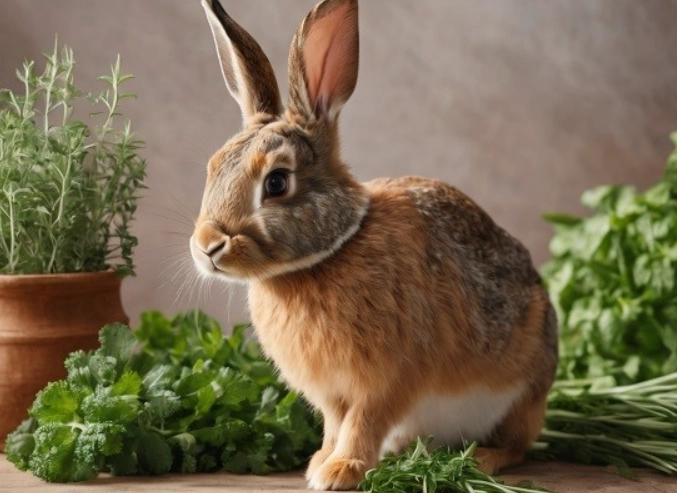
My rabbit ate a little bit of garlic/onion. What now?
Don't wait. Contact your vet immediately. Explain what was eaten and the approximate amount. They may want to monitor blood parameters or administer supportive care. The effects are cumulative and can be delayed, so professional advice is crucial.
Are dried herbs from the supermarket safe?
Generally, no. They are often treated with preservatives, anti-caking agents, or even oils and salts. They are also far more concentrated than fresh herbs. The only dried herbs that are safe are those specifically sold for small animals or organic, plain dried herbs where you are 100% certain of the contents and source. Fresh is almost always better and easier to vet.
Can I grow a safe herb garden for my bunny?
Absolutely! It's the best way to ensure safety and freshness. Plant cilantro, dill, fennel, carrot tops, and some safe wheatgrass or oat grass in pots. Just make sure you use organic soil and no pesticides. Let your bunny have supervised "lawn time" with these pots, or snip them for their bowl.
Putting It All Together: A Simple Feeding Philosophy
After all this, it might feel overwhelming. Let's simplify it into a practical approach.
The 95-5 Rule: 95% of your focus should be on the diet foundation: unlimited hay, fresh water, appropriate pellets, and a daily salad of known-safe leafy greens (romaine, butterhead, spring mix without spinach, etc.).
The other 5% is where herbs and treats live. Within that 5%:
- Stick to the "Top-Tier Safe" list for 95% of your herb offerings.
- Treat the "Better Safe Than Sorry" herbs as you would a blueberry or strawberry – a tiny, rare, special occasion nibble, if at all.
- Treat the "Absolute No-Gos" as if they were rat poison. Zero access. Ever.
When you think about what herbs can bunnies not eat, frame it positively. You're not depriving your bunny; you're actively choosing from a wide array of delicious, healthy, and safe options that will keep them hopping happily for years to come.
The bottom line is love through knowledge. Taking the time to learn this stuff is what makes a great rabbit guardian. Your bunny trusts you to make the right choices. With this guide, you're armed to do just that.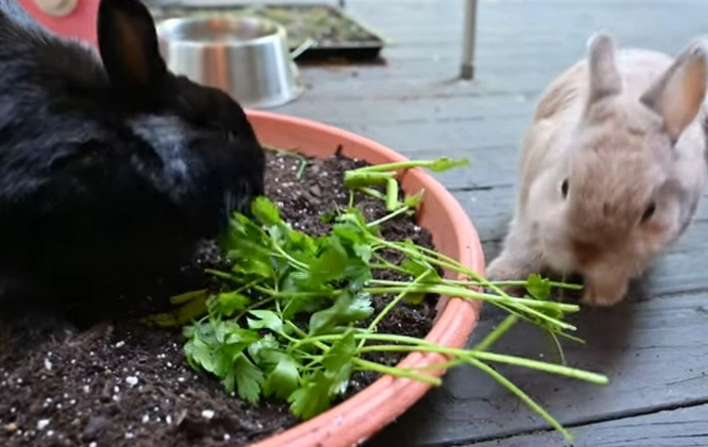
Reader Comments