Quick Guide
So you're standing in your kitchen, holding a fresh bunch of cilantro, and your bunny is doing that adorable nose-twitching thing at your feet. You tear off a leaf and give it to them, but then you look at the stems left in your hand. A question pops into your head: can rabbits eat cilantro stems too, or should you just toss them in the compost?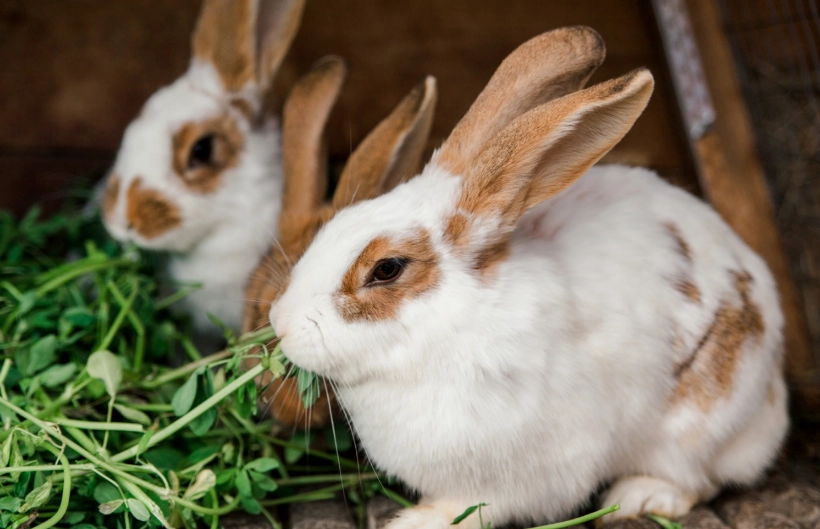
It's a simple question, but if you're a rabbit owner, you know nothing about their diet is ever truly simple. One wrong food can lead to a lot of trouble. I remember the first time I wondered this myself. I'd just adopted my rabbit, Thumper, and I was paranoid about everything. I spent more time researching rabbit-safe foods than I did my own groceries.
Let's cut to the chase.
Yes, they can.
But that's just the start of the conversation. The real story is in the how, how much, and what to watch out for. Because while the answer to "can rabbits eat cilantro stems" is a reassuring yes, treating it like a simple yes/no question does a disservice to your fluffy friend's complex digestive system.
The Quick Verdict: Cilantro stems are not only safe for rabbits but are also a nutritious and enjoyable part of a varied diet. They are fibrous, low in sugar, and packed with vitamins that benefit your rabbit's health. However, they must be introduced properly and fed in moderation alongside their primary diet of hay.
Why Cilantro Stems Are Actually Good for Bunnies
Let's break down what's in these crunchy green stems that makes them bunny-approved. It's not just filler. When you ask if rabbits can eat cilantro stems, you're really asking about nutrition and safety.
First, think about a rabbit's natural diet. In the wild, they're not just munching on soft leaves. They graze on a variety of grasses, herbs, and the tougher stalks of plants. That fibrous, crunchy texture is exactly what their teeth and guts are designed for. Hay is the absolute cornerstone of their diet for this reason, but safe, fibrous vegetables and herbs like cilantro stems provide beneficial variety and enrichment.
The Nutritional Breakdown: Stems vs. Leaves
Is there a difference between feeding the leaf and the stem? A little. The stems are generally higher in fiber, which is the golden ticket for rabbit digestion. The leaves might have a slightly higher concentration of some vitamins. But honestly, offering the whole sprig—leaf and stem together—is the best approach. It gives them texture variety and utilizes the whole plant.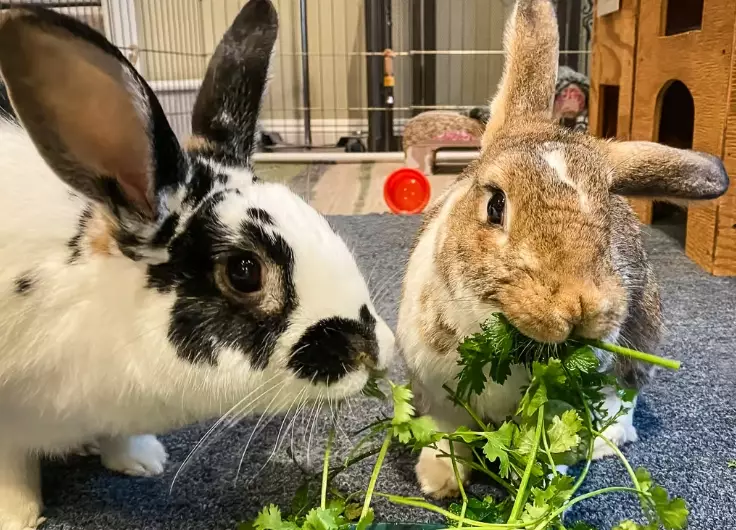
Here’s a look at what cilantro brings to the table, based on general nutritional data for the herb. The exact values can vary, but the profile is consistently rabbit-friendly.
| Nutrient | Benefit for Your Rabbit | Found in Stems? |
|---|---|---|
| Dietary Fiber | Promotes healthy gut motility, prevents GI stasis, and supports dental wear. | Yes, high. Stems are particularly fibrous. |
| Vitamin K | Essential for blood clotting and bone health. | Yes. |
| Vitamin A (as Beta-Carotene) | Supports vision, immune function, and skin health. | Yes, though leaves may be richer. |
| Vitamin C | An antioxidant that supports overall immunity. (Rabbits produce their own, but dietary sources don't hurt). | Yes. |
| Potassium | Important for nerve function and fluid balance. | Yes. |
| Antioxidants | Helps combat cellular damage. | Yes. |
| Water Content | Adds hydration, which is always a bonus. | Yes, good amount. |
Looking at that, it's clear why the question "can rabbits eat cilantro stems" gets a green light. They're basically a low-calorie, high-fiber, vitamin-packed snack. The high fiber content is the star of the show, aligning perfectly with a rabbit's dietary needs. Organizations like the House Rabbit Society, a highly respected authority in rabbit care, consistently list cilantro as a safe herb for rabbits, and that includes the stems.
How to Feed Cilantro Stems to Your Rabbit: A Step-by-Step Guide
Knowing they can eat them is one thing. Doing it right is another. Here’s how to turn that "yes" into a safe and happy feeding routine.
Step 1: Selection and Washing
Always choose fresh, organic cilantro if possible. It minimizes exposure to pesticides, which can be very harmful to small animals. I made the switch to organic for Thumper's greens after reading one too many scary articles, and I just feel better about it.
Give the bunch a good rinse under cool running water. You don't need fancy veggie washes; a thorough rinse is sufficient to remove dirt and potential residues. Pat it dry with a paper towel or use a salad spinner. Excess water can sometimes cause runny stools, so slightly damp is okay, sopping wet is not.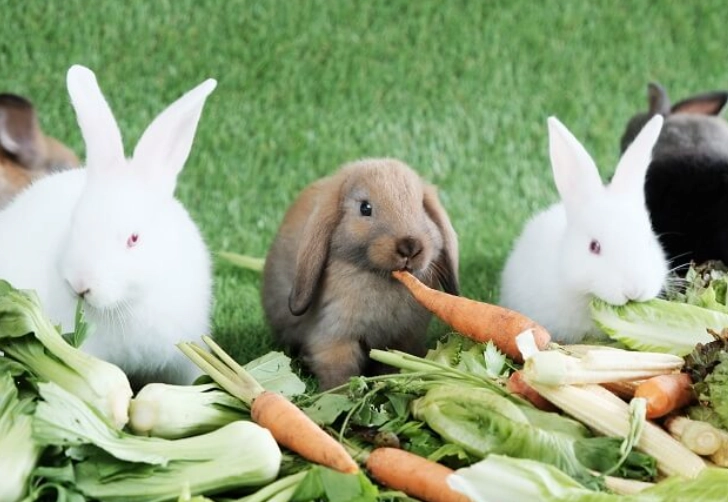
Step 2: Preparation is Key
You don't need to chop the stems into tiny pieces. In fact, giving them a stem a few inches long lets them hold it and gnaw on it, which is great for dental health and enrichment. It's fun to watch! Just make sure any tough, woody ends from the very bottom of the bunch are removed, as they can be a bit too hard and fibrous.
For young rabbits or very small breeds, you might want to cut the stems into shorter, more manageable pieces to prevent any choking hazard, though this is a rare concern with stems.
Step 3: The All-Important First Introduction
If your rabbit has never had cilantro before, start with just a leaf or two and a tiny piece of stem. The mantra for any new food is: go slow.
Watch closely for the next 12-24 hours. You're looking for any signs of digestive upset: soft stools, diarrhea, lack of appetite, or lethargy. Rabbits have sensitive guts, and a sudden introduction of any new food, even a safe one, can cause issues. If all is well, you can gradually increase the amount over the next few feedings.
Step 4: Figuring Out the Right Portion Size
This is where most people get tripped up. More is not better. Cilantro, stems included, is a treat or a supplement, not a main course.
A good rule of thumb is that fresh vegetables and herbs (combined) should make up about 10-15% of your rabbit's daily diet. The other 85-90%? Unlimited, high-quality grass hay. Always. For a medium-sized rabbit (approx. 6 lbs), a few sprigs of cilantro, including the stems, a couple of times a week is a perfect amount. You can offer it more frequently if you're giving a smaller amount each time.
Pro Tip: Mix it up! Don't just feed cilantro stems every day. Rotate cilantro with other safe greens like romaine lettuce, bok choy, basil, and mint. This provides a broader range of nutrients and prevents your rabbit from getting bored or developing a sensitivity to one particular food.
Potential Risks and What to Absolutely Avoid
While we've established that rabbits can eat cilantro stems, there are always caveats. Being aware of these separates a good owner from a great one.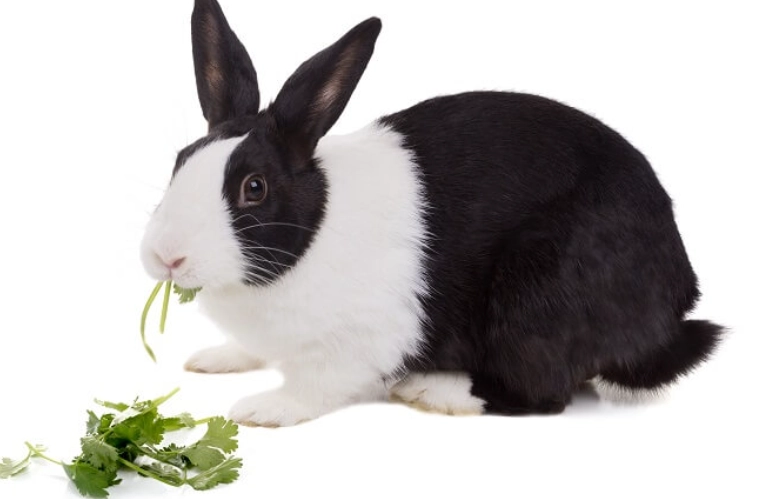
The Big Risk: Pesticides and Contaminants
This is my biggest personal worry. Non-organic produce can carry pesticide residues that are toxic to small animals. Washing helps but doesn't remove everything. If you can't get organic, washing thoroughly is even more critical. Some people grow their own cilantro in a pot—it's surprisingly easy and gives you total control.
Overfeeding: The Path to Trouble
Feeding too many cilantro stems, or any fresh food, can unbalance your rabbit's gut flora. The high calcium content in some greens (cilantro is moderate) can contribute to bladder sludge or stones if overdone. The high water content can lead to soft cecotropes (the special night droppings they re-ingest) if introduced too quickly or in too large a quantity.
Signs you've overdone it include:
- Mushy or unformed stools.
- A decrease in hay consumption (this is a major red flag).
- Lethargy or a bloated appearance.
If you see these, stop all fresh foods immediately, go back to a diet of hay and water only, and consult your vet if symptoms persist.
Spoiled or Old Cilantro
Never feed wilted, slimy, or yellowing cilantro. If you wouldn't put it in your own salad, don't give it to your rabbit. Bacterial growth on spoiled food can cause severe gastrointestinal issues.
Answering Your Other Questions About Rabbits and Cilantro
You had the main question, but I bet a few others are swirling around. Let's tackle some common follow-ups.
Can baby rabbits eat cilantro stems?
No. Hold off. A young rabbit's digestive system is extremely delicate and still developing. Their diet for the first few months should consist almost exclusively of their mother's milk (if applicable), high-quality alfalfa hay, and a small amount of alfalfa-based pellets. Introduce any fresh vegetables, including cilantro stems, very gradually only after they reach about 12 weeks of age, and even then, start with simpler greens like romaine lettuce before introducing herbs.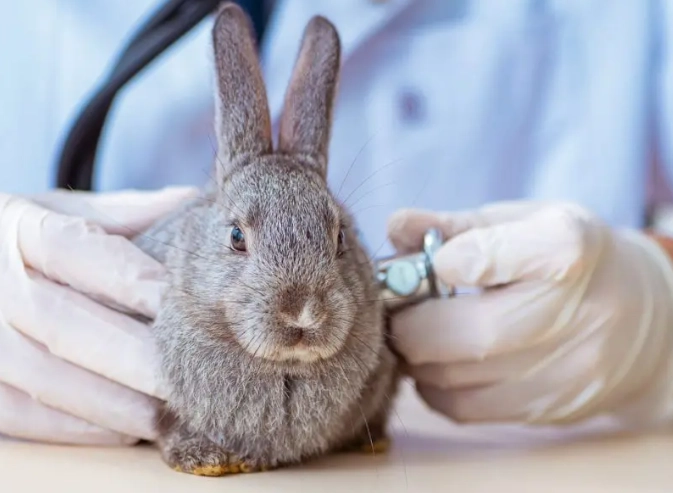
My rabbit only eats the leaves and ignores the stems. What should I do?
Don't force it. Some rabbits are just picky! You can try offering a stem by itself when they're hungry and curious. But if they refuse, it's okay. The leaves are nutritious too. Just remove the uneaten stems from their enclosure after a few hours to prevent spoilage.
Are cilantro roots safe for rabbits?
This is a gray area. The roots are often caked in soil and can be very tough. While not inherently toxic, they are harder to clean thoroughly and offer little nutritional benefit over the stems and leaves. I'd recommend sticking with the above-ground parts of the plant to be safe. It's one of those "not worth the risk" things for me.
How does cilantro compare to parsley or other herbs?
Cilantro is in the same safe family as parsley, dill, and basil. All are good options. However, parsley is higher in calcium and oxalates, so it should be fed a bit more sparingly, especially to rabbits prone to bladder issues. Rotating between them is the best strategy.
I'll share a quick story. When I first gave Thumper a full cilantro stem, he grabbed it, hopped to a corner, and held it like a little cigar while munching contentedly. It was hilarious and heartwarming. It's those little moments that make you realize providing variety isn't just about health—it's about enriching their daily life.
The Final Word: Building a Healthy Diet
So, after all this, where do we land on the question, can rabbits eat cilantro stems?
Absolutely yes. They are a safe, healthy, and enjoyable addition. But they are one piece of a much larger puzzle. Think of your rabbit's diet like a pyramid.
- The Foundation (80-90%): Unlimited grass hay (Timothy, Orchard, Meadow). This is non-negotiable. It's for digestion, teeth, and mental well-being. The Merck Veterinary Manual, a trusted professional resource, emphasizes the critical role of high-fiber forage like hay in preventing dental and gastrointestinal disease in rabbits.
- The Next Layer (5-10%): High-quality, plain grass-hay-based pellets. Measure these! Usually about 1/4 cup per 6 lbs of body weight.
- The Top Layer (10-15%): Fresh, dark leafy greens and herbs. This is where your cilantro stems live, along with a rotating cast of other characters.
- The Tiny Tip (Occasional): The rare fruit treat, like a blueberry or apple slice (no seeds!).
Feeding cilantro stems is a great practice. It reduces food waste, adds variety, and provides excellent nutrition. Just remember the golden rules: wash it, introduce it slowly, feed it in moderation, and always, always ensure hay is the main event.
Next time you're prepping cilantro for your dinner, you can confidently set aside those crunchy stems for your bunny. You'll be giving them a treat that's good for their body and their spirit. And honestly, watching them enjoy it is half the fun.
Reader Comments