Quick Navigation
- Understanding the Rabbit Gut: It's More Delicate Than You Think
- Cilantro: The Good, The Great, and The “Meh”
- The Daily Cilantro Dilemma: Risks of Overdoing It
- How to Feed Cilantro Correctly: The Safe & Smart Plan
- Answering Your Burning Questions (FAQs)
- When to Be Cautious and Consult Your Vet
- Final Thoughts: It’s About the Big Picture
So you’re standing in the kitchen, holding a bunch of fresh cilantro, and your bunny is doing that adorable nose-twitch thing, begging for a taste. It’s a classic scene. You know leafy greens are good for them, but a little voice in your head asks: can rabbits eat cilantro everyday, or is that pushing it? I’ve been there. When I first got my rabbit, Thumper, I was terrified of feeding him the wrong thing. The internet was full of conflicting advice, and honestly, it was a mess.
Let’s cut through the noise. The short, practical answer is that while cilantro is a fantastic, safe herb for rabbits, feeding it every single day as a staple isn’t the best idea. It should be part of a rotating menu. Why? Because variety isn’t just the spice of life for us; it’s a cornerstone of health for our bunnies. Feeding the same thing daily, even something healthy, can lead to nutritional imbalances or, in some sensitive bunnies, minor digestive boredom (yes, that’s a thing I’ve observed).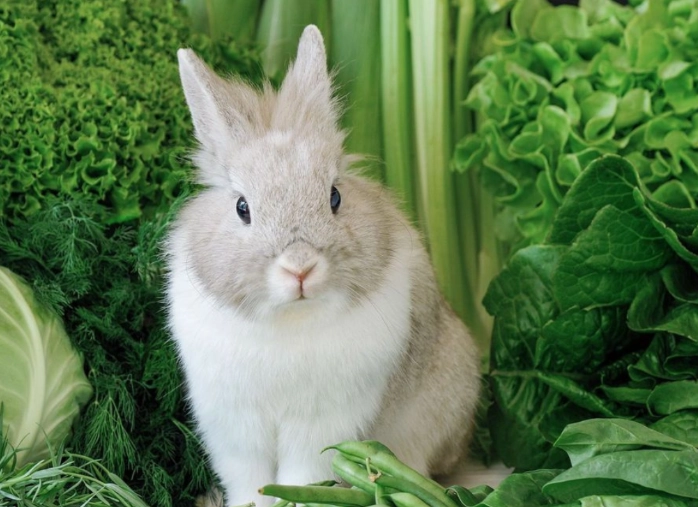
This guide isn’t about scaring you away from cilantro. Far from it. It’s about giving you the confidence to use it correctly. We’ll dive deep into the benefits, the very real but often overlooked risks of daily feeding, and most importantly, a simple, vet-backed plan for how to incorporate cilantro into a diet that keeps your rabbit hopping happily for years. We’re going to cover everything from portion sizes to poop (yep, we’re going there), and answer all those nagging questions you have.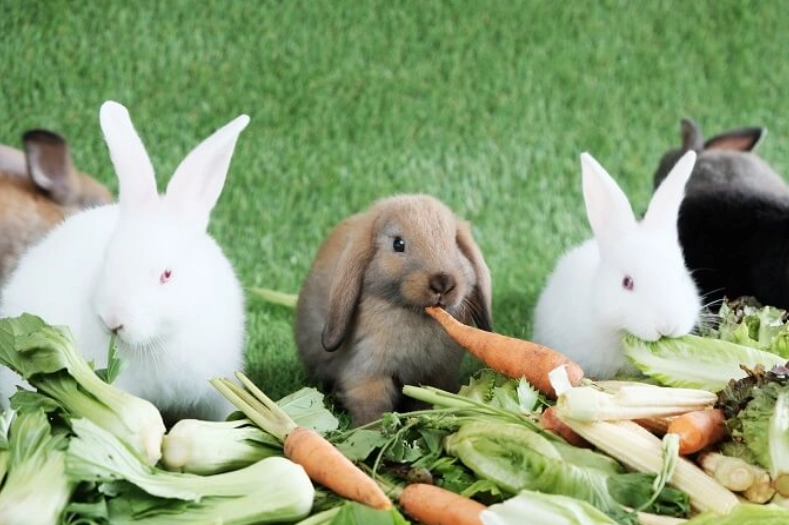
Understanding the Rabbit Gut: It's More Delicate Than You Think
Before we talk about cilantro specifically, you’ve gotta appreciate the marvel that is a rabbit’s digestive system. It’s a high-performance, non-stop fermentation factory. Unlike ours, it’s designed to process huge amounts of low-calorie, high-fiber material almost constantly. The key player? Fiber. Specifically, indigestible fiber (like that in hay) keeps the gut muscles moving, while digestible fiber gets broken down in the cecum (a special pouch) into vital nutrients.
When this system gets thrown off—by too much sugar, too little fiber, or a sudden overload of a new food—it can grind to a halt. This is called GI stasis, and it’s a serious, life-threatening emergency for rabbits. So, every food decision, including how often to offer cilantro, revolves around supporting this delicate engine.
The Core of a Rabbit's Diet: The Non-Negotiables
Think of a rabbit’s diet like a pyramid. Cilantro sits somewhere in the middle, not at the base. The foundation is unshakable:
On top of that foundation, we add the daily greens and veggies, which is where our friend cilantro comes in. Then, at the very tiny top, are pellets and the occasional treat. If the hay and water foundation isn’t solid, nothing else matters.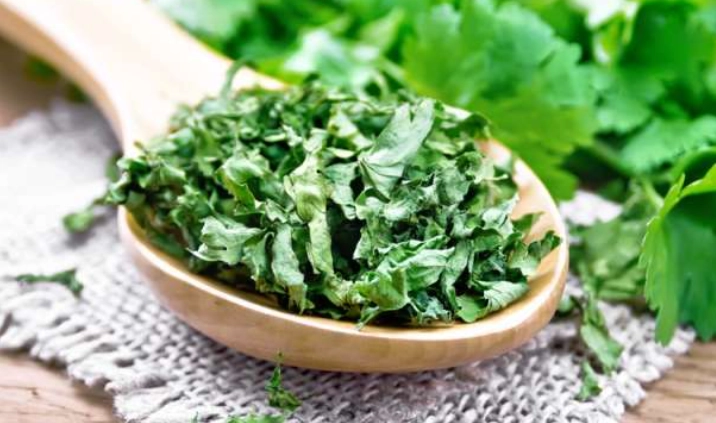
Cilantro: The Good, The Great, and The “Meh”
Cilantro, also called coriander leaf, is a winner in the rabbit-safe greens category. It’s not some exotic, risky herb. But what’s actually in it that’s good for your bun?
Nutritional Breakdown: What's in a Leaf?
According to the USDA FoodData Central, cilantro is low in calories and sugars, which is perfect for rabbits. It contains vitamins A, C, and K, along with small amounts of minerals like potassium and manganese. Vitamin A is great for vision and immune health, while Vitamin K plays a role in blood clotting. But here’s the thing—rabbits synthesize a lot of their own vitamins in their cecum, so while these are nice bonuses, they aren’t the primary reason we feed greens.
The real benefits are more about hydration (cilantro has high water content) and providing different types of plant compounds and fibers that stimulate the gut in diverse ways. Some rabbit owners and breeders also anecdotally suggest that the essential oils in cilantro might have mild anti-bacterial properties, though this isn’t a reason to use it medicinally.
Why Rabbits (Usually) Love It
The strong, aromatic flavor of cilantro is often a big hit. For a creature that relies heavily on smell, a fragrant herb is like an exciting new restaurant. This makes it a useful tool for encouraging shy eaters or mixing in with other less-loved greens. But, and this is a big but, that strong flavor is also why some rabbits might inexplicably hate it. Just like humans who think it tastes like soap, some bunnies will give it a sniff and hop away in disdain. Don’t take it personally.
The Daily Cilantro Dilemma: Risks of Overdoing It
This is the heart of the question, can rabbits eat cilantro everyday from a risk perspective? Here’s where we move from “it’s safe” to “what’s optimal.”
Risk 1: Nutritional Imbalance
No single green provides a complete profile of everything a rabbit needs. Cilantro, for instance, is decent in Vitamin K but not as rich in Vitamin A as dandelion greens or rich in calcium like kale. If you feed cilantro and only cilantro every day, your rabbit might miss out on the spectrum of nutrients offered by a rotating selection of greens like romaine, bok choy, carrot tops, and basil. Variety is your best strategy for covering all the nutritional bases.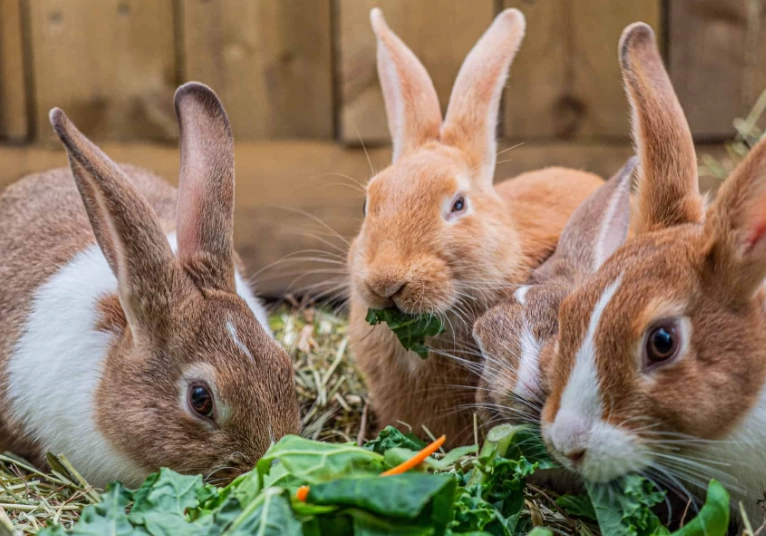
Risk 2: Developing a Picky Eater
This is my personal headache. Rabbits are creatures of habit but also of preference. If they get their favorite food (like delicious cilantro) guaranteed every single day, they may start refusing their other, perhaps more nutrient-dense, greens. You’ll be left with a bunny on a “cilantro strike,” holding out for the good stuff and ignoring the rest of their salad. Trust me, negotiating with a stubborn rabbit over their kale is a losing battle.
Risk 3: Potential for Mild Digestive Upset
While cilantro isn’t high in gas-producing compounds like some cruciferous veggies (broccoli, cabbage), any new food introduced too quickly or fed in excessive monotony can potentially cause soft stools or cecal dysbiosis in sensitive individuals. The cecum needs a diverse bacterial population to function well, and that diversity is fed by a diverse diet.
Risk 4: Pesticide and Oxalate Buildup
This one’s more about sourcing. If you’re not using organic cilantro or washing it thoroughly, feeding the same source daily could theoretically lead to a buildup of pesticide residues. Also, cilantro contains moderate levels of oxalates. While not a concern for most healthy rabbits in a varied diet, daily, large servings could contribute to oxalate accumulation in a minority of prone individuals. Rotation naturally mitigates this.
So, asking can rabbits eat cilantro everyday isn’t just about toxicity (it’s not toxic). It’s about long-term dietary strategy and avoiding these subtle pitfalls.
How to Feed Cilantro Correctly: The Safe & Smart Plan
Okay, enough with the warnings. Let’s get practical. How do you actually do this right?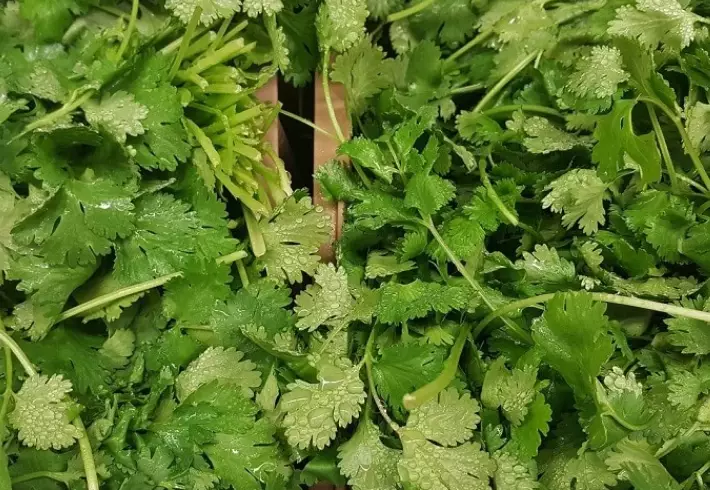
The Golden Rule: Wash, Dry, and Serve Fresh
Always wash cilantro thoroughly under cool running water to remove dirt and potential pesticides. Pat it dry with a towel or use a salad spinner. Soggy greens can cause digestive upset. Serve it fresh and crisp. Remove any wilted or yellowed parts.
Portion Control: How Much is Just Right?
This is where most guides get vague. Let’s be specific. A general rule is about 1 packed cup of fresh greens per 2 lbs of body weight per day. Cilantro should be only a part of that daily cup.
Here’s a simple table to visualize a weekly feeding plan for a 5 lb rabbit, where cilantro is a frequent but not daily guest:
| Day of the Week | Primary Green (1-2 types) | Herb/Secondary Green (Small Amount) | Cilantro Included? |
|---|---|---|---|
| Monday | Romaine Lettuce, Red Leaf Lettuce | Basil | No |
| Tuesday | Bok Choy, Spring Mix | Cilantro (small handful) | Yes |
| Wednesday | Escarole, Carrot Tops | Mint | No |
| Thursday | Green Leaf Lettuce, Arugula | Dill | No |
| Friday | Butter Lettuce, Kale (stem removed) | Cilantro (small handful) | Yes |
| Saturday | Romaine, Dandelion Greens | Parsley (flat-leaf) | No |
| Sunday | Spring Mix, Bok Choy | Cilantro (small handful) | Yes |
See the pattern? Cilantro shows up 2-3 times a week, mixed with other bases. This is a sustainable, healthy rotation. For a smaller bunny, the handful would be just a few sprigs.
Introducing Cilantro to a New Rabbit
If your rabbit has never had it before, start with one small sprig. Watch their poop for the next 24 hours. If it remains normal, dry, and round, you can slowly increase the amount over the next week, integrating it into the rotation plan above. If you see soft stools or a lack of poops, stop the cilantro and go back to their trusted greens, consulting a vet if issues persist.
Answering Your Burning Questions (FAQs)
No. Hold off. Baby rabbits have extremely sensitive digestive systems that are still developing. Their diet until about 12 weeks should be primarily their mother’s milk and alfalfa hay (which is higher in protein and calcium for growth). Introduce any fresh greens, including cilantro, very slowly after 12 weeks, one at a time, in tiny amounts. Always check with your vet for a personalized timeline for your kit.
Welcome to the picky eater club! It’s frustrating. The solution is tough love. Stop giving cilantro for a week or two. Offer a variety of other safe greens. They might refuse at first, but a healthy rabbit will not starve themselves with unlimited hay available. Once they are reliably eating other greens, you can reintroduce cilantro as a smaller, occasional part of the mix, not the main event. Don’t let them bully you!
Yes, absolutely! The stems are tender, fibrous, and perfectly safe. In fact, they provide good chewing texture. Just make sure they are washed as thoroughly as the leaves.
This confuses many people. In most contexts, “cilantro” refers to the fresh leaves and stems of the plant, which is what we’re talking about. “Coriander” usually refers to the dried seeds. Do not feed your rabbit coriander seeds. They are a concentrated spice and not appropriate for a rabbit’s digestive system. Stick to the fresh herb.
There’s no scientific evidence to support using cilantro as a treatment for gas (bloat) or GI stasis. These are serious conditions requiring immediate veterinary care. While a balanced diet with varied greens promotes overall gut health, do not use cilantro or any food to try and treat a sick rabbit. If your bunny is showing signs of digestive distress (no poop, hunched posture, loss of appetite), contact your vet immediately. For authoritative information on recognizing GI stasis, the House Rabbit Society provides an excellent, vet-reviewed resource.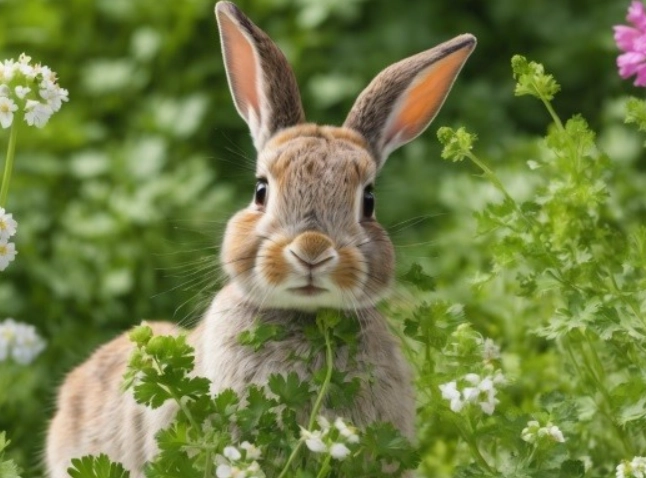
Build a great salad bar for your bun! Excellent rotation partners include:
- Leafy Lettuces: Romaine, Green Leaf, Red Leaf (avoid iceberg—it’s mostly water with little nutrition).
- Other Herbs: Basil, Mint, Dill, Parsley (in moderation).
- Chicory Family: Escarole, Endive, Radicchio.
- Others: Bok Choy (green parts), Carrot Tops, Arugula, Wheatgrass.
A quick note on pellets: If you’re feeding a high-quality, timothy-based pellet (like Oxbow or Small Pet Select), they are already fortified with vitamins. Your greens are for variety and enrichment, not primary vitamin supplementation.
When to Be Cautious and Consult Your Vet
While we’ve established that cilantro is generally safe, there are always exceptions. You should be more cautious or avoid it if:
- Your rabbit has a known history of digestive issues or a sensitive stomach.
- Your rabbit is currently on medication or recovering from illness. Stick to their vet-approved diet.
- You notice any specific reaction after eating it, like excessive gas, soft stools, or changes in behavior.
Your rabbit-savvy veterinarian is the ultimate authority on your individual pet’s health. For comprehensive, science-backed guidelines on all aspects of rabbit nutrition, resources from institutions like the MSD Veterinary Manual offer a reliable reference point that many vets themselves use.
Final Thoughts: It’s About the Big Picture
Getting hung up on can rabbits eat cilantro everyday is a bit like asking if you can eat apples every day. You can, but wouldn’t you get bored? And wouldn’t you miss out on the benefits of berries, oranges, and bananas?
The goal is a thriving, happy rabbit with a shiny coat, bright eyes, and a steady production of perfect poop pellets. That comes from a rock-solid foundation of hay, clean water, and a rotating selection of fresh vegetables and herbs. Cilantro deserves a proud spot in that rotation—it’s flavorful, healthy, and most bunnies adore it. But giving it a few days off each week makes it a special treat, keeps your bunny interested in all their food, and builds a more resilient digestive system.
So go ahead, give your bunny that sprig of cilantro. Watch them munch with joy. Just maybe don’t do it tomorrow. Try some basil instead. Your rabbit’s gut—and their adventurous palate—will thank you for it in the long run.
Reader Comments