Jump to Key Sections
So, you're looking at your fluffy pet rabbit, maybe you live near the beach, and a weird thought pops into your head. Can bunny rabbits swim in the ocean? It's one of those questions that sounds almost silly to ask out loud, but once you think about it, you really want to know. I remember wondering the same thing years ago when I first got a rabbit and planned a trip to the coast. The short, blunt answer is no. Absolutely not. Taking a domestic rabbit into the ocean is a terrible, dangerous idea that could easily end in tragedy. But the longer answer, the why behind that firm no, is actually fascinating and super important for any rabbit owner to understand.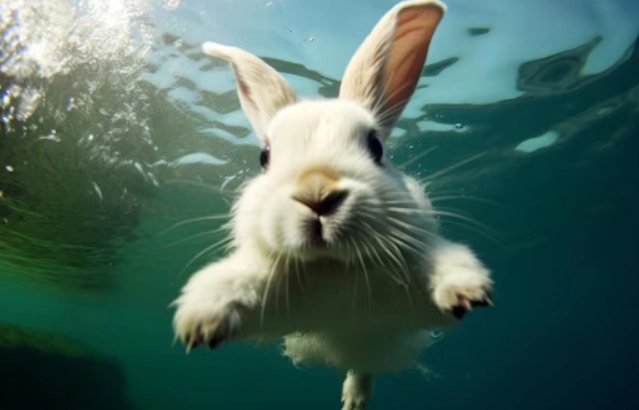
We need to untangle two separate things here. First, the general question of whether rabbits can swim at all. And second, the specific, much more hazardous scenario of the ocean itself—the salt, the waves, the currents. People often search for "can rabbits swim" and get a basic answer, but the ocean part adds a whole new layer of risk that most articles gloss over. Let's dig into both, because your bunny's life could depend on knowing the difference.
The Basic Rabbit Swimming Ability: Survival, Not Recreation
Alright, let's start with the core ability. Can rabbits swim? Technically, yes. Most rabbits, if placed in deep water, will instinctively perform a doggy-paddle motion to keep their head above water and try to get to safety. It's a survival reflex, hardwired into many land animals. The House Rabbit Society, a fantastic and authoritative resource for rabbit care, acknowledges this instinctual ability. But—and this is a massive "but"—they, and every experienced vet, stress that swimming is incredibly stressful and dangerous for rabbits. It's a last-ditch effort to not drown, not a fun activity.
Think about a rabbit's body. They're not built like otters or ducks. Their dense fur, which is great for insulation on land, becomes a heavy, waterlogged coat that drags them down and saps their energy fast. Their bodies are also prone to shock from sudden temperature changes. A quick dip, even in calm water, can send their system into a tailspin.
I've heard stories from other rabbit owners about accidental falls into pools or ponds. The rabbit usually scrambles out, but is then left terrified, cold, and at high risk for hypothermia and respiratory infections. The experience is traumatic. So while the physical mechanics of a rabbit moving in water might be possible, the physiological and psychological cost is huge. Calling rabbits "good swimmers" is like saying humans can "technically" walk on hot coals. You might be able to do it, but you absolutely shouldn't, and it will hurt you.
Why the Ocean is a Special Kind of Danger Zone
Now, let's get to the main event. Can bunny rabbits swim in the ocean? We've established that forced swimming is bad. The ocean takes every single one of those risks and multiplies them. It's the difference between slipping on your kitchen floor and falling off a cliff. Here’s a breakdown of why the ocean is a perfect storm of hazards for a rabbit.
The Saltwater Problem
This is the biggest one people don't think about. Saltwater is toxic if ingested. A rabbit swimming in the ocean will inevitably get water in its mouth and nose. Ingesting saltwater leads to rapid dehydration and electrolyte imbalance, which can cause kidney damage, neurological issues, and be fatal very quickly. Furthermore, salt is incredibly irritating. It will cause severe inflammation and pain in their eyes, nose, and any tiny cuts on their skin. Imagine getting seawater in a paper cut, then imagine your whole body covered in sensitive skin and fur covered in that salt as it dries.
Temperature Shock & Hypothermia
Ocean water, even in summer, is almost always significantly colder than a rabbit's ideal body temperature (around 101-103°F or 38-39°C). Rabbits are terrible at regulating sudden temperature drops. The cold shock alone can trigger cardiac arrest. Then, their waterlogged fur loses all insulating ability, leading to rapid heat loss and hypothermia, which can set in within minutes.
Waves, Currents, and Pure Physical Overwhelm
A rabbit is a small, lightweight animal. Even a gentle wave that a child would laugh at can knock a rabbit over, tumble it, and force it underwater. The disorientation is instant and terrifying. Undertows or currents? Forget it. A rabbit has zero chance against any ocean current. The sheer physical exertion needed to fight even calm water would exhaust them in under a minute, leading to drowning.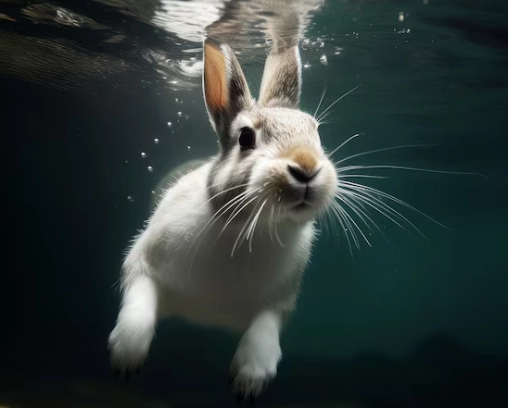
Predators and Stress
Let's not forget the environment. The sight, smell, and sound of the ocean are completely alien and terrifying to a prey animal. From above, birds like seagulls are potential predators. The stress hormones flooding their system from the noise, the vastness, and the struggle could literally cause them to die of fright—a condition known as capture myopathy.
Post-Swimming Complications
Let's say, against all odds, you pluck a rabbit from the ocean quickly. The danger isn't over. Ingested saltwater, hypothermia, and pneumonia from inhaled water are all immediate veterinary emergencies. The salt crusted in their fur will lead to intense skin irritation and possible dermatitis when they try to groom it off.
It's useful to see the risks side-by-side. A puddle or pond is risky, but the ocean is a crisis.
| Hazard Factor | Freshwater (Pond/Pool) | Ocean / Seawater |
|---|---|---|
| Ingestion Toxicity | Low risk of ingestion, but can cause upset. | HIGH RISK. Salt is toxic, causes dehydration/kidney failure. |
| Skin & Eye Irritation | Minimal if rinsed. | SEVERE. Salt causes inflammation, pain, dermatitis. |
| Physical Force | Usually calm or still water. | EXTREME. Waves, currents, undertows overwhelm instantly. |
| Temperature | Can be cold, risk of shock. | Almost always cold, hypothermia risk is very high. |
| Post-Exposure Care | Dry, warm, monitor for respiratory issues. | VETERINARY EMERGENCY. Requires decontamination, IV fluids, intensive care. |
Looking at that table, it should be crystal clear. Asking "can bunny rabbits swim in the ocean" isn't really a question about swimming. It's a question about surviving a hostile chemical and physical assault.
What If My Rabbit Falls In? The Emergency Guide
Okay, so we've established you should never, ever intentionally put your rabbit in the ocean. But accidents happen. What if you're at a beach house and your bunny gets loose and ends up in the surf? You need an action plan.
- Get Them Out IMMEDIATELY. Don't hesitate. Get your rabbit out of the water as fast as humanly possible.
- Hold Securely, Head Up. Cup them securely in a towel immediately to prevent struggling and further shock. Keep their head supported.
- DO NOT RINSE WITH FRESHWATER YET. This seems counterintuitive, but if they are severely hypothermic, a freshwater rinse can worsen the shock. Focus on warmth first if they are cold and limp.
- Get to Warmth. Wrap them in dry, warm towels. Use a heating pad on low setting wrapped in a towel, or warm (not hot) water bottles placed beside them, not underneath. The goal is gradual, gentle warming.
- Contact an Emergency Vet NOW. This is non-negotiable. Call ahead while you're on your way. Explain it's a rabbit with saltwater exposure and possible drowning. They need professional care to address dehydration, electrolyte imbalance, and potential pneumonia. The VCA Animal Hospitals network provides a good overview of rabbit physiology and why they are such delicate patients, which is why vet care is crucial.
- Gently Remove Salt (Once Warmed). Only after the vet okays it or if you are hours from a vet, use lukewarm, clean water and a soft cloth to gently wipe away salt from the face, feet, and fur. Avoid a full bath if possible, as the stress of bathing adds to the trauma.
Time is the most critical factor here. Delaying can be fatal.
Common Questions Rabbit Owners Actually Ask (FAQ)
Let's tackle some related questions that pop up around this topic. These are the things rabbit owners really want to know after the initial "can bunny rabbits swim in the ocean" search.
For a relaxing day in the sun? No, not really. The beach is loud, sandy, windy, and full of stressors. Sand can get into their eyes and digestive tract if they groom. The heat can cause heatstroke quickly. Dogs off-leash are a major threat. If you absolutely must (maybe you're moving?), keep them in a secure, well-ventilated carrier, in full shade, with constant access to cool water, and for a very short time. It's not a fun trip for them.
Wild rabbits, like cottontails, have the same instinctual paddle reflex. But they are even more vulnerable. You might rarely see a wild rabbit cross a calm stream, but an ocean shoreline is a place they actively avoid. The risks of salt, waves, and exposure are identical. If you see a wild rabbit in ocean distress, contact a local wildlife rehabilitator immediately—don't try to handle it yourself, as the stress could kill it.
Some rabbits might play with a shallow dish of water or seem curious about a dripping tap. This is NOT an indication they want to swim. It's curiosity or an attempt to cool their paws. Never interpret this as a desire to go swimming. Their bodies are still not equipped for it.
No. While some larger, leaner mammal species are adapted to water, no domestic rabbit breed is. The so-called "Swamp Rabbit" (Sylvilagus aquaticus) in the southern US is a wild species that lives in wetlands and is a stronger swimmer than most, but it's not a pet breed, and even it would fare poorly in the dynamic, salty ocean environment. For our pet European rabbit breeds (Oryctolagus cuniculus), the answer is uniformly no.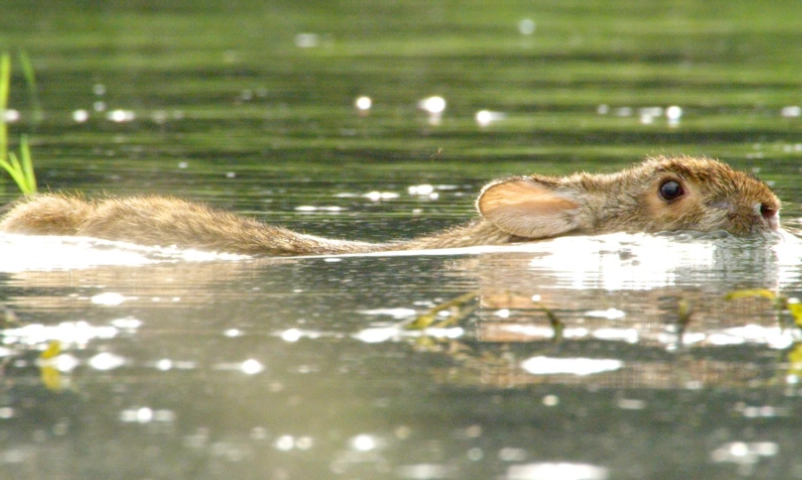
Safe Water & Enrichment for Rabbits
If the idea of your rabbit enjoying water came from a place of wanting to provide enrichment, that's great! But we need to redirect that instinct to safe activities. Rabbits enjoy mental stimulation and novel experiences, just on their own terms.
- Shallow Play: In very hot weather, you can place a ceramic tile or a very shallow plate with just a few millimeters of cool water in their play area. They might step in it to cool their feet. Supervise closely and remove it if they try to dig or tip it.
- Frozen Treats: Freeze water with bits of fruit or herbs in it (like a bunny popsicle). They can lick it to cool down.
- Digging Boxes: A much better outlet! Fill a large cardboard box with shredded paper, child-safe sand, or soil. They love to dig and burrow—it's a natural behavior that's far more rewarding than any water activity.
- Exploring New Terrains (Safely): Create obstacle courses with cardboard tunnels, ramps, and different textures (like a flat stone, a mat, a piece of carpet). This provides novel physical and mental stimulation without risk.
The bottom line is to think like a rabbit. Their world is about smelling, digging, chewing, hopping, and hiding. Swimming and surfing aren't on their list of natural behaviors.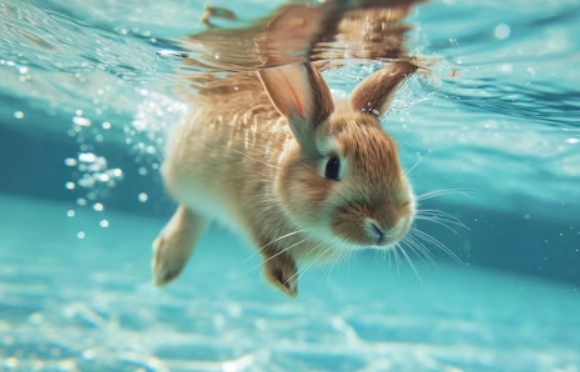
The Final Word: A Responsible Owner's Duty
So, can bunny rabbits swim in the ocean? We've peeled back every layer. The technical, instinctual paddle? Maybe, under duress. The practical, real-world outcome of allowing it or letting it happen? A preventable disaster.
Owning a rabbit is a commitment to understanding a fragile, prey-species physiology. It's about protecting them from dangers they can't comprehend, and the ocean is a cocktail of those dangers. The salt, the cold, the force—it's all wrong for them.
I get the curiosity. The image of a tiny bunny paddling in the vast sea might seem quaint or funny in a cartoon. But real-life pet care isn't a cartoon. It's about making choices based on their needs, not our whims. The best answer to "can bunny rabbits swim in the ocean" is a firm, educated "no," followed by a commitment to keep your fluffy friend safely on dry land, where their happiness truly lies—in a pile of hay, with their feet firmly on the ground.
Keep the adventures safe, keep them dry, and you'll have a happy, healthy companion for years to come.
Reader Comments