Quick Navigation
- The Reality of Rabbit Swimming: Instinct vs. Welfare
- The Real Dangers: Why Swimming is Stressful & Risky
- What About Those Videos of Rabbits Swimming?
- A Practical Guide: What To Do If Your Rabbit Gets Wet
- Rabbit Breed Comparison & Water Tolerance
- Common Questions Rabbit Owners Ask (The Real FAQ)
- Final Thoughts: Reframing the Question
You know, it's one of those questions that pops into your head at 2 AM or when you see your bunny curiously sniffing near a water bowl. Can rabbits swim? And if they can, how long can bunny rabbits swim before they're in trouble? I've seen all sorts of stuff online – from viral videos of bunnies paddling in pools to forum posts full of panic. It's confusing. The short, blunt answer is this: physically, most rabbits can swim if they absolutely have to. It's a survival instinct. But asking "how long can they swim" is like asking how long you can hold your hand over a flame. The real question isn't about duration; it's about the immense physical and psychological cost.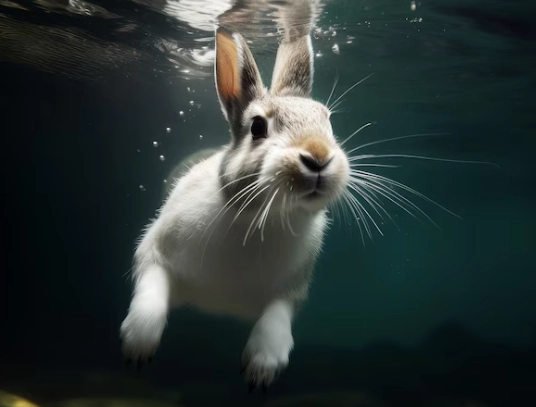
The Core Truth: A healthy adult rabbit, driven by panic, might manage a few minutes of frantic paddling. But that's not swimming in the happy, dog-like sense. It's a terrified, exhausting scramble for life. The clock starts ticking the second they hit the water, and it ticks fast due to stress, energy drain, and the risk of hypothermia. Deliberately putting your rabbit in water to see how long can bunny rabbits swim is, in my opinion, borderline cruel and tells you nothing useful about their care.
I remember talking to a friend who thought it would be "fun" to see if her Netherland Dwarf liked water. Spoiler: he did not. The sheer look of terror on that little guy's face was enough to make her feel awful, and it took hours for him to stop hiding and trembling. That experience really cemented my views on this. So let's ditch the viral video fantasy and talk about the biology, the real risks, and what you should actually do as a responsible owner.
The Reality of Rabbit Swimming: Instinct vs. Welfare
Rabbits aren't aquatic animals. Their bodies aren't built for it. Think about their natural habitat – warrens, fields, burrows. Not ponds. Their dense fur, which is fantastic for insulation on land, becomes a heavy, waterlogged blanket in the water. It pulls them down and sucks away their body heat at an alarming rate. Their powerful back legs, designed for explosive bursts of speed to escape predators, are inefficient and tiring when used for paddling.
So why do they even know how to paddle? Pure, raw survival instinct. In the wild, falling into a stream might happen. The ability to thrash to the shore could mean the difference between life and death. But it's a last-resort, panic-driven action. It's not recreation. When we ask how long can rabbits swim, we're essentially measuring how long they can endure a high-stress, life-threatening situation before exhaustion or hypothermia sets in. For a small pet rabbit, that window is frighteningly small.
The Physical Limits: What Actually Determines Swimming Duration
If we must talk about how long can bunny rabbits swim in a technical sense, several brutal factors come into play. It's not a simple number.
- Breed and Size: Larger, heavier breeds (like Flemish Giants) tire faster and struggle more with buoyancy. Smaller, lighter rabbits might paddle a bit longer relatively, but they lose body heat even faster. Lop-eared breeds have an added disadvantage – their ear canals can easily trap water, leading to painful infections.
- Fur Density: A rabbit with a thick, wooly coat (e.g., Angoras) will become waterlogged almost instantly, weighing them down dramatically and accelerating heat loss. Their swimming "time" would be extremely short.
- Water Temperature: This is a huge one. Cold water is a rapid killer. Rabbits have a high normal body temperature (around 101-103°F). Immersion in cool water can induce hypothermia in a matter of minutes, leading to shock, organ failure, and death. Even warm water isn't safe due to the other risks.
- The Rabbit's Health and Age: An older rabbit with arthritis? A young kit? A rabbit with an underlying heart or respiratory issue? Their capacity is drastically reduced. A panicked, unfit rabbit will exhaust its energy reserves in a shockingly short burst.
Honestly, trying to pin down a specific minute count for how long can rabbits swim is missing the forest for the trees. The meaningful answer is measured in risk factors, not seconds.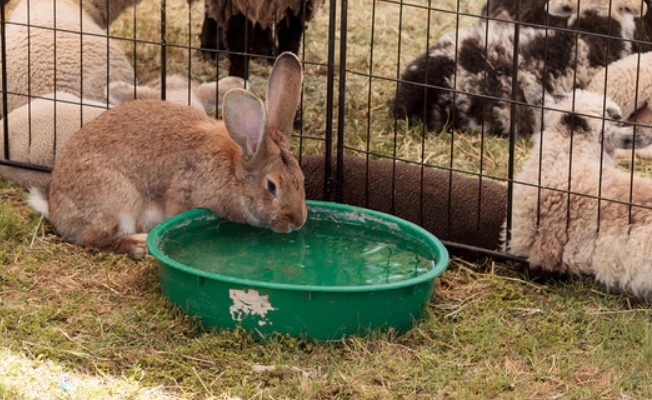
Critical Point: A rabbit experiencing extreme stress in water will not swim calmly. It will thrash, inhale water, and panic. The risk of drowning from inhalation or sheer exhaustion is high, long before any theoretical "swimming limit" is reached. The clock is always running fast.
The Real Dangers: Why Swimming is Stressful & Risky
Forget duration for a second. The dangers are what make this a non-starter. Let's break down what you're really risking if you're tempted to test your rabbit's aquatic abilities.
Hypothermia: The Silent, Fast Threat
Rabbit fur is not waterproof. It soaks through to the skin quickly. Water is 25 times more conductive of heat than air. This means a rabbit's core body temperature can plummet rapidly. Shivering consumes massive energy, and as hypothermia sets in, the rabbit becomes lethargic, its heart and breathing slow, and it can slip into a coma. This can happen in just a few minutes, especially for smaller bunnies. Recovery is difficult and often requires immediate, intensive veterinary care.
Stress-Induced GI Stasis
This is the big one for rabbit owners who know. Rabbits have incredibly sensitive digestive systems governed by a delicate balance of gut bacteria and constant motility. Extreme stress – like the terror of being forced into water – can shut that system down completely. This is gastrointestinal stasis. The gut stops moving, food ferments, painful gas builds up, and toxins are released. GI stasis is a medical emergency that can kill a rabbit within 24 hours if not treated aggressively. The stress from a swimming attempt is more than enough to trigger it.
I can't stress this enough. You might get your rabbit "out of the water" in one minute, but you could be dealing with a life-threatening illness for days afterward. Is that worth a funny video?
Ear and Respiratory Infections
Water in the ears is a nightmare for rabbits. Their ear canals are deep and labyrinthine. Trapped moisture creates a perfect breeding ground for bacteria and yeast, leading to painful, smelly, and hard-to-treat inner ear infections. Similarly, inhaling even tiny amounts of water (from panic or submersion) can lead to aspiration pneumonia, a serious lung infection.
Skin Problems and Fur Matting
Wet fur is a magnet for dirt and debris. It's also incredibly difficult to dry thoroughly down to the skin. Damp skin can lead to sore hocks (ulcers on the feet), fungal infections like ringworm, and severe matting that pulls on the skin and requires shaving.
What About Those Videos of Rabbits Swimming?
They're out there. You'll see a rabbit paddling in a pool or a shallow pond. Here's my take on those. Sometimes, it's a wild rabbit or cottontail caught in a flood, swimming for its life – not for fun. Sometimes, it's a pet owner who has misinterpreted their rabbit's frantic escape attempt as "enjoyment." A rabbit frozen in fear or scrambling desperately can look like calm paddling to an untrained eye.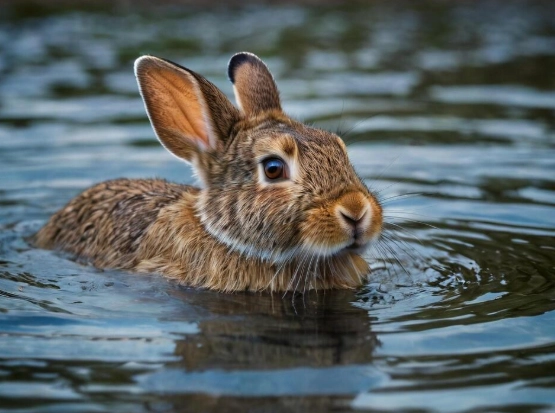
Rabbits are prey animals. Their default response to extreme fear is often to freeze, not fight. That frozen, wide-eyed stare in water isn't calmness; it's sheer terror. I find these videos deeply misleading. They create the false impression that swimming is a normal, safe activity, which then leads other owners to wonder how long can bunny rabbits swim for their own pet. It's a harmful cycle.
A Practical Guide: What To Do If Your Rabbit Gets Wet
Accidents happen. A rabbit might fall into a bathtub, a pond in the garden, or a deep water bowl. Knowing what to do is far more valuable than knowing a theoretical swimming duration. Your immediate action can save its life.
- Get Them Out, Now: Don't stop to film. Just get them out of the water as quickly and calmly as possible.
- Prevent Shock & Hypothermia: Wrap them immediately in a dry, absorbent towel. Gently blot and squeeze (don't rub aggressively) to remove as much water as possible. Get them to a warm, draft-free room.
- Dry Thoroughly – This is Crucial: Use multiple dry towels. A hairdryer can be used, but ONLY on the LOWEST, COOLEST setting, held at least 12 inches away, and constantly moving. Overheating the skin is easy and dangerous. Your goal is to get the fur completely dry, all the way to the skin, especially in the dense undercoat. Pay special attention to the belly, under the chin, and between the legs.
- Monitor Intensely: For the next 24-48 hours, watch them like a hawk. Is he eating? Is she pooping? Are the poops normal size and shape, or are they getting small and misshapen? Is she lethargic? Any clicking sounds from the nose or breathing?
- Call Your Vet: Honestly, after a significant wetting, a check-up call to your vet is a smart move. They might recommend bringing them in for observation or giving you specific signs of GI stasis or hypothermia to watch for. It's better to be overly cautious.
Should You Ever Give Your Rabbit a Bath?
Almost never. Rabbits are fastidious self-cleaners, like cats. They rarely need help. If they get something toxic or dangerously dirty on their fur (like paint, oil, or heavy fecal matter), a "butt bath" might be necessary. This involves ONLY wetting and cleaning the affected area, keeping the rest of the body dry, and doing it as quickly as possible. Full-body immersion baths are almost never medically justified and carry all the risks we've discussed. The House Rabbit Society, a highly respected authority on rabbit care, has extensive resources advising against bathing for exactly these reasons.
Rabbit Breed Comparison & Water Tolerance
While no breed is "good" at swimming, some are objectively worse off due to their physiology. Here’s a quick look at how different characteristics affect the already-dangerous scenario of being in water. It puts the question of how long can bunny rabbits swim into a comparative, practical perspective.
| Breed / Characteristic | Key Physical Trait | Impact in Water | Relative Risk Level |
|---|---|---|---|
| Dutch Rabbit | Medium size, short dense coat | Dense coat becomes waterlogged quickly, leading to rapid heat loss. Average size offers no advantage. | High |
| Netherland Dwarf | Very small size, tiny body mass | Extremely fast heat loss (high surface-area-to-volume ratio). Can tire almost instantly. | Very High |
| French Lop / English Lop | Very large, heavy body; giant, drooping ears | Heavy weight makes buoyancy and paddling difficult. Ears easily trap water, high infection risk. | Very High |
| Angora Rabbit | Extremely long, dense woolly fur | Fur acts like a sponge, becoming incredibly heavy and pulling the rabbit under. Almost impossible to dry thoroughly. | Extremely High |
| Rex Rabbit | Short, plush velvet-like fur | Dense undercoat holds water. While the fur is shorter, it still gets waterlogged and loses insulation quickly. | High |
| Wild Cottontail | Lean, muscular, agile | May have slightly better swimming instinct for survival, but still at extreme risk of hypothermia and stress. Not a pet. | High |
As you can see, it's a spectrum of "very bad" to "catastrophically bad." No rabbit wins a swimming contest.
Common Questions Rabbit Owners Ask (The Real FAQ)
Follow the emergency steps above. Chlorine is an added irritant. After drying, you may need to rinse the fur with clean, lukewarm water (again, spot cleaning if possible) to remove chlorine residue, then dry again completely. Watch for signs of skin irritation or respiratory distress from fumes.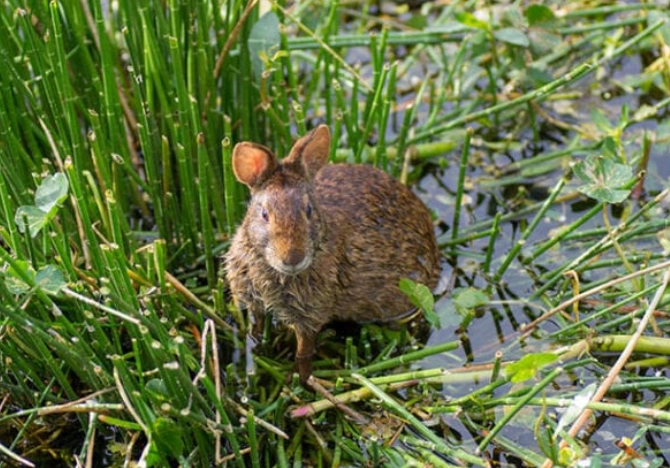
Most have a strong aversion to it. They may play with a water bowl, tip it over, or dip their paws, but full-body contact is universally stressful. Some might tolerate having their feet misted on a hot day, but that's a far cry from swimming.
They are meticulous groomers. They use their tongues (like cats) and their paws to clean every part of their fur. They produce special enzymes in their saliva that help break down dirt and oils. It's a highly efficient system that doesn't require water.
This is a highly specialized veterinary rehabilitation technique. It involves a trained professional using a shallow, warm, controlled aquatic environment to support a rabbit's body weight for physical therapy, often for hind leg paralysis. It is NOT swimming. The rabbit is fully supported, the water level is minimal, the temperature is controlled, and the session is brief and closely monitored. This should never be attempted at home. Reputable sources like the RSPCA discuss hydrotherapy only in the context of professional veterinary care.
Great question! This is a real need. Try frozen water bottles wrapped in a thin towel for them to lean against, ceramic or marble tiles to lie on, ensuring their enclosure is in full shade with good airflow, brushing out excess fur, and providing plenty of fresh, cool water to drink. Misting the tips of their ears very lightly (not soaking them) can also help, as rabbits release heat through their ears.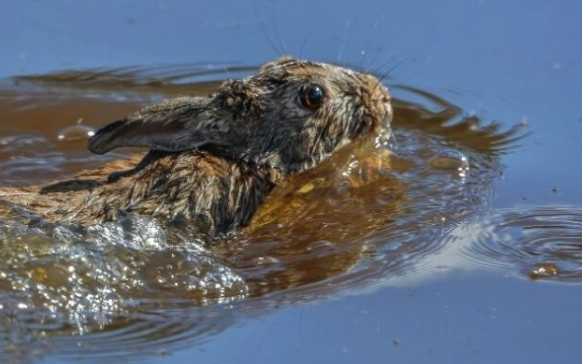
Final Thoughts: Reframing the Question
So, after all this, what's the final answer to how long can bunny rabbits swim? I hope the answer is clear: it's the wrong question to focus on. The meaningful information isn't a number of minutes. It's the list of severe risks and the knowledge that their bodies and minds are not adapted for it.
Our job as rabbit guardians is to provide a safe, low-stress environment that meets their natural instincts – to dig, to chew, to hide, to explore on solid ground. Forcing them into an element they fear doesn't enrich their lives; it jeopardizes them. If you're curious about your rabbit's abilities, channel that energy into building a fantastic dig box, a new cardboard castle maze, or learning about their intricate social behaviors. Those are the mysteries worth exploring.
Let's leave the swimming to the ducks and the questions about how long can rabbits swim as a cautionary tale about interpreting animal behavior. Your bunny will thank you with years of healthy, happy binkies on dry land.
Reader Comments