What You'll Find Inside
- The Nutritional Breakdown: A Color-by-Color Guide
- So, What's the Final Answer on the Best Color?
- The Golden Rules of Feeding Bell Peppers (Any Color)
- Beyond Color: Other Crucial Factors You Must Consider
- Answering Your Other Bell Pepper & Rabbit Questions
- Putting It All Together: A Simple Feeding Plan
If you're standing in the produce aisle, staring at the rainbow of bell peppers and wondering which one to bring home for your bunny, you're not alone. It's a common question with a more nuanced answer than you might think. The short version? Red bell peppers generally take the top spot for nutritional value, but the "best" color really depends on your specific rabbit and a few other factors. Honestly, the fact that you're asking what color bell pepper is best for rabbits shows you're a thoughtful owner, and that's the most important part.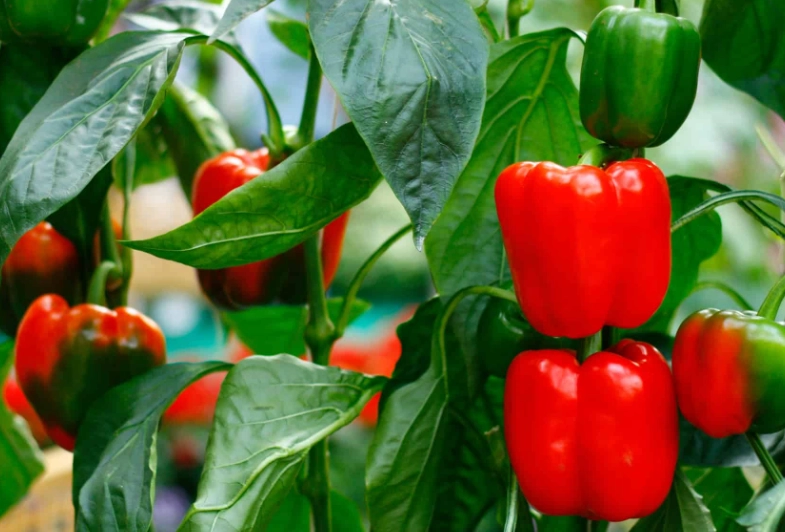
I remember when I first got my rabbit, Thumper. I'd give him a piece of green pepper, and he'd sort of... nudge it around his bowl. It wasn't until I tried a red one that he gobbled it up. Made me wonder if he just had expensive taste, or if there was a real difference.
Turns out, there is. The color of a bell pepper is a direct indicator of its ripeness and, consequently, its nutrient profile. A green pepper is simply an unripe version of the others. As it matures on the vine, it changes color to yellow, orange, or red, developing more sugars and certain vitamins along the way.
The Nutritional Breakdown: A Color-by-Color Guide
Let's get into the specifics. This is where we answer what color bell pepper is best for rabbits from a pure data perspective. I've put together a table to make it easier to compare. The values are general estimates per 100 grams, based on standard nutritional databases.
| Color (Ripeness) | Key Nutritional Highlights for Rabbits | Flavor & Texture Notes | My Bunny's Verdict |
|---|---|---|---|
| Green (Unripe) | Highest in vitamin K, good fiber source. Lower in sugar and some vitamins than ripe peppers. | Grassier, slightly bitter, firmest crunch. | Often ignored unless nothing else is offered. The health food option they tolerate. |
| Yellow & Orange (Mid-Ripe) | Excellent source of Vitamin C (very high). Sweetness increases. Rich in carotenoids. | Sweet, juicy, tender crunch. | Usually a hit. The sweetness is appealing. Orange sometimes gets less excitement than yellow, strangely. |
| Red (Fully Ripe) | Highest in Vitamin A (as beta-carotene) & Vitamin C. Most antioxidants (lycopene). Highest sugar content. | Sweetest, softest texture, very juicy. | Typically the favorite. Disappears the fastest. The candy of the bell pepper world. |
Looking at that, red seems to win, right? It's the nutritional powerhouse. But here's the catch—rabbits manufacture their own Vitamin C, so they don't *need* dietary sources like we do. The high Vitamin A (beta-carotene) in red peppers is fantastic for their eyesight, immune system, and skin/coat health. That's a big point in red's favor.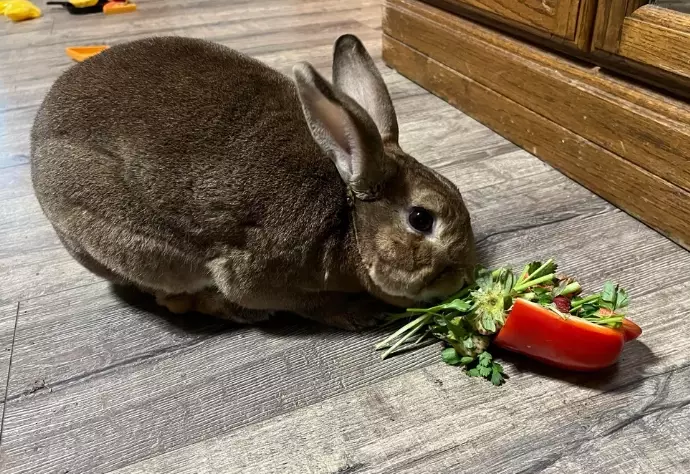
So, What's the Final Answer on the Best Color?
If I have to pick one... I'd say red bell peppers are the best for rabbits in terms of overall nutrient delivery per bite, assuming your rabbit is healthy. The beta-carotene boost is significant. But the real-world answer is more practical: a mix is best.
Why limit them? Offering a variety of colors does a few things. It provides a broader spectrum of antioxidants and phytonutrients. It keeps mealtime interesting for your bunny (they get bored, too!). And it allows you to moderate sugar intake naturally. Maybe you give red pepper pieces two days a week, and green or yellow on the others.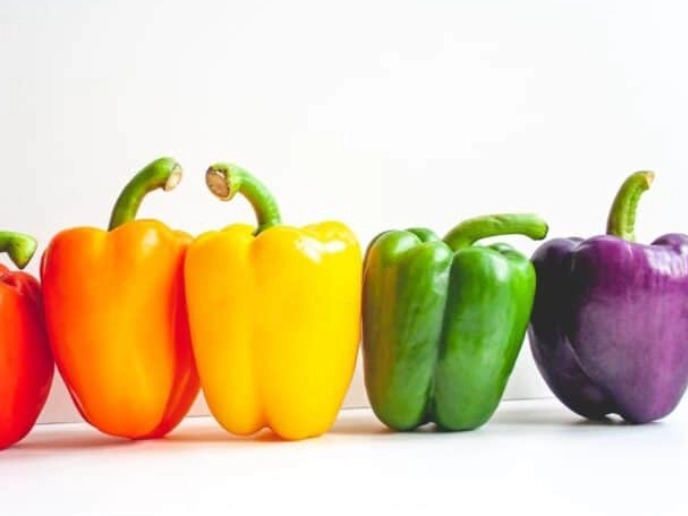
I tend to buy a multi-pack and chop them all up together into a mixed veggie bag. Thumper gets a little bit of everything. Sometimes he picks out the red bits first, but he'll eventually eat the greens too.
The Golden Rules of Feeding Bell Peppers (Any Color)
Knowing what color bell pepper is best for rabbits is useless if you don't feed it safely. This part is non-negotiable.
Preparation is Everything
Wash that pepper thoroughly. You have no idea what pesticides or contaminants are on the skin. I give mine a good scrub under running water. Always remove the stem and core. Those parts are tough and not meant for eating. The seeds? There's some debate. Most sources, including the House Rabbit Society, a fantastic and authoritative resource for all things bunny, state that the seeds are not toxic. However, they can be a choking hazard or cause a blockage in very small or greedy rabbits. I always remove them. It takes two seconds and eliminates the risk. The white inner membrane is fine to leave on.
Portion Control - The Most Common Mistake
Bell pepper is a treat or a dietary supplement, not a main course. A rabbit's diet should be at least 80% high-quality grass hay (like timothy or orchard grass). Vegetables are the next layer. A good rule of thumb is about 1 cup of packed leafy greens per 2 lbs of body weight daily. Bell peppers, being non-leafy veggies, fall into a smaller "other veg" category.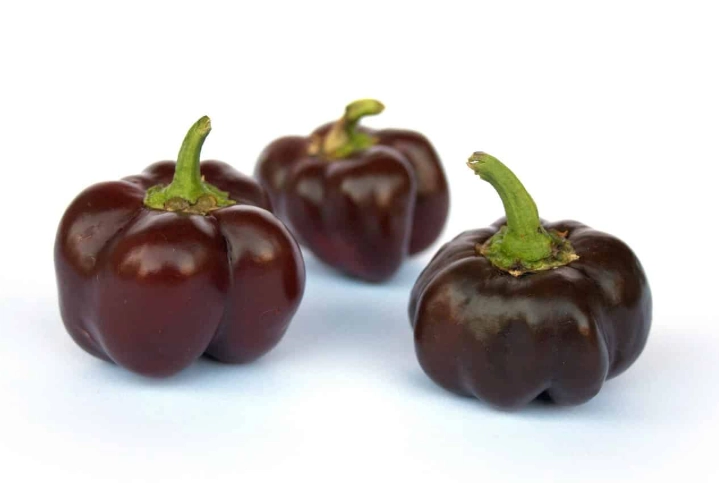
For a medium-sized rabbit (around 5-6 lbs), one or two thin slices (about the size of a quarter) of bell pepper, 2-4 times a week, is plenty. Overdoing it can lead to soft cecotropes (the weird, nutrient-rich poop they normally re-eat) or an upset stomach because you're throwing off their delicate gut flora.
Beyond Color: Other Crucial Factors You Must Consider
Choosing the right color is just one piece of the puzzle. Here are other things that matter just as much, if not more.
Your Rabbit's Individual Taste & Health
Some rabbits are picky. Some have iron stomachs. Some are prone to weight gain. You have to be the judge. If your rabbit turns their nose up at green pepper but loves red, feed them red (in moderation). If they have a sensitive gut, the lower sugar and higher fiber in green might be the better choice, even if it's less "optimal" on paper. A healthy, eaten pepper is better than a "perfect" pepper left in the bowl.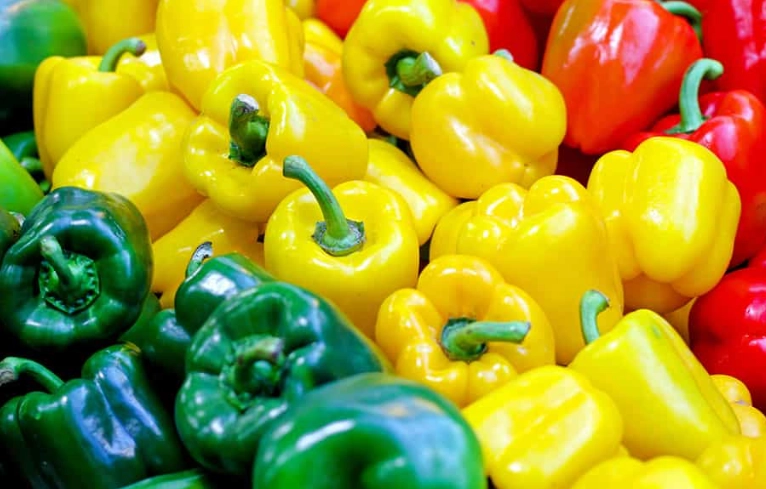
Organic vs. Conventional
Bell peppers, especially the colorful ones, often appear on the "Dirty Dozen" list (put out by the Environmental Working Group) for pesticide residue. Washing helps, but it doesn't remove everything. If your budget allows, opting for organic bell peppers for your rabbit is a safer bet. You're feeding a much smaller animal, so pesticide concentrations relative to their body weight can be more significant. If organic isn't an option, washing very thoroughly is a must.
Freshness Matters
A wilted, wrinkly pepper has lost nutrients and isn't as appealing. Feed crisp, fresh pieces. Don't give your rabbit spoiled or slimy vegetable scraps.
Answering Your Other Bell Pepper & Rabbit Questions
Here are the other things bunny parents usually want to know once we've settled the color debate.
Can rabbits eat bell pepper seeds?
As mentioned, they are not toxic, but I don't recommend it. It's a preventative measure. Removing them is easy and avoids any potential for intestinal issues. Why risk it?
Can rabbits eat bell pepper leaves and stems?
No. The plant stems and leaves are part of the nightshade family (which includes peppers, tomatoes, potatoes, eggplant). These parts contain alkaloids that can be harmful to rabbits. Only feed the actual fruit (the fleshy bell part).
Are there any rabbits that shouldn't eat bell peppers?
Yes. Baby rabbits (under 12 weeks) should not have any vegetables or fruits—their digestive systems are too delicate. Stick to alfalfa hay and pellets. Rabbits with ongoing gastrointestinal issues (GI stasis, chronic soft stool) should have their diet managed by a vet, and new veggies are usually paused. Diabetic rabbits or severely obese rabbits might need to avoid the higher-sugar red and orange peppers entirely.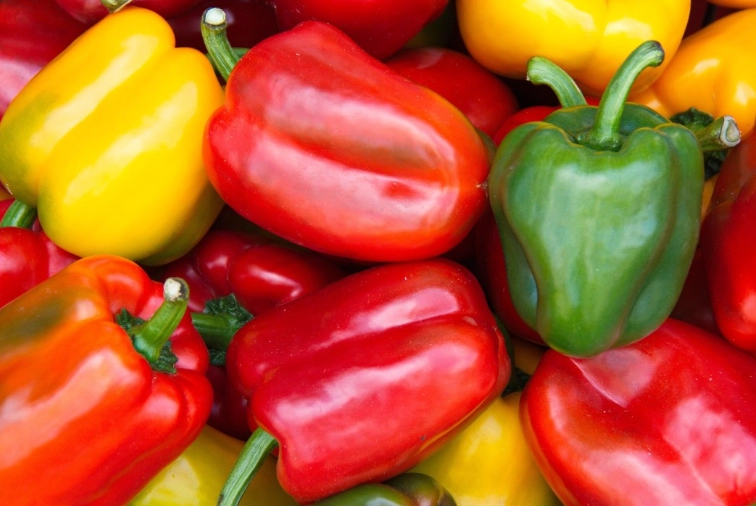
What about other types of peppers?
Stick to sweet bell peppers. Do not feed your rabbit hot peppers (jalapeño, habanero, chili peppers). The capsaicin that makes them spicy is an irritant and will cause significant digestive distress and pain. It's a definite no.
How does bell pepper compare to other rabbit-safe veggies?
It's a great occasional treat. Leafy greens like romaine, cilantro, bok choy, and dark lettuce (not iceberg) should form the bulk of the fresh veg portion. Bell pepper is more of a "bonus" veggie for added variety and specific nutrients like Vitamin A. The RSPCA, a leading animal welfare charity, provides a good overview of safe fresh foods for rabbits that puts treats like bell pepper in context.
Putting It All Together: A Simple Feeding Plan
Let's make this actionable. Here’s what a week of incorporating bell peppers might look like for a healthy, adult 6lb rabbit.
- Daily Base: Unlimited timothy hay, fresh water, a limited portion of high-fiber pellets (e.g., 1/4 cup).
- Daily Greens: A large handful of mixed leafy greens (romaine, cilantro, spring greens).
- Monday & Thursday: Add 1-2 thin slices of red bell pepper (seeds removed).
- Wednesday & Saturday: Add 1-2 thin slices of yellow or orange bell pepper.
- Friday: Maybe skip the pepper and offer a different treat veggie, like a small piece of carrot or a basil leaf. Or, offer 1 slice of green bell pepper.
See how that works? It's varied, moderate, and safe. You're not obsessing over what color bell pepper is best for rabbits every single day; you're rotating through the options.
The Bottom Line
If you take one thing away, let it be this: Red bell peppers offer the highest nutritional payoff per bite, particularly for Vitamin A. But the healthiest long-term approach is to offer a rotating mix of colors while strictly adhering to proper preparation and tiny portion sizes. Your rabbit's individual preference and health status are the final arbiters. The fact that you're feeding them fresh vegetables at all—and took the time to research which ones—means you're already giving them a fantastic life.
So next time you're at the store, maybe grab that red-yellow-orange tri-pack. Chop them up, mix them in a container, and feel good knowing you're giving your bunny a colorful, nutritious little treat. Just don't be surprised if they eat the red pieces first.
Reader Comments