Quick Navigation
It's a simple question with a surprisingly complex answer. Ask a kid, and they might draw a rabbit in a hole. Ask a farmer, and they'll point to the hedgerows. Ask me a few years ago, and I'd have said "a hutch." But after years of keeping rabbits and watching them in the wild, I've learned that the real story of where bunnies live is a fascinating tale of adaptation, survival, and, for our pet friends, a bit of a human-imposed puzzle. So, where do bunny rabbits live? It completely depends on whether you're talking about a wild cottontail surviving in your backyard or a domesticated lionhead snoozing on your couch.
The term "bunny rabbit" covers a huge range of species, from the lightning-fast jackrabbits of the desert to the floppy-eared companions we share our homes with. Their living arrangements are as diverse as they are. Getting this right, especially for pet owners, isn't just about trivia—it's the difference between a stressed, unhealthy animal and a thriving, happy member of the family. I've made my share of mistakes, starting with a cage that was way too small, thinking it was "adequate." It wasn't.
 Let's dig into the dirt, the hay, and the details.
The Wild Side: Natural Habitats and Bunny Real Estate
In the wild, the answer to "where do bunny rabbits live" is all about safety, food, and raising young. They're prey animals, so every real estate decision is a life-or-death calculation. Broadly, wild rabbits fall into two categories: the hares (like jackrabbits) and the true rabbits (like cottontails and European rabbits). Their living strategies are totally different.
Hares: The Minimalist Sprinters
Hares don't bother much with construction. They're built for speed and camouflage. A hare's home is often just a shallow depression in the ground called a "form," usually tucked under a bush or in tall grass. It's not a burrow; it's more like a temporary hiding spot. They rely on their incredible speed and leaping ability to escape predators, not on a complex underground network. You'll find hares in open spaces like prairies, deserts, and tundras—places where they can see danger coming and run. Their living situation is simple, exposed, and entirely above board.
True Rabbits: The Underground Architects
This is where the classic image of the rabbit warren comes in. Species like the European rabbit (Oryctolagus cuniculus) are famous for their elaborate burrow systems. When we ask "where do European bunny rabbits live," the answer is a sprawling, multi-generational subterranean city called a warren.
A warren isn't just one hole. It's a network of tunnels, nesting chambers (called stops), and multiple entrances/exits for quick escapes. These burrows provide stable temperatures, protect from weather, and are a fortress against foxes, birds of prey, and other predators. The warren is the heart of their social life. You can find these intricate systems in areas with soft, diggable soil like meadows, grasslands, forests, and, famously, sand dunes.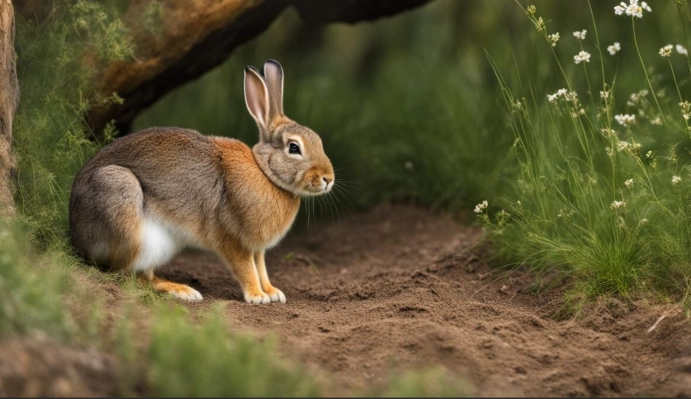
In North America, the common cottontail is a bit different. It often doesn't dig its own complex burrows. Instead, it's an opportunist. A cottontail might use an abandoned woodchuck hole, a hollow log, or a dense thicket of brush as its home base. Their choice of where to live is flexible, prioritizing dense cover for hiding. So, in your backyard, a cottontail's answer to "where do I live?" might be under your shed, in that pile of brush you meant to clear, or deep within a perennial garden.
| Wild Rabbit Type | Primary "Home" | Key Habitat Features | Social Structure |
|---|---|---|---|
| Hares (Jackrabbits, Snowshoe Hares) | Shallow "form" in dirt/grass | Open plains, tundra, deserts (good visibility for running) | Mostly solitary |
| European Rabbits | Elaborate underground warren | Grasslands, meadows, soft-soil forests (diggable ground) | Highly social, live in colonies |
| Cottontail Rabbits | Abandoned burrows, thick brush piles | Forest edges, fields, suburban backyards (dense cover for hiding) | Largely solitary, territorial |
Seeing a wild rabbit zip into a thicket really drives home that their habitat isn't just a location; it's their primary survival tool. It's all about sightlines, escape routes, and camouflage. They don't have the luxury of a locked door.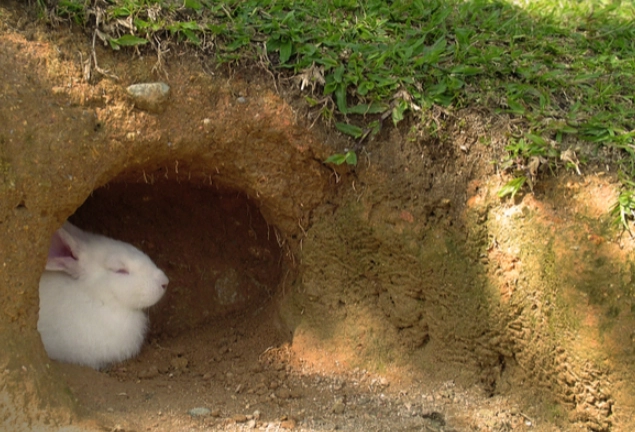
Bringing the Burrow Indoors: Where Pet Bunny Rabbits Should Live
This is where human understanding often falls short. For decades, the standard image was a small, often outdoor, wooden hutch. I bought one early on. It felt traditional, even "right." But watching my rabbit sit listlessly in that confined space was a wake-up call. We've learned so much more about rabbit welfare, and the old hutch model is increasingly seen as inadequate, even cruel, for a social, intelligent, and active animal.
So, where should your domesticated bunny rabbit live? The modern answer is simple: indoors, with plenty of space, and as part of your family. Their wild instincts don't vanish because they're fed pellets. They still need to hop, explore, dig (in a safe way), and hide.
The Core of Indoor Rabbit Housing: Space is Everything
The absolute minimum space requirement recommended by experts is enough for three full hops and space to stretch out fully in all directions. But honestly, think of that as the studio apartment minimum. More is always better. A common and excellent setup is using a large dog exercise pen (x-pen) or dedicating a fully rabbit-proofed room.
Here’s what a proper indoor habitat needs to include, breaking down the components of where your pet bunny rabbits live day-to-day:
- A Resting/Home Base Area: This is their "burrow" equivalent. A large crate, a covered cat bed, or a wooden hide box filled with soft hay. It should be private, cozy, and theirs alone to retreat to when they want peace.
- A Litter Box Zone: Rabbits can be litter-trained surprisingly easily. A large cat litter box filled with paper-based or aspen bedding (never clumping clay or cedar shavings) placed in a corner they naturally choose. Keep hay in a rack right next to it—they love to munch while they go.
- A Dining Area: Separate from the litter zone. Heavy ceramic bowls for water (or a water bottle as a backup) and pellets, and a constant, endless supply of fresh timothy or orchard hay. Hay should be 80-90% of their diet.
- An Activity Zone: This is the open space for zoomies, binkies (joyful jumps), and exploration. Cardboard castles, tunnels (you can use concrete tubing or store-bought ones), untreated wicker baskets to destroy, and platforms to jump on.
Flooring is a big concern. Slippery hardwood or tile can cause leg injuries and prevent confident running. Use interlocking foam mats, washable area rugs, or even low-pile carpet remnants to give them traction. I learned this after my first rabbit, Thumper, would skid around corners on the laminate—it was funny until I realized it could hurt him.
Rabbit-Proofing: Making Their Space Safe
You can't just give them free reign without preparation. Asking "where do bunny rabbits live in my house?" must be followed by "...and what will they chew?" Electrical cords are like neon "chew me" signs. You must hide them in cord protectors or behind furniture. Baseboards, furniture legs, and carpet edges are also fair game. Provide a mountain of approved chewing toys (applewood sticks, hay-based toys, cardboard) to redirect that instinct. It's a constant negotiation, not a one-time fix.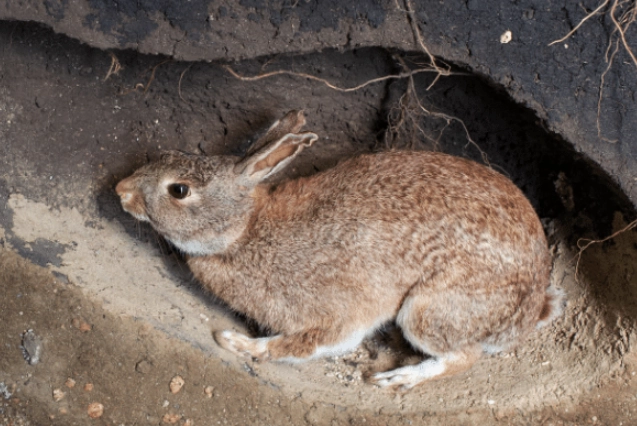
Common Questions About Where Bunnies Live
You've got questions. I had a ton when I started. Here are some of the big ones that pop up after the basic "where do bunny rabbits live" is answered.
The Bottom Line on Rabbit Habitats
So, where do bunny rabbits live? It's a spectrum. From the vast, windy warrens of the European countryside to the carefully rabbit-proofed corner of a loving human's living room. The core needs are constant: safety, space to express natural behaviors, mental stimulation, and, for most, companionship.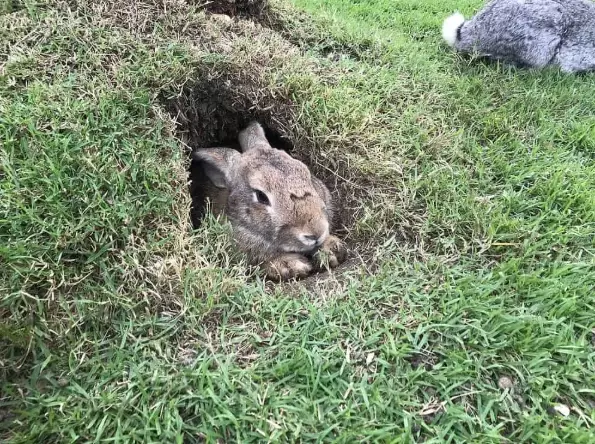
The biggest mistake we make is underestimating them. They're not low-maintenance cage pets. They are intelligent, emotional creatures whose environment dictates their well-being. Whether you're a wildlife enthusiast wondering about the cottontail in your garden or a new pet owner setting up a home, understanding the "where" is the first step to understanding the animal itself.
Getting it right for a pet is an ongoing project. You'll rearrange things, buy toys they ignore, and curse the day they discovered your favorite charging cable. But when you see them choose their favorite spot to flop, or meticulously arrange the hay in their hideout, you'll know you've helped answer their most basic question: "Where is my safe place?" And that's a pretty good feeling.
Comment