Quick Navigation
Let's be honest, finding a clear answer on what to feed baby rabbits can feel like a maze. One site says one thing, a forum says another, and your heart's just pounding because this tiny, fuzzy life is depending on you. I've been there. I remember staring at a two-week-old orphaned bunny, a tiny thing smaller than my palm, completely panicked about what to put in its stomach. Milk? Which milk? When do I start with solids? It's overwhelming.
This guide is here to cut through the noise. We're going to walk through this step-by-step, from the first critical drops of milk for a newborn to the first nibble of a carrot top. Whether you're caring for an orphan or just want to understand what your pet rabbit's kits need, this is the practical, no-nonsense information you're looking for. We'll cover the exact foods, the schedules, the big no-nos, and what to do when things go sideways. Because knowing what to feed baby rabbits isn't just about following a list—it's about understanding their tiny, developing systems.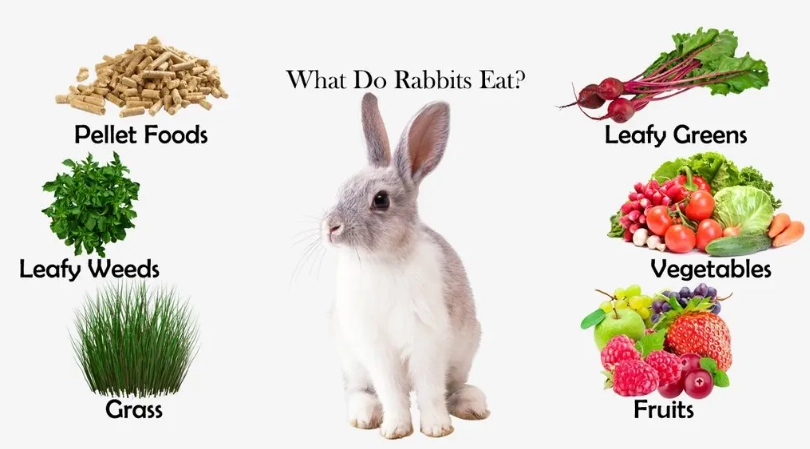
The Absolute Foundation: Milk for Newborn Kits (0-2 Weeks)
For the first couple of weeks of life, the answer to what to feed baby rabbits is incredibly simple, yet absolutely critical: milk, and only milk. Their digestive systems are designed for nothing else. This period is all about survival and massive growth.
The Gold Standard: Mother's Milk
Nothing, and I mean nothing, is better than milk from the baby's mother (doe). Rabbit milk is a powerhouse. It's incredibly rich in fat and protein—way more than cow's or even cat milk. According to the House Rabbit Society, a leading authority on rabbit care, this richness is why kits grow so rapidly in the first week. A good doe will feed her litter once, maybe twice, in a 24-hour period, usually under the cover of dawn or dusk. The feeding is quick—just a few minutes—so don't panic if you never see it happen. A full, round belly on the kits is your sign that mom is doing her job.
What if mom isn't in the picture? This is where most people's panic sets in, and rightly so. Figuring out what to feed baby rabbits that are orphaned is a serious responsibility.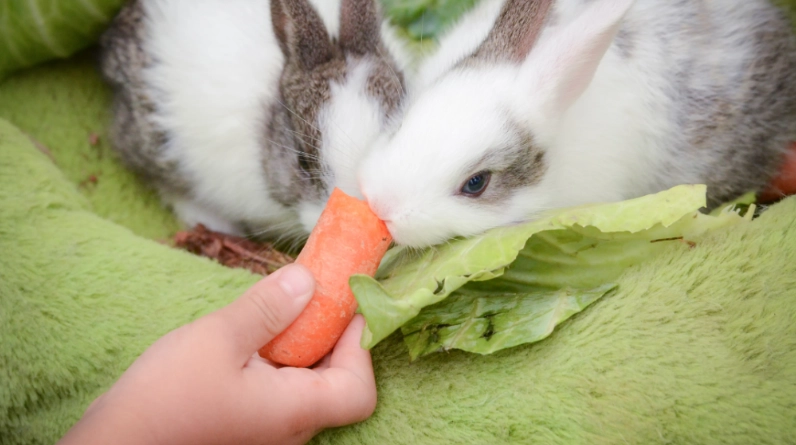
Choosing a Milk Replacer: Your Best (and Only) Option
You cannot use cow's milk from the grocery store. It's too watery, too sugary, and lacks the proper nutrients. It will almost certainly cause fatal diarrhea. The go-to substitute is a kitten milk replacer (KMR). Goat's milk can also work in a pinch, as it's slightly easier to digest than cow's milk.
But here's a tip I learned from an exotics vet: the best homemade formula often mixes KMR with something richer. A common and effective recipe is to blend KMR with a bit of goat's milk or even a probiotic designed for young animals, to help mimic the richness of rabbit milk and support gut health. The Merck Veterinary Manual provides excellent guidelines on the nutritional requirements of orphaned mammals, which can help inform your approach.
How to Feed: It's All in the Technique
Knowing what to feed baby rabbits is half the battle. The other half is getting it into them safely.
- Never feed a cold baby. If they're cool to the touch, warm them up gently against your skin or on a heating pad set on low under a towel before offering food. A cold bunny cannot digest.
- Use the right tool. A small oral syringe (1-3ml) or a specially designed pet nursing bottle is best. Forget eyedroppers; they force too much air into the belly.
- Position is everything. Lay the bunny on its belly, never on its back like a human baby. Gently place the syringe tip at the side of its mouth. Let it suckle. Do not squirt milk down its throat—this can cause aspiration and pneumonia, which is often fatal.
- Stimulate to eliminate. After every feeding, you must mimic the mother's licking. Use a cotton ball or soft cloth dampened with warm water to gently stroke the genital and anal area until they pee and poop. If you don't do this, they will become fatally constipated. This is non-negotiable.
So, for the first two weeks, the schedule is strict. You're feeding a milk replacement formula every 12 hours (twice a day), following the stimulation ritual, and keeping them warm and clean. It's intense, but it's short.
The Big Transition: Introducing the First Solids (2-3 Weeks)
This is a fascinating stage. Their eyes are open, they're starting to wobble around, and they might show curiosity about what mom is eating. You're not stopping the milk yet, but you're starting to answer the broader question of what to feed baby rabbits as they grow.
Around 2-3 weeks old, you'll notice them nibbling. This is your cue.
The First and Most Important Solid: Hay
Before pellets, before veggies—hay. Specifically, high-quality grass hay like Timothy hay or Orchard grass. Alfalfa hay is also excellent for babies because it's higher in calcium and protein, which supports their growth. I always offer a big, fluffy pile of both Timothy and Alfalfa at this stage.
Why hay first? It gets their digestive system—specifically the cecum, which is crucial for breaking down fiber—working properly. Nibbling hay also helps wear down their constantly growing teeth. Place the hay in a clean, accessible spot. They might not eat much at first, but the exploration is key.
A Tiny Taste of Pellets
Alongside the hay, you can introduce a very small amount of high-quality alfalfa-based young rabbit pellets. Look for pellets that are high in fiber (18% minimum) and plain—no colorful bits, seeds, or dried fruit mixed in.
How much? We're talking a teaspoon per kit per day, scattered in their area. The goal is introduction, not nutrition. Their primary nutrition is still coming from milk.
You might see tiny, round, dark droppings (cecotropes) around this time. Don't remove them! These are nutrient-rich “night feces” that the kits will eat directly from their anus. This is a vital, normal behavior called cecotrophy and is essential for their health. It means their gut is starting to function.
So now, your daily routine for what to feed baby rabbits at 3 weeks old looks like this: two milk feedings, unlimited alfalfa/Timothy hay, and a tiny sprinkle of alfalfa pellets. Fresh water in a shallow dish should also always be available.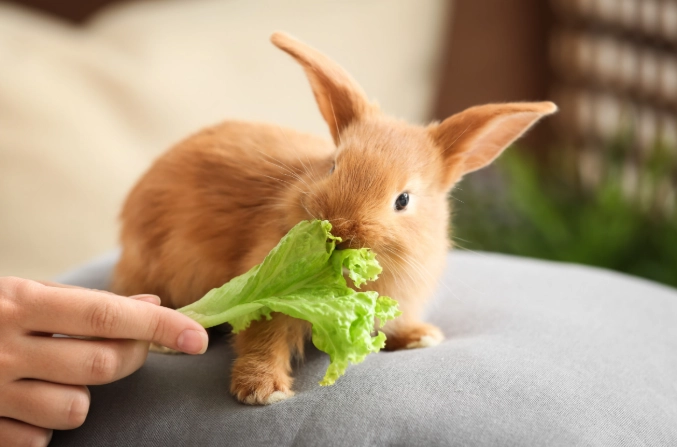
The Weaning Process: From Milk to Munching (3-8 Weeks)
Weaning isn't an overnight switch. It's a gradual reduction of milk as solid food intake increases. This is where many people get confused about the exact amounts and timing of what to feed baby rabbits.
From 3-4 weeks, they'll get more proficient with hay and pellets. You can start to slightly increase the pellet portion—maybe to a tablespoon per kit daily. Keep the milk feedings going, but you might notice they drink a little less eagerly.
By 4-6 weeks, they should be eating hay and pellets well. This is when you can start to reduce the milk. Maybe go from two feedings to one larger feeding per day. Watch their bellies and their interest. A healthy kit will have a plump, but not hard, belly from hay, not just milk.
At 6-8 weeks, they should be fully weaned. You can stop the milk feedings completely. Their diet should now consist of:
- Unlimited Grass Hay (Timothy/Orchard): 80% of their diet.
- Alfalfa Hay: Still offered freely alongside grass hay.
- Alfalfa Pellets: About 1/4 cup per 5 lbs of expected adult weight per day. Don't free-feed pellets to babies; it can lead to picky eating and obesity.
- Fresh Water: Always, in a bowl (heavy so they don't tip it).
Introducing Greens: The Grand Finale
Once they are fully weaned and eating hay/pellets consistently for a week or two (usually around 8-12 weeks old), you can introduce leafy greens. This is exciting! But go slowly.
Start with one type of green at a time, in a quantity about the size of their head. Offer it once a day. Watch their droppings for the next 24 hours. If they become soft, mushy, or stop altogether, that green was introduced too soon or doesn't agree with them. Wait a week and try a different one.
Great starter greens include romaine lettuce, green leaf lettuce, cilantro, and carrot tops (the leafy part, not the orange carrot yet!). I'm personally not a fan of starting with kale or spinach for babies, as they're higher in oxalates which can interfere with calcium absorption.
| Safe First Greens (8-12 wks+) | Greens to Avoid Until 6+ Months | Never Feed (Toxic) |
|---|---|---|
| Romaine Lettuce | Kale (in large amounts) | Iceberg Lettuce (no value) |
| Green/Red Leaf Lettuce | Spinach | Avocado |
| Cilantro | Parsley (high calcium) | Potato leaves/stems |
| Carrot Tops (leaves) | Broccoli/Caulifower (gassy) | Rhubarb |
| Dandelion Greens (pesticide-free) | Fruits (like apple, banana) | Tomato Leaves/Vines |
See? The list of what not to feed is just as important as what to feed baby rabbits. Fruits and sugary veggies (like carrots) are treats for adult rabbits and should be avoided entirely until they are at least 6 months old, and even then only in tiny amounts.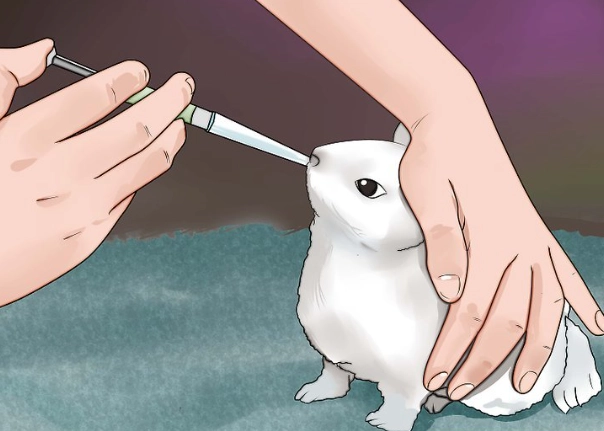
Navigating Common Problems and FAQs
Even with the best plan, things can go off track. Let's tackle the questions that keep rabbit owners up at night.
What if the baby rabbit won't eat the milk?
First, check temperature. The formula must be warm (body temperature, about 101-103°F). A cold syringe tip can startle them. Second, check your position. Are you looming over them? Try wrapping them in a small cloth (a “bunny burrito”) to make them feel secure. Third, try placing a tiny drop of formula on their lips to lick off. Sometimes they need a taste first. If they absolutely refuse and are getting weak, this is a vet emergency—they may need subcutaneous fluids and assisted feeding.
Diarrhea in baby rabbits. Panic now?
Yes, you should be very concerned. Diarrhea is a major killer. The first thing to do is stop all milk and solids. Offer only plain water and hay. The diarrhea could be from overfeeding, wrong formula, bacterial imbalance, or a serious infection like coccidiosis. If it's watery and persistent, or the bunny becomes lethargic, get to an exotics vet immediately. Dehydration kills fast.
How do I know if I'm feeding enough?
For milk, a general guideline is about 5% of the kit's body weight per feeding, twice a day. But I don't even weigh them most days. The best gauge is the belly. After a feeding, it should look round and full, but still soft like a half-filled water balloon. If it's drum-tight, you overdid it. If it's still skinny and wrinkly an hour after feeding, they might need a little more next time. For solids, look for a steady increase in the amount of hay disappearing and for normal, round, dry fecal pellets.
When should I switch from alfalfa to timothy hay/pellets?
This is a great question that looks to the future. Alfalfa is for growth. Once your rabbit reaches about 7 months old, you should gradually transition them off alfalfa-based pellets and unlimited alfalfa hay. The high calcium and protein can lead to obesity and urinary sludge in adults. Start mixing in Timothy-based pellets and phase out the alfalfa hay in favor of grass hays. The transition should take a few weeks to avoid digestive upset.
Putting It All Together: A Simple Feeding Timeline
Let's boil this down to a quick-reference guide. Remember, these are averages. Some bunnies develop faster or slower.
- Birth - 2 Weeks: Mother's milk or KMR/Goat's milk formula. Feed every 12 hours. Stimulate to eliminate. Keep warm. No solids.
- 2 - 3 Weeks: Continue milk feedings. Introduce unlimited alfalfa & grass hay. Offer a teaspoon of alfalfa pellets per kit daily.
- 3 - 6 Weeks: Milk feedings continue, but may begin to reduce as solid intake rises. Increase pellets gradually to 1/4 cup per kit daily. Hay is constant.
- 6 - 8 Weeks: Complete weaning off milk. Diet is now unlimited hay, measured alfalfa pellets, fresh water.
- 8 - 12 Weeks: If weaned and healthy, introduce one leafy green at a time (size of head). Monitor droppings closely.
- 12 Weeks - 7 Months: Continue juvenile diet: unlimited hay (mix of alfalfa/grass), measured alfalfa pellets, daily variety of safe greens.
- 7+ Months: Begin transition to adult diet: unlimited grass hay (Timothy), Timothy-based pellets, daily greens, occasional fruit treat.
Figuring out what to feed baby rabbits is a journey that changes every week. It requires attention and a willingness to adapt. But there's nothing quite like seeing a kit you've hand-raised grow into a healthy, hopping adult, all because you took the time to learn what their little bodies needed, step by careful step.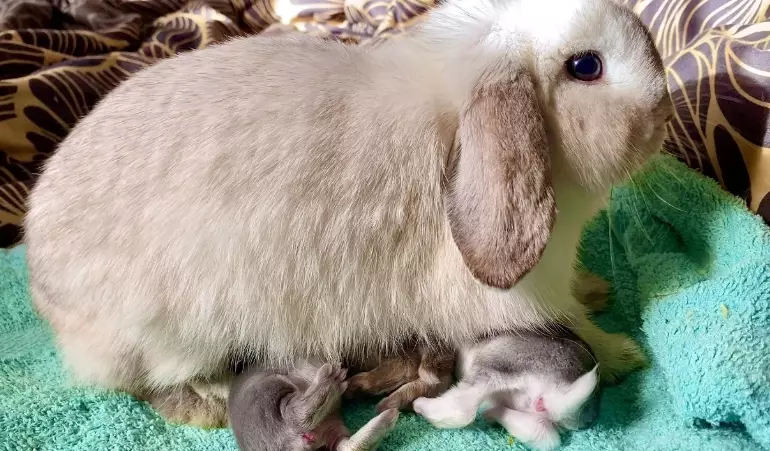
The key takeaways? Milk is life for newborns. Hay is the cornerstone of all future health. Introduce everything new slowly. And when in doubt, more hay and a call to your vet is never the wrong move. You've got this.
Comment