Quick Guide to Rabbit Nutrition
- The Non-Negotiable Core: The 80-15-5 Rule
- What Should Rabbits Eat? The "Absolutely Not" List
- Water: The Forgotten Essential
- Feeding by Life Stage: What Should Rabbits Eat at Different Ages?
- Answering Your Burning Questions: The Rabbit Diet FAQ
- Putting It All Together: A Sample Daily Menu
- When Things Go Wrong: Signs of Diet-Related Problems
If you've ever found yourself staring at your bunny and a fridge full of greens, wondering "what on earth should rabbits eat?" you're not alone. I've been there. When I first brought home my rabbit, Thumper, I was bombarded with advice. Some said carrots all day, others said only lettuce. It was a mess, and honestly, it stressed me out more than it should have.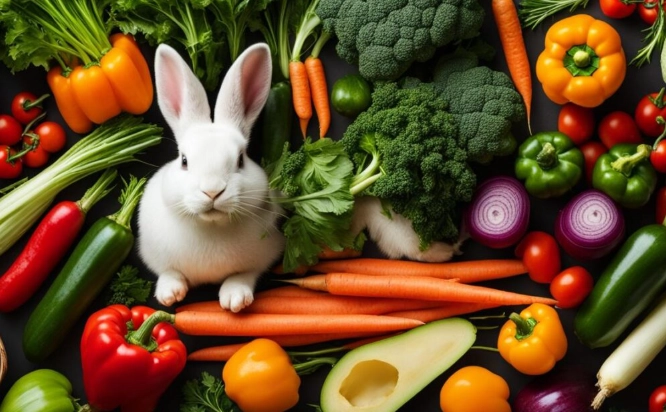
The truth about a rabbit's diet is both simpler and more specific than most people think. It's not about guesswork or feeding them scraps from your dinner plate. Getting it right is the single biggest thing you can do for their health, their happiness, and their lifespan. A poor diet leads to a miserable bunny with dental issues, gut stasis, and obesity. I've seen it happen, and it's heartbreaking.
So let's ditch the myths and get straight to the practical, vet-approved facts. This isn't just a list of foods; it's a framework for understanding why rabbits need what they need. By the end of this, you'll know exactly what should rabbits eat, how much, and why each component is non-negotiable.
The Non-Negotiable Core: The 80-15-5 Rule
Forget complicated percentages. The rabbit diet blueprint can be broken down into a simple, easy-to-remember ratio: 80% Hay, 15% Fresh Vegetables, and 5% Pellets. Treats and fruits? They're the occasional extra, not part of the core diet. Let's break down each pillar, because each one plays a unique and critical role.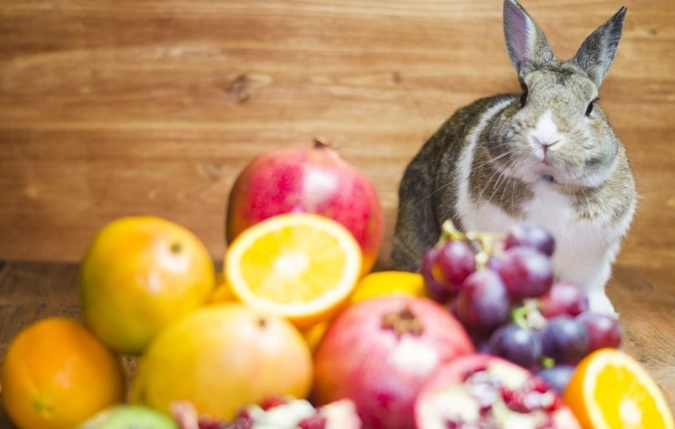
Hay (80%): It's Not Just Bedding, It's Everything
This is the foundation. When people ask "what should rabbits eat?", the first and loudest answer is always: HAY. Unlimited, 24/7 access to fresh, high-quality grass hay. It's not a filler; it's the main course.
Why is it so crucial? First, the constant chewing wears down their teeth, which never stop growing. No hay often means overgrown teeth, leading to pain, abscesses, and an inability to eat. Second, the high fiber keeps their gut motility normal, preventing that deadly stasis. Third, it provides the bulk of their nutritional fiber needs.
Not all hay is created equal. Here’s a quick rundown:
- Timothy Hay: The gold standard for adult rabbits. Perfect fiber, lower in calcium and protein than alfalfa. This should be the staple.
- Orchard Grass or Meadow Hay: Great alternatives if your bunny is picky about Timothy. Similar nutritional profile, sometimes a bit softer.
- Oat Hay: Can be a nice mix-in for variety, often has tasty seed heads that rabbits love.
- Alfalfa Hay: Warning: This is legume hay, not grass hay. It's rich in calcium and protein. It's fantastic for growing kits (baby rabbits) and underweight seniors, but it's too rich for healthy adult rabbits and can lead to obesity and urinary sludge.
My Thumper turns his nose up at some batches of Timothy but goes crazy for Orchard grass. Don't be afraid to try a few types to see what your rabbit prefers, as long as it's a grass hay. The best hay is the hay they'll eat lots of.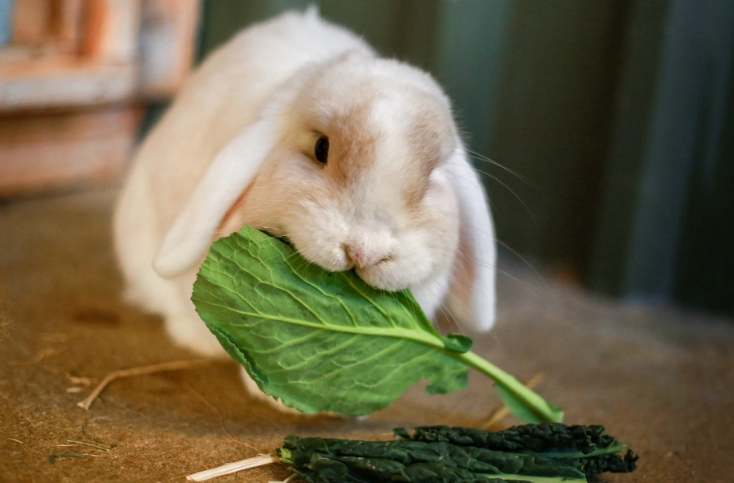
Fresh Vegetables (15%): The Vitamin Powerhouse
This is where you can have fun and provide variety. Fresh greens provide essential vitamins (like Vitamin A), minerals, and moisture. The key is variety and introducing new ones slowly to avoid upsetting their sensitive stomachs.
A good daily serving is about 1 packed cup of leafy greens per 2 lbs of body weight. Think of a loose salad mix. It's better to feed a few different types each day rather than a huge pile of one thing.
So, what leafy greens should rabbits eat? Here's a categorized list to make shopping easier.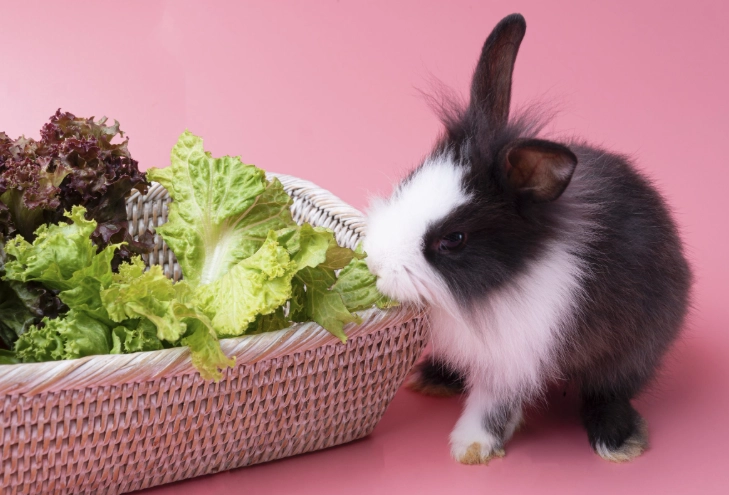
| Category | Excellent Daily Staples (Feed Often) | Good Occasional/Rotational Greens (Feed 2-3x/week) | Use Sparingly or as Garnish |
|---|---|---|---|
| Leafy Greens | Romaine lettuce, Green/Red leaf lettuce, Butter lettuce, Spring mix (no spinach/kale), Arugula (rocket), Mint, Basil, Cilantro, Dill | Spinach, Kale, Swiss Chard, Bok Choy (Pak Choi) | Mustard greens, Turnip greens, Beet greens (high in oxalates/calcium) |
| Herbs | Parsley (flat-leaf or curly), Coriander, Dill, Mint, Basil | Oregano, Thyme, Rosemary, Sage | – |
| Other Veg | Celery (chopped small), Bell Peppers (any color, seeds removed), Fennel | Broccoli leaves and stalks (florets in tiny amounts), Brussels sprouts (1 max), Zucchini | Carrot tops (great!), Radish tops |
See how carrots aren't in the main table? That's the big myth. Carrots are high in sugar. They are a treat, not a vegetable staple. The green, leafy tops, however, are fantastic! Always wash veggies thoroughly to remove pesticides.
Pellets (5%): The Vitamin & Mineral Insurance
Pellets are a concentrated supplement, not the main food. A healthy adult rabbit on a good hay and veggie diet only needs a small, measured amount daily—about 1/4 cup per 5 lbs of body weight is a common guideline. Overfeeding pellets is a top cause of obesity and picky eating (they'll choose the tasty pellets over hay).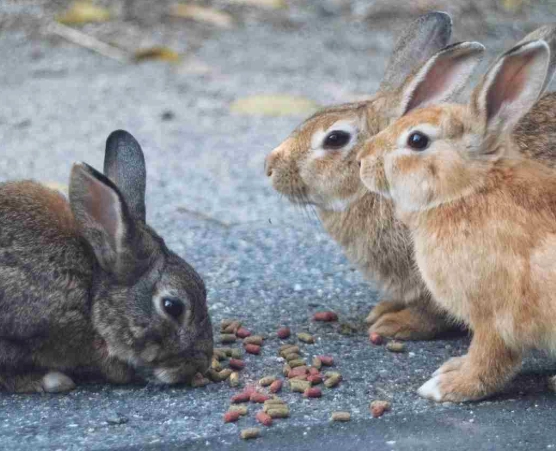
Choosing the right pellet matters:
- Look for: Timothy hay-based (for adults), high fiber (18% minimum, 20%+ is better), low protein (14% or less), low fat (2-3%), and no added seeds, nuts, colored bits, or dried fruit. Those "gourmet mixes" are junk food.
- Good brands: Oxbow Garden Select, Science Selective Rabbit Food, and Small Pet Select are consistently recommended by rabbit-savvy vets.
What Should Rabbits Eat? The "Absolutely Not" List
Knowing what to avoid is just as important as knowing what to feed. Some foods are toxic, others cause severe digestive blockages. This list isn't exhaustive, but it covers the major dangers and common mistakes.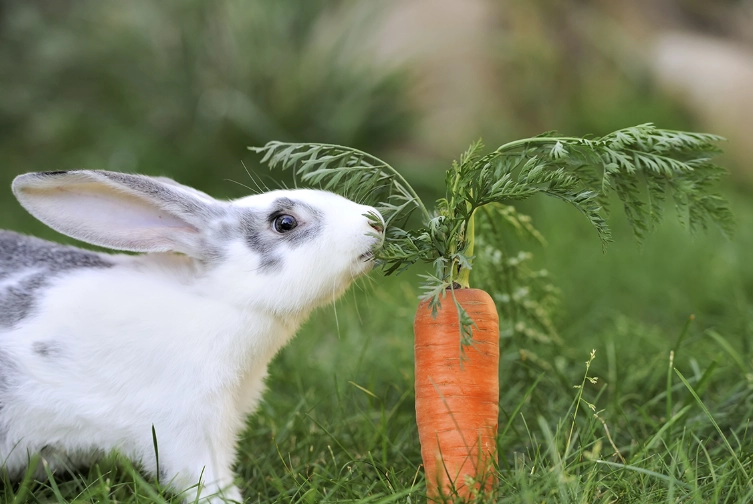
Foods That Are Toxic or Very Dangerous:
- Allium Family: Onions, garlic, leeks, chives (cause blood cell damage).
- Iceberg Lettuce: It's not toxic, but it's mostly water with lactucarium, which can be a mild sedative and cause diarrhea. It's nutritionally useless. Just stick to the darker lettuces.
- Potatoes (& leaves/stems), Rhubarb: Toxic.
- Avocado: Highly toxic, can be fatal.
- Chocolate, Caffeine, Alcohol: Obviously, but worth stating.
- Seeds, Pits, and Nuts: High in fat, choking hazard, can cause blockages.
- Beans and Legumes: (e.g., kidney beans, peas in large amounts) Cause severe gas and bloating, which is agony and dangerous for a rabbit.
- Dairy Products: Rabbits are herbivores. They cannot digest lactose. No yogurt drops, no milk.
- Grains & Cereals: Bread, crackers, pasta, cookies. These starches ferment in the cecum and disrupt the delicate gut flora.
- Meat or Eggs: Again, strict herbivores.
I made the iceberg lettuce mistake early on. Thumper got runny stools, and I couldn't figure out why until a vet asked about his greens. Switched to romaine, problem solved. It's a common error because we think "lettuce is lettuce." It's not.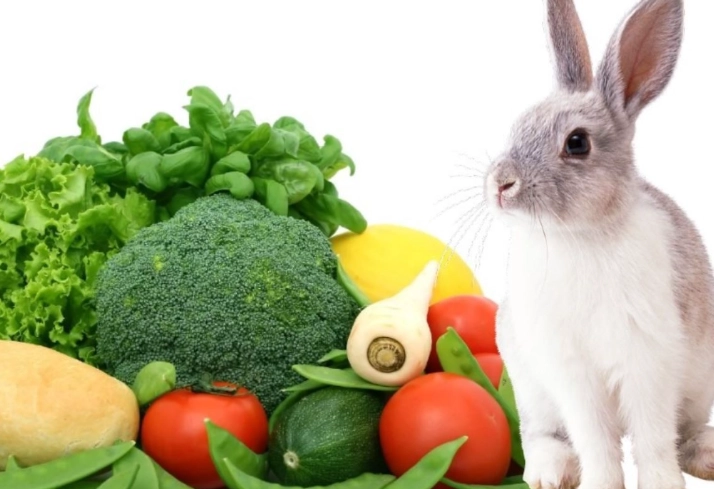
Water: The Forgotten Essential
Fresh, clean water must always be available. A heavy ceramic bowl is best, as it's more natural to drink from than a bottle and allows for greater intake. Some rabbits still prefer bottles. Check both daily. Dehydration is a fast track to GI stasis, especially if they eat a lot of dry hay.
Feeding by Life Stage: What Should Rabbits Eat at Different Ages?
A one-size-fits-all approach doesn't work. A baby rabbit's needs are wildly different from a senior's.
- Baby Bunnies (Kits, 0-3 months): Mother's milk is primary. They will start nibbling on alfalfa hay and alfalfa-based pellets. Unlimited alfalfa hay is perfect here for growth.
- Juveniles (3-6 months): Start introducing Timothy hay. Continue alfalfa pellets. Begin introducing tiny amounts of one type of leafy green at a time (like a cilantro leaf).
- Young Adults (7 months - 1 year): Transition fully to Timothy hay (or other grass hay). Gradually switch from alfalfa pellets to Timothy-based adult pellets. Increase variety of vegetables.
- Healthy Adults (1-5 years): Follow the 80-15-5 rule strictly. This is the maintenance phase.
- Seniors (6+ years): They may need easier-to-eat hay (softer 2nd cut Timothy or Orchard). Monitor weight; some may need a slight increase in pellets if losing weight, or a switch back to alfalfa if under vet advice. Dental issues become more common, so softer greens may be needed.
Answering Your Burning Questions: The Rabbit Diet FAQ
Let's tackle the specific questions that pop up all the time. These are the things you actually type into Google.
Putting It All Together: A Sample Daily Menu
Let's make this concrete. For a 5 lb healthy adult rabbit:
- Morning: Refresh unlimited Timothy hay. Offer 1/8 cup of Timothy-based pellets. Provide fresh water.
- Evening: Give a large handful (about 1 packed cup) of fresh veggies. For example: a few leaves of romaine, a sprig of cilantro, a piece of chopped celery, and a small piece of bell pepper.
- Constantly: Unlimited hay, checked and fluffed throughout the day. Fresh water checked twice daily.
- Weekly Treat: A blueberry or a small slice of apple, or a one-inch piece of carrot.
It seems simple when you see it laid out, right? The complexity comes from the details—the type of hay, the choice of veggies, the quality of pellets. But the routine itself is straightforward.
When Things Go Wrong: Signs of Diet-Related Problems
Knowing what to look for can save your rabbit's life. If you see any of these, it's time to reassess what you're feeding and likely call a vet:
- Small, misshapen, or no droppings: The classic sign of GI stasis.
- Soft, unformed cecotropes smeared on fur: Diet is too rich (cut back pellets/treats, increase hay).
- Weight loss or gain: Weigh your rabbit monthly with a kitchen scale.
- Overgrown teeth, drooling, or difficulty eating: Not enough hay to wear teeth down.
- Lethargy, hunched posture, refusing food: Medical emergency, possibly related to gut issues.
So, what should rabbits eat? It boils down to this: loads of the right hay, a careful selection of fresh greens, a small scoop of plain pellets, and unlimited water. It’s a commitment to ignoring the cute, begging face for carrots and instead providing the boring, fibrous stuff that truly keeps them alive and hopping for a decade or more.
It took me a few missteps with Thumper to truly get it. But now, at age 8, he's still bright-eyed, active, and his litter box is full of perfect, round hay-filled droppings—the true sign of a happy rabbit gut. That’s the real goal. Not just feeding them, but feeding them right.
Comment