In This Guide
So you're wondering, what is a female rabbit called? It's one of those simple questions that can stump you for a second. You know a male cat is a tom, a female horse is a mare... but rabbits? If you guessed "doe," you're absolutely right. A female rabbit is called a doe. The male is called a buck. It's that straightforward, but honestly, that's just the very tip of the iceberg. Knowing the term is one thing, but understanding what it means to care for a doe, how her biology works, and how her behavior might differ—that's where things get really interesting, and frankly, where most new owners get tripped up.
I remember when I got my first rabbit, a little Netherland Dwarf I was sure was a boy. The pet store employee wasn't exactly an expert. Turns out, "Charlie" was a doe, and her sudden territorial nipping a few months later was my first confusing introduction to rabbit puberty. It was a lesson learned the hard way. So let's not just stop at the definition. Let's dive deep into the world of the female rabbit, the doe, and unpack everything you'd ever want to know, from basic facts to the nitty-gritty details that rabbit forums argue about for days.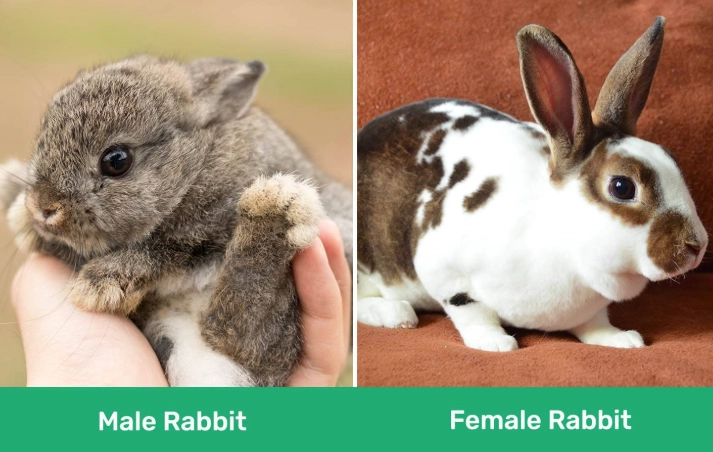
Key Takeaway Right Away: The answer to "what is a female rabbit called?" is a doe. A male is a buck. Baby rabbits are kits or kittens. A group is a fluffle (unofficially adorable) or more formally, a colony or herd.
Beyond the Name: Understanding Rabbit Terminology
Okay, so a female rabbit is a doe. But why that term? It's borrowed from the world of deer, and it's been used for rabbits for centuries. It just stuck. Knowing this term is crucial, especially when you're reading care guides, talking to a vet, or considering breeding (which, as we'll discuss, is a massive responsibility).
But let's get this terminology straight in a simple table. It clears up a lot of confusion at once.
| Term | Refers To | Notes & Common Mix-ups |
|---|---|---|
| Doe | Adult Female Rabbit | This is the direct answer to "what is the female rabbit called?". Not "bunny" (which is a general/cute term) or "rabbitess." |
| Buck | Adult Male Rabbit | Again, like deer. A neutered male is called a lapin in some fancy circles, but mostly just a "neutered buck." |
| Kit or Kitten | Baby Rabbit | Yes, just like cats! A group of babies is a litter. They are born blind and furless. |
| Fluffle | A Group of Rabbits | This is the charming, internet-popularized term. The more formal/scientific terms are a colony or herd. |
| Rabbitry | A Place Where Rabbits are Kept/Bred | This is the proper term for a rabbit farm or breeding operation. |
See? It's not just about memorizing "doe." It's about speaking the language. If you're searching for information online, using the correct term "doe" will get you far more specific and helpful results than just "female rabbit." Try it. Search for "doe nesting behavior" vs. "female rabbit making a nest." The former often leads to breeder or experienced-owner forums with deeper insights.
The Doe's World: Biology, Behavior, and What Makes Her Unique
Calling her a doe is just the start. What does being female actually mean for a rabbit's life, health, and personality? This is where generic rabbit advice starts to fail, and you need specifics.
Physical Differences: More Than Meets the Eye
It can be tricky to sex a rabbit, especially when they're young. Vets or experienced breeders are your best bet. But generally, adult does might have a slightly broader head and body compared to a buck of the same breed, but it's subtle and not reliable. The real differences are internal and hormonal.
A doe has a full reproductive system, including two uterine horns (a bicornuate uterus). This is a key fact. It means she can carry two separate litters from different matings at the same time—a phenomenon called superfetation. Nature is wild, right? This reproductive efficiency is why the phrase "breeding like rabbits" exists.
The Hormonal Rollercoaster: Unspayed Doe Behavior
Here's the big one. An unspayed doe (an "intact" doe) is under the constant influence of hormones. This isn't a judgment, just biology. It leads to behaviors that many owners find challenging:
- Territoriality: This is huge. My doe, Charlie, became a little ninja defending her space (which was my entire living room). She'd grunt, charge, and even nip. It wasn't aggression in the mean sense; it was pure "this is mine!" instinct. She'd also spray urine to mark her territory. Yes, females spray too, and it's pungent.
- Nesting and False Pregnancies: Even without a mate, a doe can go through a false pregnancy (pseudopregnancy). Her body thinks it's pregnant. She'll pull fur from her dewlap (that fluffy chin area) and chest to build a nest. She might become more withdrawn or protective. It's stressful for her and confusing for you.
- Mounting: Yep, female rabbits will mount other rabbits (or even your foot) to assert dominance. It's not a sexual behavior in this context; it's about hierarchy.
- Restlessness and Frustration: That innate drive to mate and breed can make an intact doe seem anxious or difficult to bond with.
Health Risks for the Unspayed Doe
This isn't just about behavior. It's about serious health. An intact doe has a terrifyingly high risk of reproductive cancers. According to the House Rabbit Society, a leading rabbit welfare organization, the incidence of uterine adenocarcinoma (a malignant cancer) in does over the age of 4 can be as high as 60-80%. Let that sink in.
Other risks include pyometra (a life-threatening uterine infection) and the physical toll of repeated pregnancies. Responsible rabbit ownership, for me, absolutely means spaying. It's the single most important decision you can make for a doe's long-term health and happiness. The American Veterinary Medical Association (AVMA) considers spaying and neutering companion animals a key component of preventive healthcare.
Critical Point: If you are asking "what is a female rabbit called?" because you've just gotten one, please, talk to a rabbit-savvy vet about spaying. It's not an optional "nice-to-have." For a pet doe, it's a fundamental part of her care. The risks of not doing it are simply too great.
Caring for Your Doe: A Tailored Approach
So, you have a doe. Whether she's spayed or not, her care has some specific nuances. Let's break it down.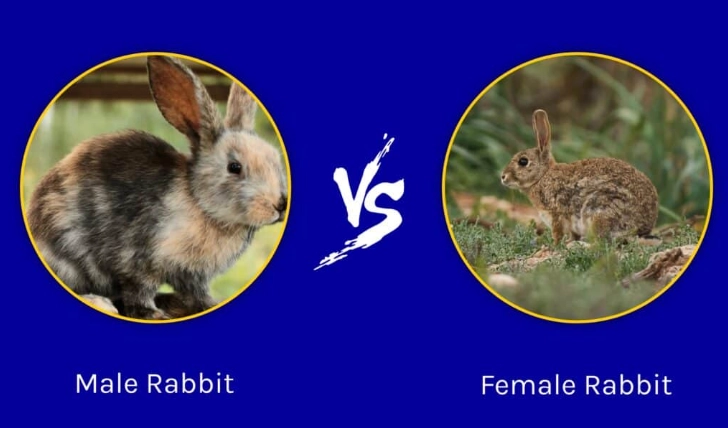
Diet and Nutrition: Fueling a Powerful Body
A doe's nutritional needs are broadly the same as any rabbit's: unlimited hay (Timothy hay is best for adults), a measured amount of quality pellets, and fresh leafy greens. But there's a twist. Does, especially larger breeds or those who have been pregnant, can be prone to developing a larger dewlap.
That dewlap is a fold of skin and fat under the chin. It's perfectly normal and often more prominent in does. However, an overweight doe can have a dewlap so large it interferes with grooming (leading to skin issues) or even eating. Keeping your doe at a healthy weight is crucial. Go easy on the starchy treats (carrots, fruit) and ensure she's getting plenty of exercise.
Housing and Enrichment: Space to Be a Rabbit
Rabbits need space. A cage is never enough. For a doe, particularly one with territorial instincts, space is even more critical to prevent frustration. A large exercise pen (x-pen) or a fully rabbit-proofed room is ideal.
Provide plenty of hiding spots (boxes, tunnels) and things to destroy (cardboard, untreated wood). Digging is a powerful instinct. A digging box filled with shredded paper or child-safe sand can save your carpets. If your doe is prone to nesting, you might find she rearranges her bedding obsessively. That's her inner architect at work.
Fun Fact: A doe's territorial nature can make her an excellent "watch-bunny." She'll often be the first to thump at a strange noise or investigate a change in her environment. It's not paranoia; it's leadership!
Social Needs: Bonding a Doe
Rabbits are social. The best companion for a rabbit is another neutered rabbit. Bonding a doe has its own dynamics.
- Spayed Doe with Neutered Buck: This is often considered the "golden pair." The male's calmer demeanor can balance a doe's more assertive personality. It's a classic combo that frequently works well.
- Two Spayed Does: This can work beautifully, but it may require more careful bonding. Two dominant personalities might clash initially. Neutral territory and patience are key.
- Never bond an intact doe with anyone. The hormonal drive will almost certainly lead to fighting, stress, and unwanted litters.
The bonding process is slow. It's not just plopping them together. It involves neutral space, short supervised dates, and watching for signs of acceptance (grooming, lying down together) versus rejection (chasing, fur pulling). The House Rabbit Society's bonding guide is an indispensable resource I used myself.
The Big Topic: Breeding and Reproduction
If you're asking "what is a female rabbit called?" in the context of breeding, this section is for you. And my first, strongest piece of advice is: don't. Not unless you are working with an experienced mentor, have a solid plan for every single kit, and are prepared for the immense responsibility and potential heartbreak.
Rabbit overpopulation is a real problem. Shelters are full of unwanted rabbits. Breeding should be left to ethical, knowledgeable breeders who are working to improve a breed with clear goals, not to produce cute babies.
But for understanding, let's look at the facts.
The Reproductive Timeline of a Doe
A doe can reach sexual maturity as early as 3-4 months for small breeds, and 5-6 months for larger ones. She has no regular heat cycle like a dog or cat; she is an induced ovulator. This means she releases eggs in response to mating. It makes her almost constantly receptive.
- Gestation: Pregnancy lasts about 28-31 days. It's very short.
- Litter Size: Can vary wildly from 1 to 14 kits, depending on breed. The average is 4-8.
- Kindling: This is the term for giving birth. It's usually quick and happens in the early morning. The doe will pull fur to line the nest.
- Weaning: Kits start nibbling solid food around 3 weeks but aren't fully weaned until 6-8 weeks.
- Re-breeding: A doe can be re-bred immediately after kindling. This is extremely taxing on her body and is a practice frowned upon by ethical breeders.
The responsibility is staggering. You need to be prepared for complications like a doe rejecting her kits, mastitis (infection of the mammary glands), or the need to hand-rear babies, which is incredibly difficult with rabbits.
Common Questions About Female Rabbits (Does)
How can I tell if my rabbit is a doe?
For adults, gently press above the genital area. In a buck, a penis may protrude. In a doe, you'll see a slit-like vulva. For babies, it's very difficult. The distance between the anus and genital opening is slightly smaller in a doe, but it's a minute difference. When in doubt, ask a vet. Mis-sexing is incredibly common.
Do female rabbits smell?
Not inherently. A spayed doe kept in a clean habitat has very little odor. An unspayed doe's urine, used for marking, has a much stronger, muskier smell. That's the hormones talking.
Are female rabbits more aggressive?
Not more aggressive, but often more territorial and assertive, especially when intact. A spayed doe's personality is individual. Some are laid-back, some are divas. Spaying removes the intense hormonal drive that leads to most defensive behaviors.
Can a female rabbit live alone?
Physically, yes. But it's not ideal for her well-being. Rabbits are social. A lone rabbit requires a tremendous amount of daily interaction from its human to prevent loneliness and boredom, which can lead to depression and destructive behaviors. A bonded partner is always the better choice.
What is the lifespan of a female rabbit?
A well-cared-for, spayed indoor doe can live 8-12 years, sometimes longer. Spaying dramatically increases life expectancy by eliminating the risk of reproductive cancers.
Wrapping It Up: The Doe in Your Life
So, what is a female rabbit called? A doe. But she's so much more than a word. She's a complex, intelligent, and often wonderfully strong-willed creature. Understanding her biology—the hormonal currents, the health imperatives, the social drives—is the key to a happy life together.
Whether you're a new owner who just learned the term or an experienced one looking to deepen your knowledge, respecting the doe for what she is forms the foundation of great rabbit care. It means choosing to spay for her health. It means providing space for her instincts. It means finding her a friend. It means looking past the cute nose and twitchy whiskers to see the whole animal.
My journey with Charlie taught me that. She wasn't just a rabbit; she was a doe. And understanding that difference made all the difference in the world. I hope this guide helps you understand your own doe a little better, too. They're fascinating animals, and sharing your home with one is a unique and rewarding experience.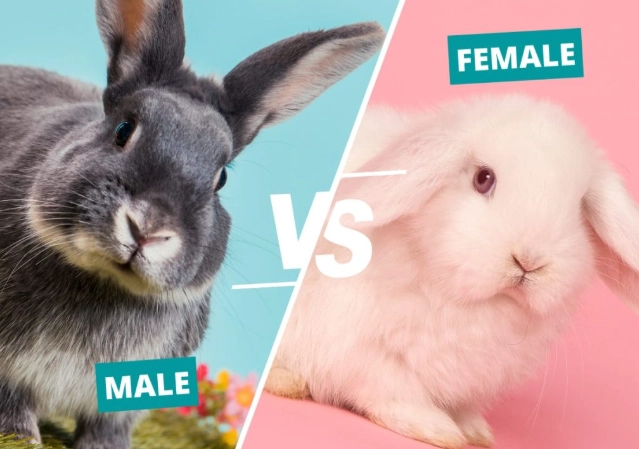
Comment