In This Guide
Let's be real for a second. The idea of a free-roaming, perfectly house-trained rabbit sounds like a dream, doesn't it? You picture this fluffy companion hopping around your living room, responsibly using its litter box, leaving no little “presents” behind your couch. Then you get the bunny, and reality hits. Those little cocoa puff-like droppings seem to multiply everywhere, and the smell… well, it can be a thing.
I've been there. I remember finding my first rabbit, Thumper, happily pooping on my pillow. My pillow! It felt like a personal insult. But here's the good news I wish I knew back then: learning how to house train a rabbit is not only possible, it's often easier than people think. Rabbits are naturally clean animals with specific habits we can work with. The trick isn't forcing them, but guiding their instincts.
This isn't about a quick fix. It's about understanding the *why* behind their behavior so the *how* makes sense. We'll ditch the frustration and build a method that actually works for both of you. So, if you're tired of the guesswork and ready for a cleaner co-existence, you're in the right place.
Why Your Rabbit's Brain is Already Wired for This
Before we buy a single litter box, we need to get inside your rabbit's head. This is the most skipped step, and it's why many people fail. Rabbits aren't being “naughty” when they poop everywhere. They're communicating, marking, and following deep-seated instincts.
In the wild, rabbits use specific latrine areas to avoid attracting predators to their main living space. They also scatter droppings as territorial markers. Your home is their territory. So when they leave a few pellets by the door or on the couch, they're essentially putting up a “Bunny Lives Here” sign. The goal of house training a rabbit is to convince them that the litter box is their primary latrine *and* the heart of their territory.
Another huge factor? Spaying or neutering. This is non-negotiable for reliable training. Unfixed rabbits are hormonal marking machines. Urine spraying and frequent poop scattering are their main tools for claiming space and signaling availability. A fixed rabbit is calmer, less territorial, and far more interested in keeping a clean home base. Organizations like the House Rabbit Society stress this as the single most important step for behavior and health. If your bunny isn't fixed yet, view training as an advanced preview. The real consistency comes after the surgery.
Gathering Your Rabbit House Training Toolkit
You wouldn't build a house without tools, right? Same idea here. Getting the right supplies makes the process smoother for you and clearer for your rabbit.
The Litter Box: Bigger is Always Better
That tiny corner litter box from the pet store? Forget it. Rabbits need space to turn around, dig a little, and sit comfortably. I made the mistake of starting with a small one, and Thumper would sit with half his body hanging out, which kind of defeated the purpose. A large cat litter pan, a shallow storage tub, or even a small under-the-bed storage box are perfect. High sides in the back, a low cut-out in the front for easy access.
The Litter: Safety is Everything
This is critical. Rabbits have sensitive respiratory systems and will nibble on anything. Clay clumping litter is dangerous if ingested and dusty. Pine or cedar shavings release phenols that can damage their liver and lungs. The ASPCA recommends avoiding these common but hazardous choices.
So what works? You want something absorbent, dust-free, and safe if munched on.
| Litter Type | Pros | Cons | Best For |
|---|---|---|---|
| Paper-Based Pellets (e.g., Yesterday's News, Carefresh) | Highly absorbent, controls odor well, very low dust, generally safe if ingested. | Can be more expensive, may not be as soft on feet. | Most situations; excellent all-rounder. |
| Aspen Shavings | Natural, affordable, absorbent, safe for rabbits (unlike pine/cedar). | Can be messy, may track more, less odor control than paper pellets. | Budget-friendly option. |
| Hay on Top Method (Layer of litter, then pile of hay) | Encourages litter box use (they eat and poop), natural. | Can be wasteful as hay gets soiled, requires frequent refreshing. | Fussy eaters or rabbits reluctant to use the box. |
My personal setup? Paper pellets at the bottom, a generous handful of hay in one corner of the box. It works like a charm.
Hay, Hay, and More Hay
This is your secret weapon. Place a fresh, abundant pile of hay directly in or right next to the litter box. Rabbits love to munch and poop simultaneously. It's their version of reading the newspaper on the toilet. Making the litter box the most appealing snack spot in the room is a genius hack.
The Step-by-Step Plan: How to House Train Your Rabbit
Okay, tools are ready, mindset is set. Let's get to the actual training. This isn't a one-weekend miracle. Plan for a few weeks of consistent effort, especially with a new or young rabbit.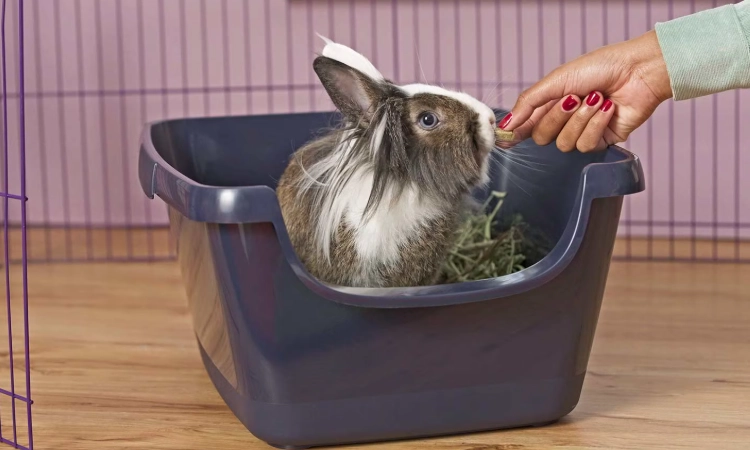
Step 1: Start Small (The Confinement Phase)
Give your rabbit free run of the whole house on day one, and you're asking for trouble. Start in a small, easy-to-clean space. An exercise pen (x-pen) attached to their cage is ideal, or a small bathroom. Place the litter box in one corner, their food/water and hay in another. Rabbits naturally don't want to soil their eating area, so they'll usually choose the farthest corner for business. Observe where they naturally go, and if it's not the box, move the box to *that* spot. Work with them, not against them.
Keep them in this small zone until they are reliably using the litter box (aim for 80-90% accuracy). This might take a few days to a week.
Step 2: The Clean-Up Strategy
You will find accidents. How you handle them is key. Never punish or rub their nose in it. This only creates fear, not understanding.
- For poop: Scoop up the stray pellets and place them in the litter box. This deposits their scent where you want it. It's a signal: “The bathroom is here.”
- For urine: Soak it up with a paper towel and place that towel in the litter box. Then, clean the soiled area thoroughly with a white vinegar and water solution (50/50 mix). Vinegar neutralizes the urine smell to *your* nose, but a faint scent may remain for them, reinforcing that spot. Enzymatic cleaners designed for pet urine are even better for彻底消除 odors.
Step 3: Gradual Freedom Expansion
Once they're consistent in the small space, open up access to one new room. Block off hard-to-clean areas (under beds, behind bookshelves). Place a second litter box in the new room, especially in the far corner. Continue the hay-in-box method.
Watch them closely. If they have an accident in the new room, it often means you expanded too quickly. Gently herd them back to their familiar zone for another day or two before trying again. It's a dance of trust and patience.
Step 4: Reading the Signs and Positive Reinforcement
Rabbits often give subtle cues before they go. They might lift their tail, back into a corner, or get a certain focused look. When you see this, you can gently say “Litter box?” and guide them to it. When they do use it correctly, offer a tiny, healthy treat (a small piece of cilantro or a bit of banana) and gentle praise. Positive reinforcement builds a positive association.
The ultimate goal of how to house train a rabbit is to make the litter box the most logical, comfortable, and rewarding place for them to go.
Troubleshooting Common Rabbit House Training Problems
Even with the best plan, you might hit snags. Here's how to decode and fix the most common issues.
Problem: Pooping Everywhere, But Peeing in the Box
This is almost always territorial marking, not a bathroom accident. Those hard, dry pellets are scent markers. It's especially common in unfixed rabbits, new environments, or if there are other pets. The solution? More thorough cleaning of marked areas with an enzymatic cleaner, ensuring they are spayed/neutered, and sometimes, adding a few more litter boxes in “hot spot” areas to claim them properly.
Problem: Sleeping or Hanging Out in the Litter Box
Don't panic! This is normal, especially for a nervous rabbit. The litter box, filled with their scent, feels like a safe den. It's a compliment to your setup, not a failure. Just make sure it's clean enough. If it becomes a permanent bed, you might need to provide a cozier, enclosed hidey-hole elsewhere to give them an alternative safe space.
Problem: Suddenly Ignoring the Litter Box
This is a red flag. A previously well-trained rabbit who starts having accidents could be telling you something is wrong. The first stop is always the vet. Urinary tract infections, bladder sludge, arthritis (making it painful to hop into the box), or other illnesses can cause this. Rule out medical issues first. Resources like VIN's Veterinary Partner can provide vet-authored info on these conditions.
Advanced Tips and Fine-Tuning
You've got the basics down, and things are going well. Here's how to get from “good” to “flawless.”
- Multiple Bunnies: Each rabbit should have its own litter box, plus one extra. So, for two rabbits, have at least three boxes. They have hierarchy and might not want to share.
- Deep Clean vs. Spot Clean: Scoop out soiled litter daily. Do a complete litter change and scrub the box with vinegar weekly. But always leave a handful of soiled, dry litter or a few old poops in the clean box. It preserves their scent map, telling them “this is still your bathroom.”
- The “Problem Corner”: If your rabbit is obsessed with one wrong corner, try putting their food bowl there. Rabbits hate eating where they toilet. Or, place a piece of furniture, a rug, or their hidey-house there to change the space's function.
So, is it really possible to fully house train a rabbit? In my experience, yes—but with a caveat. You'll likely always find the occasional stray pellet. It's just a bunny thing, a little territorial “hello.” The urine, however, should be 99.9% in the box. That's the real measure of success.
Answering Your Rabbit House Training Questions
How long does it take to litter train a rabbit?
It varies wildly. A fixed, adult rabbit in a calm home might get it in a week. A young, unfixed bunny in a busy household might take a month or more of consistent work. The average is 2-4 weeks of dedicated training.
Can older rabbits be litter trained?
Absolutely! Age is not a barrier. In fact, older, calmer rabbits can sometimes learn faster than energetic youngsters. The same steps apply.
My rabbit only uses the box sometimes. What am I doing wrong?
Probably expanding their space too quickly. Go back to a smaller area, reinforce perfect habits there, and then expand slower this time. Also, double-check the litter type and box size—maybe they just don't like the setup.
Why does my rabbit pee right next to the box?
This is often a box cleanliness issue. If it's too dirty for their standards, they'll go next to it. Try cleaning it more frequently. It could also be that the sides are too high, and it's uncomfortable for them to hop in (common with older or arthritic bunnies).
Look, the journey of how to house train a rabbit has its ups and downs. There will be days you step on a wet spot and sigh. But there will be more days where you watch your bunny hop confidently to their box, do their business, and hop out to play, and you'll feel a real sense of accomplishment. You've learned their language, and they've learned to trust your guidance.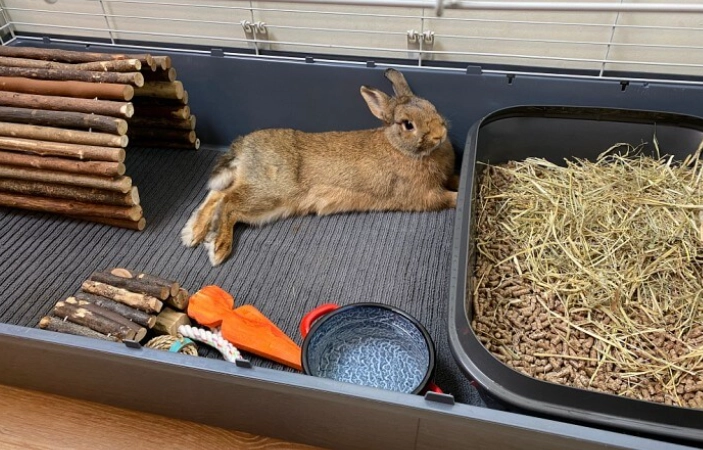
It builds a bond. It makes sharing your home with this wonderful, quirky creature not just manageable, but truly joyful. You're not just creating a cleaner house; you're building a better, more understanding relationship with your rabbit. And that's worth every bit of the effort.
Start with their biology, be patient with the process, and consistent with your setup. You've got this.
Comment