Quick Navigation
- Why Asking "Do You Bathe a Rabbit?" is The Right First Question
- When Might a "Bath" Be Considered? (The Rare Exceptions)
- The "Safe Zone" Guide: How to Clean a Rabbit Without a Bath
- The Last Resort Protocol: If You Absolutely MUST Get Them Wet
- What About Dry Shampoo or Pet Wipes?
- Your Rabbit Grooming Checklist (The Bath-Free Way)
- Common Questions (That Go Beyond "Do You Bathe a Rabbit?")
So you're looking at your fluffy bunny, maybe they've had a little accident or just seem a bit grubby, and the question pops into your head: do you bathe a rabbit? It feels like a natural thing to wonder. We bathe dogs, cats sometimes need help, so surely a rabbit could use a soak now and then, right?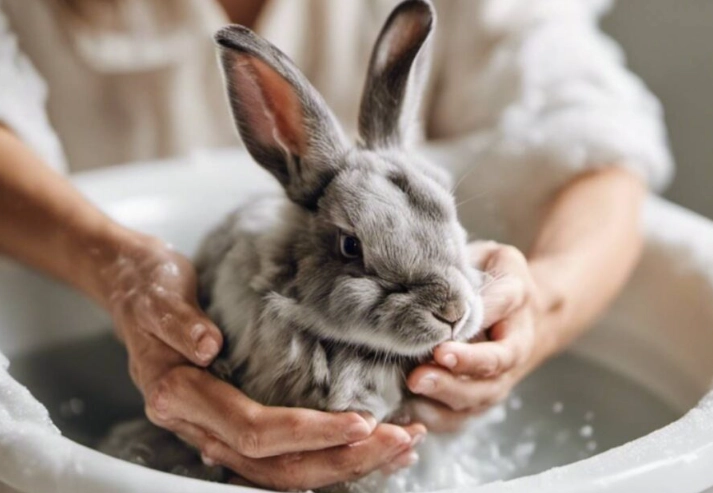
I've been there. Years ago, with my first rabbit Thumper, I thought a quick bath was the solution to a messy bottom. It was a disaster. The stress, the shaking, the panic – it scared me more than it scared him, I think. It was a harsh lesson that sent me down a rabbit hole (pun intended) of research and conversations with exotic vets.
The short, blunt answer? Almost never.
The long answer, the one that really matters for your bunny's health and your peace of mind, is what this whole article is about. We're not just going to say "no" and leave you hanging. We're going to dig into the why, explore the massive risks, and then – crucially – give you a ton of safe, effective things you can do instead. And for that tiny, tiny fraction of situations where a bath-like procedure might be unavoidable, we'll walk through the only safe way to attempt it. Let's get into it.
Core Takeaway: The overwhelming consensus from veterinarians and rabbit welfare organizations like the Rabbit Welfare Association & Fund (RWAF) is that submerging or fully bathing a rabbit is extremely stressful and hazardous. Rabbits are not built for baths.
Why Asking "Do You Bathe a Rabbit?" is The Right First Question
It shows you're thinking and you care. The instinct to want a clean pet is a good one. But with rabbits, our human solutions often create bigger problems. Understanding their biology is key.
Rabbits are prey animals. Their entire wiring is built around sensing and fleeing danger. Being picked up, restrained, and plunged into water triggers a profound fear response. This isn't just them being "dramatic"; it's a flood of stress hormones that can literally cause harm.
Then there's the physical stuff. Their fur is dense. Getting it completely soaked means it takes forever to dry. A damp rabbit is a cold rabbit, and rabbits are terrible at regulating their temperature once chilled. Hypothermia is a real risk. On top of that, moisture trapped against the skin is a VIP ticket for dermatitis, fungal infections (like ringworm), and nasty sores.
And let's not forget grooming. Rabbits are obsessive self-cleaners. They spend hours grooming themselves and their bonded partners. Introducing soaps or shampoos – even pet ones – can disrupt the natural oils on their skin and fur. Worse, if they ingest residue while grooming, it can cause serious digestive upset. Their gut biome is delicate.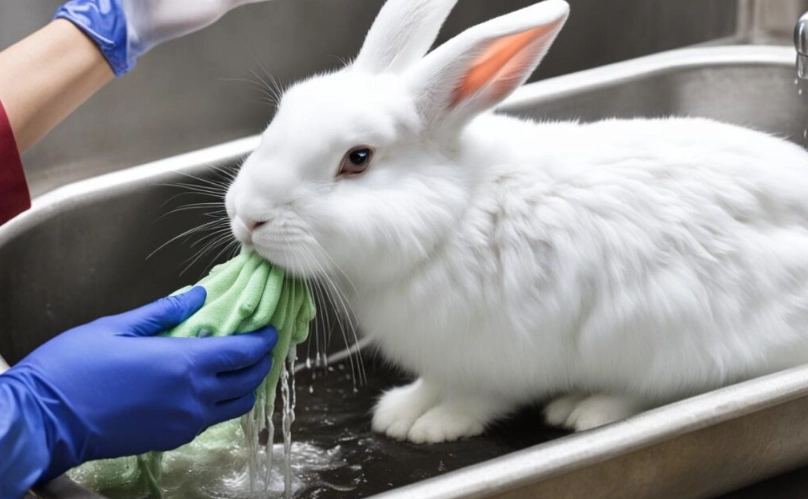
So when you ask, do you bathe a rabbit, the foundation of the answer is built on risk aversion. It's usually more about what you shouldn't do.
The Risk Breakdown: Here’s a quick table to show why the answer to "do you bathe a rabbit" is so often a hard no.
| Risk Factor | Why It's Dangerous | Potential Consequence |
|---|---|---|
| Stress & Shock | Prey animal instinct; intense fear can trigger a release of catecholamines. | Heart failure, injury from thrashing, lasting trauma. |
| Hypothermia | Dense fur retains water, drying is slow; rabbits lose body heat rapidly. | Lethargy, organ failure, death. |
| Skin Issues | Moisture gets trapped against skin, disrupting natural oils and pH. | Dermatitis, bacterial/fungal infections, painful matting. |
| Ingestion of Chemicals | Rabbit will groom itself after; ingests shampoo or soap residue. | GI stasis, poisoning, disruption of cecal flora. |
| Inhalation of Water | Struggling can lead to water getting into nose/lungs. | Pneumonia, respiratory infection. |
See what I mean? The list is scary. I learned most of this the hard way, after my misadventure with Thumper. The guilt stuck with me. Nowadays, when someone asks me do you bathe a rabbit, my first reaction is to gently explain these risks. It's not about being a know-it-all; it's about preventing that panic for someone else.
When Might a "Bath" Be Considered? (The Rare Exceptions)
Okay, so we've established the rule. But life is messy. Are there any exceptions where you might have to do something that resembles bathing a rabbit?
Yes, but they are medical or extreme cleanliness emergencies, not routine care. Think of these as "spot-cleaning or assisted washing procedures," not fun bath time.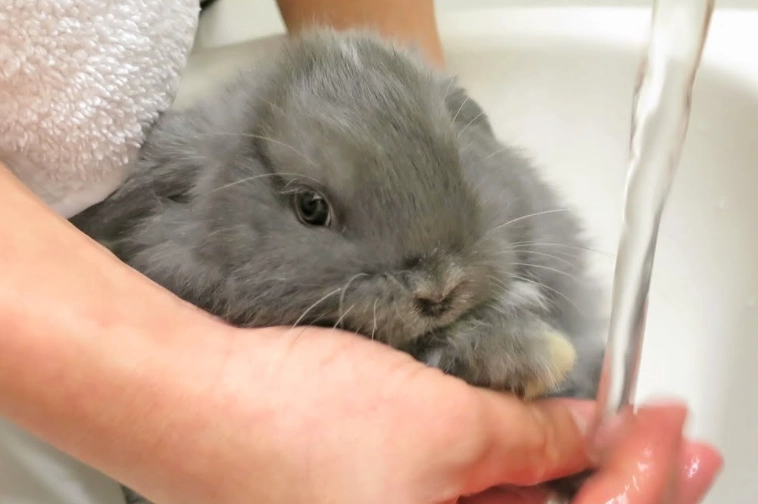
Medical Necessity
This is the big one. A veterinarian might prescribe a medicated wash for specific conditions like parasitic infestations (e.g., mites) or certain skin infections. In these cases, they will give you specific instructions on the product (often a dilute chlorhexidine or miconazole solution) and method. The key here is veterinary guidance. You're not deciding to bathe your rabbit; your vet is prescribing a treatment.
Severe Soiling
This usually means a rabbit with diarrhea or a mobility issue (like arthritis or splay leg) who cannot clean themselves and has become severely soiled. Urine or fecal matter caked on the skin can cause urine scalding, a painful condition. In this scenario, the goal isn't a full bath, but a very targeted, gentle cleaning of the affected area to prevent a medical crisis.
Even then, the question morphs from "do you bathe a rabbit" to "how do I safely clean a specific, soiled area without causing stress or chilling?" The approach is completely different.
If your rabbit is frequently soiled, that's a red flag. The bath isn't the solution; finding the cause is.
Diet (too many sugary treats, not enough hay), pain, obesity, or an underlying illness are likely culprits. A trip to a rabbit-savvy vet is worth a thousand baths. The House Rabbit Society maintains a list of recommended veterinarians, which is a great place to start if you're unsure.
The "Safe Zone" Guide: How to Clean a Rabbit Without a Bath
This is the good stuff. This is what you actually can do. Forget the tub; your toolkit is much simpler.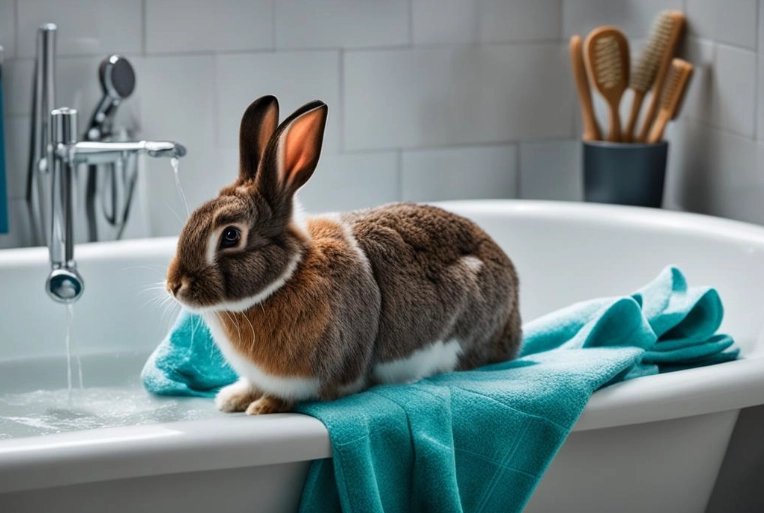
For Spot Cleaning (The Most Common Need)
Let's say your bunny has a dirty foot or a bit of poop stuck to their fur (we call those "poop berries" in our house).
- Cornstarch or Cornstarch-Based Powder: This is magic. Sprinkle a little on the matted or soiled spot. It helps to absorb moisture and loosen the debris. Gently work it in with your fingers.
- Damp Cloth, Not Soaking: Use a soft washcloth or cotton pad dampened with warm water. Wring it out completely—it should be barely damp to the touch. Gently wipe the soiled area.
- Fine-Toothed Comb or Brush: After the area is clean and mostly dry, use a comb to gently tease apart any slightly matted fur.
- Dry Thoroughly: Pat the area dry with a soft, absorbent towel. You can even use a hairdryer on the coolest, lowest setting, held at least a foot away, to ensure the area is completely dry. Move it constantly and watch for any signs of stress.
The goal is localized, minimal moisture. You're not bathing the rabbit; you're helping with a specific cleanup.
For General Cleanliness and Odor Control
If you're worried about your rabbit smelling or just want them to be clean, baths are the worst solution. Here's what works:
- Regular Brushing: This is the number one thing. A daily or every-other-day brush with a slicker brush and a weekly go-over with a shedding comb removes loose fur, dirt, and dander. It stimulates their skin and distributes natural oils. A well-brushed rabbit is a clean rabbit.
- A Clean Living Environment: This is huge. Spot-clean their litter box daily. Change their bedding regularly. A rabbit living in a clean space stays cleaner. It's that simple.
- Proper Diet: A diet based on unlimited hay (85-90%) keeps their digestive system running smoothly, which means firmer, less-messy cecotropes (the special nighttime droppings they eat). Fewer digestive issues mean a cleaner backend.
- Bonded Buddies: Rabbits groom each other meticulously. A bonded pair will keep each other's faces, ears, and hard-to-reach spots sparkling clean.
I spend more time brushing my two current bunnies, Mochi and Bean, than I ever spent worrying about baths. They have a routine, they enjoy it (mostly – Bean tolerates it), and their coats are soft, shiny, and clean. It's preventative care, and it works.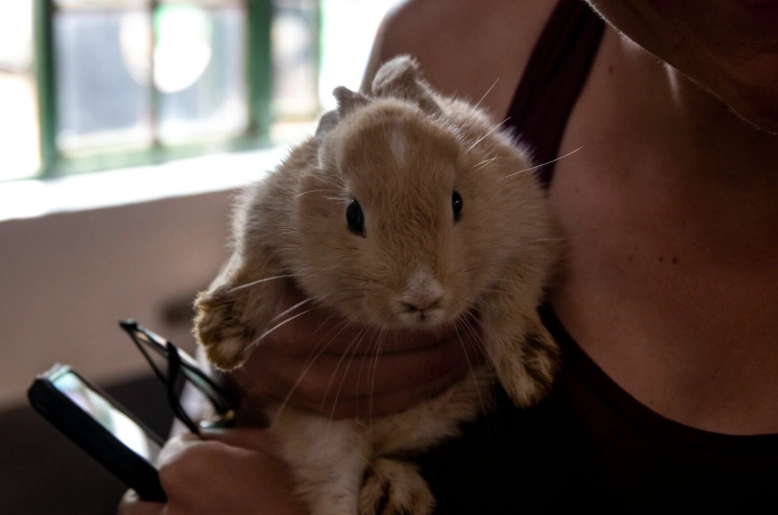
The Last Resort Protocol: If You Absolutely MUST Get Them Wet
Let's say you're in one of those extreme situations – severe, vet-acknowledged soiling that spot-cleaning can't fix. Here is the meticulous, slow, safety-first protocol. This is not a casual undertaking.
Disclaimer: This guide is for informational purposes. If at all possible, have a vet or vet tech demonstrate this first. Your rabbit's safety is paramount.
- Prepare Your Battle Station: Do this in a small, warm, draft-free room like a bathroom. Close the toilet lid! Have everything within arm's reach:
- A soft towel on the floor for grip.
- Several dry, clean towels.
- A pitcher or jug of very warm (not hot) water.
- A small bowl with a vet-approved cleanser if needed (like dilute chlorhexidine).
- Cotton balls and soft cloths.
- A helper. You seriously need two people. - The "Bath" Itself (It's Not a Bath): Do NOT fill a sink or tub. Place your rabbit on the towel. One person's job is to gently but securely hold and comfort the rabbit, keeping their head covered lightly with a dry towel to reduce stress. The other person does the cleaning.
Using the pitcher, gently pour a small stream of warm water only over the soiled area. Or, use a thoroughly wrung-out wet cloth. The goal is to wet only the minimum amount of fur necessary. Use your fingers to gently work out the mess. - The Critical Dry-Off: This is the most important part. Immediately wrap the wet rabbit in a dry towel. Gently blot and soak up water. Do not rub vigorously. Replace with a second dry towel. Keep them wrapped up.
- Complete Drying: Use a hairdryer on the COOL or LOW WARM setting. Hold it far away (12+ inches) and keep it moving constantly. Test the heat on your own skin first. Dry the area completely, then keep checking. Part the fur to see if the skin is dry. Any dampness at skin level is a problem. This can take 20-30 minutes.
- Post-Procedure Care: Place the rabbit in a warm, familiar, clean enclosure with plenty of hay and water. Monitor them closely for several hours for signs of shock (lethargy, not eating) or chilling (shivering). Offer a favorite treat to rebuild positive associations.
It's exhausting, stressful for everyone, and frankly, I hope you never have to do it. This protocol exists for emergencies, not for answering a casual "do you bathe a rabbit" query.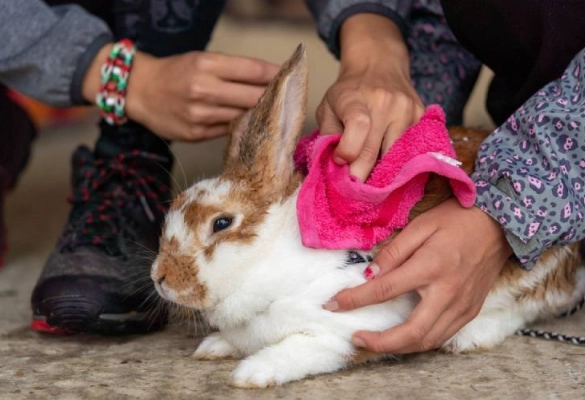
What About Dry Shampoo or Pet Wipes?
This is a common follow-up question. The market is full of products, but you have to be picky.
Dry Shampoos: Generally not recommended. The powders can be inhaled by the rabbit, causing respiratory issues. If they groom it off, who knows what's in it? I've tried one brand marketed for small animals, and the perfume smell was so strong it made me sneeze. My rabbits avoided each other for an hour after because they smelled weird. Not a success.
Pet Wipes: These can be useful if they are unscented, alcohol-free, and designed for sensitive skin. Use them like the damp cloth method: for spot cleaning only. Wipe a small area and then dry it. Don't wipe the whole rabbit down; it can still chill them and they'll ingest the residue. Read the ingredients carefully.
My personal stance? A bag of cornstarch and a pack of plain, sensitive-skin baby wipes (fragrance-free) are cheaper, safer, and more effective than most specialized products. But even then, use them sparingly.
Your Rabbit Grooming Checklist (The Bath-Free Way)
Let's summarize everything you should be doing into a simple checklist. This is your anti-bath routine.
- Daily/Every Other Day: Quick full-body brush with a slicker brush.
- Weekly: Thorough brushing session, including with a de-shedding tool during molting seasons. Check nails, teeth (as best you can), and the scent gland under the chin (a waxy buildup can occur).
- As Needed: Spot clean with cornstarch and a damp cloth. Trim nails every 4-6 weeks.
- Constantly: Ensure unlimited timothy hay (or other grass hay) is available. Keep the litter box and living space clean.
- Annually/Biannually: Wellness check with a rabbit-savvy veterinarian.
After my early mistake, I made this checklist and stuck it on my fridge. It turned rabbit care from a series of panic responses (“Oh no, he's dirty!”) into a calm, manageable routine. Mochi and Bean are healthier for it, and I'm a much less anxious bunny parent.
Common Questions (That Go Beyond "Do You Bathe a Rabbit?")
My rabbit got wet in the rain/is damp. What do I do?
Same principle: dry them immediately and thoroughly. Use towels and a cool hairdryer. Get them warm. Offer a warm (not hot) water bottle wrapped in a towel to snuggle against. Monitor them.
Can I use baby shampoo or dog shampoo in a pinch?
No. Their pH balance is wrong for rabbit skin. Even "gentle" baby shampoo isn't formulated for an animal that will ingest it while grooming. It's a major risk for GI issues. Don't do it.
How do I clean a rabbit's scent glands?
Rabbits have scent glands under their chin and near their anus. The chin ones usually stay clean via rubbing. The anal glands can accumulate a brown, waxy, smelly substance. This is a job for cotton buds (Q-tips) dipped in warm water or a mild saline solution. Gently wipe the visible buildup from the tiny folds. If you're unsure, ask your vet to show you during a checkup. It's a delicate area.
What if my rabbit smells bad even when clean?
Investigate. A strong urine smell could mean a urinary tract infection or a diet too high in calcium. A general foul odor could be from dirty scent glands, dental problems causing drooling, or an infection. A sweet, fruity smell can indicate serious conditions like ketoacidosis from unmanaged dental disease. The smell is a symptom. See a vet.
Are some rabbit breeds okay with water?
You might see videos of "swimming" rabbits. These are extreme outliers and are often breeds like the Swamp Rabbit, which is a wild species. Your domestic dwarf, lop, or rex is not biologically adapted for it. Even if one individual seems tolerant, the physical risks (chilling, skin issues, ingestion) remain. It's not worth the gamble.
So, do you bathe a rabbit?
I think you know the answer now. It's a practice shrouded in so much risk that it should be virtually erased from the pet rabbit care playbook. The question itself is a gateway to understanding a much better way of caring for these delicate, wonderful creatures.
Focus on what keeps them clean from the inside: good food, good grooming, and a good, clean home. Save the water for their drinking bottle. Your rabbit will thank you with years of healthy, happy binkies – and you'll never have to see that look of terrified betrayal in their eyes again.
Trust me on that last part. It's not a memory you want.
Reader Comments