Quick Guide
- The Basics of Rabbit Sleep: What Every Owner Needs to Know
- Understanding the Rabbit Sleep Cycle
- Where and How: Rabbit Sleeping Positions Decoded
- Your Burning Questions Answered: Rabbit Sleep FAQ
- How to Help Your Rabbit Sleep Better (A Practical Checklist)
- Common Sleep-Related Problems and What They Mean
Let's cut right to the chase. If you're a new rabbit owner staring at your wide-eyed pet at 3 AM, you've probably asked yourself this exact question. Do rabbits sleep at all? They seem to be perpetual motion machines, always alert, nose constantly twitching. I remember when I first got my rabbit, Thumper, I was convinced he was an insomniac. It took me weeks of quiet observation (and a bit of worrying) to figure out his rhythm.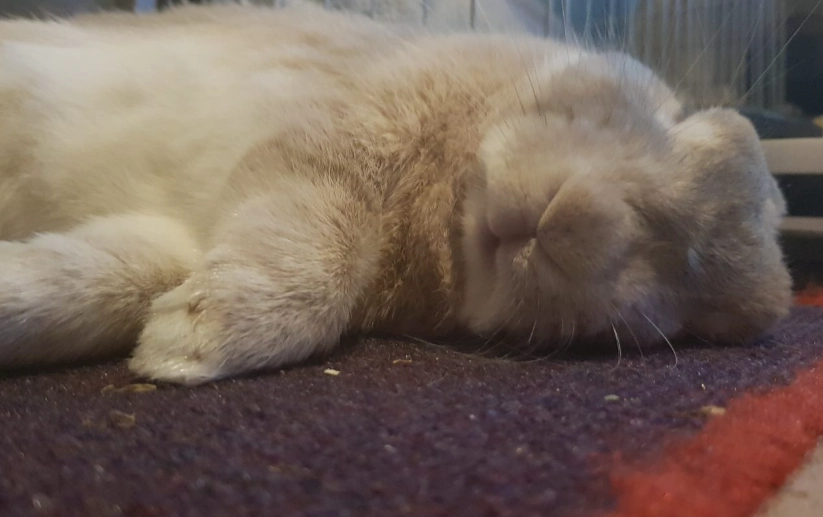
The short, and perhaps surprising, answer is a resounding yes. Rabbits do sleep, and quite a lot actually. But here's the kicker – they don't sleep like we do, or even like dogs or cats. Their sleep patterns are a fascinating adaptation rooted in their survival instincts as prey animals. Understanding this isn't just trivia; it's crucial for providing a stress-free, healthy environment for your bunny. A rabbit that feels safe enough to sleep soundly is a happy, healthy rabbit.
The Core Truth: The question "do rabbits sleep" has a simple answer, but the "how" and "why" are where things get interesting. Their sleep is a masterclass in evolutionary adaptation.
The Basics of Rabbit Sleep: What Every Owner Needs to Know
Before we dive into the deep end, let's establish the foundation. Rabbit sleep is shrouded in mystery for many because it defies our expectations.
Do Rabbits Close Their Eyes When They Sleep?
This is a huge point of confusion. Sometimes they do, sometimes they don't. And that's perfectly normal. In light sleep or naps, rabbits often keep their eyes open or half-open. This allows them to maintain a level of environmental awareness. A sudden movement or sound, and they're instantly "on." It's a low-energy rest state, but not deep sleep.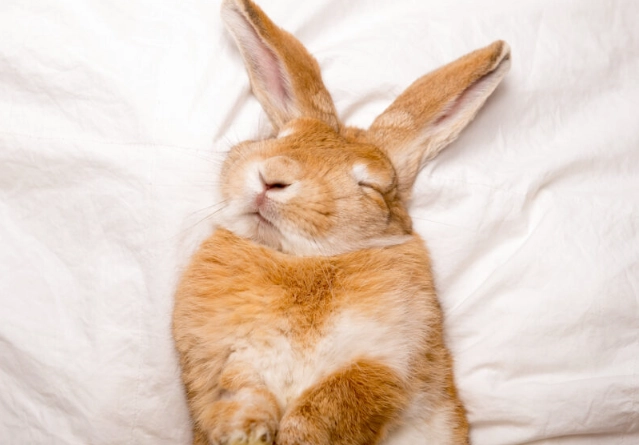
When a rabbit enters a truly deep sleep, they will usually close their eyes. This is when they feel maximally secure. Seeing your bunny with eyes closed, possibly twitching or grinding its teeth softly, is a sign of ultimate trust. You've created a safe space.
How Long Do Rabbits Sleep?
Hold onto your hats. On average, domestic rabbits sleep between 8 to 12 hours per day. Some sources, like the RSPCA, note that as crepuscular animals (most active at dawn and dusk), their sleep is broken up into many shorter periods throughout the 24-hour cycle, rather than one long block.
Think of it like this: they take multiple "cat naps" (or should we say "bunny naps") that add up to a significant total. This pattern allows them to conserve energy during the day when predators might be active and during the dead of night, reserving their alert, active periods for the safer twilight hours.
Sleep duration can vary. Younger rabbits and kits (babies) sleep more, as growth is exhausting. Older, more relaxed rabbits in secure homes might also log more snooze time. The environment is everything.
Understanding the Rabbit Sleep Cycle
Rabbit sleep isn't a uniform state. It has layers, just like human sleep.
Rabbits experience both REM (Rapid Eye Movement) and non-REM sleep. REM sleep is the deeper, dream-filled phase. You might see your rabbit's nose twitch less, its body fully relaxed, and its feet or whiskers give little jerks or twitches. Some people call this "dead bunny flop" mode, which is a terrible name for an adorable and trusting state.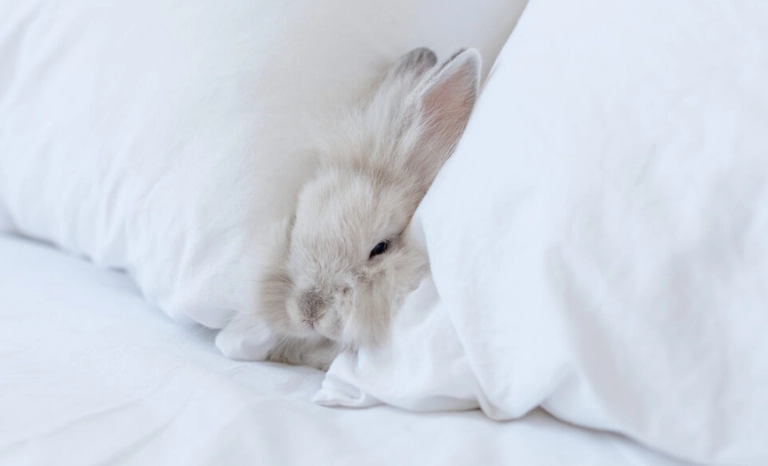
Non-REM sleep is lighter. The rabbit is still, breathing steady, but more aware. This is where the open-eye naps usually happen.
Here’s a quick comparison to human sleep, which highlights why the question "do rabbits sleep" can be so confusing:
| Sleep Aspect | Rabbits | Humans |
|---|---|---|
| Primary Pattern | Crepuscular (naps throughout day/night) | Monophasic (one long period at night) |
| Total Daily Sleep | 8-12 hours (in fragments) | 7-9 hours (consolidated) |
| Eye State | Often open during light sleep | Almost always closed |
| Alertness Trigger | Extremely fast (prey instinct) | Relatively slow |
| Deep Sleep Signs | Twitching feet/whiskers, tooth grinding, eyes closed | Reduced movement, REM, dreaming |
The table makes it clear. Asking if rabbits sleep is like asking if a submarine flies. It operates in a completely different medium with different rules. Their system is built for survival first, comfort second.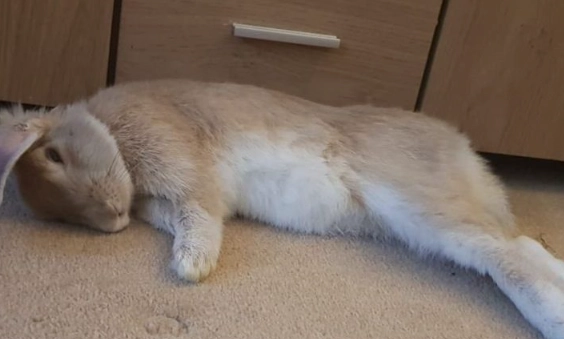
A Word of Caution: That "extremely fast" alertness is why you should never startle a sleeping rabbit. A sudden panic can lead to injury as they scramble. Always approach or call their name gently if you need to interact.
Where and How: Rabbit Sleeping Positions Decoded
How a rabbit sleeps tells you volumes about its comfort level. It's a direct window into their emotional state.
The Classic "Loaf" or "Bun Bun" Position
This is the most common nap stance. Feet are tucked neatly underneath, body is compact like a loaf of bread. Head is usually up, eyes may be open or half-closed. This is a "ready-to-go" position. They're resting, but not committing to deep sleep. It's comfortable but strategic.
The "Flop" or "Dead Bunny Flop"
The holy grail of rabbit trust. The rabbit flops onto its side or back, legs stretched out, completely relaxed. They often close their eyes. This is deep sleep. They feel utterly safe, as this position makes them vulnerable and slow to get up. The first time you see this, you might be alarmed—it can look, frankly, deceased. But check for gentle breathing. This is a sign you're doing an amazing job as an owner.
The "Sprawled Out" or "Superbun"
Legs are stretched behind or to the side while the belly is still on the ground. It's a step more relaxed than the loaf, but not as vulnerable as the flop. A happy, warm, content medium.
Where they choose to sleep is equally telling. A rabbit that sleeps out in the open in the middle of a room is supremely confident. Most will prefer a corner, against a wall, or in a covered hidey-house. This gives them protection on some sides. Providing enclosed sleeping areas (like a cardboard box with two exits) is not a luxury; it's a necessity for their mental well-being. The Universities Federation for Animal Welfare (UFAW) emphasizes the importance of providing hiding places as a core welfare need for rabbits.
Your Burning Questions Answered: Rabbit Sleep FAQ
Let's tackle the specific things people search for. This is where we go beyond the basic "do rabbits sleep" and into the nitty-gritty.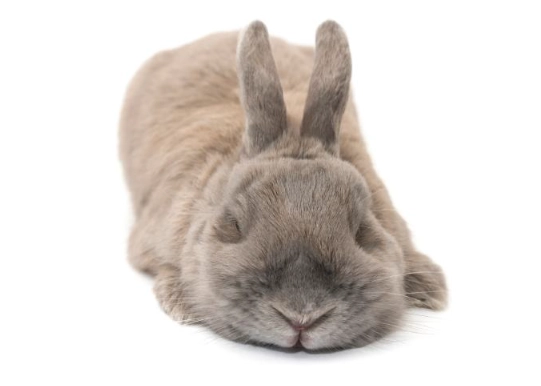
Yes and no. They are not nocturnal, so they won't be doing zoomies all night like a hamster. However, they are not deep sleepers through the entire night either. You can expect periods of quiet rest and periods of mild activity—a little munching, a little rearranging of bedding. They might be most deeply asleep in the middle of the day or the middle of the night, during the peaks of predator activity in the wild.
Given they experience REM sleep, it is very likely. Those little foot twitches, whisker jerks, and subtle mouth movements during deep sleep look an awful lot like a human or dog dreaming. What do they dream about? Probably the important things in a rabbit's life: vast fields of cilantro, outrunning imaginary foxes, or the perfect dig.
Some do! It's usually a soft, whistling or purring sound. It can be perfectly normal, especially in brachycephalic (short-nosed) breeds like lops. However, loud, raspy, or labored snoring coupled with open-mouth breathing is not normal and warrants a vet check to rule out respiratory issues.
Common, and a bit perplexing for owners! There are a few reasons. First, the litter box often has high sides, making it feel like a secure, enclosed space. Second, if you use a paper-based litter, it's likely one of the softest spots in their enclosure. It's usually not a problem unless the litter is soiled. You can try providing a softer, more appealing sleeping hut to give them a better option.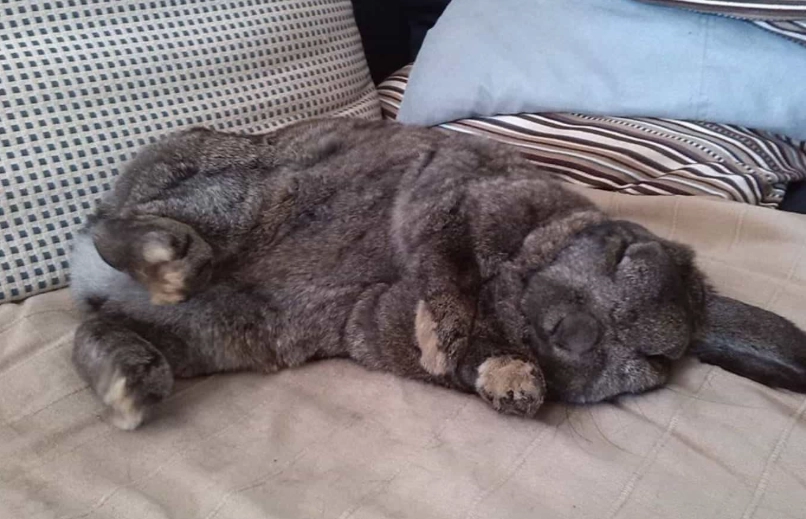
A sudden, significant increase in sleep (lethargy) can be a red flag for illness, pain, or depression. However, if your rabbit has always been a sleepyhead, is eating, drinking, pooping normally, and perks up for playtime or food, it's probably just its personality. Older rabbits also sleep more. Context is key. When in doubt, a vet visit is the best policy.
Key Takeaway: The core question "do rabbits sleep" branches out into dozens of practical concerns for owners. Observing your individual rabbit's normal patterns is the best tool you have. Any drastic change from *their* normal is more important than what a generic guide says.
How to Help Your Rabbit Sleep Better (A Practical Checklist)
You can't force a rabbit to sleep, but you can create an environment where they feel safe enough to do so. Here’s what actually works, based on behavioral science and a lot of trial and error from rabbit owners.
- Provide a Fortress of Solitude: Every rabbit needs at least one fully enclosed hideaway with two exits (so they don't feel trapped). A simple cardboard box with two doorways cut out is perfect and cheap.
- Respect the Routine: Rabbits are creatures of habit. Try to keep feeding times, playtimes, and even household noise patterns somewhat consistent. Chaos is stressful.
- Location, Location, Location: Place their main enclosure in a quiet, low-traffic part of your home. Not next to the blaring TV or the front door. A calm corner is ideal.
- Night Light? Maybe. Complete darkness can be frightening for a prey animal. A very dim night light in the room can be reassuring, allowing them to see if anything is "approaching." I use a small, plug-in LED light set to its lowest setting.
- The Power of White Noise: A soft, consistent sound like a fan, a white noise machine, or a radio on low volume in another room can mask startling sudden noises (sirens, door slams, thunderstorms).
- Comfy Flooring: Ensure their sleeping area has soft bedding. Avoid wire-bottom cages entirely, as they are terrible for feet and offer no comfort for resting.
- Bonding Helps: A bonded rabbit pair will sleep more soundly, as they take turns keeping watch. A lone rabbit is on duty 24/7. Consider bonding if possible (with proper, slow introductions).
Do rabbits sleep better with these adjustments? In my experience, absolutely. Thumper started flopping within weeks of implementing a consistent routine and giving him a proper, dark hideout. It wasn't instant magic, but the difference was clear.
Common Sleep-Related Problems and What They Mean
Sometimes, sleep behavior points to an issue. Let's troubleshoot.
Excessive Sleep (Lethargy) with Other Symptoms: If your rabbit is sleeping more than usual AND has a reduced appetite, fewer or smaller droppings, or is hunched in pain, this is a veterinary emergency. GI stasis and other illnesses often present with lethargy first.
Never Seen Them Sleep Deeply: If you've had your rabbit for months and have never witnessed a flop or closed-eye sleep, it likely doesn't feel completely secure. Re-evaluate their environment. Is it too noisy? Are there other pets stressing them? Do they have good hiding spots? Building trust takes time, sometimes over a year for rescues with traumatic pasts.
Sleeping with Eyes Open, Always Alert: This is the default for a stressed rabbit. They are stuck in a low-level state of anxiety, never able to fully switch off. This is exhausting and unhealthy long-term. The solutions are in the checklist above—focus on safety and predictability.
So, do rabbits sleep? We've answered that definitively. But more importantly, we've explored the how, why, and what it means. Understanding your rabbit's sleep is less about checking a box and more about learning a new language—the language of their comfort and well-being.
The next time you see your bunny loafing in the sun or sprawled out on the floor, you'll know. You're not just looking at a pet taking a nap. You're witnessing a tiny creature that, against all its evolutionary wiring, has decided that in your care, it is safe enough to let its guard down and truly rest. And honestly, as a rabbit owner, there's no better compliment than that.
Reader Comments