Quick Guide
So you're sitting there with your rabbit, and you hear a little sound. A soft crunch, maybe a tiny grunt. Or perhaps it's dead silent, and you're starting to wonder... do rabbits make noises at all?
Let's clear this up right from the start. The whole "rabbits are silent pets" thing is one of the biggest myths out there. It drives me a bit nuts, honestly. People get a bunny expecting a quiet, furry statue, and then they're completely thrown when their pet starts honking like a tiny goose or grinding its teeth loudly. Yes, rabbits make noises. A whole symphony of them.
I remember when I first got my rabbit, Thumper. For weeks, he was quiet. I thought I had the strong, silent type. Then one evening, while I was petting him just right behind the ears, I heard it. A soft, rhythmic clicking sound, almost like a cat's purr but quieter. I was stunned. That was the moment I realized how much I was missing by not knowing their vocal world.
Understanding these sounds isn't just a cute party trick. It's crucial for their welfare. A specific noise can be the difference between a content bunny and one in severe pain. Missing that signal is something no owner wants on their conscience.
Why Do Rabbits Make Noises? It's Not Just Random
Rabbits aren't making sounds to annoy you or just because. Every grunt, squeak, and tooth purr has a purpose. In the wild, being loud can attract predators, so their communication evolved to be subtle. Domestic rabbits have kept this trait, but they've also become a bit more expressive with us, their safe human companions.
Their noises generally fall into a few big categories:
- Communication: This is the big one. They're talking to you, to other rabbits, or just announcing their feelings to the world. "I'm happy," "Go away," "This is my spot."
- Emotional Expression: Fear, excitement, contentment, irritation. Their sounds are a direct line to their emotional state.
- Physical Reaction: Some sounds, like tooth grinding, are involuntary physical responses to sensation or pain.
- Warning Signals: Loud thumps or sharp squeaks are rabbit alarm bells, meant to alert others (including you) to danger.
Think about it this way. If you never wondered "do rabbits make noises," you might mistake a pain sound for a happy one. That's a big problem.
The Common Sounds Library: What Each Bunny Noise Means
Okay, let's get into the good stuff. Here’s a breakdown of the noises you're most likely to hear, from the everyday to the "call the vet now." I've put the most crucial ones in a table because it's just easier to reference when you're trying to figure out what that weird sound was.
| Sound | What It Is & What It Means | What You Should Do |
|---|---|---|
| Tooth Purring (Soft Clicking) | A gentle, rapid clicking of the teeth. This is the rabbit equivalent of a cat's purr. It means they are extremely content, relaxed, and happy. Often happens during petting, when they're snuggled in a cozy spot, or eating a favorite treat. | Keep doing what you're doing! This is the ultimate compliment. Slow down your petting to match their relaxed state. |
| Loud Tooth Grinding | A harsh, audible grinding or crunching sound. This is a completely different sound from happy purring. It's often a sign of pain, discomfort, or illness. The rabbit may be hunched up or seem tense. | This is a red flag. Check your rabbit immediately for other signs of illness (not eating, not pooping, lethargy). Contact your vet, especially if combined with other symptoms. The Merck Veterinary Manual lists dental pain as a common cause for this behavior. |
| Honking / Oinking | A low, staccato "honk" or "oink" sound. This is often a sound of excitement or anticipation, commonly heard when they know food is coming or when they are courting (circling your feet). It's a playful, energetic noise. | Usually a good sign! It often means playtime or treat time. Be mindful if it's part of obsessive circling, which might indicate hormonal frustration. |
| Thumping | A powerful thud created by hitting the ground with a hind leg. This is a primal alarm signal. It means "Danger!" or "I'm annoyed and warning you." They use it to warn other rabbits and, yes, to tell you to back off. | Identify the perceived threat (a loud noise, a stranger, another pet). Speak calmly to reassure them. If the thumping is directed at you, give them some space. |
| Grunting / Growling | A low, guttural "grrr" or grunt. This is a clear warning sound. It means "I am annoyed," "Stop that," or "This is mine." Often heard if you reach into their territory (like their cage) when they don't want you to, or if another rabbit gets too close. | Respect it. Back away immediately to avoid a lunge or bite. This is a boundary-setting sound. Don't punish it, just listen. |
That table covers the basics, but the rabbit hole goes deeper (pun intended). There are more sounds that are less common but super important.
The Rare But Critical Noises
Some sounds are so rare you might never hear them, but if you do, you need to know what they mean.
Then there's the whimper or soft squeak. This is a sad, little sound you might hear from a very timid or submissive rabbit, or one who is feeling unwell but not in acute agony. It's a cry for help that's quieter than a scream but just as urgent in its own way. It requires a gentle investigation into their well-being.
And let's not forget body sounds. Snoring is possible in some relaxed, flat-faced breeds or rabbits in a very deep sleep. It's usually harmless. Hiccups look like little, rhythmic jerks and are normal, especially after eating or drinking quickly.
How to Listen and Respond: A Practical Guide
Knowing what the sounds mean is half the battle. The other half is knowing what to do about it. This is where most basic guides stop, but it's where your job as an owner really begins.
First, context is everything. A tooth grinding sound while your rabbit is flopped over and being petted is worlds apart from the same sound while they're hunched in a corner. You have to look at the whole picture—body language, eyes, posture.
Here's my practical list for responding:
- For Happy Sounds (Purring, soft honks): Reinforce the behavior! Offer a gentle scratch in their favorite spot. Speak in a soft, calm voice. You're having a conversation.
- For Warning Sounds (Grunts, growls, thumps): Do not ignore these. Respect their space. If it's a thump, check the environment. If it's a growl, stop whatever intrusive thing you're doing. Forcing interaction after a warning is asking for a nip.
- For Pain Sounds (Loud grinding, whimpering): This is hands-on time. Gently check them over. Feel their belly—is it hard or bloated? Are they eating? Are there any poops? The House Rabbit Society has excellent guides on how to perform a basic health check. Have your vet's number ready.
- For the Silent Rabbit: What if your rabbit truly makes no noises? Some are just quieter. But ensure it's not fear. A rabbit frozen in silence is often a scared rabbit. Encourage gentle interaction with treats and quiet time to build trust.
Creating an environment where your rabbit feels safe to communicate is key. Loud TVs, constant chaos, or predatory pets (like loose dogs or cats) will make a rabbit go silent out of fear. They'll suppress even their happy noises.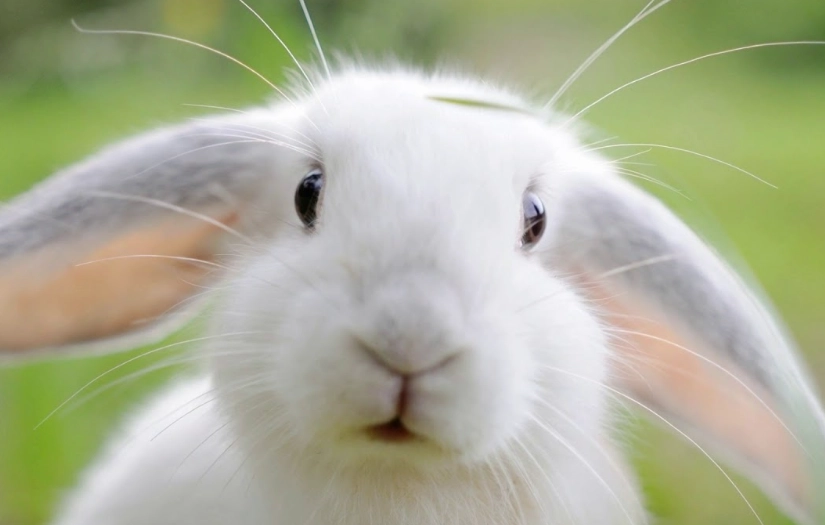
Your Top Questions About Rabbit Noises, Answered
See, the question "do rabbits make noises" opens a door. Behind it is a whole world of understanding.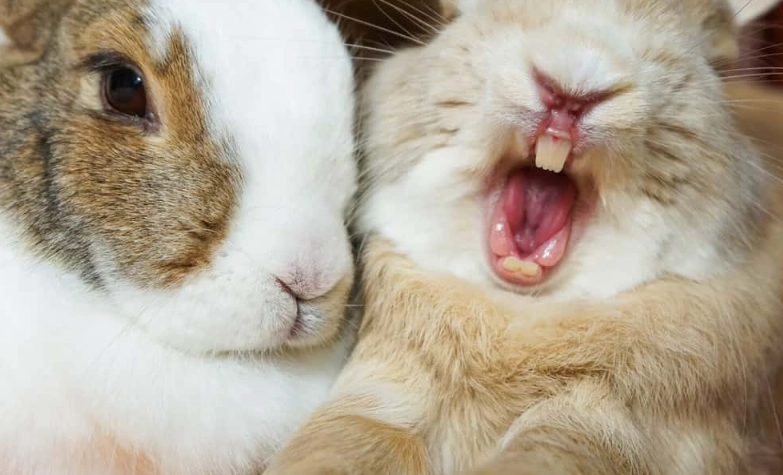
When a Noise Means a Vet Visit: Don't Second-Guess
This is the most important section. Rabbits are prey animals, and they hide illness until they can't anymore. A strange noise is often their last line of defense before collapsing.
You need a zero-tolerance policy for certain sound-and-symptom combos.
Here is my non-negotiable list. If you hear these noises WITH these signs, the vet is your next stop:
- Loud tooth grinding + Hunched posture + Not eating. This is the classic triad for GI stasis or severe dental pain. Every hour counts.
- Whimpering/Soft crying + Lethargy + Cold ears. This indicates a rabbit shutting down, potentially from shock or severe illness.
- Any labored breathing sounds (wheezing, rasping) + Mouth breathing. Rabbits are obligate nose breathers. Mouth breathing is a dire emergency, indicating severe respiratory distress. Resources like the RSPCA's rabbit care guide stress the urgency of respiratory issues.
- Screaming. Full stop. No further symptoms needed. Go.
I learned this the hard way with an older rabbit who just started grinding his teeth softly. He was still eating a little, so I waited a day. Big mistake. By the next morning, he was in full stasis. The vet said the tooth grinding was my first and best clue, and I'd missed its early window. That guilt sits with you. Don't let it sit with you.
Tying It All Together: Becoming Fluent in Bunny
So, do rabbits make noises? Absolutely. They're not noisy in a conventional way, but they are constantly communicating in a language of subtle clicks, thumps, grunts, and purrs.
Learning this language transforms your relationship with your rabbit. It moves you from being a caretaker to being a companion. You stop guessing and start knowing. You know when they're blissfully happy by that soft purr. You understand when they're setting a boundary with a grunt. And most critically, you can act fast when a grinding sound tells you they're in pain.
The biggest takeaway? Listen. Really listen. Spend time just sitting quietly near your rabbit. Turn off the distractions. You'll start to hear the symphony. The contented munching that turns into a tooth purr. The little honk of excitement when you rustle the treat bag. The soft foot shuffle of a bunny dreaming.
It's all there. The myth of the silent rabbit is just that—a myth. Your rabbit is talking to you. Now you can start to understand what they're trying to say.
Reader Comments