Quick Navigation
So you’re sitting there with your fluffy friend, wondering, "Do rabbits make a sound?" Mine just stares at me, twitching its nose, and I swear it’s telepathic. For the longest time, I thought they were the strong, silent type. Turns out, I just wasn’t listening right. It’s a common misconception that rabbits are completely mute. Let’s be honest, that’s probably why you’re here. You might have heard a weird little squeak or a strange grinding noise and thought, "Did that come from the bunny?" Yep, it sure did.
The real story is way more interesting. Rabbits have a whole vocabulary. It’s not like a dog’s bark or a cat’s meow—it’s subtler, quieter, and you have to know what to listen for. Once you learn it, it changes everything. You start to understand their moods, their fears, and when they’re just plain old happy. It’s like cracking a secret code. This guide is basically everything I wish I knew when I first brought a rabbit home. We’re going to break down every grunt, honk, and thump.
Key Takeaway: Rabbits are not silent. They communicate through a variety of soft vocalizations, tooth-related sounds, and impactful body language noises. Their sounds are often subtle and easy to miss if you're not paying close attention.
The Simple Answer: Yes, Rabbits Do Make Sounds
Let’s just get this out of the way. The answer to "do rabbits make a sound" is a definitive yes. Anyone who’s owned a rabbit for more than a few days will tell you that. But their sound profile is unique. They aren’t wired to be loud; in the wild, being noisy is a great way to end up as dinner. So evolution made them experts in quiet, nuanced communication. Most of their sounds are meant for close quarters—think mother to kits, or bonded pairs snuggled up together. The loudest sounds they make are usually warnings or signs of extreme distress. It’s a fascinating survival adaptation that plays out right in your living room.
I remember the first time I heard my rabbit, Mochi, make a sound. It was this soft, rhythmic grinding noise while I was petting her forehead. I panicked, thinking she was having a breathing problem. A quick search (and a vet visit later) taught me it was "tooth purring," a sign of utter contentment. That was my lightbulb moment. I realized I’d been missing a whole side of her personality.
Decoding the Bunny Sound Library: What Each Noise Means
This is the good stuff. Understanding what each sound means is the key to being a better rabbit guardian. It’s less about memorizing a list and more about context—what’s happening around them when they make the noise? Let’s dive in.
Happy & Content Sounds
These are the sounds you want to hear. They mean your bunny feels safe, relaxed, and happy.
- Tooth Purring (Light Grinding/Chirping): This is the classic happy rabbit sound. It’s a gentle, fast clicking or grinding of the teeth. It’s not the loud, slow grinding that indicates pain (we’ll get to that). You’ll hear this during petting sessions, when they’re snuggled in a favorite spot, or while they’re munching on a particularly delicious treat. Their body language is relaxed—eyes half-closed, body slumped. It’s the bunny equivalent of a cat’s purr, and it’s utterly delightful.
- Honking/Oinking: This one cracks me up. It sounds exactly like a tiny pig! It’s a soft, quick "oink" or "honk" sound. You’ll often hear it from excited rabbits, usually when they’re anticipating something good—like dinner time, or when they’re circling your feet (a courtship behavior). It’s a sound of excitement and sometimes mild frustration if what they want isn’t happening fast enough. It’s harmless and full of personality.
- Soft Humming or Buzzing: This is rarer and very quiet. It’s a low, vibrating hum, almost like a bee. Some rabbits make this sound when they are exploring a new area contentedly or when they are peacefully grooming themselves or a bonded partner.
"The difference between happy tooth purring and painful tooth grinding is night and day. The happy sound is light, rapid, and rhythmic. The pain sound is slower, louder, and more deliberate. If you hear the latter, it's a straight-to-the-vet situation."
Warning & Annoyance Sounds
Rabbits are polite creatures. They’ll usually give you a warning before they get truly upset. Heed these sounds!
- Grunting/Growling: A low, throaty grunt. This is a clear "back off" or "I don’t like that." You might hear it if you try to pick them up when they don’t want to be held, if you’re invading their personal space (like cleaning their cage while they’re in it), or if another pet is bothering them. It’s often accompanied by a tense body, flattened ears, and a warning lunge. Listen to this one—it prevents nips.
- Foot Stomping/Thumping: This isn’t a vocal sound, but it’s one of their most important communications. A loud, powerful thump with their hind leg. It’s an alarm signal. In the wild, it warns other rabbits of danger. In your home, it could mean they heard a scary noise (a door slamming, a loud truck), they see something unsettling, or they’re just plain annoyed with you. My rabbit once thumped because I was eating an apple and didn’t share fast enough. They can also thump out of frustration or to get your attention. It’s impossible to ignore, which is the whole point.
- Snorting: A quick, sharp exhale through the nose. It’s often a precursor to a grunt or a thump. It means "I’m getting irritated." Think of it as a final warning shot.
Sounds of Fear, Pain, or Distress
These sounds are heart-wrenching. They indicate something is seriously wrong, and you need to act immediately.
- Screaming or Shrieking: This is the most terrifying sound a rabbit can make. It’s a loud, piercing, and genuinely distressing scream. A rabbit only screams when it is in extreme terror or feels like its life is in imminent danger (e.g., during a predator attack, experiencing severe acute pain). If you ever hear this, stay calm but act quickly to identify and remove the source of terror or get emergency veterinary care. Thankfully, it’s very rare in a safe home environment.
- Loud Tooth Grinding: Different from the soft purring. This is a slow, loud, and coarse grinding sound. It is a universal sign of pain or significant discomfort in rabbits. If your rabbit is hunched up, not moving much, has a tense posture, and is making this sound, it is a medical emergency. Common causes include gastrointestinal stasis (GI stasis), dental problems, or injury. The House Rabbit Society, a fantastic authority on rabbit care, consistently lists loud tooth grinding as a primary sign of pain requiring immediate veterinary attention.
- Whimpering or Whining: A soft, high-pitched, repetitive cry. You might hear this from a very scared rabbit, one that is feeling unwell but not in acute agony, or sometimes from a lonely baby rabbit (kit). It’s a plea for comfort or help.
Common Rabbit Sounds Quick Reference Table
| Sound | What It Sounds Like | Likely Meaning | What You Should Do |
|---|---|---|---|
| Tooth Purring | Light, fast teeth clicking | Happiness, contentment | Keep doing what you're doing! They love it. |
| Honking | A quick "oink" or "honk" | Excitement, anticipation | See what they're excited about (often food or attention). |
| Grunting | Low, throaty rumble | Annoyance, warning | Give them space. Stop what you're doing. |
| Foot Stomp | Loud THUMP | Alarm, fear, frustration | Check for dangers, offer reassurance, figure out the cause. |
| Loud Grinding | Slow, coarse teeth grinding | Pain, severe discomfort | Contact your vet immediately. |
| Scream | Piercing, loud shriek | Extreme terror, severe pain | Emergency action. Remove threat or go to emergency vet. |
That table is a lifesaver, honestly. I have a printout on my fridge. It helps you react in the moment, especially when you're new to all this.
Why Is My Rabbit So Quiet? (And When to Worry)
Some rabbits are just more vocal than others, like people. One of my past rabbits was a total chatterbox—honking, purring, the works. My current one is more stoic. He expresses himself through nudges and body language. So, if your rabbit is quiet, it doesn’t automatically mean something’s wrong. You need to look at the whole picture.
Is their behavior normal? Are they eating, drinking, pooping normally? Are they active during their dawn/dusk active periods? Are they curious? If yes, they’re probably just a quiet individual.
When quietness is a red flag: If a normally vocal rabbit suddenly goes silent and shows other signs like lethargy, hiding, refusing food, or a hunched posture, that’s a major concern. Silence combined with behavioral changes is one of the first indicators of illness in prey animals. They hide weakness. So a quiet, withdrawn rabbit is often a sick rabbit. In these cases, the question "do rabbits make a sound" becomes less about communication and more about a vital health check. Don’t wait. A vet visit is crucial. Resources like the Cornell University College of Veterinary Medicine (while feline-focused, their principles on silent illness in prey-adjacent animals are sound) emphasize how subtle signs are often the only clue.
Bunny Noises at Night: What’s All the Ruckus?
Ah, the midnight rabbit. This is a common headache for owners. Rabbits are crepuscular, meaning their peak activity is at dawn and dusk. So yes, they are often more active and potentially noisier at night and very early morning.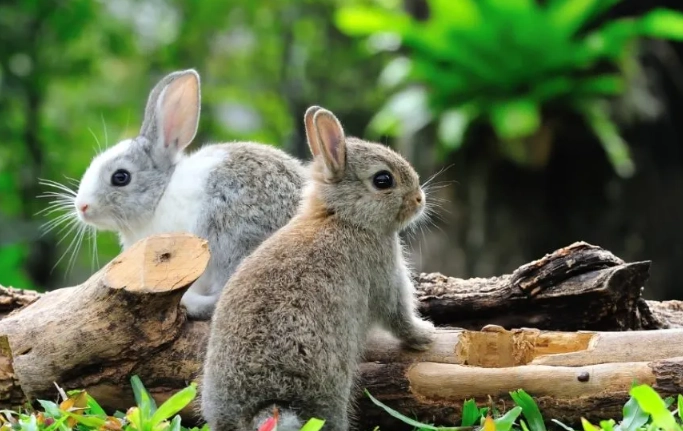
What you might hear: Digging in their litter box or cage, rattling water bottles or bowls, chewing on toys or bars (if bored), thumping (if startled by a noise), or even happy honking if they’re doing zoomies. The infamous "cage rattling" is usually a sign of boredom or a demand for attention/breakfast.
How to manage it: Make sure they have plenty of space, safe toys to chew, and a routine. A large pen is better than a small cage. Providing a heavy ceramic bowl instead of a lightweight one can reduce clatter. Most importantly, spend time playing with them in the evening to tire them out a bit. Sometimes, you just have to get used to it—it’s part of living with a bunny. White noise machines can help you sleep through it.
Frequently Asked Questions (FAQs)

Putting It All Together: Becoming Fluent in Bunny
Learning that rabbits do make a sound is just the first step. The real magic happens when you start connecting the sounds to the context. It transforms your relationship. You’re no longer just feeding a quiet animal; you’re having a conversation.
My advice? Spend quiet time near your rabbit. Turn off the TV, put your phone down, and just observe and listen. You’ll start to notice the little clicks and grunts you missed before. Keep a mental (or actual) log. Sound + Situation = Meaning. It’s that simple.
And remember, when in doubt about a sound—especially ones that indicate pain like loud grinding or screaming—always, always err on the side of caution and consult a rabbit-savvy veterinarian. The My House Rabbit site is another great resource for connecting with vet recommendations and detailed care sheets that reinforce this.
So, do rabbits make a sound? They sure do. It’s a quiet, complex, and beautiful language. Once you learn to listen, you’ll discover your silent floof has been talking to you all along.
Reader Comments