Key Highlights
- The Straight Answer: Do Rabbits Like Carrots?
- Why the Carrot-Only Idea is a Problem
- So, Can I Ever Give My Rabbit a Carrot?
- What Should Rabbits Eat Instead? The Healthy Diet Blueprint
- Top 5 Healthier Treats Than Carrots
- Common Questions Rabbit Owners Ask (Beyond "Do Rabbits Like Carrots?")
- Putting It All Together: A Realistic Feeding Day
If you ask anyone on the street what rabbits eat, carrots will almost always be the first thing they say. It's an image burned into our minds by cartoons, storybooks, and decades of popular culture. Bugs Bunny munching on a carrot is as iconic as it gets. But here's the thing I've learned from years of talking to rabbit owners and veterinarians: the reality of a rabbit's diet is way more complicated, and frankly, a lot less orange.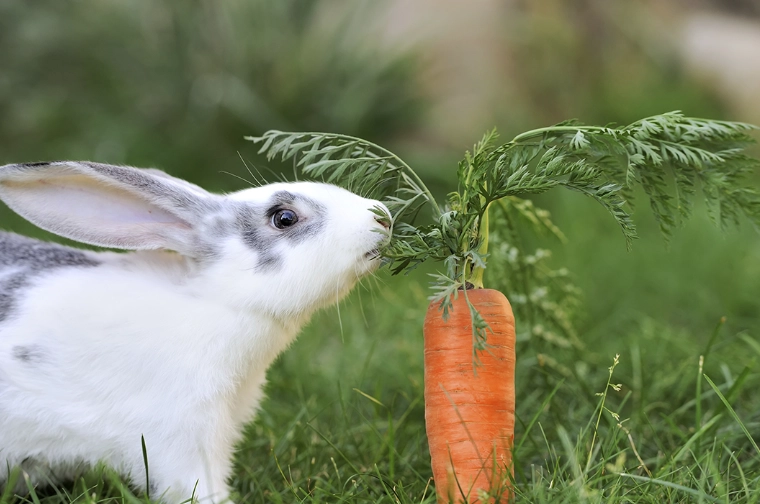
So, let's cut to the chase. Do rabbits like carrots? Absolutely, they do. The sweet crunch is like candy to them. But liking something and it being good for them as a daily staple are two completely different worlds. Feeding a rabbit based on what cartoons show is like feeding a kid based on what happens in a cereal commercial—it's a fast track to problems.
I remember visiting a friend who was so proud she gave her bunny, Thumper, a whole baby carrot every single day. "He loves them!" she'd say. A few months later, Thumper was overweight and had some serious digestive sluggishness. The vet's first question was about treats. The carrot-a-day habit was the prime suspect. It was a lightbulb moment for her, and it's a story I think about often.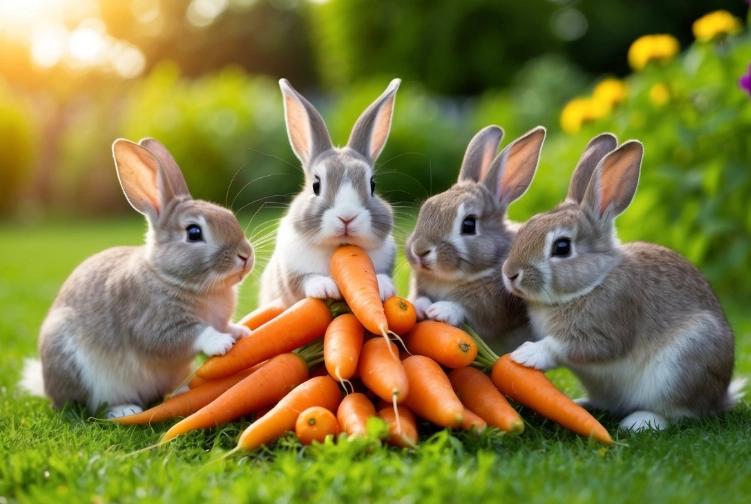
The Straight Answer: Do Rabbits Like Carrots?
Yes, rabbits do like carrots. They are attracted to the sweetness. A rabbit's taste buds can detect sugars, and the crisp texture is satisfying for them to gnaw on. In the wild, a rabbit might come across a wild carrot root (which is quite different from our cultivated, sugary orange ones) and enjoy it as a rare, seasonal find.
But this is where we need to pause. "Like" does not equal "should eat frequently." Think about how much kids like ice cream. It's a treat, not a meal. For rabbits, carrots fall firmly into the "treat" category, not the "dietary staple" category. The real question isn't "do rabbits like carrots," but "how should carrots fit into a rabbit's overall diet?" That's the part most people miss.
Key Point: Liking carrots is a preference. Needing them is a myth. A rabbit's core dietary needs are met by hay, fresh greens, and a small amount of pellets. Carrots are the optional extra, the occasional bonus.
Why the Carrot-Only Idea is a Problem
The biggest issue with the cartoon diet is what it leaves out. Rabbits are hindgut fermenters. Their digestive systems are fine-tuned machines designed to process huge amounts of fiber—specifically, the long-strand fiber found in grass hay. This fiber keeps their gut moving, wears down their constantly growing teeth, and supports a healthy population of gut bacteria.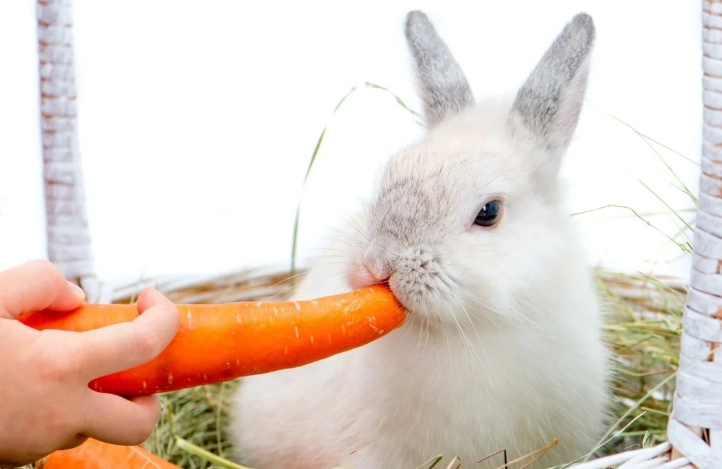
Carrots, while containing some fiber, are relatively high in sugar and starch compared to hay or leafy greens. Too much sugar can disrupt the delicate bacterial balance in a rabbit's cecum (a part of their digestive system), leading to a condition called GI stasis, which is painful, dangerous, and a leading cause of emergency vet visits. It's no joke.
Furthermore, carrots are higher in calcium and vitamin A than a rabbit needs in large, frequent doses. An excess of vitamin A can actually be toxic over time. So, while asking "do rabbits like carrots" is fun, asking "how many carrots are too many" is crucial.
The Nutritional Breakdown: Carrot vs. Rabbit Needs
Let's look at the numbers. This table compares what a carrot offers to what a rabbit's diet should primarily consist of. It makes the difference pretty clear.
| Nutrient/Factor | Carrot (per 100g) | Timothy Hay (Primary Diet) | Why It Matters for Rabbits |
|---|---|---|---|
| Primary Fiber | Moderate (2.8g) | Very High (30-35g) | Rabbits need massive amounts of indigestible fiber (hay) to keep gut motility normal and teeth worn down. Carrot fiber isn't enough. |
| Sugar | High (4.7g) | Very Low | High sugar promotes unhealthy gut bacteria, obesity, and can cause GI issues. Hay has minimal sugar. |
| Calcium | Moderate (33mg) | Balanced | Too much calcium from veggies like carrots can contribute to bladder sludge or stones in some rabbits. |
| Vitamin A | Very High (16706 IU) | Low | Rabbits need Vitamin A, but they get plenty from dark leafy greens. Excess from carrots can be harmful. |
| Primary Role in Diet | Occasional Treat | Staple Food (80-90%) | Hay must be available 24/7. Carrots are a tiny, infrequent addition. |
Seeing it laid out like that changes the perspective, doesn't it? The carrot is nutrient-dense in ways that aren't ideal for daily consumption. The humble hay, which seems so boring, is perfectly engineered for their biology. The Merck Veterinary Manual is very clear on this: the base of the diet should be high-fiber grasses or hay.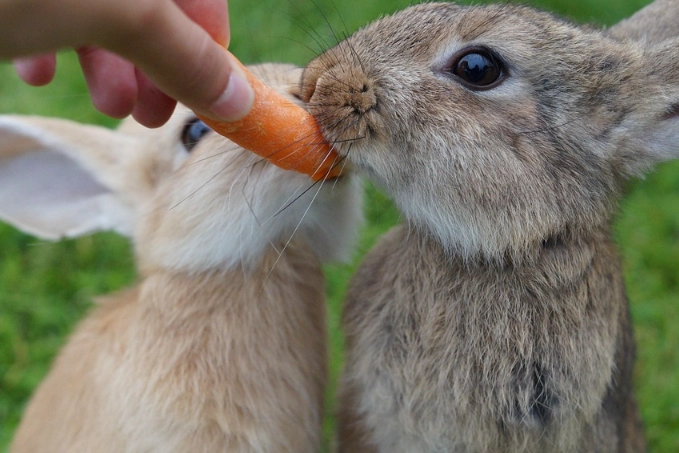
So, Can I Ever Give My Rabbit a Carrot?
Yes, you can! The goal here isn't to make carrots the enemy. It's about context and portion control. Think of a carrot as a cookie, not a piece of bread. Here’s how to do it safely:
- Frequency: A few times a week at most, not every day.
- Portion Size: A couple of thin slices or one small baby carrot is plenty for an average-sized rabbit (5-6 lbs). A whole full-sized carrot is a huge sugar bomb for them.
- Part of the Carrot: The green carrot tops (the leafy part) are actually a much healthier option! They are lower in sugar and higher in good fiber. If you can find carrots with tops, give your bunny the greens and save the orange root for a very rare treat.
- Monitor Your Rabbit: After giving any new treat, including carrot, watch their poop. If droppings become smaller, misshapen, or stop altogether, discontinue the treat and focus on hay and water. It's their best health indicator.
I made the portion mistake myself early on. I gave my first rabbit what I thought was a "small" piece—about two inches of a carrot. He loved it, but his poops were slightly softer the next day. The vet recommended cutting it down to the size of my thumbnail. It looked so tiny to me, but for him, it was just right. It taught me to see food from a rabbit's scale, not a human one.
What Should Rabbits Eat Instead? The Healthy Diet Blueprint
If carrots are just the occasional blip on the menu, what's on the main plate? Getting this right is the single most important thing you can do for your rabbit's health and longevity. Let's break it down.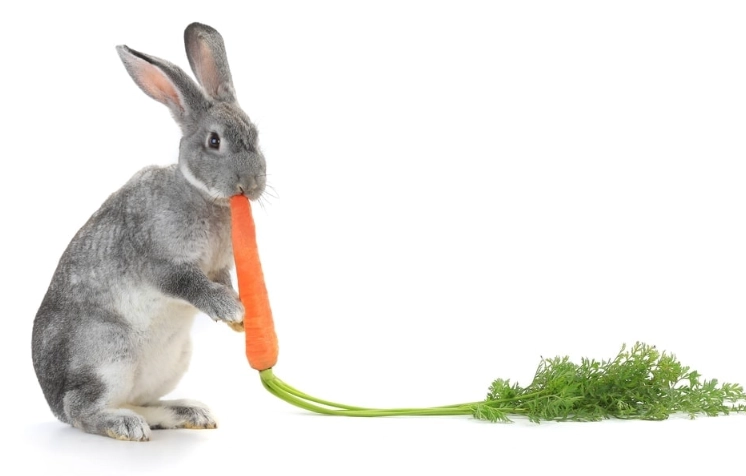
The Non-Negotiable Foundation: Unlimited Hay
About 80-90% of your rabbit's diet should be unlimited, high-quality grass hay. Timothy hay is the gold standard for adult rabbits. Orchard grass, meadow hay, and oat hay are also excellent choices. Alfalfa hay is too rich in protein and calcium for adults but is great for young, growing kits. Hay does three critical jobs: provides essential fiber for digestion, grinds down teeth naturally, and provides mental stimulation through constant foraging. A rabbit without constant access to hay is a rabbit headed for health trouble.
The Fresh Greens: Daily Salad Bar
A good handful of fresh, washed leafy greens should be offered daily. This is where they get moisture and a variety of vitamins. Rotate different types for a balanced nutrient profile. Excellent choices include:
- Leafy Staples: Romaine lettuce, green leaf lettuce, red leaf lettuce (avoid iceberg—it's mostly water with little nutrition).
- Herbs: Cilantro, parsley, mint, basil, dill.
- Tops: Carrot tops, radish tops, beet greens.
- Others: Kale, spinach, and chard are higher in oxalates or calcium, so feed in smaller amounts or less frequently.
The Pellets: Quality Over Quantity
Pellets are a concentrated food source. For an adult rabbit, a limited amount is key—about 1/4 cup per 5 lbs of body weight per day. Choose a high-quality pellet that is timothy-hay based (not alfalfa-based for adults), high in fiber (18% minimum), and low in protein and fat. Pellets are not the main event; they are a supplement to ensure they get certain vitamins and minerals. Overfeeding pellets is a common cause of obesity and dental issues because rabbits will eat pellets over hay if given the chance.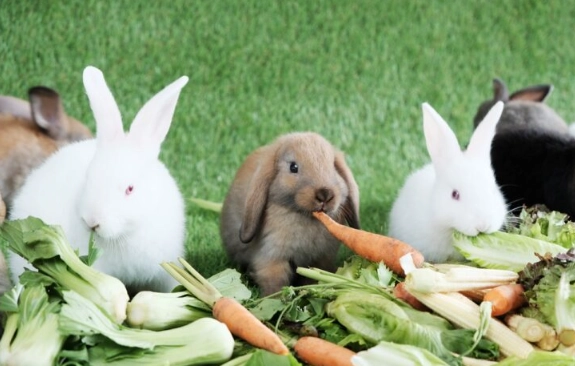
Water: Fresh and Always Available
This seems obvious, but it's vital. Fresh, clean water must be available at all times, in a heavy bowl they can't tip over. Bowls are generally better than bottles as they allow a more natural drinking posture and greater intake. Proper hydration is essential for all bodily functions, especially kidney health and digestion.
Top 5 Healthier Treats Than Carrots
If you want to give your bunny a special something, there are far better options than the sugary carrot root. Here's my personal ranking of healthier, bunny-approved treats.
#1: Fresh Herbs (Cilantro, Parsley, Basil)
These are packed with flavor and nutrients but low in sugar. My bunnies go crazy for a sprig of cilantro. It's a win-win.
#2: A Small Piece of Fruit (Berry, Apple Slice)
Even fruit is high in sugar, so it's a rare treat. But a single blueberry or a thin slice of apple (no seeds) once or twice a week is a safer sweet option than a carrot, gram for gram.
#3: Carrot Tops / Radish Greens
The best part of the carrot plant! All the fun of the association with carrots, but much better nutritionally.
#4: A Willow Ball or Apple Stick
Not a food treat, but a chewing treat. It satisfies their need to gnaw, helps with dental health, and provides enrichment. You can find these at pet stores.
#5: A Single Petal of a Edible Flower
Dandelion flowers (from pesticide-free areas), rose petals, or marigold petals. A special, fragrant, and natural occasional nibble.
Common Questions Rabbit Owners Ask (Beyond "Do Rabbits Like Carrots?")
Can baby rabbits eat carrots?
No. A young rabbit's digestive system is extremely sensitive. Their diet for the first 6-7 months should be primarily alfalfa hay and alfalfa-based pellets to support growth, transitioning to timothy hay and adult pellets. Introducing vegetables, and especially starchy treats like carrots, should wait until they are at least 12 weeks old, and then be done one at a time, in tiny amounts. It's best to avoid carrots altogether until they are fully mature.
My rabbit won't eat hay, only wants carrots and pellets. What do I do?
This is a serious but common problem. It usually means the rabbit has been overfed pellets and treats, making them picky. The solution is a gentle but firm transition. Gradually reduce the daily pellet portion over a week or two. Stop all sugary treats (like carrots) completely. Offer a variety of high-quality hays (try different cuts—2nd cut timothy is softer, orchard grass is sweet-smelling). Make hay the only food available most of the time. A rabbit will not starve itself with hay available. It may take persistence, but it's critical for their health. Resources like the House Rabbit Society's guide on hay are invaluable for troubleshooting this.
Are other root vegetables okay, like parsnips or sweet potatoes?
Similar rules apply. Parsnips are like white carrots—starchy and sugary. Sweet potatoes are even denser in starch. These should be considered even more occasional treats than carrots, if given at all. The starchy content is harder for them to process. Stick to leafy greens as your primary veggie source.
How do I know if I've fed too much carrot?
Watch for changes in behavior and output. Signs of trouble include:
- Smaller, fewer, or misshapen fecal pellets. This is the first and biggest red flag.
- Lethargy or hunched posture (sign of gut pain).
- Loss of appetite for their regular hay.
- Soft stools or diarrhea.
If you see any of these, stop all treats immediately, encourage hay and water consumption, and consult a veterinarian if symptoms don't resolve quickly. GI stasis is an emergency.
Putting It All Together: A Realistic Feeding Day
Let's make this practical. Here’s what a healthy day of eating looks like for my 5-pound fictional rabbit, Clover:
- Morning: Check that her heavy ceramic bowl is full of fresh water. Refresh her unlimited timothy hay rack (it's always full). Give her a big handful of her daily greens—today it's romaine lettuce and a few sprigs of cilantro.
- Afternoon: Nothing new. She's grazing on her hay, which is what she should be doing most of the day. I might hide a few strands of hay in a cardboard tube for fun.
- Evening: I give her her measured portion of timothy-based pellets (about 1/4 cup). This is also when I might give a treat. It's Wednesday, so no treat today. Maybe on Friday, she'll get one thin slice of carrot, or better yet, a single blueberry.
- Constant: Hay, hay, and more hay. Water, always.
It's not glamorous. It's not about the exciting treat. It's about consistency and what her body is designed to process. The joy comes from seeing her active, her coat shiny, and her litter box full of perfect, round droppings—the true sign of a happy rabbit gut.
The Bottom Line: So, do rabbits like carrots? Yes, they do. But a responsible rabbit owner knows that the question is just the starting point. The deeper duty is understanding that a rabbit's health is built on a mountain of hay, a rainbow of leafy greens, and the wisdom to use sugary vegetables like carrots as the rare, tiny treats they are meant to be. Ditching the cartoon myth is the first and best step you can take for your bunny's long, healthy, and hoppy life.
If you're looking for more detailed, science-backed guidelines on rabbit nutrition, I always recommend checking trusted sources. The ASPCA's general rabbit care guide is a great place to start, and for in-depth dietary specifics, the resources provided by the House Rabbit Society are considered the gold standard by many experienced owners and veterinarians.
Reader Comments