Quick Navigation
- Why Giving a Rabbit a Full Bath is a Terrible Idea
- When *Might* Getting a Bunny Wet Be Necessary?
- The Step-by-Step Guide to Safe, Minimal Cleaning (If You Absolutely Must)
- The Right Way to Keep Your Rabbit Clean (No Water Needed)
- Dry Cleaning Products: Are They Safe?
- Your Rabbit Bathing Questions, Answered
- When to Throw the Rules Out and Call the Vet
- The Final Word on Rabbit Bathing
Let's cut right to the chase. You're probably here because your bunny got into something nasty, or maybe you just brought one home and wonder about hygiene. The short, and almost universal, answer from rabbit experts is a resounding NO. You should not bathe a bunny rabbit in water like you would a dog or cat. I know, it sounds counterintuitive. We bathe everything else, right? But with rabbits, it's a different ball game entirely.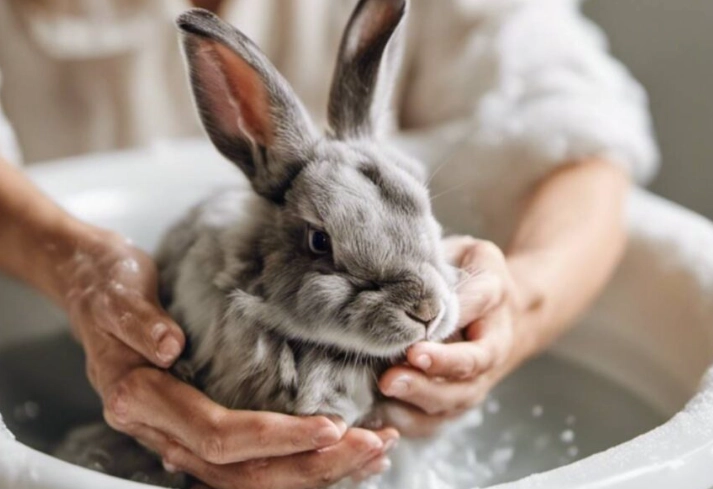
I learned this the hard way years ago. My first rabbit, Mochi, had a minor encounter with some dirt. Thinking I was doing the right thing, I gave him what I thought was a gentle bath. It was a disaster. The stress alone was terrible for him, and the risk I put him in was huge. It's a regret I have, which is why I'm so passionate about sharing the correct information now.
But life isn't always clean and perfect. Sometimes, a bunny gets truly filthy or has a medical issue. So, the complete answer is more nuanced. While a full-body bath is almost always wrong, there are rare, specific circumstances where spot-cleaning or a very careful, shallow wash might be necessary. This guide will walk you through everything: why it's so risky, the rare exceptions, and the safe ways to keep your bunny sparkling clean without ever needing to ask "can you bathe a bunny rabbit" in panic.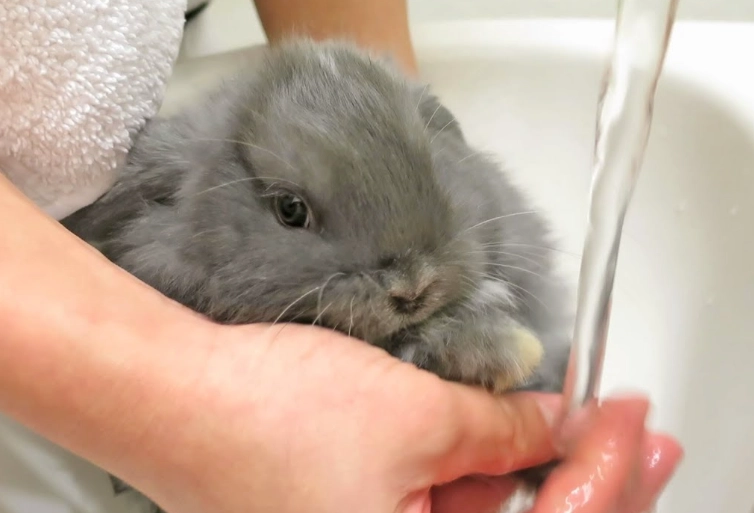
Why Giving a Rabbit a Full Bath is a Terrible Idea
It's not just us being overly cautious. The science and biology behind it are clear. Rabbits are prey animals, and their bodies and minds are built for a very specific lifestyle that doesn't include swimming.
The Shock and Stress Factor
Imagine being a small creature whose primary instinct is to run from danger. Now imagine being grabbed, placed in a slippery basin, and doused with water. It's terrifying. This intense stress can literally kill a rabbit. It triggers a massive adrenaline response that can lead to heart failure. I've heard too many sad stories from vets about rabbits dying from the sheer terror of a bath, not from any physical ailment.
Hypothermia: The Silent Killer
Rabbit fur is incredibly dense. It's designed to trap air for insulation. When it gets soaked, that insulation fails completely. Even in a warm room, a wet rabbit can lose body heat at an alarming rate and develop hypothermia. Their small bodies can't regulate temperature well when wet. Drying them thoroughly is nearly impossible—a hairdryer is too hot and frightening, and air-drying takes far too long, leaving them cold and vulnerable for hours.
Skin and Fur Problems
Their skin is sensitive. Shampoos, even mild ones, can strip essential oils, leading to dry, flaky, itchy skin. More importantly, wet fur matted against the skin is a perfect breeding ground for bacteria and fungi. This can cause painful skin infections, like dermatitis. Moisture trapped near the skin, especially around the rear end, can lead to flystrike—a horrific and often fatal condition where flies lay eggs on the soiled fur.
So, before you even consider filling the sink, remember these three big risks. They're why reputable organizations like the ASPCA and the Rabbit Welfare Association & Fund (RWAF) strongly advise against it.
Water and rabbits simply don't mix.
When *Might* Getting a Bunny Wet Be Necessary?
Alright, so we've established the rule. But rules have exceptions. There are a handful of scenarios where you might need to use water to clean your rabbit. Notice I said "use water," not "give a bath." The distinction is crucial.
- Medical Soiling: If a rabbit has diarrhea or a urinary issue that has caked their rear end (a condition called "poopy butt"), leaving it is more dangerous than cleaning it. Feces can burn the skin and attract flies.
- Toxic Substance Contact: If your bunny gets into something poisonous, like a household chemical, your vet may instruct you to rinse the area immediately to prevent ingestion during grooming.
- Severe, Sticky Mess: Think motor oil, tree sap, or something similarly adhesive that dry cleaning methods can't touch. This is extremely rare for indoor rabbits.
- Under Veterinary Instruction: For specific skin conditions, a vet might prescribe a medicated shampoo and give you precise instructions for a therapeutic wash.
In all these cases, the goal is minimal, targeted, and quick contact with water. You are not bathing the whole rabbit. You are addressing a specific, problematic area.
The Step-by-Step Guide to Safe, Minimal Cleaning (If You Absolutely Must)
Let's say you're facing one of those rare exceptions. Your vet isn't immediately available, and you need to clean a soiled rear end. Here’s how to do it with the least risk possible. This is the closest you should ever get to answering "yes" to can you bathe a bunny rabbit.
Preparation is Everything: Get everything ready before you even touch your rabbit. You'll need: - A small basin or sink with a towel in the bottom for grip. - Lukewarm water (not hot, not cold). - A small cup or jug for pouring. - Pet-safe shampoo (only if necessary, like for toxic substances). Baby shampoo is NOT recommended due to pH differences. - A stack of clean, dry, absorbent towels. - A quiet, warm, draft-free room.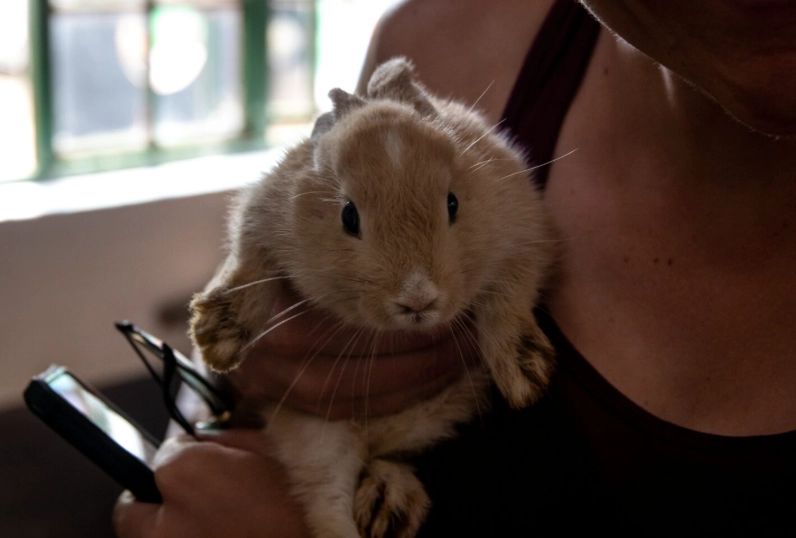
The "Butt Bath" or Spot Clean Procedure
- Calm Your Bunny: Spend a few minutes petting and talking softly. This isn't a time for rushing.
- Position Carefully: Hold your rabbit securely but gently, supporting their hindquarters. You may find it easier to have a helper hold the bunny while you clean.
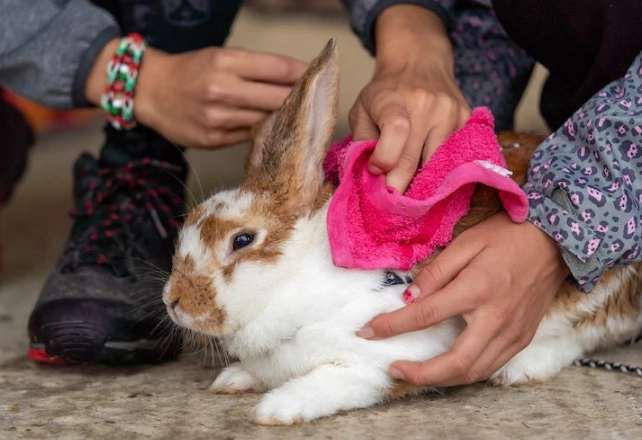
- Target the Area: Only wet the soiled area. Use the cup to pour a small amount of water over just the messy fur, or use a damp cloth to dab and soften the mess. Never submerge the rabbit.
- Clean Gently: With your fingers or a soft cloth, work the water through the soiled clump. If you must use shampoo, use a tiny drop and rinse it off completely with more lukewarm water poured carefully over that spot only.
- Dry Immediately and Thoroughly: This is the most critical step. Use the dry towels to blot and squeeze (don't rub) the wet fur. Get as much water out as you can. Wrap your rabbit in a fresh, dry towel and hold them in your lap in the warm room until they are completely, 100% dry to the skin. Check by parting the fur and feeling the skin underneath.
- Monitor: Watch your rabbit closely for the next few hours for signs of shock (lethargy, shallow breathing) or chilling (shivering).
The Right Way to Keep Your Rabbit Clean (No Water Needed)
Instead of worrying about can you bathe a bunny rabbit, focus on how rabbits keep themselves clean and how you can assist. A healthy rabbit is a fastidiously clean animal. They spend hours grooming themselves like cats.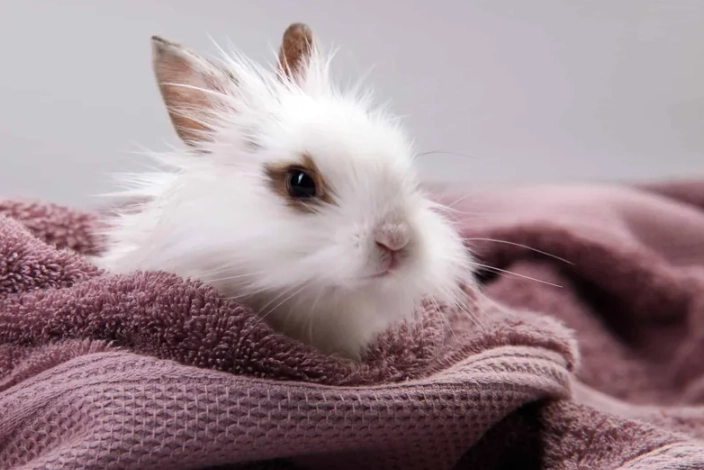
Regular Brushing: This is the single most important thing you can do. It removes loose hair, prevents mats, and reduces the amount of hair they ingest (preventing hairballs). During shedding seasons, you might need to brush daily.
Check Their Bottom Daily: A quick peek at your rabbit's rear end during petting sessions can catch early signs of soft cecotropes or urine staining, allowing you to address the cause (often diet-related) before a mess occurs.
Maintain a Clean Habitat: A dirty living space will lead to a dirty rabbit. Spot-clean the litter box daily and do a full change regularly. Use absorbent, rabbit-safe litter.
Diet is Key: A proper diet high in hay (unlimited grass hay!) produces healthy, dry fecal pellets. Diets too high in sugary treats or pellets can cause sticky cecotropes that get stuck in the fur. Good gut health equals a clean bottom.
Dry Cleaning Products: Are They Safe?
What about those dry shampoos or pet wipes? They can be useful tools, but you have to be smart about it.
Cornstarch-Based Dry Shampoo: A light dusting can help absorb oils on the fur of an elderly or obese rabbit who can't groom well. Important: You must brush it all out thoroughly afterward. Do not use talcum powder.
Fragrance-Free Pet Wipes: These can be okay for wiping off light dirt on paws or around the scent gland under the chin. Avoid wipes with alcohol or strong perfumes, and never use them on broken skin. And for goodness sake, don't try to wipe your rabbit's entire body down with them.
I'm not a huge fan of most commercial products. A simple damp cloth is often just as good and you know exactly what's in it (water).
Use only in emergencies, with extreme care.
Okay for occasional use, brush out completely.
Use sparingly on small areas.
The gold standard. Do this daily/weekly.
| Method | Best For | Risk Level | Our Recommendation |
|---|---|---|---|
| Full Water Bath | Almost nothing | Very High | Avoid completely. |
| Targeted "Butt Bath" | Medical soiling, toxic substances | Medium (if done correctly) | |
| Dry Shampoo (Cornstarch) | Oily fur in disabled rabbits | Low | |
| Pet Wipes (Fragrance-Free) | Paws, light surface dirt | Very Low | |
| Regular Brushing & Diet | Overall cleanliness and health | None |
Your Rabbit Bathing Questions, Answered
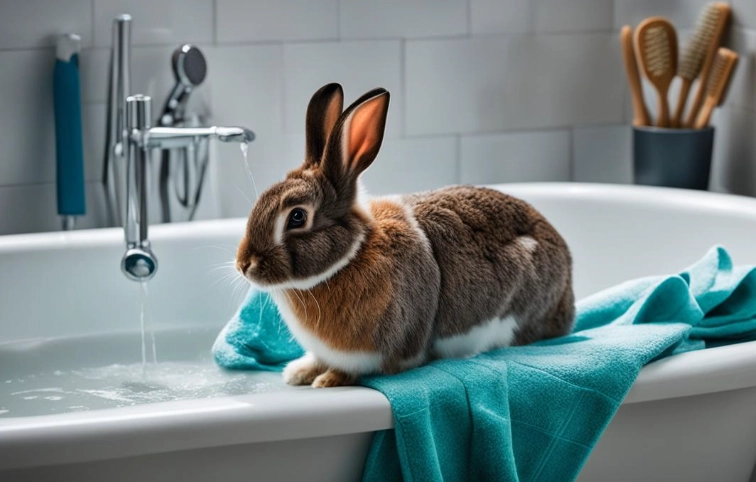
Bathing isn't the solution. It's usually the start of bigger problems.
When to Throw the Rules Out and Call the Vet
Your job as a rabbit owner isn't to become an expert in washing them. It's to know when to seek professional help. Don't try to be a hero with a sink full of water if your rabbit:
- Has widespread diarrhea or is completely soiled.
- Has any open wounds, sores, or signs of flystrike (you may see maggots). This is a dire emergency.
- Is lethargic, not eating, or showing signs of pain along with being dirty.
- Has a persistent odor or staining you can't manage.
In these cases, call your rabbit-savvy vet or an emergency clinic. They have the equipment, drying cages, and expertise to handle severe cleaning under controlled, safe conditions. The House Rabbit Society's vet list is a great resource to find a qualified professional near you.
The Final Word on Rabbit Bathing
So, let's circle back to the original question that brought you here: can you bathe a bunny rabbit?
The honest, experienced-based answer is this: For routine cleaning, it is an unnecessary and dangerous practice that should be avoided at all costs. The risks of stress, hypothermia, and skin problems far outweigh any perceived benefit. A rabbit's self-grooming, aided by your regular brushing and a proper diet, is all the "bathing" they need.
However, in very specific, messy emergencies, targeted cleaning of a small area with minimal water can be a necessary evil to prevent a greater health crisis. If you ever find yourself in that situation, stay calm, be prepared, and focus only on the soiled spot. Your goal is to get your rabbit dry and warm again as fast as possible.
Shift your mindset from "bathing" to "maintaining." A clean rabbit starts with a healthy diet, a spotless home, and a good brush. Master those, and you'll never have to worry about giving your bunny a bath again. Trust me, both you and your rabbit will be much happier for it.
I hope this settles the debate for you. It's a topic surrounded by a lot of old-fashioned, dangerous advice, and I'm glad you're looking for the right information. Your bunny is lucky to have you.
Comment