Your Veggie Roadmap
- The Core of the Rabbit Diet: It's Not *Just* Veggies
- The A-List: Safe & Healthy Vegetables Rabbits Can Eat Daily
- How Much is "Enough"? A Practical Feeding Guide
- The Danger Zone: Vegetables Rabbits Must NEVER Eat
- Answering Your Burning Questions About Rabbit Veggies
- Putting It All Together: A Sample Weekly Veggie Plan
- Final Thoughts: Trust the Poop
So you brought home this fluffy little bundle of joy, and now you're staring into your fridge, holding a carrot, and thinking… wait, is this even right? I've been there. When I got my first rabbit, Thumper, I thought the cartoon logic was gospel. Carrots for days! Turns out, that's a fast track to an unhealthy bunny. Figuring out what veggies do rabbits eat is one of the most common – and most important – questions for new owners. It's not just about keeping them full; it's about keeping their complex digestive systems running smoothly, their teeth worn down, and their lives long and happy.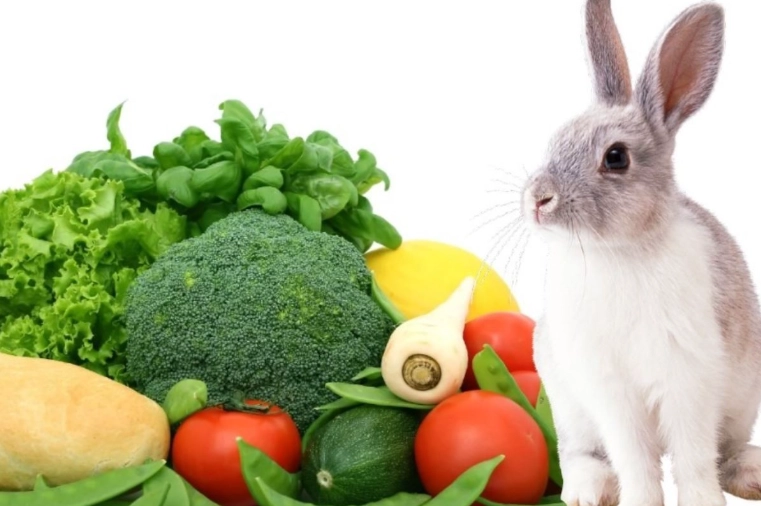
Let's cut through the confusion. This isn't about complicated charts you need a PhD to understand. It's about practical, safe, and varied food you can find at your local grocery store. We'll talk about the everyday staples, the occasional treats, and the absolute no-gos that could land you at the emergency vet. Because honestly, nothing ruins your day like a sick pet.
By the end of this, you'll have a clear shopping list and a confident plan for what to put in that food bowl every day.
The Core of the Rabbit Diet: It's Not *Just* Veggies
Before we dive into the vegetable aisle, we need to set the stage. A rabbit's diet is a three-legged stool. Remove one leg, and the whole thing topples over.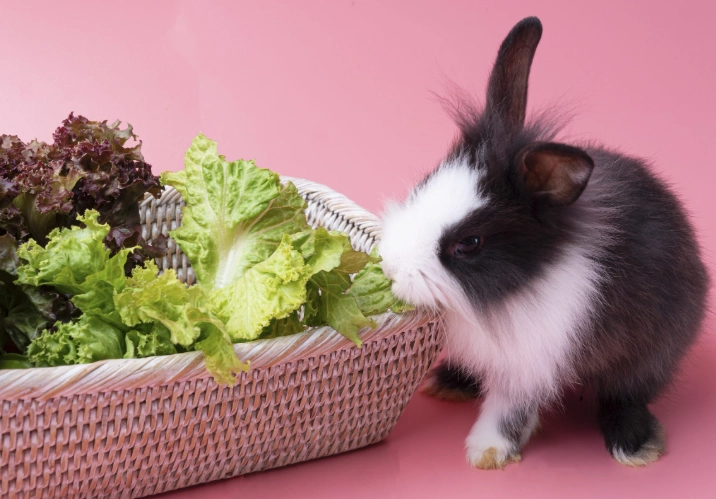
Think of it like this:
- Unlimited Hay (80-85% of diet): This is non-negotiable. Timothy hay, orchard grass, meadow hay – this fibrous stuff is what keeps their gut moving and their constantly growing teeth in check. It's their main course, 24/7.
- Fresh Vegetables (10-15% of diet): This is where we're focusing. Veggies provide essential vitamins, minerals, and hydration. They're the nutritious side dish.
- High-Quality Pellets (5% or less): A small, measured amount of plain timothy-based pellets acts as a vitamin supplement, not the main event.
See? Veggies are crucial, but they're part of a team. Now, let's get to the good stuff.
The A-List: Safe & Healthy Vegetables Rabbits Can Eat Daily
These are the workhorses. The greens you can feel great about offering regularly. When people ask "what veggies do rabbits eat," this list is the answer 90% of the time.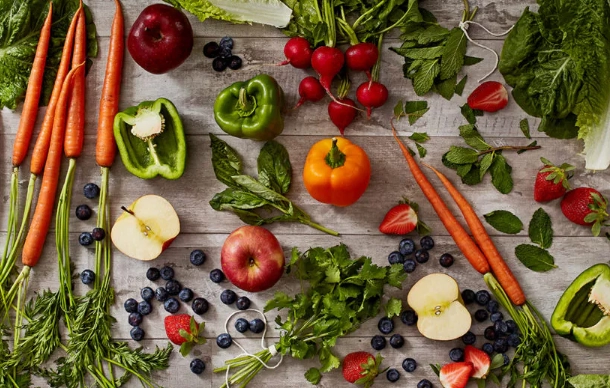
Leafy Greens (The Daily Staples)
Dark, leafy greens should be the foundation of your rabbit's veggie intake. They're packed with nutrients and generally low in sugar and carbs. Aim for at least 3 different types from this list each day to provide a range of nutrients.
| Vegetable | Key Benefits & Notes | How Often |
|---|---|---|
| Romaine Lettuce | High in water, vitamin K, and folate. A great hydrating base. Avoid iceberg lettuce—it's mostly water with little nutritional value and can cause diarrhea. | Daily |
| Green/Red Leaf Lettuce | More nutritious than romaine. Excellent choice. | Daily |
| Butter Lettuce | Softer leaf, often a favorite. Perfectly safe. | Daily |
| Arugula (Rocket) | Peppery flavor, rich in calcium and antioxidants. Some bunnies go nuts for it. | Daily (in moderation due to calcium) |
| Spring Mix / Mesclun | A fantastic way to get variety. Just check the bag to avoid mixes with spinach or kale as the only greens. | Daily |
| Endive | Crunchy texture, low in oxalates. A top-tier choice. | Daily |
| Escarole | Similar to endive, mild flavor. Very rabbit-friendly. | Daily |
| Bok Choy | Both the green leaves and the white stalks are edible and loved for their crunch. | Daily (stalk in moderation) |
| Cilantro (Coriander) | Strong aroma, often a huge hit. Packed with vitamins. | Daily |
| Parsley | Flat-leaf or curly. High in vitamin C and K. A powerhouse green. | Daily (in moderation due to calcium) |
| Dill | Feathery and fragrant. Another herb that many rabbits adore. | Daily |
| Basil | Sweet and aromatic. A lovely treat within their greens. | Daily |
| Mint | Spearmint, peppermint. Great for freshening breath and is often a favorite. Can be calming. | Daily |
| Dandelion Greens | Not just weeds! Super nutritious if sourced from pesticide-free areas. You can often find them at farmers' markets. | Daily |
I make a big "salad" for my bunnies every evening. It's usually a base of romaine and green leaf, a handful of arugula for punch, some cilantro because they go crazy for it, and a few sprigs of parsley or dill. It takes two minutes to throw together, and they hear the fridge door and come running.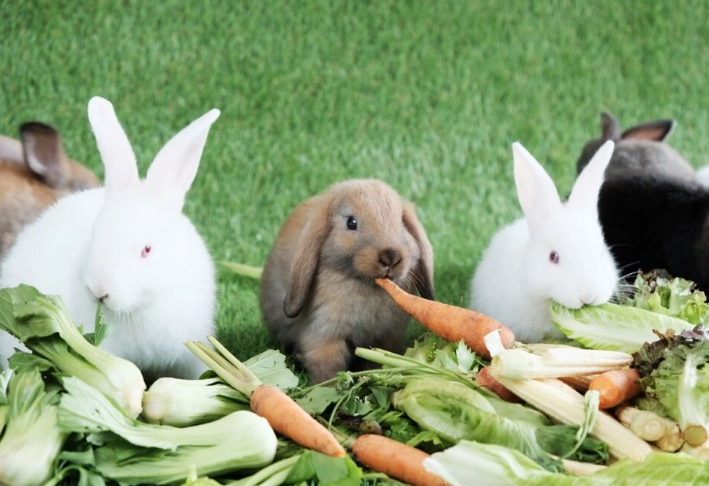
Non-Leafy Vegetables (The Rotational Adds)
These veggies are great for adding variety, texture, and different nutrients. They're a bit higher in sugar or starch than leafy greens, so they should be given in smaller amounts and not necessarily every single day.
- Bell Peppers (any color): Remove the seeds and stem first. They're an excellent source of Vitamin C. The red and yellow ones are sweeter.
- Broccoli Leaves & Stalks: The leaves are fantastic. The florets can cause gas in some rabbits, so introduce the flower part very slowly. The stalk is a crunchy favorite.
- Brussels Sprouts: Again, start with a tiny piece of one sprout. They can be gassy.
- Celery: Must be chopped into small pieces (1/2 inch or less) to prevent the long, stringy fibers from causing a choking hazard or intestinal blockage. I learned this the hard way after seeing a long, undigested string in Thumper's droppings – scared me to death.
- Cucumber: Mostly water, so it's great for hydration but not much nutrition. A cool, refreshing treat in summer.
- Zucchini / Courgette: Mild and well-tolerated. Can be given raw.
- Green Beans: Fresh only, not canned. A good source of fiber.
- Pea Pods (the flat snow pea or sugar snap pea pods): The pods are the treat, not the peas inside. A sweet, crunchy favorite.
- Radish Tops: The leafy greens are great! The actual radish root is too spicy and starchy for regular feeding.
- Carrot Tops: The leafy green fronds are actually healthier for them than the orange root! They're packed with nutrients and low in sugar.
See the pattern? Often, the part of the plant we humans throw away is the best part for the rabbit.
How Much is "Enough"? A Practical Feeding Guide
This is where most guides get vague. "A handful" isn't very helpful if you have giant hands or a tiny Netherland Dwarf. Let's be specific.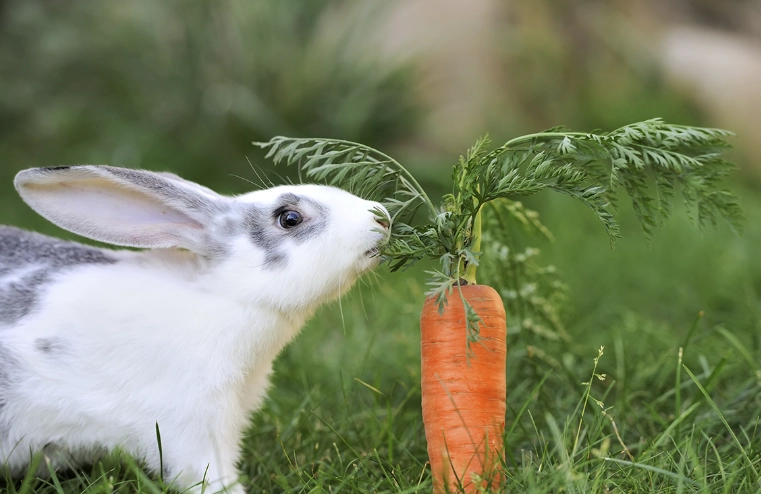
The general rule from experts like the House Rabbit Society, a fantastic and authoritative resource for all things rabbit care, is about 1 cup of packed leafy greens per 2 pounds of body weight daily. This is a starting point.
Breaking It Down:
- Small rabbit (under 4 lbs): Start with about 1 to 1.5 cups of greens daily.
- Medium rabbit (5-8 lbs): Aim for 2 to 3 cups daily.
- Large rabbit (9+ lbs): You're looking at 3 to 4+ cups daily.
This amount should be split into at least two feedings, morning and evening. It mimics their natural grazing behavior and prevents them from gorging and then having nothing to do.
For the non-leafy veggies (bell pepper, broccoli stalk, etc.), think of them as add-ins, not the base. A few thin slices of bell pepper or a couple of inch-long pieces of celery is plenty for one meal.
What about the famous carrot? Ah, the myth.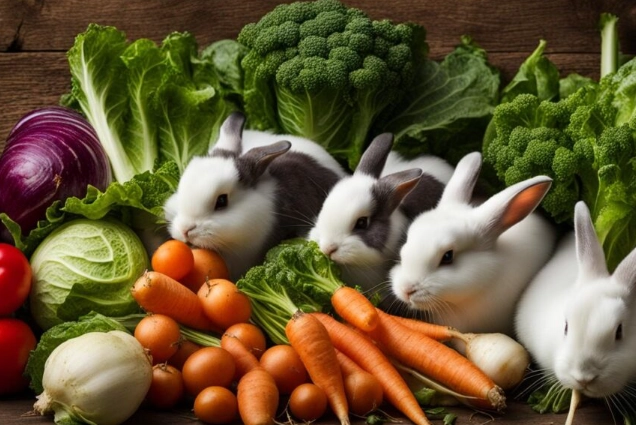
The Danger Zone: Vegetables Rabbits Must NEVER Eat
This list is short but critical. These foods can cause severe digestive upset, toxic reactions, or even be fatal. Memorize it.
- Alliums (Onion Family): Onions, garlic, leeks, chives, shallots. In any form—raw, cooked, powdered. They cause oxidative damage to red blood cells, leading to life-threatening anemia.
- Potatoes: Raw potatoes are toxic (solanine). Cooked potatoes are pure starch, which a rabbit's gut cannot handle. Just avoid.
- Rhubarb: The leaves are highly toxic. The stalk isn't great either. Just keep it away.
- Avocado: Every part is toxic to many pets, including rabbits, due to a fungicidal toxin called persin.
- Iceberg Lettuce: Not toxic, but it contains lactucarium, which can be a sedative in large quantities, and its high water/low fiber content is a recipe for diarrhea and nutrient deficiency.
- Beans & Legumes: Kidney beans, broad beans, etc. They cause severe gas and bloating in a system that cannot pass gas easily. This is a medical emergency (GI stasis).
- Corn: The kernel hulls are indigestible and a major cause of blockages. Corn is also high in starch and sugar.
- Tomato Leaves & Vines: The tomato fruit itself (ripe) is a sugary treat to be given rarely. But the green parts of the plant (leaves, stems, vines) are toxic (solanine).
When in doubt, if you're not 110% sure a veggie is safe, don't feed it. A quick check on a reputable site like the USDA's food database (for nutritional info) or the House Rabbit Society is always worth it.
Answering Your Burning Questions About Rabbit Veggies
- Start with one, very fragrant green like cilantro or parsley. Place a small piece near their hay or in their pellet bowl.
- Eat a piece yourself in front of them (seriously). They are curious and may want what you have.
- Try different textures. Some bunnies prefer crunchy (romaine heart) over soft (butter lettuce).
- Never force it. Just keep offering tiny amounts alongside their familiar foods.
Putting It All Together: A Sample Weekly Veggie Plan
Let's make this concrete. Here’s what a week of veggie meals might look like for a 5-pound rabbit. Remember, unlimited hay is always available.
Monday AM: 1 cup mix (Romaine, Endive, Cilantro) + 1 slice bell pepper.
Monday PM: 1 cup mix (Green Leaf, Arugula, Dill) + 1 small piece of broccoli stalk.
Tuesday AM: 1 cup mix (Romaine, Escarole, Parsley - small amount).
Tuesday PM: 1 cup mix (Butter Lettuce, Bok Choy leaves, Mint) + 2 small slices of cucumber.
Wednesday AM: 1 cup mix (Green Leaf, Spring Mix, Cilantro).
Wednesday PM: 1 cup mix (Romaine, Dandelion Greens, Basil) + a single spinach leaf.
...and so on, rotating the leafy greens and adding small bits of the non-leafy veggies for interest. Maybe a couple of carrot-top fronds on Thursday. A single snap pea pod on Friday. A thin slice of apple as a Saturday special.
The variety ensures they get a broad spectrum of nutrients and keeps mealtime exciting for them.
Final Thoughts: Trust the Poop
At the end of the day, the best indicator of whether you're figuring out what veggies do rabbits eat correctly is your rabbit itself. Specifically, their droppings and their behavior.
You want to see a steady output of uniform, round, fibrous droppings. Healthy cecotropes (the softer, grape-like pellets they eat directly from their bottom—this is normal and essential) should be produced and consumed. If you see uneaten cecotropes or soft, misshapen fecal pellets, the diet is off—usually too rich, too sugary, or a new food was introduced too fast.
A happy rabbit is active, curious, has a good appetite for hay, and comes running for their veggie time. If you follow the framework of unlimited hay, measured pellets, and a varied cup of safe greens, you're giving them the foundation for a long, healthy life.
It seems like a lot at first, but it quickly becomes second nature. You'll find yourself at the store automatically picking up an extra bunch of cilantro or checking if the spring mix looks fresh. And when you see your bunny happily munching away, knowing you're giving them the best, it's totally worth it.
Happy feeding!
Comment