Quick Guide
- Why Bother with Vegetables Anyway? It's More Than Just a Snack.
- The Definitive List: Safe Vegetables for Rabbits
- The "No-Go" Zone: Vegetables Rabbits Should NOT Eat
- How Much and How to Feed: The Practical Guide
- What About Fruits and Other Treats?
- Troubleshooting: When Good Veggies Go Bad
- Your Questions, Answered (The FAQ)
Look, I get it. You're standing in the produce aisle, a bunch of kale in one hand and some parsley in the other, and your brain is just... stuck. You love your bunny, you want to do right by them, but the information out there is a mess. One website says carrots are great, another screams they're pure sugar. Someone at the pet store told you iceberg lettuce is fine, but a rabbit forum says it'll kill them. It's enough to make you want to just stick to pellets and hay forever.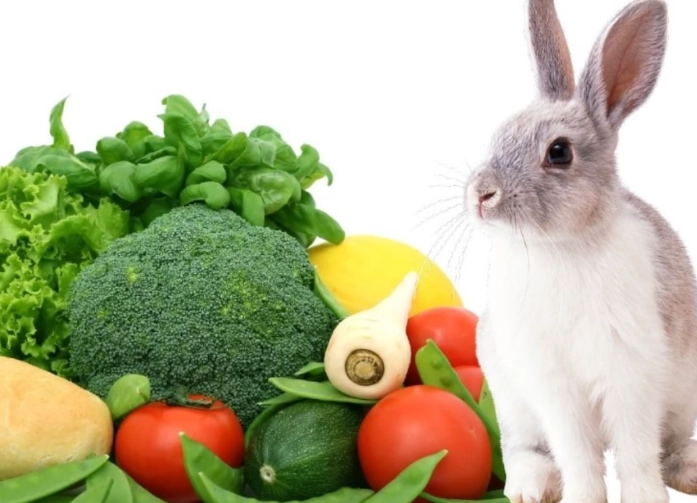
But here's the thing: vegetables are a non-negotiable part of a healthy rabbit's life. They're not just a treat; they're a crucial source of vitamins, minerals, and hydration. Getting it wrong can lead to a bored, unhealthy rabbit, or worse, a trip to the vet. Getting it right? That's the key to a vibrant, happy, thumping little friend.
So let's cut through the noise. This isn't about scaring you with a list of a hundred "no"s. It's about giving you a practical, clear, and yes, sometimes opinionated guide to figuring out what vegetables should rabbits eat. I've made the mistakes myself—my first rabbit, Thumper, got way too much broccoli once and let's just say the apartment wasn't pleasant for a while—so I'll help you avoid them.
Why Bother with Vegetables Anyway? It's More Than Just a Snack.
You might wonder if it's worth the hassle. Absolutely. Think of hay as the staple bread and potatoes of a rabbit's diet—it keeps their gut moving and teeth filed down. Pellets are like a daily vitamin supplement. But vegetables? Vegetables are the fresh, colorful salad bar. They provide nutrients that hay and pellets might not cover in abundance, like Vitamin C (though rabbits produce their own, extra doesn't hurt) and Vitamin A. They add crucial moisture to their system. And mentally, the variety of textures, tastes, and smells is pure enrichment. A rabbit munching on a crunchy romaine leaf or nibbling cilantro is a engaged, happy rabbit.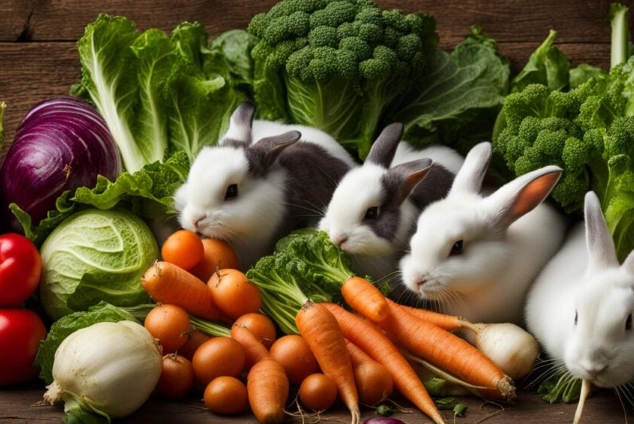
But not all salads are created equal. The core question, what vegetables should rabbits eat, hinges on a few factors: water content, oxalic acid, calcium, sugar, and goitrogens. Sounds scientific, but it's simple in practice.
The Definitive List: Safe Vegetables for Rabbits
Okay, here's the good stuff. These are the veggies you can generally feel confident about. I've broken them down by how often you can offer them. This list is compiled from reliable sources like the Rabbit Welfare Association & Fund (RWAF), a leading charity in rabbit care, and cross-referenced with veterinary advice.
Daily Staples (The Go-To Greens)
These are low in calcium and oxalates, making them excellent for daily rotation. Aim for at least 3 different types from this list each day.
- Romaine Lettuce: The champion of rabbit greens. Not the watery, pale iceberg! Romaine is dark, leafy, and nutritious. My rabbits go nuts for the crunchy ribs.
- Green/Red Leaf Lettuce: Another great option. Butterhead is okay too, in moderation.
- Spring Greens / Mesclun Mix: A fantastic, varied base. Just check it doesn't contain spinach as the main component.
- Herbs: Cilantro (coriander), Parsley (flat-leaf or curly, but limit due to moderate calcium), Mint, Basil, Dill. Herbs are packed with flavor and nutrients.
- Celery: Chop it up small! Those long stringy fibers can be a choking hazard. I always cut mine into half-inch pieces.
- Bell Peppers (any color): Remove the seeds and stem first. A wonderful, sweet treat that's high in Vitamin C. The red and yellow ones are sweeter than green.
- Zucchini / Courgette: Mild and well-tolerated. Can be given raw.
- Broccoli Leaves: The leaves are fantastic! The florets themselves can cause gas in some rabbits, so introduce slowly and in small amounts.
2-3 Times a Week Veggies (The "Moderation" Crew)
These have higher levels of something—oxalates, calcium, or sugar—so they're best rotated in, not fed daily.
- Spinach, Swiss Chard, Beet Greens: High in oxalic acid, which can bind to calcium. Fine a couple times a week, but don't make them a daily staple.
- Kale: Everyone's superfood, but for rabbits, it's a bit controversial. It's high in calcium and can contain goitrogens. Many rabbits do fine with it in moderation (a leaf or two, 2-3 times a week), but some vets recommend avoiding it. I still give it occasionally, but I watch my rabbits closely.
- Carrot Tops: The leafy greens are excellent! The actual carrot root is a high-sugar treat (see below).
- Brussels Sprouts: Like broccoli, can be gassy. Start with one small sprout.
- Green Beans: Fresh only, not canned. A couple of pods at a time.
See? It's not so scary. You have a solid palette to work with. To make it even clearer, here's a quick-reference table.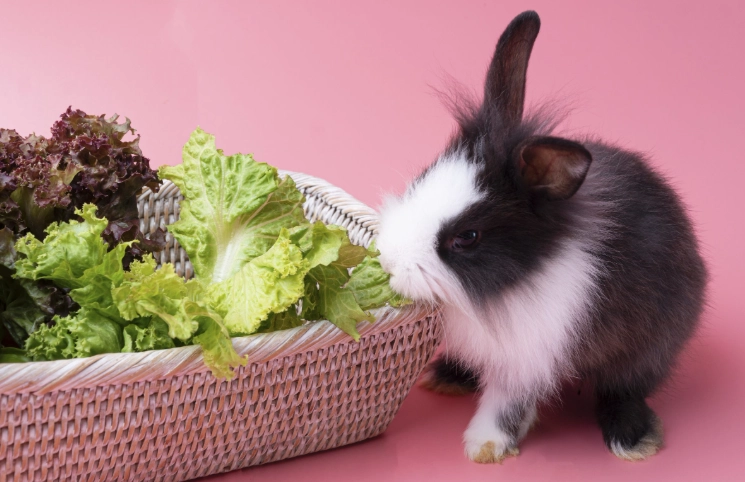
| Vegetable | Feed Frequency | Key Notes & Tips |
|---|---|---|
| Romaine Lettuce | Daily | The safest, most reliable leafy green. Avoid iceberg. |
| Cilantro / Coriander | Daily | Great flavor, usually a big hit. Stems are fine too. |
| Bell Pepper (de-seeded) | Daily | Excellent source of vitamins. All colors are good. |
| Spinach | 2-3 times/week | High in oxalates. Rotate with other greens. |
| Kale | 1-2 times/week | Use sparingly. Monitor for any digestive upset. |
| Broccoli Florets | 1-2 times/week | Start with a tiny piece. Can cause gas. |
| Carrot (root) | Treat only | High in sugar. A thin slice or two is plenty. |
The "No-Go" Zone: Vegetables Rabbits Should NOT Eat
This list is shorter but critical. These vegetables can cause serious digestive problems, are toxic, or are just nutritionally void.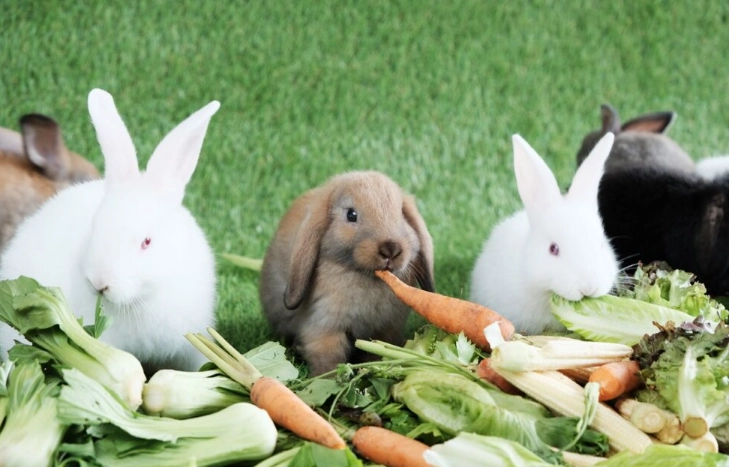
- Iceberg Lettuce: It's not toxic, but it's mostly water with little nutritional value and contains lactucarium, which can be a mild sedative and cause diarrhea. Just not worth it when romaine exists.
- Potatoes (any form, raw or cooked): They are starchy, high in carbs, and the eyes/sprouts are toxic. Absolutely not.
- Onions, Garlic, Leeks, Chives: All alliums. They can cause fatal blood disorders (hemolytic anemia). This includes cooked forms in human food.
- Rhubarb: The leaves are highly toxic. The stalk isn't great either. Just avoid the whole plant.
- Avocado: Contains persin, a fungicidal toxin that is deadly to many pets, including rabbits.
- Beans (dried, raw): Fresh green beans are fine in moderation. Raw kidney, lima, etc., are toxic.
- Corn / Corn on the cob: The hull of the kernel is indigestible and a major choking/blockage risk. Rabbits cannot digest corn properly.
When in doubt, leave it out.
If you're ever unsure about a specific vegetable, the USDA's food data can be a dry but useful resource to look up general nutritional content, though it won't have specific rabbit toxicity info. For that, stick to trusted rabbit-specific sources.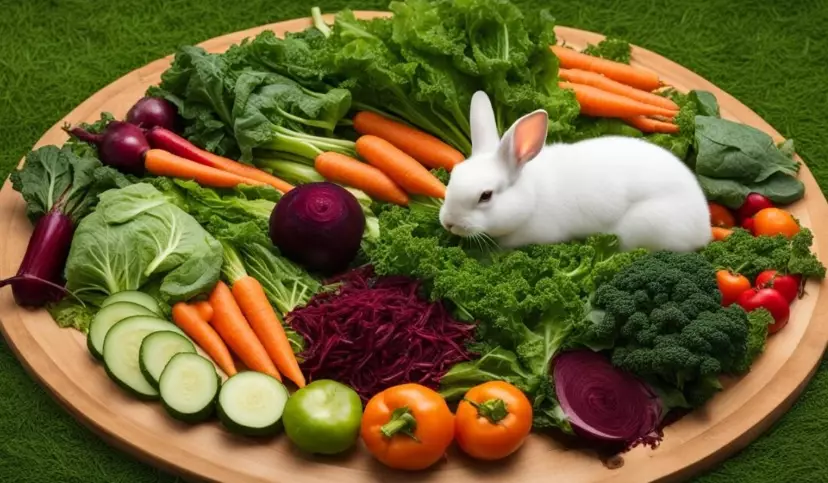
How Much and How to Feed: The Practical Guide
Knowing what vegetables should rabbits eat is only half the battle. The other half is how much and how to introduce them.
Portion Size: It's Not One-Size-Fits-All
A common guideline is about 1 packed cup of fresh vegetables per 2 lbs (about 1 kg) of body weight daily. But that's a starting point.
- A small Netherland Dwarf (2 lbs): ~1 cup daily.
- A standard-sized rabbit (6 lbs): ~3 cups daily.
- A Flemish Giant (14 lbs): You get the idea—a lot! But spread it out.
The Introduction Rule: Go Slow!
This is where most new owners slip up. If your rabbit is new to veggies, or you're trying a new one, introduce it one at a time. Give just a small piece or leaf. Wait 24 hours. Watch their poop. Is it still round, firm, and plentiful? Good. Is it small, misshapen, or mushy? Stop that new veggie and go back to basics (hay and water). Their gut flora needs time to adjust.
Introducing three new veggies at once is a recipe for disaster—you'll have no idea which one caused the issue.
Washing and Prep 101
Always wash vegetables thoroughly to remove pesticides and dirt. Organic is great, but washing non-organic is still essential. I usually give them a soak in a vinegar-water solution (1 part vinegar to 3 parts water) for a few minutes, then a good rinse.
Chop larger veggies (like celery, big carrot chunks) into manageable pieces to prevent choking. Remove any seeds from things like peppers and tomatoes.
What About Fruits and Other Treats?
Fruits are pure sugar in a rabbit's world. They are treats, not food. A teaspoon-sized amount per 2 lbs of body weight, 1-2 times a week, is plenty. Think: a blueberry, a thin apple slice (no seeds!), a small strawberry top. Banana? A sliver the size of your thumbnail. It's like candy for them.
And please, avoid the colorful, yogurt-dipped, seed-filled treats from the pet store. They are junk food. The best treats are a sprig of fragrant herb or a piece of their favorite safe veg.
Troubleshooting: When Good Veggies Go Bad
Even with the best list for what vegetables should rabbits eat, things can happen.
- Soft Cecotropes (the "night feces" they usually eat): If you see these uneaten and mushy, it often means too many sugary or rich foods (including some veggies and definitely fruits). Cut back on the treats and rich greens, increase hay.
- Gas (GI Stasis risk): Rabbits can't pass gas well. Gassy veggies (cabbage, broccoli, Brussels sprouts in excess) can cause painful bloating, leading to GI Stasis—a life-threatening slowdown of the gut. If your rabbit is hunched, not eating, and has no poop, it's a vet emergency.
- Selective Eating: Your rabbit might pick out the cilantro and leave the romaine. Little foodies. Try mixing the favorites in with the new items. Sometimes, chopping everything together into a "salad" helps.
Your Questions, Answered (The FAQ)
Figuring out what vegetables should rabbits eat feels like a big task at first, but it quickly becomes second nature. You'll learn your rabbit's preferences—my current bunny, Mochi, would sell his soul for a basil leaf, but turns his nose up at parsley. Every rabbit is different.
It's really about providing choice and balance. Once you get the hang of it, that moment in the produce aisle becomes one of creativity, not confusion. You'll be picking out a bunch of cilantro, some crisp romaine, and a colorful bell pepper, knowing exactly how your furry friend's nose is going to twitch with joy when you get home.
Comment