Quick Navigation
Let's be real for a second. When you first bring a rabbit home, the sheer amount of conflicting advice about their diet can be overwhelming. One website says a little fruit is fine, another screams it's a death sentence. You stare at your curious bunny nibbling on the carpet edge (another no-no, by the way) and wonder, with genuine panic, what can rabbits not eat?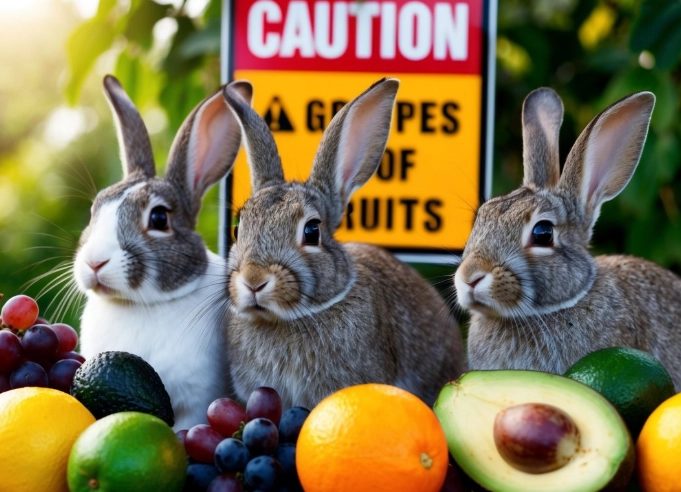
I've been there. Years ago, my first rabbit, Mochi, managed to snatch a tiny piece of onion from a dropped sandwich before I could stop him. The frantic vet call, the watchful night—it was terrifying and entirely preventable. That experience taught me that knowing the forbidden list isn't about being a paranoid owner; it's about being a prepared one. A rabbit's digestive system is a delicate, complex wonder that's nothing like a dog's or a human's. What's a healthy snack for us can be a fast-acting poison for them.
So, we're going to move beyond the basic "no chocolate" rule everyone knows. We'll dig into the why, the how, and the "what on earth do I do now" scenarios. We'll cover the obvious toxins and the sneaky dangers—the foods that seem harmless but can cause slow, cumulative damage. By the end, you'll have a crystal-clear picture of how to protect your furry friend.
The Absolute No-Go List: Foods That Are Toxic or Deadly
This is the critical section. These are the items that should never, under any circumstances, enter your rabbit's mouth. The reaction isn't always immediate, but the damage is often severe and sometimes irreversible.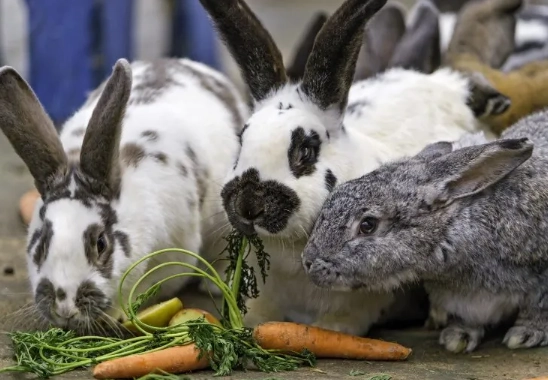
Foods from Your Kitchen
Our kitchens are minefields for bunnies. Many staples for us contain compounds their bodies simply cannot process.
Allium Vegetables: This is a big one. Onions, garlic, leeks, chives, and shallots. In all forms—raw, cooked, powdered, or dehydrated. They contain thiosulphate, which destroys a rabbit's red blood cells, leading to hemolytic anemia. Garlic powder in a seasoning blend is a major hidden danger.
Chocolate and Caffeine: Theobromine and caffeine are cardiac stimulants. For a small animal like a rabbit, even a small amount can cause heart arrhythmia, seizures, and death. This includes coffee, tea, and energy drinks.
Avocado: Every part of the avocado—the flesh, skin, and pit—contains persin, a fungicidal toxin. It causes respiratory distress, heart failure, and can be fatal. It's one of the most dangerous items on the list.
Alcohol and Yeast Dough: Obvious, but worth stating. Unbaked bread dough can expand in their stomach, causing a life-threatening blockage and producing alcohol as it ferments.
I remember reading a forum post from a devastated owner whose rabbit got into a bag of onion bagel chips. The rabbit didn't show symptoms for a day, then became lethagic. The vet confirmed poisoning. It's the sneaky, processed forms that catch you off guard.
Common Garden Plants & Flowers
If your rabbit has any access to a garden, you need to audit it. Many ornamental plants are highly toxic.
| Plant Name | Toxic Parts | Primary Risk / Symptoms |
|---|---|---|
| Rhubarb | Leaves (stalks are also risky) | Oxalic acid poisoning; kidney failure, tremors. |
| Foxglove | All parts | Digitalis glycosides; severe heart arrhythmia, death. |
| Lily of the Valley | All parts | Cardiac glycosides; vomiting, diarrhea, heart failure. |
| Nightshades (e.g., Deadly Nightshade, Tomato leaves/stems) | Leaves, stems, unripe fruit | Solanine; gastrointestinal upset, confusion, weakness. |
| Azalea / Rhododendron | All parts | Grayanotoxins; drooling, weakness, coma, cardiovascular collapse. |
| Oleander | All parts - extremely toxic | Cardiac glycosides; often fatal, even from small amounts. |
The scary part about plants is that a curious bunny might take just one bite. If you're unsure about a plant, the safest rule is to assume it's unsafe. Resources like the ASPCA's Animal Poison Control Center website have extensive, searchable lists.
The "Dangerous in Quantity" Foods: The Misunderstood Risks
This category trips up even experienced owners. These foods aren't instantly toxic like chocolate, but they disrupt the delicate balance of a rabbit's gut flora, leading to GI stasis—a silent killer. GI stasis is when the gut slows down or stops moving, allowing harmful bacteria to overgrow and release deadly toxins.
This is where I made my second big mistake with Mochi. I thought, "Carrots are good for rabbits!" and gave him baby carrots as daily treats. He developed soft cecotropes and early signs of gut imbalance. The vet explained that carrots are high in sugar and should be a rare treat, not a staple. It was a lesson in moderation.
High-Sugar or High-Starch Foods
A rabbit's diet should be overwhelmingly high in fiber (hay), very low in sugar, and low in starch. These foods flip that ratio.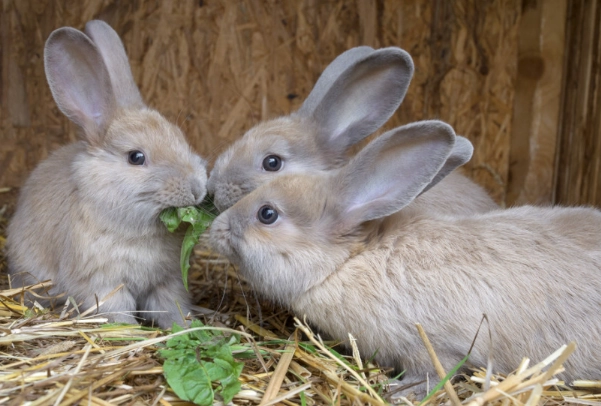
- Bread, Crackers, Pasta, Cereal: These offer zero nutritional value for a rabbit. The refined carbohydrates and starches ferment in the cecum, causing a bacterial imbalance and bloating.
- Legumes & Beans: Kidney beans, chickpeas, lentils (raw or cooked). They are protein and starch bombs that cause severe gas and digestive distress. That painful bloat can be a fast track to stasis.
- Nuts & Seeds: Too high in fat and protein. They can cause obesity and fatty liver disease. The small size also poses a choking hazard.
- Corn (especially on the cob): The kernels are starchy and hard to digest. The cob itself is a major intestinal blockage risk. I've heard horror stories from vets about cob removals.
So, when you're thinking about what rabbits cannot eat, remember that the gut disruptors are just as dangerous as the outright toxins, they just work slower.
Problematic Fruits & Vegetables (Even the Healthy-Looking Ones)
This is the murkiest area. Many fruits and veggies are fine in tiny, infrequent amounts but become dangerous if fed incorrectly.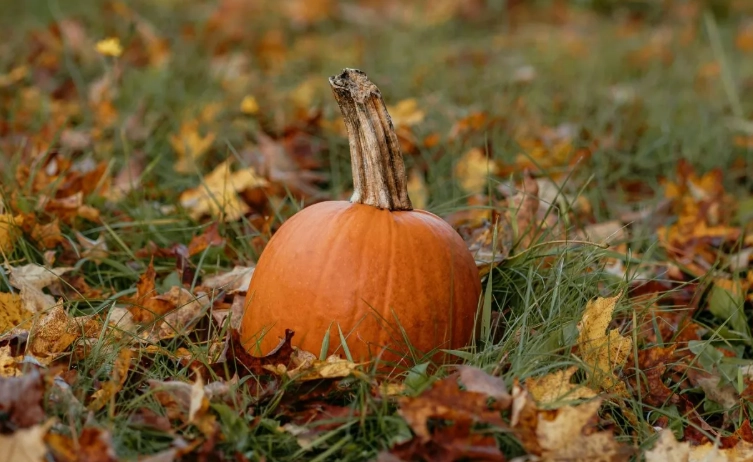
The Golden Rule of Treats: Fruit is candy for rabbits. A safe serving is 1-2 teaspoons per 2 lbs of body weight, only 1-2 times per week. Always introduce any new food in a minuscule amount and wait 24 hours to check for soft stools.
- Iceberg Lettuce: It's mostly water and contains lactucarium, which can be mildly toxic in large quantities, causing diarrhea and dehydration. Opt for darker greens like romaine, green leaf, or herbs.
- Potatoes (Raw or Green Parts): Raw potatoes contain solanine (like tomato leaves). They are also pure starch. Cooked plain potato is just starch—no nutritional benefit and high risk of gut upset.
- Citrus Fruits: Oranges, lemons, limes. The high acidity can cause mouth sores and upset their stomach. The peels and oils are particularly harsh. Most experts recommend avoiding them.
- Stone Fruit Pits: Apples, peaches, plums, apricots—the flesh is a rare treat, but the seeds/pits contain cyanogenic glycosides (which can release cyanide). Always remove seeds and pits completely.
Household & Miscellaneous Hazards
Rabbits explore with their mouths. It's not just about the food you offer; it's about what they can find.
Human Medications: Never, ever give your rabbit human painkillers like ibuprofen or acetaminophen. They are extremely toxic. Medication must only come from a rabbit-savvy vet.
Houseplants: Many common houseplants are toxic. Pothos, Philodendron, Dieffenbachia, Sago Palm, and Peace Lily are a few big ones. Assume all houseplants are unsafe unless you've verified otherwise. Keep them on high shelves or in inaccessible rooms.
Processed Foods: Candy, chips, cookies, breakfast cereals. The sugar, salt, artificial colors, and preservatives are a disaster for their system.
Meat and Dairy: Rabbits are strict herbivores. Their digestive tract cannot process any animal protein or lactose. It will cause severe digestive illness.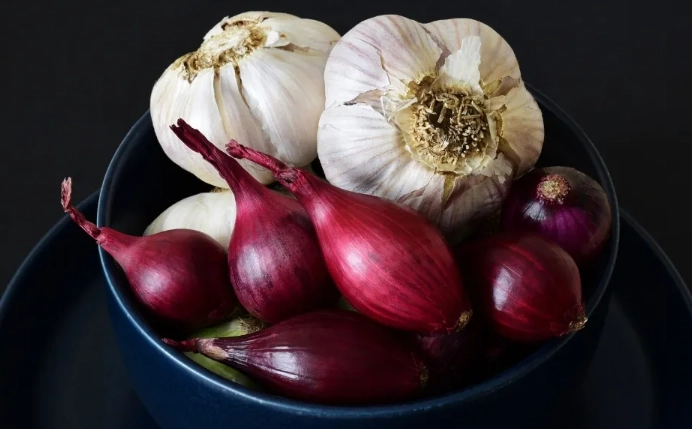
What To Do If Your Rabbit Eats Something Dangerous
Panic is the enemy. Action is the friend.
- Identify the Substance: Try to figure out what and how much they ate. Grab the packaging or a sample of the plant.
- Do NOT Induce Vomiting: Rabbits cannot vomit. Trying to make them will cause aspiration and further harm.
- Call Your Vet or an Emergency Hotline Immediately: Time is critical. Have your vet's number and the number for a 24/7 emergency exotic animal clinic saved. The Pet Poison Helpline is a superb resource, though note there may be a fee.
- Monitor Closely: While seeking help, watch for symptoms: lethargy, loss of appetite, grinding teeth (pain), diarrhea, bloated abdomen, stumbling, or seizures.
Knowing what can rabbits not eat is pointless if you don't know the emergency steps. Print this out and stick it on your fridge.
Building a Positive, Safe Diet: What SHOULD They Eat?
Focusing on the "no" list can feel negative. Let's flip it. Here’s the simple, positive blueprint for a thriving rabbit.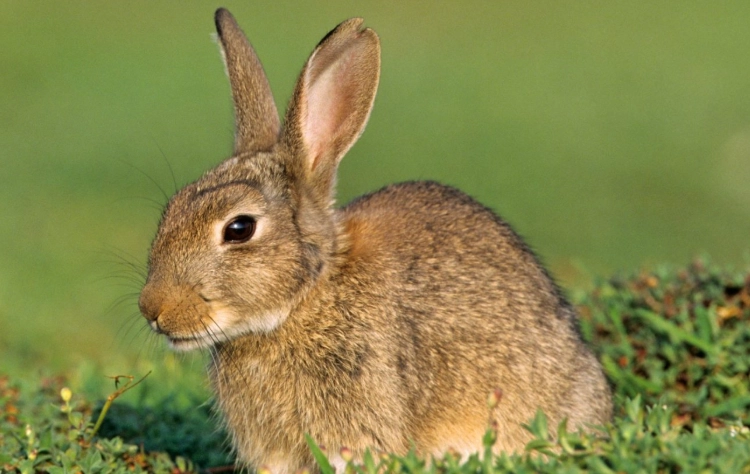
Your Rabbit Diet FAQ
The Final Word on Keeping Your Bunny Safe
Look, the internet is full of scary lists and conflicting advice. It can make you anxious every time your bunny sniffs something new. The goal isn't to live in fear; it's to build knowledge that lets you relax and enjoy your pet.
Knowing what rabbits cannot eat is the foundation of that knowledge. It allows you to bunny-proof your home effectively, shop for groceries confidently, and explain to well-meaning friends and family why they can't share their snack.
Stick to the core diet of hay, greens, and pellets. Treat treats as just that—rare rewards. When you're unsure about a new food, a quick check against a reliable source takes ten seconds and could save a life. Your rabbit's health is literally in your hands, and from what I've seen, that's a responsibility most owners are more than happy to take on for the joy these quirky, wonderful creatures bring.
Mochi lived a long, happy life after his early scares, partly because I learned these lessons the hard way. I hope this guide helps you skip the scary parts and get straight to the good stuff—the happy binkies, the gentle nose bonks, and the peace of mind that comes from knowing you're providing the safest possible home.
Comment