Quick Guide
Let's be honest, the first time you saw a dirty patch on your bunny's fur, your instinct probably screamed "bath time!" I mean, that's what we do for dogs and cats, right? So, naturally, the question pops into every new rabbit owner's head: should you give rabbits a bath?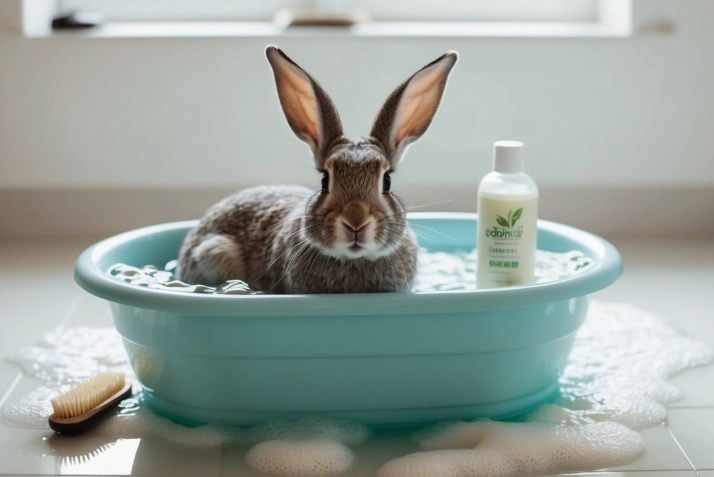
The short, blunt, and absolutely critical answer is almost always no. A full, submerged water bath is one of the most dangerous things you can do to a pet rabbit. It's not just a bad idea; in many cases, it's a potentially fatal one. I learned this the hard way years ago, not with a tragedy thankfully, but with a seriously stressed-out bunny and a vet bill that made me wish I'd done my research first.
This isn't about being overly cautious. It's about understanding a fundamental biological difference between rabbits and other pets. Their entire system, from their skin to their stress levels, is built for a life of meticulous self-cleaning on dry land. Dunking them in water disrupts everything.
That's exactly what this guide is for. We're going to dig deep into the why behind the "no bath" rule, explore the real and scary risks, and most importantly, walk you through every single safe, effective, and vet-approved method for cleaning your rabbit. Whether it's a muddy paw, a soiled bottom, or just general upkeep, you'll know exactly what to do. And more importantly, what not to do.
Why Giving Your Rabbit a Water Bath is a Terrible Idea
You might think a quick bath can't hurt. I used to think that too. But rabbits are prey animals, and their bodies react to stress in extreme ways. A bath isn't just getting wet; it's a perfect storm of physical and psychological threats.
The Physical Dangers: It's More Than Just a Chill
First, let's talk about their fur. A rabbit's coat is incredibly dense. It's designed to insulate them. When it gets soaking wet, it loses all its insulating properties. The water gets trapped close to the skin, and evaporation causes a rapid drop in body temperature. This is hypothermia, and it can set in frighteningly fast, even in a warm room. A rabbit's normal body temperature is around 101-103°F (38.3-39.4°C). Just a few degrees drop can lead to a dangerous slowdown of their bodily functions.
Then there's the risk of shock. The intense stress and fear of being restrained and immersed in water can literally send a rabbit into shock. Their heart rate skyrockets, their system floods with stress hormones, and it can lead to heart failure. It sounds dramatic, but rabbit rescuers and veterinarians see it happen.
And we haven't even gotten to the aftermath. Trying to dry a rabbit is a nightmare. Hair dryers are far too hot and loud, causing burns or more stress. Towel drying never gets to the deep undercoat. That damp undercoat becomes a breeding ground for fungal infections, like ringworm, or can cause severe skin irritation and sores.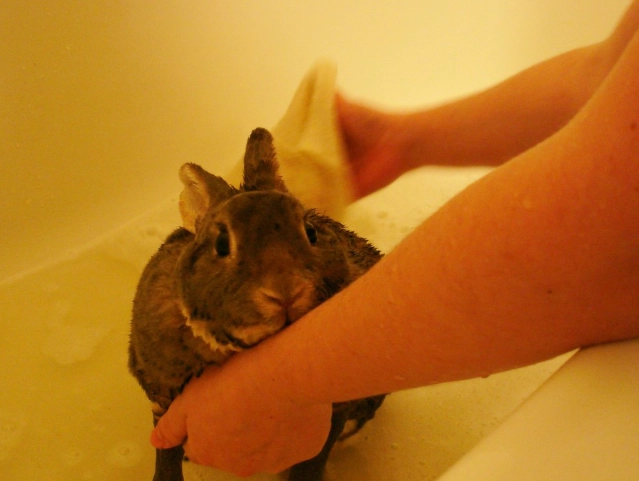
A Quick Story
A friend of mine, thinking she was helping, gave her Netherland Dwarf a "gentle" bath for a dirty rear. The bunny seemed okay afterward, just a bit skittish. Two days later, she was at the emergency vet with a rabbit suffering from pneumonia. The vet's theory? Inhaled water droplets or stress-induced weakening of the immune system. The recovery was long and expensive. It was a brutal lesson that "should you give rabbits a bath" has a very clear answer.
The Psychological Toll: Fear is a Physical Force
We often underestimate how deeply stress affects rabbits. They are not wired to handle forced immersion. The struggle, the slippery surface, the inability to escape—it triggers a primal panic. This extreme fear can break the trust you've built with your rabbit, making them fearful of you and of being handled for a long time afterward. It can also lead to gastrointestinal stasis, a common and deadly condition in rabbits where their gut slows down or stops completely due to stress.
So, when you're wondering, "should I give my rabbit a bath?", you're really asking, "Is this worth risking hypothermia, shock, pneumonia, skin disease, and a terrified pet?" The math just doesn't add up.
So, How DO You Clean a Rabbit? The Safe Methods
Okay, so the traditional bath is banned. But rabbits, especially those with light fur, older bunnies, or ones with certain health issues, can get messy. Here’s your complete toolkit for safe cleaning, ranked from most common to least.
1. The Power of the Rabbit's Own Grooming
Your first and best cleaning tool is your rabbit themselves. A healthy rabbit will spend hours a day grooming. Your job is to support this. Regular, gentle brushing is the number one way to keep their coat clean, remove loose dirt, and prevent mats. For most rabbits, a quick brush a few times a week is plenty. During shedding seasons (they can be brutal!), daily brushing is a must to prevent them from ingesting too much fur, which can cause blockages.
Pro Tip: Use a slicker brush for rabbits with longer fur and a soft-bristled brush or grooming mitt for short-haired breeds. Always brush in the direction of the fur growth, and be extra gentle around their delicate skin.
2. Spot Cleaning (The Go-To Method)
This is the answer 95% of the time. For muddy feet, a soiled chin (from a wet water bottle), or a dirty bottom, you don't need a full bath. You need a damp cloth.
- What you need: A soft cloth (like a baby washcloth or piece of fleece) and lukewarm water. Not hot water. You can also use unscented, hypoallergenic baby wipes that are alcohol-free, but plain water is often best.
- How to do it: Dampen a corner of the cloth—it should be moist, not dripping. Gently hold your rabbit securely (try wrapping them in a towel like a burrito to keep them calm and still). Wipe the soiled area softly. You may need to let the dampness soften the mess for a minute before wiping it away. Use a dry part of the cloth or a separate dry towel to pat the area thoroughly until it's completely dry.
This method addresses the mess without soaking the skin or causing major stress. It’s the perfect solution for the everyday "oops" moments.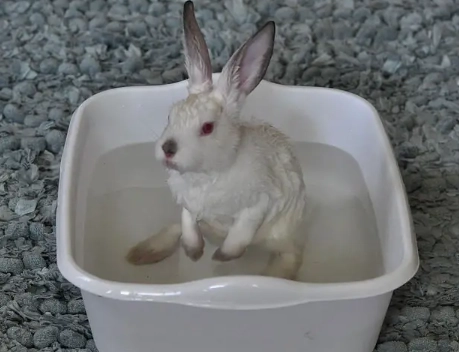
3. The Dry Bath (Cornstarch Method)
For sticky substances like sap, gum, or stubborn, dry poop balls (cecotropes) stuck in the fur, water might make it worse. Enter the dry bath.
- What you need: Plain cornstarch or cornstarch-based baby powder (talc-free). Do not use talcum powder.
- How to do it: Sprinkle a generous amount of cornstarch directly onto the sticky or matted area. Gently work it into the fur with your fingers. The cornstarch will absorb moisture and help loosen the gunk. Let it sit for a few minutes, then very carefully comb or pick the substance out of the fur. You can then brush out the remaining cornstarch.
4. The "Butt Bath" or Sitz Bath (For Severe Cases)
Sometimes, especially with older, arthritic, or obese rabbits who can't properly groom their hindquarters, urine or feces can cake onto the fur and skin. This is a medical hygiene issue that can lead to urine scalding (painful burns) and flystrike (a horrific, life-threatening condition). In these cases, a very localized, partial clean is necessary. This is the closest you should ever get to asking "should you give rabbits a bath?" and answering "maybe, but only this tiny part."
- Consult a vet first if you're unsure. The underlying cause (obesity, arthritis) needs addressing.
- Fill a shallow bowl or sink with just an inch or two of lukewarm water—enough to cover only the soiled area when the rabbit is sitting.
- Securely hold your rabbit, supporting their chest and front legs. Gently lower only their hindquarters into the water. Keep their upper body completely dry and out of the water.
- With your free hand, gently swish the water over the soiled fur to soften it. You may use a tiny drop of a mild, rabbit-safe shampoo (ask your vet) on the soiled spot only.
- Lift them out immediately after the mess is softened. Rinse by pouring clean, lukewarm water from a cup over the area, or using a damp cloth.
- The most critical step: Dry, dry, dry. Pat with towels immediately. Then, use a hair dryer on the lowest, coolest setting, held at least a foot away, constantly moving it, to ensure the undercoat is completely dry. Check the skin with your fingers.
This is a high-stress procedure for both rabbit and owner. It's a last resort for health, not for general cleanliness.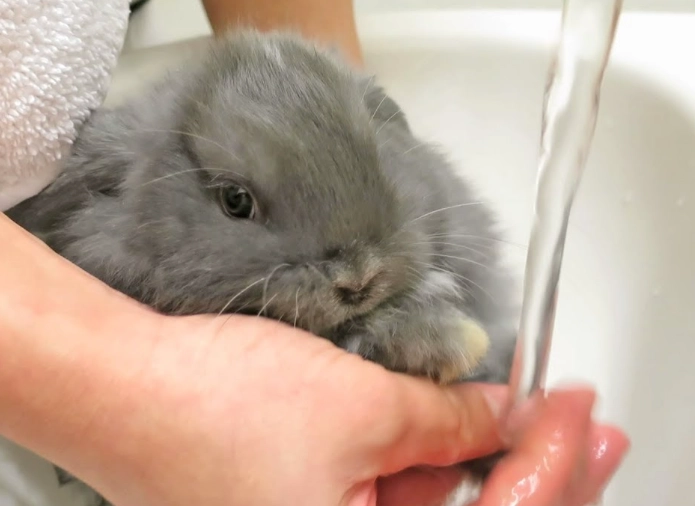
| Cleaning Method | Best For | Key Supplies | Risk Level |
|---|---|---|---|
| Spot Cleaning | Muddy paws, dirty chin, minor stains | Damp cloth, lukewarm water | Very Low |
| Dry Bath (Cornstarch) | Sticky substances (sap, gum), dry cecotropes | Cornstarch, fine-tooth comb | Low |
| Brushing | General coat maintenance, removing dirt/shed fur | Slicker brush, grooming mitt | None |
| "Butt Bath" / Sitz Bath | Severe urine/feces soiling (medical issue) | Shallow water, towels, cool hair dryer | High (Requires extreme care) |
| Full Water Bath | Almost Nothing | N/A (Do not use) | Extreme / Life-Threatening |
When Might a Vet Say a Bath is Necessary?
There are vanishingly rare exceptions, and they are always under the direct guidance of a veterinarian. The only time the rule of "should you give rabbits a bath" might be bent is if the rabbit is contaminated with a toxic or dangerous substance that cannot be removed by spot cleaning or cornstarch. Think motor oil, toxic paint, or insecticides. Even then, the vet will likely perform or supervise the procedure in a clinical setting. For the average owner with a simply dirty rabbit, this exception does not apply.
Your Rabbit Cleaning FAQs Answered
- Use absorbent, dust-free bedding (like aspen shavings or paper-based bedding) and clean the litter box frequently.
- Ensure their living space is dry and well-ventilated.
- Provide a healthy diet (mainly hay) to promote firm, healthy droppings.
- Regular grooming removes dirt before it becomes a problem.
- For rabbits with chronic messy bottoms, check with your vet about weight management or arthritis treatment.
The Final Word: Trust the Experts, Not Your Instincts
The consensus from every major rabbit welfare organization is unanimous. The American Rabbit Breeders Association (ARBA) and the House Rabbit Society (HRS) explicitly warn against submerging rabbits in water for baths. The House Rabbit Society's website is an invaluable treasure trove of expert care advice, and their stance on bathing is clear: it's dangerous.
Similarly, veterinary resources like those from the Merck Veterinary Manual emphasize the unique sensitivities of rabbits, including their susceptibility to stress-related illnesses, which a bath directly induces.
So, circling back to our core question: should you give rabbits a bath?
The definitive answer is no, you should not give your rabbit a traditional, full-body water bath. The risks of hypothermia, shock, respiratory illness, and severe psychological trauma far outweigh any perceived benefit. A clean rabbit is a happy rabbit, but cleanliness is achieved through diligent brushing, strategic spot cleaning with a damp cloth, and the rare, carefully managed "butt bath" for medical hygiene issues—not through a tub of water.
Your rabbit's instinct and daily grooming rituals, supported by your gentle brushing and occasional spot help, are all they need to stay perfectly clean. Throwing a bath into the mix is solving a problem that doesn't exist with a tool that causes harm. Listen to the experts, listen to your bunny's biology, and keep that bathwater for yourself.
Comment