In This Guide
- What's the Average Life Expectancy of Rabbits?
- Key Factors That Determine a Rabbit's Lifespan
- Rabbit Lifespan by Breed: A Detailed Breakdown
- How to Extend Your Rabbit's Lifespan: Practical Care Guide
- Common Health Issues That Affect Rabbit Lifespan
- Your Rabbit's Life Stages: From Kit to Senior
- Answering Your Top Rabbit Lifespan Questions
- Putting It All Together: Your Longevity Checklist
So, you're thinking about getting a rabbit, or maybe you already have one hopping around your living room. One of the very first questions that pops into anyone's head is, "How long is this fluffy friend going to be with me?" It's a big deal. You're committing to a life, and you want to know what you're signing up for. I remember when I first got my rabbit, Thumper, I was shocked to learn they could live longer than some dogs. I had this idea they were sort of like hamsters, but boy, was I wrong.
The life expectancy of rabbits isn't just a number. It's a story shaped by genetics, care, and a bit of luck. It's the difference between a pet that's with you for a few years and a companion that shares a decade of your life. And honestly, getting it right matters.
Let's cut to the chase. If you're looking for a quick answer, the average life expectancy of pet rabbits kept indoors with good care is typically between 8 to 12 years. But that range depends heavily on breed, size, and the quality of care they receive. Giant breeds like Flemish Giants might live slightly shorter lives on average than smaller breeds, but with excellent care, they can still reach a respectable age.
What's the Average Life Expectancy of Rabbits?
Okay, let's get into the nitty-gritty. When people ask about the life expectancy of rabbits, they usually want a simple number. But it's more complicated than that. The average lifespan you see tossed around – 8 to 12 years – is just that, an average. It's a midpoint in a huge range.
Think about it like this. A tiny Netherland Dwarf and a massive Continental Giant are both rabbits, but they're as different as a Chihuahua and a Great Dane. Their biological clocks tick at different rates. Smaller breeds, having evolved from wild rabbits with faster metabolisms and more frequent breeding cycles, often have the potential for longer lifespans. Larger breeds mature later and age differently. So, pinning down a single "life expectancy of rabbits" is tricky because it varies wildly.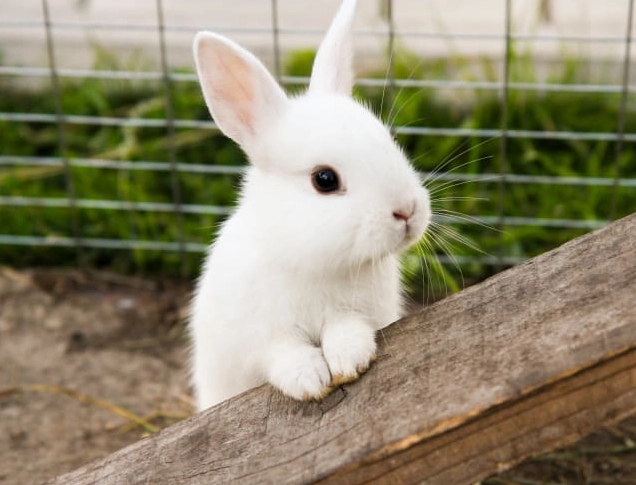
Wild rabbits, facing predators, disease, and harsh weather, obviously have much shorter lifespans, often just 1-2 years. Pet rabbits, protected from these dangers, have the potential for much longer, healthier lives.
But here's the real heart of the matter. The life expectancy of rabbits in captivity isn't just about avoiding early death. It's about quality of life. A rabbit that lives to 12 but spends its last years in pain isn't a success story. A rabbit that lives a full, vibrant 8 years is a much better outcome. My focus is always on quality, not just quantity.
I need to pause here. Writing about pet lifespans always makes me check my own priorities. Is my goal just to hit a word count, or is it to provide real value? I think it's the latter. The fact that you're reading this shows you care about your rabbit's wellbeing. That's a good start. Let's talk about how to maximize both quality and quantity of life.
Key Factors That Determine a Rabbit's Lifespan
So, what determines how long a rabbit lives? It's a mix of genetics, care, and environment. Let's break it down.
Genetics and Breed
Just like dogs, rabbit breeds have different genetic predispositions. Some breeds are prone to specific health issues that can shorten their lifespan. For example, lop-eared breeds with their adorable floppy ears can be prone to ear infections and dental problems due to the skull shape that accompanies the lop gene. Flat-faced breeds like Netherland Dwarfs can have dental issues. Being aware of your breed's tendencies helps you provide proactive care.
Diet and Nutrition
You are what you eat, and that goes double for rabbits. Their digestive systems are finely tuned fermenters. A diet high in poor-quality pellets, sugary treats, and low in hay disrupts their gut flora, leading to potentially fatal conditions like GI Stasis. A species-appropriate diet of unlimited grass hay, fresh leafy greens, and a limited amount of pellets is crucial for a long life expectancy of rabbits.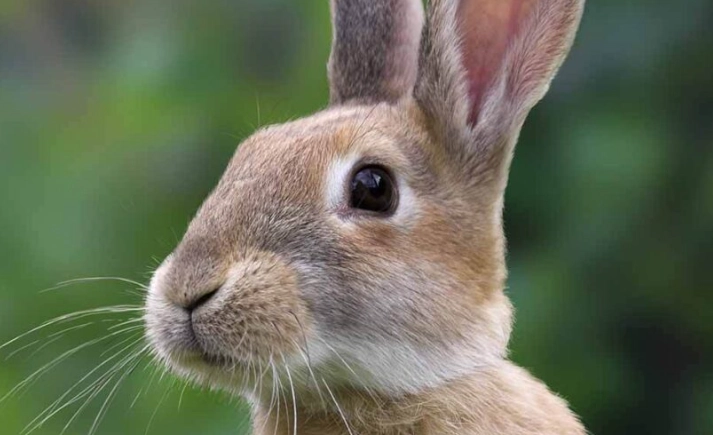
Housing and Environment
Rabbits are prey animals and stress can literally make them sick. Keeping them in a cramped cage, without enough space to exhibit natural behaviors like hopping, digging, and playing, is a huge stressor. Providing a large, enriched enclosure with hiding places, platforms, and chew toys is essential for their mental and physical health, which directly impacts their life expectancy of rabbits.
Veterinary Care
Rabbits need a vet who specializes in "exotics." Annual check-ups are a must to catch problems early. Spaying/neutering not only prevents reproductive cancers (very common in rabbits) but also reduces hormonal behaviors that can lead to stress and injury. Having a vet familiar with rabbits can be the difference between life and death in an emergency.
See? It's not rocket science, but it does require commitment. Now, let's look at some specific numbers.
Rabbit Lifespan by Breed: A Detailed Breakdown
Not all rabbits are created equal. A giant Flemish Giant has different needs and potential health issues than a tiny Holland Lop. Here’s a more detailed look at how breed impacts the life expectancy of rabbits.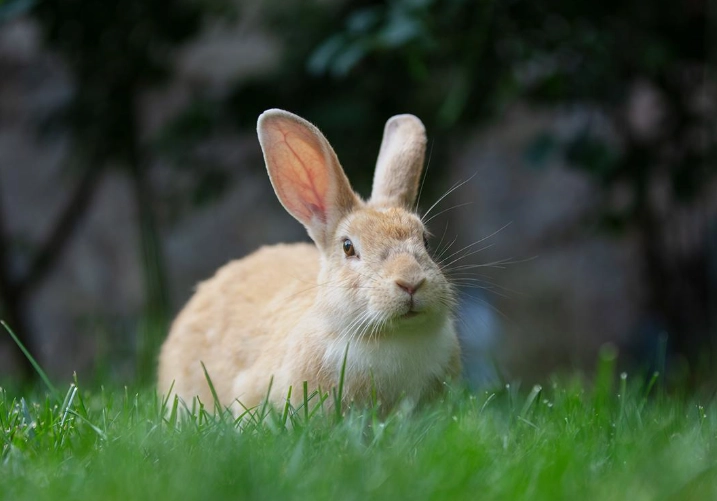
| Breed | Size Category | Average Lifespan (Years) | Key Health Considerations |
|---|---|---|---|
| Netherland Dwarf | Small (1.1-2.5 lbs) | 7-10 | Dental issues due to brachycephalic (flat) face; prone to obesity. |
| Holland Lop | Small (2-4 lbs) | 7-12 | Ear infections (lop ears), dental issues, back problems. |
| Mini Rex | Small (3.5-4.5 lbs) | 7-11 | Generally robust; watch for sore hocks (Rex fur is plush). |
| Lionhead | Small (2.5-3.5 lbs) | 7-10 | Dental issues, wool block (from mane), require regular grooming. |
| Dutch | Small/Medium (3.5-5.5 lbs) | 5-8 | Generally healthy; some lines prone to dental issues. |
| English Spot | Medium (5-8 lbs) | 5-9 | Active breed; prone to flystrike if not kept clean. |
| Flemish Giant | Giant (13+ lbs) | 5-8 | Joint issues (arthritis), heart problems, higher risk of cancer. |
| Continental Giant | Giant (16+ lbs) | 4-7 | Similar to Flemish; shorter lifespan common in giant breeds. |
| Mixed Breed / "Rescue" | Varies | 8-12+ | Often benefit from hybrid vigor; lifespan can be longer and more robust. |
Remember, these are averages.
A well-cared-for Flemish Giant can hit 10, while a neglected Netherland Dwarf might not see 5. The "mixed breed" category is interesting – just like mutts in dogs, they often have fewer inherited breed-specific problems, which can lead to a longer, healthier life expectancy of rabbits.
Pro Tip: When considering a rabbit, don't just go for the cutest face. Research the breed's health tendencies and be honest about your ability to manage them. A giant breed needs more space and may incur higher vet bills. A long-haired breed needs daily grooming. Matching the rabbit's needs to your lifestyle is the first step toward a long partnership.
How to Extend Your Rabbit's Lifespan: Practical Care Guide
Alright, so you want your bunny to live its best, longest life. It's not about magic potions or expensive treatments. It's about consistent, excellent daily care. Here’s what that looks like.
The Foundation: Diet and Hydration
This is non-negotiable. A rabbit's gut is a delicate ecosystem.
- Unlimited Grass Hay (80-90% of diet): Timothy, Orchard, Oat, Meadow. Hay keeps their teeth worn down (which grow continuously) and their gut moving. It's the bedrock of a healthy life expectancy of rabbits.
- Fresh Leafy Greens (10-15%): Romaine, kale, cilantro, dandelion greens. Variety is key. Introduce new greens slowly.
- High-Quality Pellets (5% or less): Look for timothy-based pellets with high fiber (18%+), low protein, and low calcium. No colorful bits or seeds.
- Fresh Water: Always available, changed daily. A heavy ceramic bowl is better than a bottle as it allows a more natural drinking posture.
- Treats: Sparingly. A small piece of fruit (like a blueberry or apple slice) once or twice a week. No yogurt drops, seeds, or bread.
I learned the hard way with Thumper. Too many pellets and not enough hay led to a scary bout of GI stasis. The vet bill was a wake-up call. Now, hay is king in our house.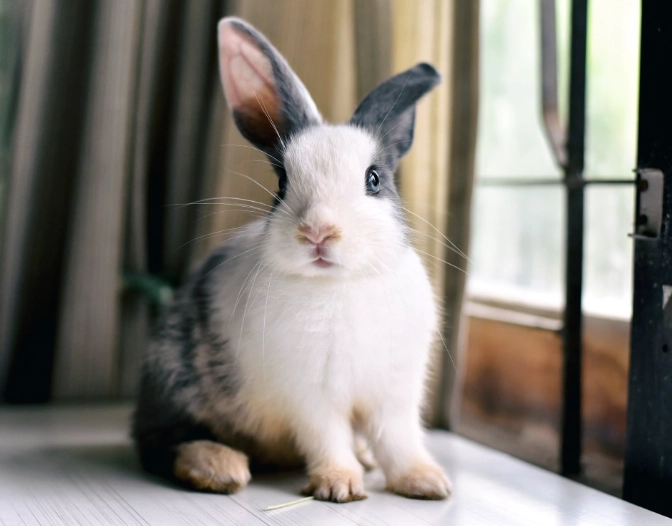
Creating a Rabbit-Proofed Paradise
Rabbits need to run, jump, dig, and explore. Confinement in a small cage leads to obesity, muscle atrophy, and boredom.
- Space: The absolute minimum is an exercise pen (x-pen) that's at least 4ft x 4ft, but bigger is always better. Many owners dedicate a rabbit-proofed room or use puppy pens to create a large enclosure.
- Enrichment: Cardboard boxes, tunnels (store-bought or made from cardboard concrete forms), willow balls, untreated wood chews. Rotate toys to prevent boredom.
- Litter Training: Rabbits are naturally clean. Use a large litter box with a rabbit-safe litter (paper-based, aspen shavings) and put hay in a rack right over it. They love to munch and poop.
- Rabbit-Proofing: Protect electrical cords (cord covers are a must), baseboards, and furniture legs. They will chew. It's not spite; it's a biological need.
Medical Care: Prevention and Vigilance
Rabbits are masters at hiding illness. By the time they show obvious signs, they can be very sick.
- Find an Exotics Vet: Before you need one. Regular check-ups (at least annually) are crucial.
- Spay/Neuter: This is one of the single biggest things you can do to extend your rabbit's life expectancy. It virtually eliminates the risk of uterine cancer in females (up to 80% of unspayed females develop it) and reduces aggression and territory marking in males.
- Vaccinations: In some regions, like the UK, vaccinations against Myxomatosis and Rabbit Hemorrhagic Disease (RHD/RHD2) are essential and life-saving. Consult your local vet.
- Daily Health Checks: Get to know what's normal. Check appetite, water intake, poop size/shape, activity level. Feel their body for any lumps or bumps. Look at their teeth (if you can safely) and check their bottom for cleanliness.
Common Health Issues That Affect Rabbit Lifespan
Knowing the enemy helps you fight it. Here are the big ones that can cut a rabbit's life short.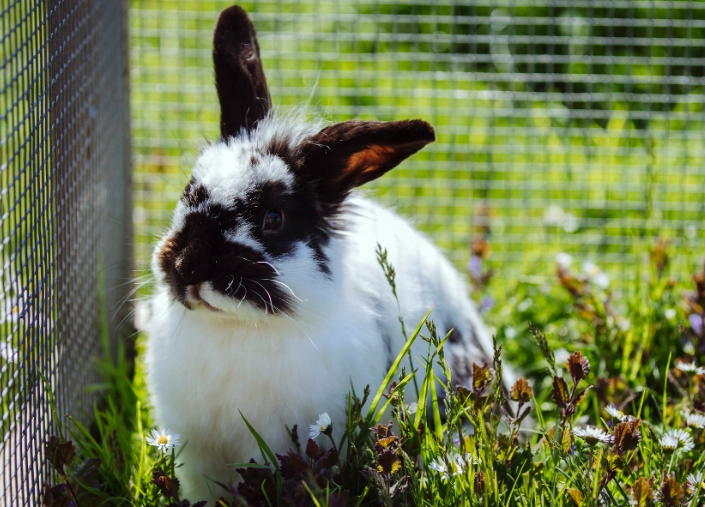
Gastrointestinal (GI) Stasis
The silent killer. It's not a disease itself but a symptom where the gut slows down or stops. Causes include pain, stress, dehydration, or a diet low in fiber. Signs: small or no poop, hunched posture, loss of appetite. This is a life-threatening emergency. Immediate vet care is needed to provide pain relief, fluid therapy, and gut motility drugs.
Dental Disease
Rabbit teeth grow continuously. If they don't wear down properly (malocclusion), they develop sharp spikes that cut into the tongue or cheeks, causing pain and preventing eating. Signs: drooling, dropping food, weight loss, facial swelling. Requires regular vet dental filing under anesthesia.
Respiratory Infections (Snuffles)
Often caused by the bacteria *Pasteurella multocida*. Signs: sneezing, nasal discharge, matted fur on front paws (from wiping nose). Chronic infections can lead to pneumonia. Stress is a major trigger. Needs antibiotic treatment from a vet.
Uterine Cancer
As mentioned, extremely common in unspayed females. Spaying removes the risk entirely.
Flystrike
A horrific condition where flies lay eggs on a rabbit's soiled fur (usually around the bottom), and the maggots hatch and eat the rabbit's flesh. Preventable by keeping the rabbit clean, dry, and checking their bottom daily, especially in summer or if they have mobility issues.
It's a grim list, I know. But the good news? Most are preventable or manageable with the care we've talked about.
I'll be honest, reading about these health issues used to scare me. It made rabbit care seem overwhelming. But then I realized it's like driving a car. You learn the rules, you do the maintenance, and you stay alert. You don't dwell on the potential for a crash; you just drive responsibly. Same with rabbits. Good care is your daily maintenance.
Your Rabbit's Life Stages: From Kit to Senior
A rabbit's needs change as they age. Understanding these stages helps you provide age-appropriate care throughout their life expectancy.
Baby (Kit) to Juvenile (0-6 months)
Rapid growth. They nurse, then transition to alfalfa hay (higher in calcium/protein) and alfalfa-based pellets. Socialization is key. Schedule spay/neuter around 4-6 months.
Young Adult (7 months - 3 years)
Prime of life. Switch to timothy hay and adult pellets. This is when their personality shines. They're energetic and playful. Provide plenty of space and enrichment.
Adult (3-6 years)
May start to mellow. Maintain excellent diet and exercise to prevent middle-aged spread. Annual vet check-ups are crucial to catch early signs of chronic issues.
Senior (7+ years)
Needs may change significantly. They may sleep more, be less agile, and have a slower metabolism. You might need to:
- Switch to senior rabbit pellets if they struggle to maintain weight.
- Provide softer bedding and lower-entry litter boxes for arthritis.
- Groom them more frequently as they may have trouble self-grooming.
- Increase vet visits to every 6 months.
- Be extra vigilant for signs of pain or illness.
Caring for a senior rabbit is a special privilege. It requires patience and adaptation, but the bond you've built over the years makes it deeply rewarding.
Answering Your Top Rabbit Lifespan Questions
Putting It All Together: Your Longevity Checklist
Let's make this simple. Here’s your actionable checklist for maximizing your rabbit's life expectancy:
- [ ] Indoor Home: Rabbit lives safely inside your home, not in an outdoor hutch.
- [ ] Unlimited Hay: Fresh grass hay is available 24/7.
- [ ] Exotics Vet: You have a vet and schedule annual check-ups.
- [ ] Spayed/Neutered: Your rabbit has had the surgery.
- [ ] Large Space: Enclosure is at least 4ft x 4ft, with daily supervised free-roam time.
- [ ] Rabbit-Proofed: Cords, toxic plants, and hazards are secured.
- [ ] Daily Interaction: You spend time petting, playing, or just sitting near your rabbit.
- [ ] Daily Health Check: You monitor eating, drinking, and poop output.
- [ ] Enrichment: Toys, tunnels, and puzzles are provided and rotated.
- [ ] Clean Environment: Litter box is cleaned daily, enclosure weekly.
Every checkmark you add is a step toward more years, and more importantly, more quality years.
Final Thought: The goal isn't to chase a record-breaking age. It's to ensure that every year of your rabbit's life expectancy is filled with vitality, comfort, and joy. When you provide a diet that fuels a healthy body, an environment that stimulates a curious mind, and a home that offers security and love, you're not just adding years to their life—you're adding life to their years. And that’s the whole point, isn't it?
If you take away one thing from this guide, let it be this: a rabbit's longevity is a direct reflection of the quality of care it receives. It's a profound responsibility, but also an incredible opportunity. By committing to understanding and meeting their complex needs, you're signing up for a journey that can span a decade or more—a journey filled with unique personality, gentle companionship, and the quiet, profound joy that only a hopping, binkying, nose-twitching friend can bring.
Comment