Quick Guide
- Why the "Hibernating Rabbit" Myth Just Won't Die
- So, How DO Wild Rabbits Survive Winter Without Hibernating?
- Your Pet Rabbit: Why "Do Bunny Rabbits Hibernate" is a Critical Question for Owners
- The Winter Care Checklist for Non-Hibernating Bunnies
- Answering Your Rabbit Winter Questions (The FAQ)
- The Science Bit: Why Rabbit Biology Says "No" to Hibernation
- Wrapping It Up: From Myth to Informed Care
Alright, let's get straight to the point. If you're here, you're probably staring out at the frosty garden, or worrying about your pet bunny as the temperature drops, and that burning question pops into your head: do bunny rabbits hibernate? It's a natural thing to wonder. We see bears and squirrels clocking out for the winter, so what about these fluffy backyard and living room dwellers?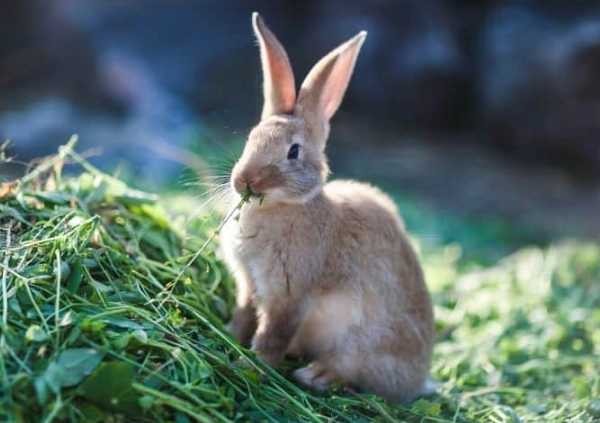
The short, no-nonsense answer is no. Absolutely not. Rabbits, whether they're wild cottontails bounding through fields or your spoiled lop-eared friend in their condo, do not hibernate. Not even a little bit. Thinking they do is one of the most common rabbit myths out there, and it can actually be a dangerous assumption for pet owners.
Here's the core fact you need to remember: Rabbits are non-hibernating mammals. They remain active and alert throughout the entire winter season. Their survival strategy is completely different from animals that truly hibernate, like groundhogs or some bats.
I remember when I first got my rabbit, Thumper, years ago. Winter was coming, and I had this vague, panicked thought—"Oh no, do I need to prepare a hibernation den?" A quick, frantic search and a chat with a vet set me straight. It's a good thing too, because treating a rabbit like it's going to sleep for months would have been disastrous. That moment of confusion is what makes this topic so important to clear up.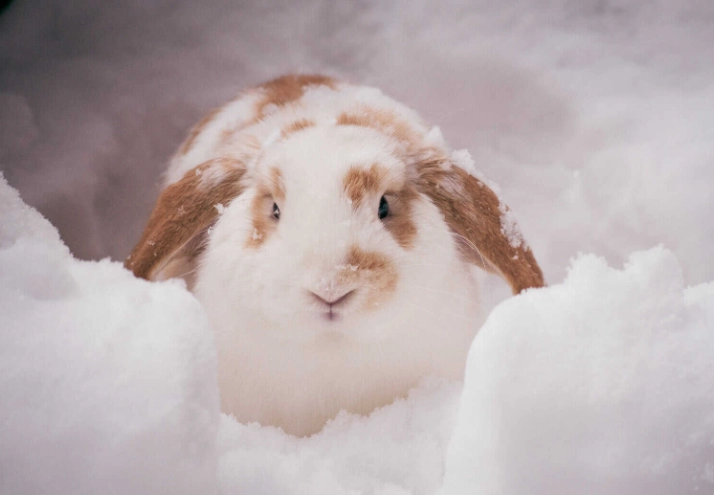
Why the "Hibernating Rabbit" Myth Just Won't Die
It's not a stupid question. The myth persists for a few pretty understandable reasons. First, wild rabbits become less visible. You don't see them hopping around as much in a snowy landscape. They're not gone; they've just gotten smarter and stealthier. They stick closer to their burrows (called warrens) and travel less to conserve energy and avoid predators in the open white space.
Second, some rabbit behaviors can be misinterpreted. A rabbit sitting very still, fluffed up in a corner of its hutch, might look like it's settling in for a long sleep. In reality, it's probably just trying to conserve body heat, and it's a sign you might need to provide better shelter or bring it indoors!
Finally, we humans love to project. We know many animals hibernate, and rabbits are small, cute woodland creatures. The connection seems logical on a surface level. But biology doesn't care about logic; it cares about adaptation.
So, How DO Wild Rabbits Survive Winter Without Hibernating?
If bunny rabbits don't hibernate, what's their game plan? Their strategy is a masterclass in active winter survival. It's less about shutting down and more about smart adaptation.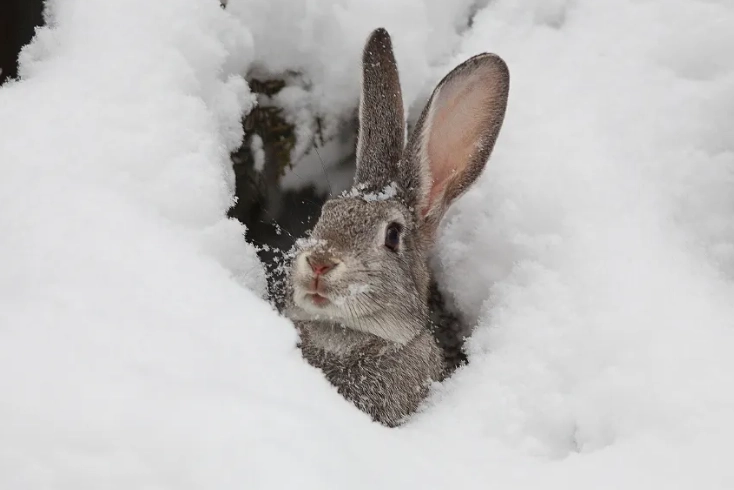
The Underground Life: Warrens as Winter Fortresses
Wild rabbits live in extensive underground tunnel systems called warrens. Think of these as their insulated, climate-controlled bunkers. The temperature underground, below the frost line, remains remarkably stable compared to the surface chaos. It might be a freezing -10°C (14°F) outside, but in the deep chambers of the warren, it could be a much more manageable 5-10°C (41-50°F). This stable environment is their first and best defense.
They spend much more time in there during harsh weather, venturing out mainly during dawn and dusk (crepuscular activity) for essential trips—to eat.
The Dinner Plate Changes
This is a big one. In spring and summer, rabbits feast on lush grasses, clover, and garden veggies (much to our annoyance). Winter strips that buffet away. So, they switch their diet. They eat:
- Bark and Twigs: From trees like maple, ash, and fruit trees. It's not gourmet, but it's fibrous and available.
- Dry, Dead Grass: They'll dig through light snow to find it.
- Evergreen Seedlings: When they can find them.
- Their Own Cecotropes: This sounds weird, but it's vital. Rabbits produce special nutrient-rich droppings called cecotropes, which they re-ingest. This double-digestion process is crucial for extracting maximum nutrition, especially when food is scarce. It's a year-round thing, but winter makes it super important.
The Fur Coat Upgrade
Come autumn, rabbits grow a thicker, denser winter coat. It's a phenomenal insulator. Guard hairs repel moisture (like snow), and a super-soft, dense undercoat traps body heat. They also have fur on the soles of their feet for extra warmth and traction. It's a full-body snowsuit that grows in naturally.
Your Pet Rabbit: Why "Do Bunny Rabbits Hibernate" is a Critical Question for Owners
This is where the theoretical becomes urgently practical. Your domestic rabbit is a descendant of those wild European rabbits. They share the same basic biology—including the lack of any hibernation instinct. But they have a huge disadvantage: they rely entirely on you. They can't dig a proper warren, their diet is controlled by you, and their housing is your choice. Getting this wrong can lead to illness or worse.
The biggest risk for a pet rabbit in cold weather is hypothermia. followed by respiratory infections from damp, cold conditions. Older, very young, or sick rabbits are at highest risk.
The Golden Rule: If the temperature is dropping to near or below freezing (0°C / 32°F), you need an active plan. Assuming your rabbit will just "sleep through it" because you wonder, "do rabbits hibernate?" is the most dangerous mistake you can make.
The Indoor vs. Outdoor Dilemma: A Practical Breakdown
This is the main decision point for every rabbit owner in a cold climate. Let's lay it out clearly.
| Housing Type | Pros for Winter | Cons & Major Risks | Essential Winter Requirements |
|---|---|---|---|
| Outdoor Hutch/Run | Natural light, fresh air, more space. | Extreme temperature exposure, dampness, drafts, predator stress, isolation. | WEATHERPROOFING: Insulated cover, waterproof roof, windbreaks. DRY BEDDING: Deep layers of straw (not hay). SNUGGLE SAFE: Microwave heat pads. WATER: Check for ice 2-3x daily. |
| Indoor Enclosure | Stable, warm temperature. No damp/drafts. Family interaction. | Less space (usually). Need rabbit-proofing. Dry air from heating. | Away from radiators/heater vents. Provide humidifier if air is dry. Plenty of enrichment to prevent boredom. Litter training is a big plus. |
| Garage/Shed (Unheated) | Protection from wind/rain/snow. More space than indoors. | Can still get very cold. May have fumes (cars, tools). Can be dark/depressing. | Must be insulated. Provide a fully enclosed, straw-filled sleeping box inside. Ensure excellent ventilation but no drafts. Absolutely no car engine running inside. |
My personal take? After trying the insulated shed route with Thumper one chilly winter and constantly worrying about the overnight lows, I moved him indoors permanently. The peace of mind was worth the sacrifice of a corner of my living room. He was more interactive, happier, and I stopped waking up at 3 a.m. wondering if he was too cold. It's not the only way, but it's the simplest way to eliminate the biggest risks.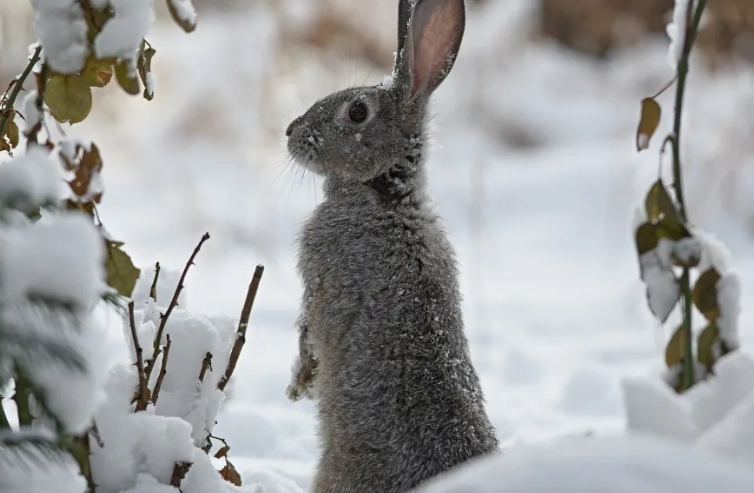
The Winter Care Checklist for Non-Hibernating Bunnies
Since we've established that bunny rabbits do not hibernate, here's your actionable to-do list for the cold months. Treat this as your survival guide for them.
Food & Water:
- Increase Hay, Hay, Hay: Unlimited timothy or meadow hay. Digestion generates internal heat. This is their furnace fuel.
- Consider slightly increasing their daily pellet portion for extra calories, but don't overdo it. Consult your vet.
- Keep water liquid! Use a bowl (changed twice daily) or a bottle with an insulated sleeve. Check for ice constantly.
Shelter & Warmth:
- Straw is King: For outdoor/shed rabbits, pile deep, dry straw in their enclosed sleeping area. It traps air and insulates brilliantly. Hay is for eating; straw is for bedding.
- Provide hidey-houses or enclosed boxes filled with straw so they can get in and make a nest.
- Microwaveable heat pads (like Snuggle Safe) are fantastic. Wrap in a towel and place under/next to their sleeping area. Provides hours of gentle warmth.
- Draft-proof the hutch but ensure there's ventilation at the top to let moisture out.
Health & Monitoring:
- Weigh your rabbit monthly. Sudden weight loss in winter is a major red flag.
- Check ears and feet daily for signs of frostbite (pale, cold, hard areas that later turn red/purple).
- Groom regularly. A matted coat loses its insulating power.
- Watch for signs of hypothermia: lethargy, shallow breathing, cold to the touch, unresponsiveness. This is an emergency requiring immediate warmth and a vet.
Answering Your Rabbit Winter Questions (The FAQ)
No, it's not hibernation. It's likely a combination of factors: fewer daylight hours affecting their rhythm, conserving energy to stay warm, and possibly boredom if they're outdoors with less stimulation. It's a behavioral slowdown, not a physiological shutdown. If the lethargy is extreme or accompanied by not eating, see a vet immediately.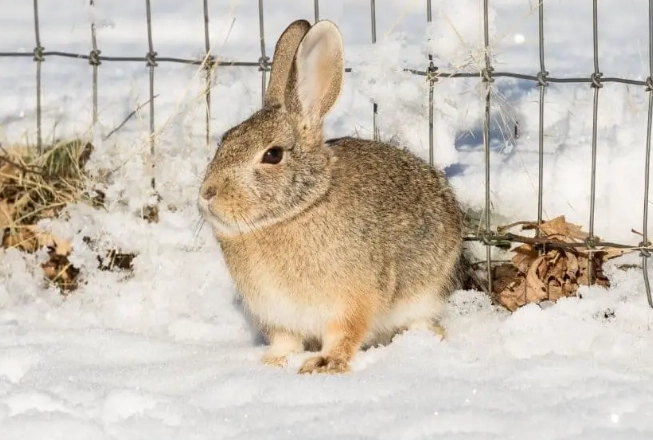
Supervised, short sessions only! Some rabbits love it and bounce around like little snowplows. It's adorable. But limit it to 10-15 minutes. Their feet can get cold and wet quickly, leading to chill. Dry them off thoroughly with a towel afterwards, especially their belly and feet, before returning them to their warm home. If they hate it, don't force them.
It depends on the rabbit's age, health, and acclimatization. As a general rule, once it's consistently below 10°C (50°F), you need to be thinking about supplemental warmth. Below freezing (0°C / 32°F) requires active measures (insulation, heat pads). Temperatures dipping below -5°C (23°F) are genuinely dangerous for most pet rabbits, even in a prepared hutch. This is why the House Rabbit Society strongly advocates for indoor living.
Of course they do. They're not magical. But their evolved adaptations—the warren, the coat, the diet shift—are their defense system. It's a tough life with high mortality. A severe winter with deep, crusted snow that prevents foraging can be devastating for wild populations. They're surviving, not necessarily living in comfort.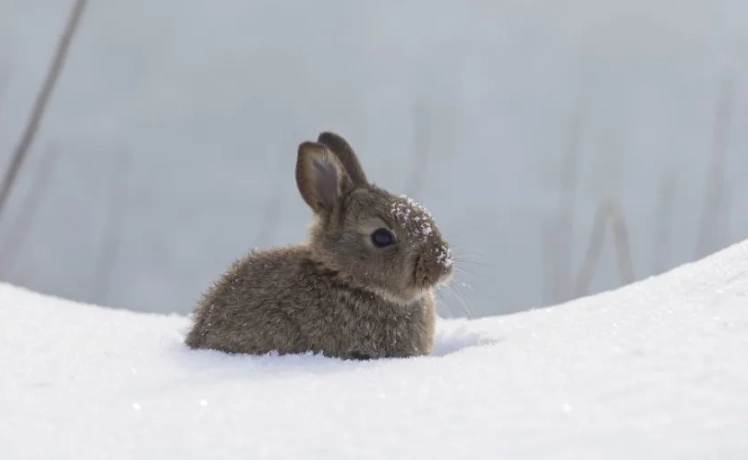
Here's a blunder I made early on: I used a heat lamp in Thumper's outdoor shed. Seemed logical, right? Wrong. He chewed the cord (thankfully it was off). Then I tried a ceramic heat emitter, but it made the air so dry and created a weird hot spot. I finally learned that indirect warmth—like a heat pad under a box full of straw—was the safe, effective solution. It mimicked the warmth of other rabbits in a warren. Sometimes the simple, low-tech solution is best.
The Science Bit: Why Rabbit Biology Says "No" to Hibernation
Let's get a tiny bit technical, just to satisfy the "why" behind all this. True hibernation (like in ground squirrels) involves a drastic, controlled drop in body temperature, heart rate, and metabolism to barely perceptible levels. The animal is in a state of torpor and cannot be easily roused.
Rabbits are built differently. They are constant foragers. Their digestive system needs a near-constant intake of fibrous food to keep moving. If it stops, serious, often fatal gastrointestinal stasis sets in within hours. A hibernating digestive tract would kill a rabbit. Their survival strategy is built on activity—foraging, being alert to predators, and maintaining their social structures—not prolonged sleep. Resources like the MSD Veterinary Manual detail their unique digestive physiology, which is central to understanding why hibernation is off the table.
Furthermore, rabbits are a primary prey species. Being unconscious for months would be an evolutionary death sentence. Their fitness lies in being able to bolt at a moment's notice, year-round.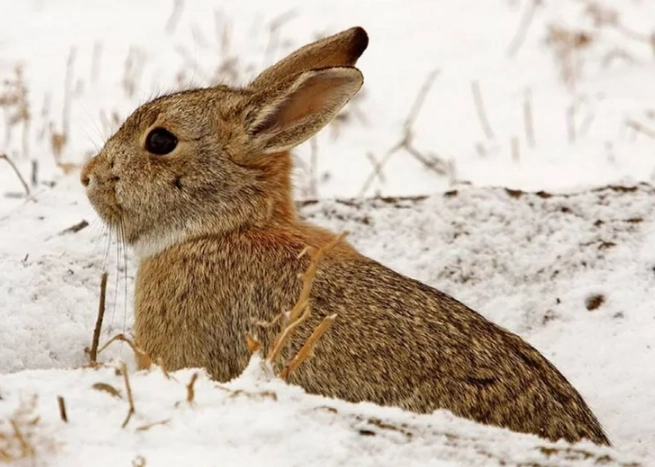
Wrapping It Up: From Myth to Informed Care
So, we've chased that question—do bunny rabbits hibernate—all the way to the answer. A clear, definitive no. They are resilient, active survivors of winter, using clever adaptations instead of a long sleep.
For you as a pet owner, this knowledge shifts your role from a passive observer waiting for spring to an active provider of warmth, proper nutrition, and safe shelter. The goal isn't to replicate summer in winter, but to create a stable, draft-free, dry, and enriched environment where your rabbit can use its own energy to stay comfortable.
When in doubt, always err on the side of more warmth and more hay. And if you're looking for the most comprehensive, trusted guidelines out there, bookmark the RSPCA's rabbit care advice. They have fantastic, vet-reviewed resources on all aspects of rabbit welfare, including cold weather.
The bottom line? Now you know. The next time someone asks you, "Do rabbits hibernate?" you can tell them no, and more importantly, you can explain exactly how these wonderful animals make it through the frosty months—and how to help your own fluffy friend do the same in safety and comfort.
Comment