Ask someone where rabbits live, and you’ll likely get a simple answer: fields, forests, maybe your backyard. But the real story is a global one, shaped by millions of years of evolution, human history, and modern pet culture. From the windswept moors of Scotland to suburban homes in Japan, rabbits have carved out niches on nearly every continent. This isn't just trivia—understanding where rabbits thrive tells us about ecology, invasive species, and what it really takes to care for a pet bunny in different parts of the world. Let's ditch the generic answers and get into the specific countries and conditions that define a rabbit's home.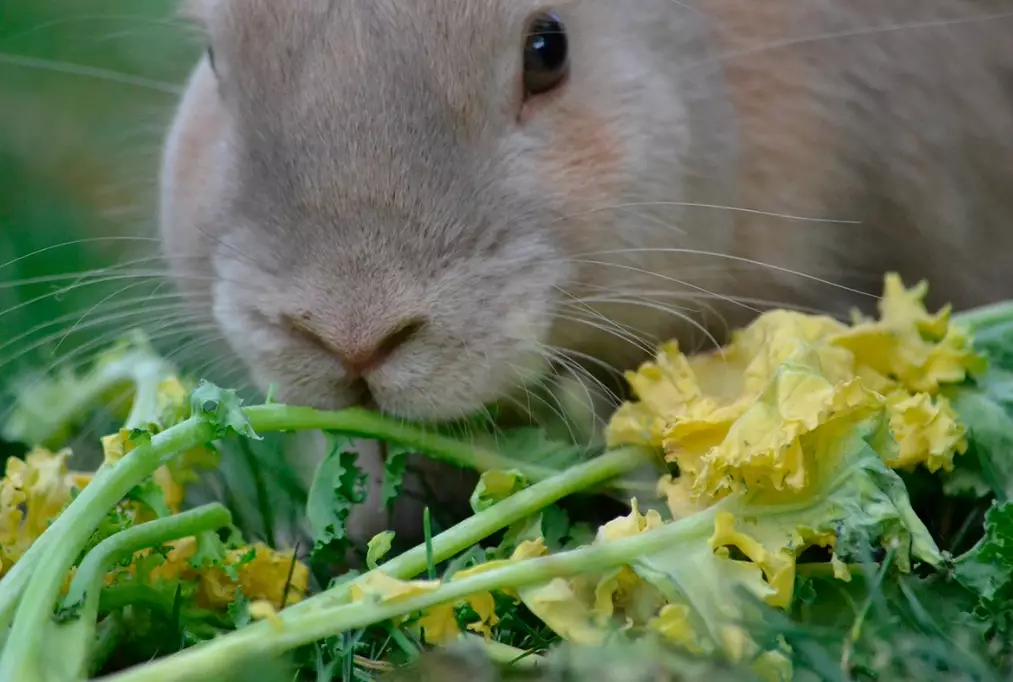
What’s Inside This Guide
The Global Spread of Wild Rabbits: A Continent-by-Continent Breakdown
Wild rabbits aren't evenly sprinkled across the map. Their presence is a tale of native ranges, successful introductions, and disastrous invasions. The European rabbit (Oryctolagus cuniculus) is the ancestor of all domestic breeds and the key player in this story.
Native Strongholds: Europe and Beyond
The rabbit's original home is the Iberian Peninsula—Spain and Portugal. From there, they spread naturally and through human help across Western and Southern Europe. Think of the UK, France, Italy, and parts of Germany. In these countries, rabbits are a natural part of the ecosystem, living in warrens in grasslands, coastal dunes, and sparse woodlands. Their populations fluctuate with disease (like myxomatosis) and predation, but they're a fixture.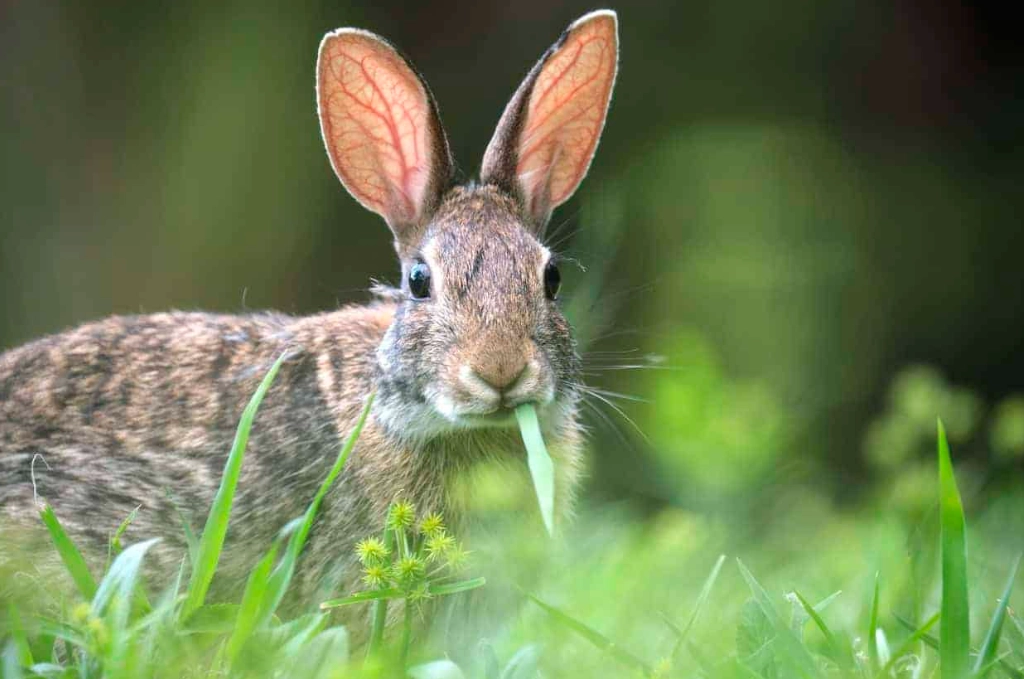
Here’s a quick look at wild rabbit status in key regions:
| Continent/Region | Key Countries with Wild Rabbits | Status (Native/Introduced) | Notable Habitats |
|---|---|---|---|
| Western Europe | United Kingdom, France, Spain, Portugal, Italy | Native | Grasslands, heathlands, sand dunes, agricultural edges |
| Australia & New Zealand | Australia (widespread), New Zealand | Introduced (Invasive) | Arid interior, agricultural land, suburban fringes |
| South America | Chile, Argentina (southern regions) | Introduced | Grasslands and scrub |
| North America | USA (limited), Mexico (limited) | Introduced (Localized) | Islands like the San Juans (WA), some grasslands |
| Africa | South Africa (limited regions) | Introduced | Fynbos and grassy areas |
A huge mistake people make is assuming all wild rabbits are the same. In North America, for instance, the widespread “cottontails” are different genus entirely (Sylvilagus). True European rabbits are only feral in specific, often problematic, locations.
The Infamous Cases: Australia and New Zealand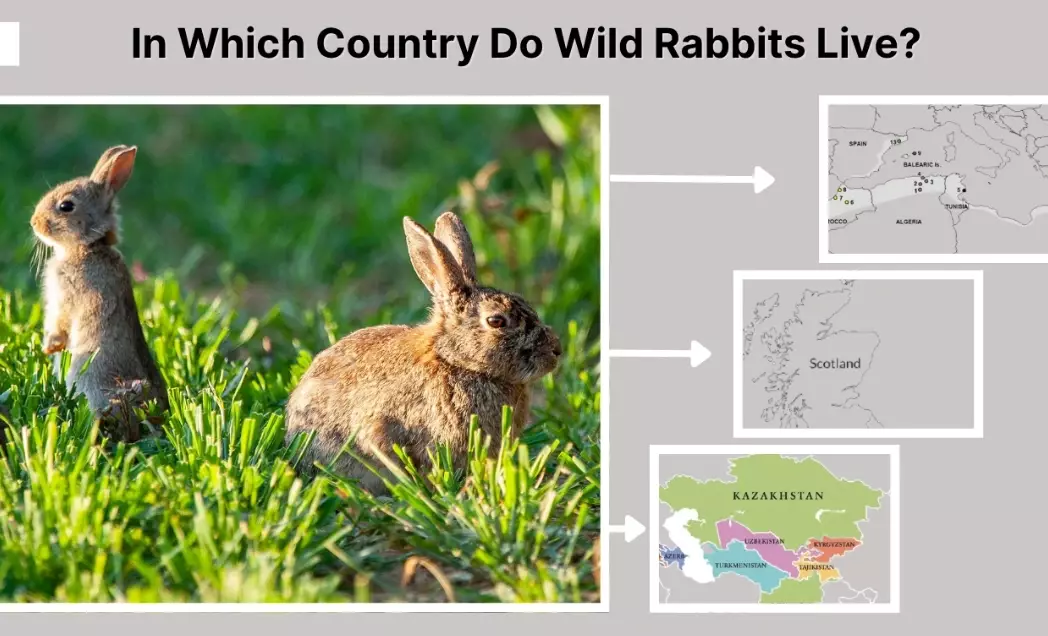
No discussion of rabbit habitats is complete without Australia. Introduced in 1859 for sport hunting, a handful of rabbits exploded into hundreds of millions. They became the textbook example of an invasive species, devastating native flora and causing massive agricultural damage. They live almost everywhere except the densest rainforests and hottest deserts. New Zealand has a similar, though slightly less catastrophic, story. These cases show that a “good” rabbit habitat isn't just about climate—it's about the absence of natural population controls.
Observation from the field: In Tasmania, I've seen how rabbit grazing pressure completely alters the understory of forests, creating a distinct, cropped landscape that looks nothing like rabbit-free areas. It’s a visible reminder that their impact goes far beyond eating your garden veggies.
Top Countries for Pet Rabbits: Where Bunnies Live Indoors
The map shifts dramatically when we talk about pet rabbits. Here, cultural attitudes, housing types, and disposable income dictate where rabbits live as companion animals.
- The United States: Likely the largest pet rabbit population. The House Rabbit Society, based in the US, has been instrumental in promoting indoor living. You'll find rabbits in apartments in New York City and houses in California alike. A common pitfall here is impulse buying around Easter, leading to many rabbits being surrendered later.
- United Kingdom: The UK has a massive and historically deep rabbit-keeping culture, both for show and as pets. Many live in outdoor hutches, though the move indoors is growing. Organizations like the RSPCA deal with frequent abandonment issues.
- Japan: A fascinating case. In densely populated cities like Tokyo, small dog and cat breeds are popular, but rabbits have a significant niche as quiet, apartment-friendly pets. You’ll find sophisticated rabbit-specific cafes, clothing, and accessories, reflecting their status as cherished companions.
- Canada, Western Europe (Germany, Netherlands, France): These countries have strong welfare standards and active rabbit rescue communities. The Netherlands, in particular, has strict laws regarding rabbit care and breeding.
The pattern is clear: pet rabbits flourish in wealthy, industrialized nations where they are viewed as family members, not livestock. But even in these countries, there's a stark divide between well-cared-for indoor rabbits and those neglected in outdoor hutches—a habitat difference that completely determines their quality of life.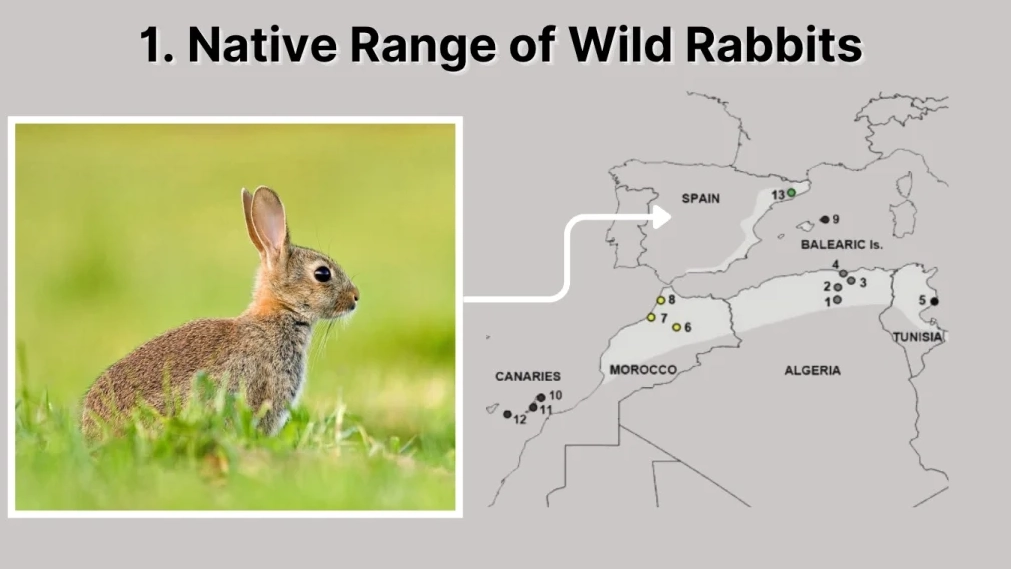
How Country and Climate Shape Rabbit Care
Where you live directly impacts how you care for a rabbit. This is the practical takeaway most generic guides miss.
Hot Climate Countries (e.g., Australia, Southern USA, Spain)
Heat is the primary enemy. Outdoor housing is often a death sentence in summer. Essential adaptations include:
Indoor living is non-negotiable with air conditioning.
Providing constant access to cool surfaces (ceramic tiles, marble slabs).
Frozen water bottles and meticulous hydration monitoring.
Avoiding exercise during the heat of the day.
Cold Climate Countries (e.g., Canada, Scandinavia, Northern USA)
While rabbits handle cold better than heat, outdoor hutches require serious fortification, which I generally advise against. The bigger issue is lack of sunlight and space during long winters for indoor rabbits. Care focuses on:
Ensuring sufficient indoor exercise space and mental stimulation.
Watching for dampness if a rabbit is in a garage or shed (a terrible idea, by the way).
Providing extra hay for warmth and digestion.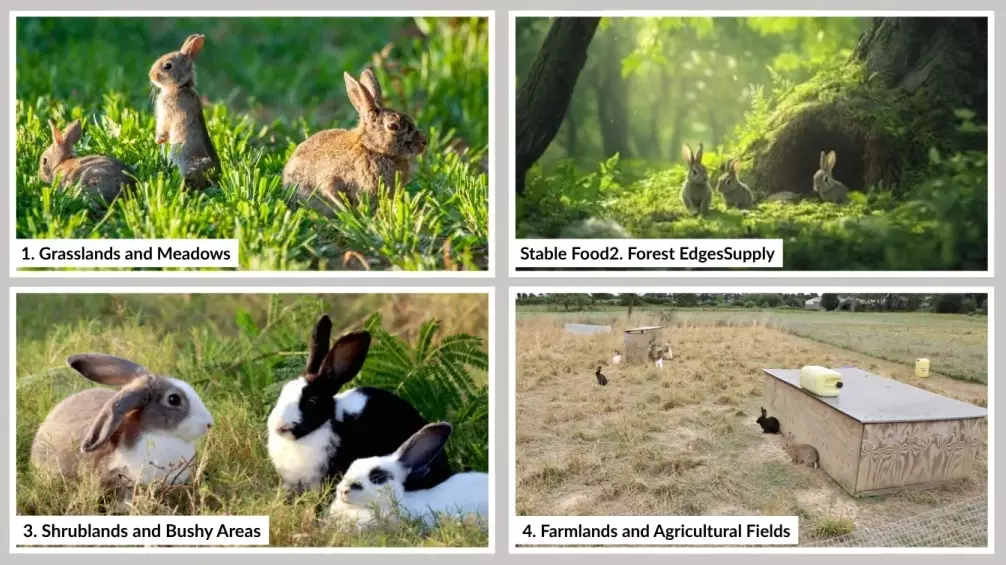
The Urban vs. Rural Divide
In a New York apartment, your main concerns are space optimization, bunny-proofing baseboards, and finding a rabbit-savvy vet. In rural France, you might be dealing with a larger outdoor enclosure and different predator threats. The “best” habitat adapts to these constraints. A rabbit can be perfectly happy in a small city apartment if it has ample free-roam time. A massive hutch in a big yard is worse if the rabbit is isolated and ignored.
One non-consensus point: everyone pushes for “more space,” which is good, but they rarely discuss space quality. A 4x4 pen filled with cardboard castles, tunnels, and foraging toys is infinitely better than a barren 6x6 room. It’s about environmental complexity, not just square footage.
Your Rabbit Habitat Questions Answered
 How can I make my garden a safe habitat for visiting wild rabbits but protect my plants?
 Why are there no wild rabbits in some countries with seemingly perfect environments?
Reader Comments