"Where do rabbits eat?" sounds like a simple question. You might picture a fluffy bunny in a meadow or nibbling a carrot in a hutch. But the real answer is more complex and crucial for their health. As someone who's kept rabbits for over a decade and volunteered with wildlife rehabbers, I've seen the good, the bad, and the ugly when it comes to rabbit diets. Most online advice just scratches the surface. Let's dig deeper into the actual locations, habits, and critical safety rules that determine a rabbit's menu, whether they're wild cottontails or your beloved house rabbit.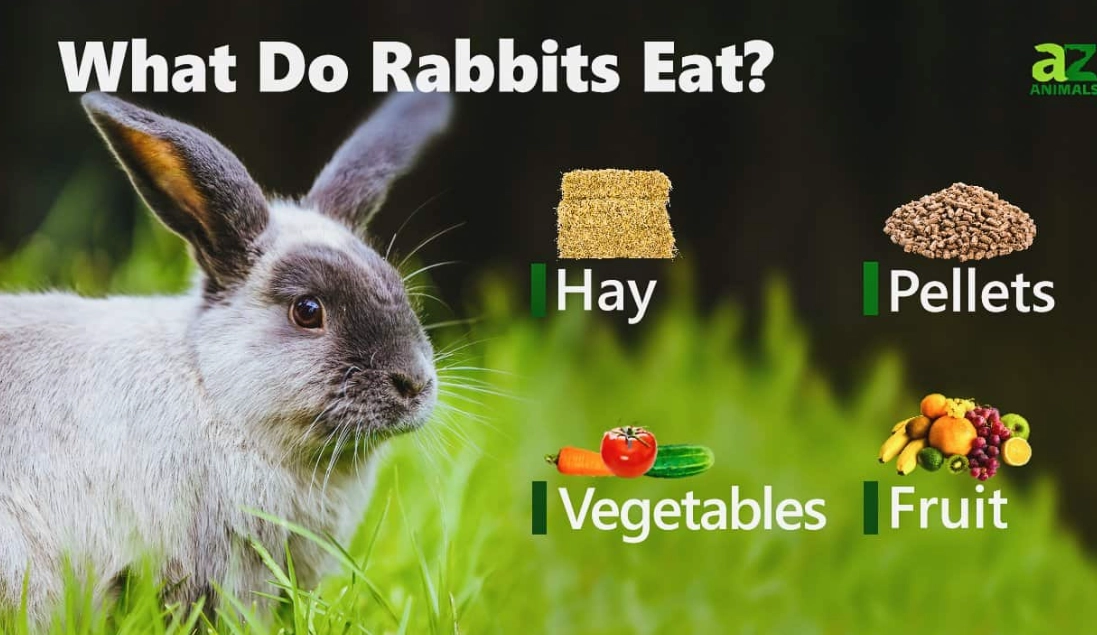
What You'll Find in This Guide
The Wild Rabbit's Buffet: Natural Foraging Grounds
Wild rabbits are survival experts. Their eating locations are chosen for safety and abundance, not convenience. Forget the cartoon carrot patch.
Their primary dining room is dense ground cover. Think meadows, field edges, and overgrown lawns. Here, they munch on grasses (timothy, brome, fescue), clover, dandelion greens, and plantain. These are their staples, not treats. I once spent a summer observing a cottontail family in a meadow behind my old house. Their pattern was consistent: dusk and dawn, always within a few bounds of thick brush or a burrow entrance. They'd eat quickly, ears constantly twitching.
Another key spot is the forest edge or scrubland. Here, the menu expands to include bark from young trees (like apple or willow), tender shoots, fallen leaves, and wild berries in season. This is where one major misconception bites. Many people see a rabbit nibbling bark and think it's starving. Often, it's just accessing fiber and nutrients, especially in winter when greens are scarce.
Gardens and agricultural fields are the risky, high-reward restaurants. Rabbits will venture in for crops like lettuce, beans, and carrots (yes, the tops, not just the orange root). But this is dangerous territory. It exposes them to predators and, unfortunately, pesticides or fertilizers. If you're trying to attract wild rabbits, plant a clover patch at the edge of your property. If you're trying to deter them, fencing is the only reliable method. Spray repellents? In my experience, they're a temporary fix at best. Rabbits get used to them.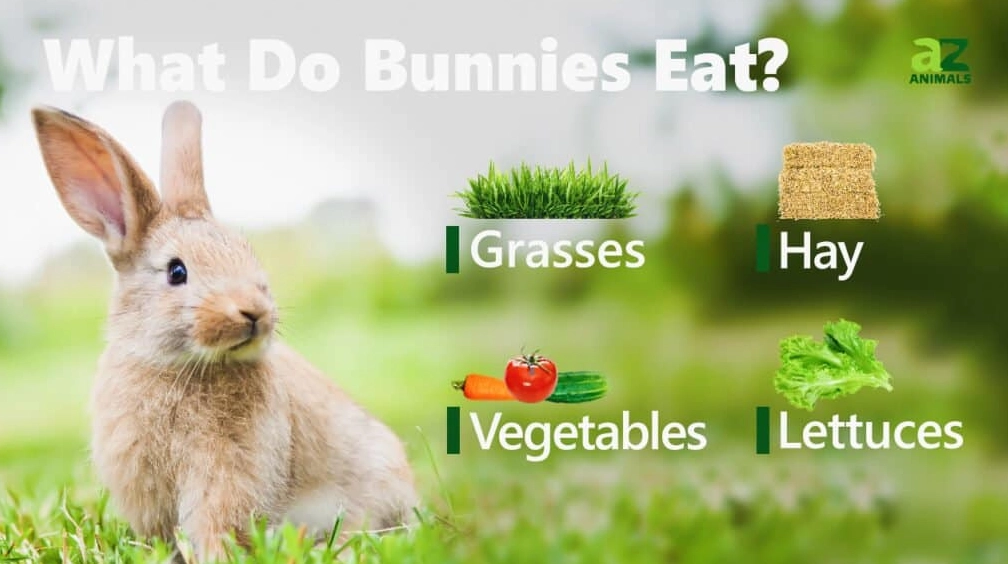
Setting Up Your Domestic Rabbit's Feeding Zones
Your pet rabbit's world is defined by you. Creating the right feeding zones is about replicating healthy wild habits in a safe, controlled way. It's not just about what you feed, but where and how.
Primary Feeding Station: The Hay Hub
This is non-negotiable. Unlimited grass hay (Timothy, Orchard, Meadow) should be available 24/7. The location needs to be clean, dry, and separate from their litter area (though, let's be honest, rabbits often eat and poop simultaneously). Use a large hay rack or a manger that keeps hay off the ground but is easy to pull from. I stopped using those small, ball-shaped hay holders years ago. They frustrate rabbits and limit access. A simple cardboard box with a hole cut in it works better.
Pro Tip: Place the hay rack directly above the litter box. Rabbits naturally graze while they defecate. This encourages good litter habits and maximizes hay consumption.
Fresh Food Station: The Veggie Plate
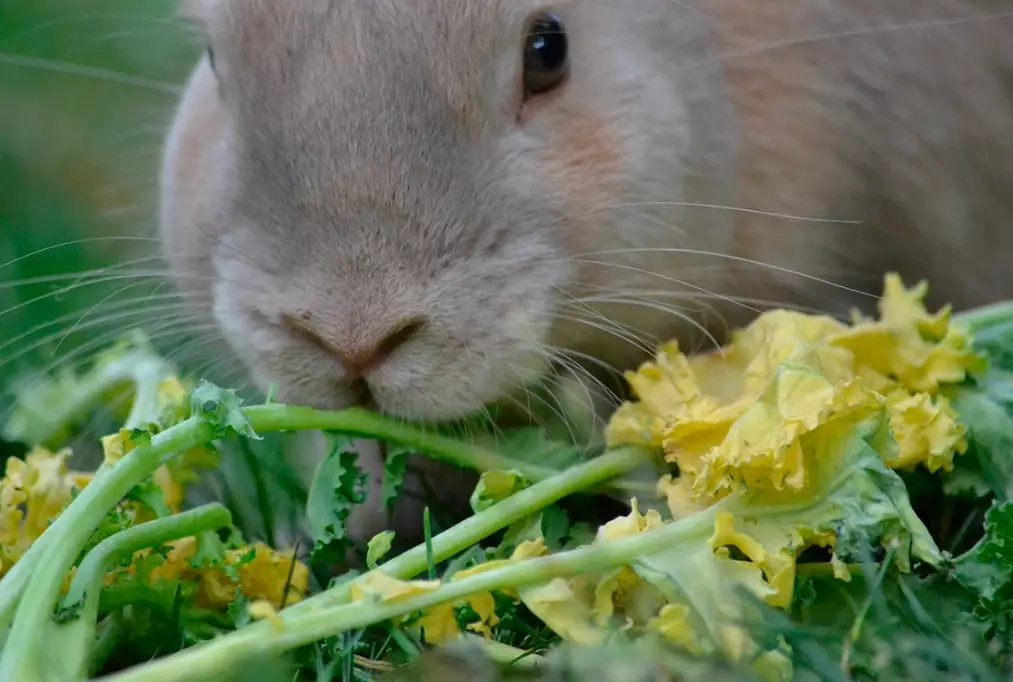
This is for daily leafy greens and occasional veggies. Use a heavy ceramic bowl that can't be tipped over. Location? Somewhere easily cleaned. I use a silicone placemat under the bowl to catch drips from washed greens. The time of day matters. Feed fresh foods once or twice daily, ideally when you're around to observe. This lets you spot any immediate adverse reactions (like gas) and strengthens your bond through routine.
Foraging Zones: Enrichment Areas
This is where most setups fail. Rabbits need to work for food. Scatter their daily pellet ration (a limited amount!) around their pen or in foraging toys. Hide leafy greens in paper bags or cardboard tubes stuffed with hay. Create a "dig box" with child-safe play sand or shredded paper and sprinkle herbs in it. I rotate these zones weekly to prevent boredom. A bored rabbit is a destructive rabbit.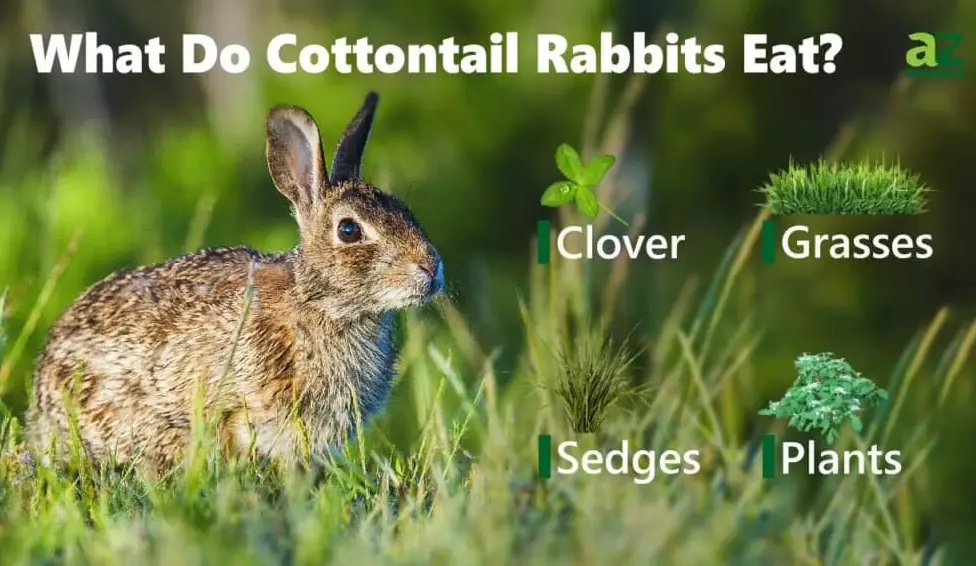
The Ultimate Safe & Toxic Plant List for Rabbits
This is the practical core. You can't know "where" rabbits should eat without knowing "what" is safe. I've compiled this based on the House Rabbit Society guidelines and my own vet's advice, but always cross-check with a reliable source if unsure.
| Safe Plants (Can Be Fed Regularly) | Serve Occasionally (Treats) | Toxic / Dangerous Plants (AVOID) |
|---|---|---|
| Leafy Greens: Romaine lettuce, Green/Red leaf lettuce, Spring mix (no spinach), Arugula, Kale (sparingly), Mint, Basil, Cilantro, Dill. | Carrot tops (excellent), Bell peppers (any color), Broccoli florets (small amount), Zucchini, Apple (no seeds), Blueberry, Strawberry (top only). | Iceberg Lettuce (low nutrient, can cause diarrhea), Allium family (Onion, Garlic, Chives), Potatoes & leaves, Rhubarb, Tomato leaves & vines, Avocado, Chocolate, Seeds & Pits. |
| Herbs & Garden Plants: Dandelion greens & flowers (unsprayed), Plantain, Raspberry leaves, Chamomile, Rosemary, Thyme. | Carrot (the orange root - high sugar), Banana (tiny piece), Papaya (helps with fur balls). | Houseplants: Lilies, Pothos, Philodendron, Dieffenbachia. Garden Flowers: Foxglove, Lily of the Valley, Oleander, Poinsettia. |
| Hay & Grass: Timothy Hay, Orchard Grass, Meadow Hay, Oat Hay. Lawn grass if untreated. | Oat sprays, Wheatgrass. | Grass clippings from lawnmowers (ferments quickly), Any plant treated with pesticide/herbicide. |
Critical Warning: The "occasional" treats column is serious. I once gave a rescue rabbit too much banana over a week, thinking her love for it was cute. It led to a costly vet visit for stasis. Sugar disrupts their delicate gut flora faster than you'd think.
5 Common Feeding Mistakes Even Experienced Owners Make
Here's where that "decade of experience" perspective kicks in. These aren't the basic "don't feed chocolate" tips. These are the subtle errors that creep in.
Mistake 1: The Pellet Pile-Up. We think a full bowl of pellets is love. It's not. Rabbits should have about 1/4 cup of plain timothy-based pellets per 5 lbs of body weight daily. Unlimited pellets lead to obesity and dental issues because they'll skip the hay. Measure it.
Mistake 2: Introducing New Foods Too Fast. Got a new green? The rule is one new item at a time, in a small quantity, for 3-4 days while monitoring poop. I violated this with parsley once. My rabbit, Benji, got terrible gas. It was a stressful night of belly massages and monitoring.
Mistake 3: Ignoring Water Source Location. Water is food-adjacent. A heavy ceramic bowl is better than a bottle. It allows a more natural drinking posture and greater intake. Place it away from the hay rack to avoid contamination, but within easy reach. Check it twice daily.
Mistake 4: Not Adjusting for Age/Health. Alfalfa hay and more pellets are for babies and pregnant/nursing does. Adult rabbits need grass hay. Senior rabbits with dental issues may need critical care food or finely chopped greens. A one-diet-fits-all approach fails.
Mistake 5: The "Backyard Buffet" Assumption. Letting your pet rabbit graze freely in a backyard is risky unless you are 100% certain of no pesticides, herbicides, toxic plants, or predator access. Even then, supervise. A safer alternative is a secure, elevated playpen with potted safe grasses and herbs.
Your Rabbit Diet Questions, Answered
My rabbit suddenly stops eating his usual greens. What's wrong?
This is a red flag. Rabbits are grazers; a stop in eating often signals gastrointestinal stasis, dental pain, or another illness. Don't wait. Check if he's also producing fewer or smaller droppings. Offer his absolute favorite treat (like a sprig of cilantro). If he refuses, contact your vet immediately. Time is critical with digestive issues.
Can I feed my rabbit vegetables from my grocery store without washing?
No. Always wash thoroughly. Even organic produce can carry bacteria, dirt, or residual sprays. I use a vinegar-water soak (1 part vinegar to 3 parts water) for a few minutes, then a rinse. Dry the greens in a salad spinner before serving to prevent watery stool.
 How can I tell if the hay I'm buying is good quality?
Use your senses. Good hay is green, not yellow or brown. It smells sweet and grassy, not musty or dusty. It should be leafy with thin, pliable stems, not thick, woody stalks. Cheap, low-quality hay is often rejected by rabbits, leading to inadequate fiber intake. Investing in good hay from a reputable supplier prevents many health problems.
My rabbit eats her own droppings (cecotropes). Is this normal?
Completely normal and essential. These are not the hard, round fecal pellets. Cecotropes are softer, clustered, and nutrient-rich, produced in the cecum. Rabbits consume them directly from their anus to re-ingest vital nutrients like B vitamins. If you see these lying around uneaten, it could indicate a diet too rich in pellets or sugar, preventing her from needing to consume them. It's a sign to reassess the diet.
Is it safe to pick wild plants like dandelions for my rabbit?
Yes, but with extreme caution. You must be 100% certain of the plant's identity. Only pick from areas you know have not been treated with chemicals (avoid roadsides, parks, and lawns that may be sprayed). Wash them even more thoroughly than store-bought greens. When in doubt, don't pick it. It's safer to grow your own in a planter.
So, where do rabbits eat? It's a landscape defined by safety, habit, and instinct for wild ones, and by your informed choices for domestic ones. The location is just the starting point. What you put there—unlimited hay, measured pellets, varied greens, and clean water—transforms a simple spot into the foundation of a long, healthy rabbit life. Ditch the carrot stereotype. Embrace the hay. Watch where they eat, learn their preferences, and you'll have a happy, hopping companion for years.
Reader Comments