Think of a rabbit's burrow, and you probably picture a simple hole in the ground. I did too, for years. Then I spent a summer observing a wild warren on the edge of a friend's farm, and it completely changed my understanding. That "hole" is a masterpiece of animal engineering, a climate-controlled fortress, and a complex social hub all rolled into one. For a rabbit, the burrow isn't just where it lives—it's the absolute core of its existence, the difference between life and death. This deep-seated instinct doesn't vanish when a rabbit comes indoors to live on our carpets. That's where most owners hit a wall, trying to stop the digging and chewing that's as natural to a rabbit as breathing. This article isn't just a list of facts. It's a bridge between the wild world rabbits evolved for and the domestic life we provide, explaining the "why" behind the burrow so you can finally meet those needs without sacrificing your sofa.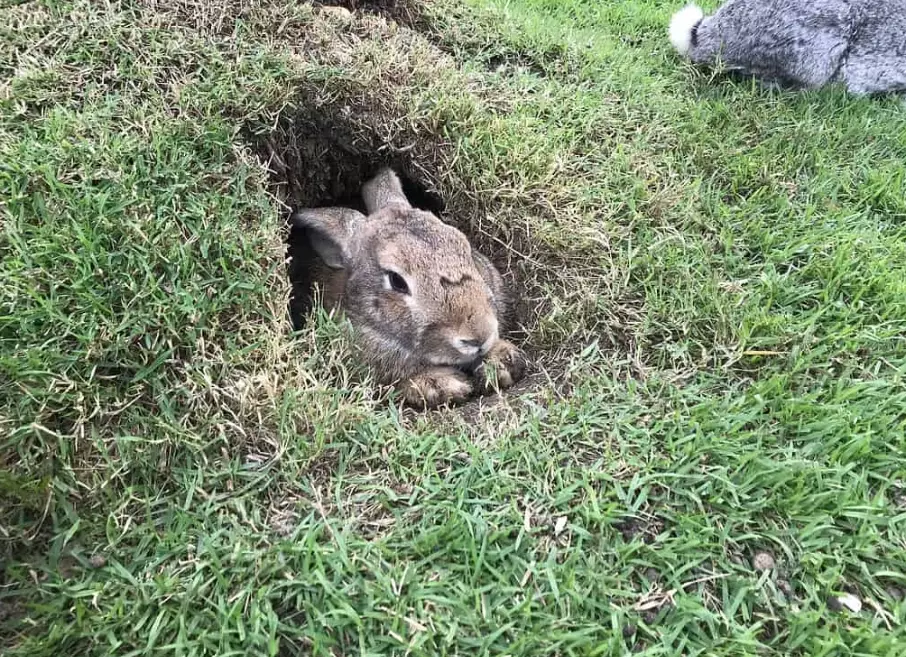
What You'll Discover in This Deep Dive
The Hidden Architecture of a Warren: It’s a Subterranean City
A wild rabbit burrow, or warren, is a far cry from a random tunnel. Studies, like those documented by the Mammal Society, show they are intricate, multi-generational structures. Think of it as a planned community underground.
The entrance isn't obvious. It's often under thick brush or on a slight slope for drainage. The main tunnel descends at a sharp angle, then levels out. This design isn't an accident—it creates a "draft excluder," stopping cold surface air from flooding the living quarters.
Rooms with a Purpose
Inside, tunnels branch off to specialized chambers. This is the part most people miss.
- The Nursery (Kitting Stop): A blind-ended chamber lined with the doe's own fur, pulled from her chest. It's separate for hygiene and security.
- Sleeping Quarters (Bolts): Small, rounded chambers for individual rabbits to rest in. Privacy matters, even underground.
- Emergency Exits (Pop Holes): Multiple hidden entrances and exits. A warren is a maze on purpose, to confuse predators. If a fox digs into one tunnel, rabbits can bolt out another.
Expert Observation: The temperature in a deep warren remains remarkably stable, between 10-15°C (50-59°F), year-round. This is why burrowing is a thermoregulatory behavior first and foremost. Your rabbit isn't just digging for fun; it's trying to achieve that perfect, constant temperature it's hardwired to need.
Why Your House Rabbit is Digging Up Your Life
So your bunny is meticulously excavating the corner of your living room rug. Or maybe it's tunneling under the couch cushions. Frustrating? Absolutely. But it's not spite. It's a genetic imperative screaming for an outlet.
Every single dig, chew, and attempt to get "under" something is your pet expressing a suite of survival behaviors:
- Security & Shelter Seeking: The need for a protected, enclosed space where they feel hidden from threats (even if that threat is just the vacuum cleaner).
- Temperature Control: As mentioned, digging into cooler earth (or cooler carpet) helps them regulate body heat.
- Mental Stimulation & Foraging: In the wild, digging uncovers roots and tasty morsels. It's a primary way to find food and stay busy.
- Territorial Marking: Scent glands in their chin and paws get rubbed on the excavated area, saying "I made this."
Telling a rabbit to stop digging is like telling a bird not to flap its wings. The goal isn't to eliminate the behavior, but to redirect it into acceptable channels.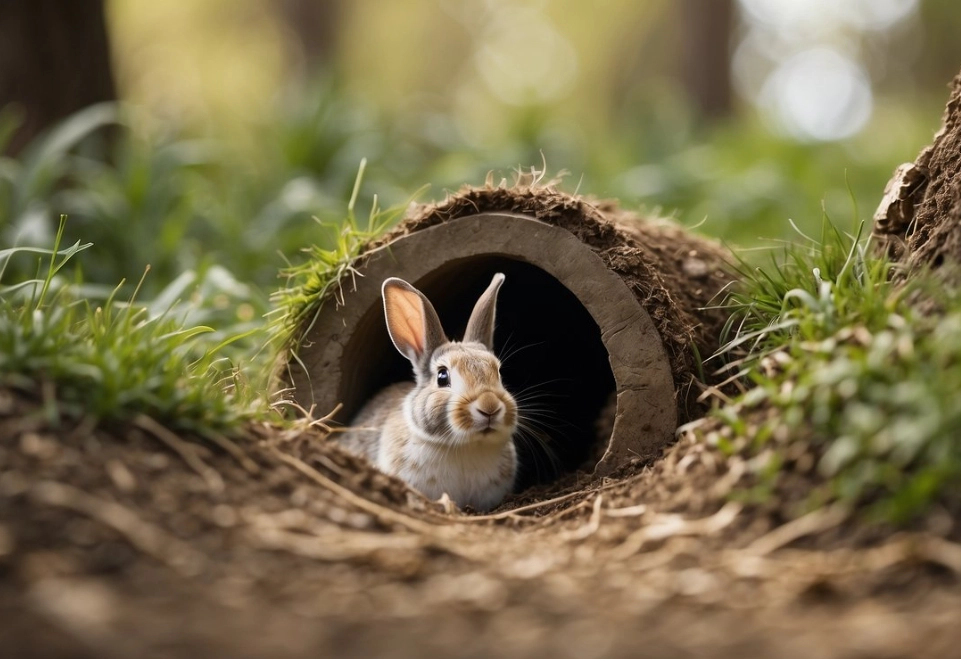
Building a Burrow Substitute: A Room-by-Room Guide
You can't replicate a 10-foot-deep warren in your apartment. But you can create an environment that satisfies each core burrow function. Forget the tiny, plastic hideys from pet stores. We need to think bigger.
>| Wild Burrow Function | Domestic Substitute Ideas | Why It Works |
|---|---|---|
| Deep, Secure Shelter | Large cardboard boxes with two exit holes cut. Wooden cat tunnels/cubes. A covered cat bed placed on a high shelf (rabbits love height!). | Provides the "enclosed on all sides" feeling. Multiple exits prevent feeling trapped. Height mimics the safety of an elevated burrow entrance. |
| Digging/Tunneling Outlet | A dedicated "digging box": a large, shallow storage tote filled with child-safe play sand, shredded paper, or soil-free potting compost. | Gives a legal zone for the full digging motion. Hiding pellets or herbs in it triggers foraging behavior, doubling the enrichment. |
| Temperature Regulation | Ceramic or slate tiles placed in their area. Cooling mats designed for pets. Ensuring their space is away from direct sun/heaters. | Provides a cool surface to lie against, mimicking the constant cool earth of a burrow. Prevents overheating, a major risk for rabbits. |
| Chewing/"Mining" | Willow tunnels, apple wood sticks, seagrass mats. A stack of old phone books (with non-toxic ink) they can shred. | Redirects the destructive chewing instinct away from furniture and onto appropriate, destructible items that also wear down teeth. |
My own rabbit, Mochi, was a relentless carpet miner. The game-changer was a digging box. I used a plastic under-bed storage box and filled it with a mix of peat-free compost and crinkled paper. I buried his daily greens in it. The carpet digging reduced by 90% in a week. He had a job that mattered.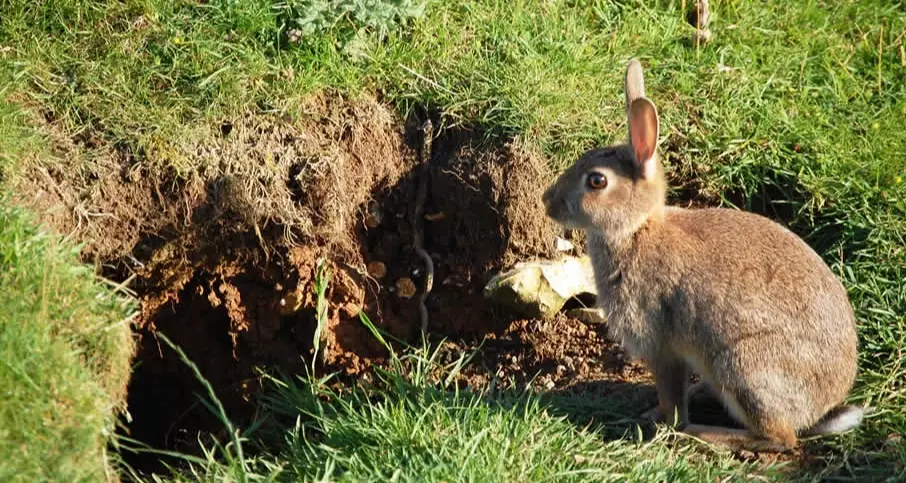
The 3 Biggest Mistakes Rabbit Owners Make with Burrowing
After talking to countless owners at rescue centers, I see the same well-intentioned errors repeatedly.
Mistake 1: The One-Entrance Hideout. You buy a cute, enclosed bed with one small door. To a rabbit, that's a death trap—nowhere to run if a predator (in their mind) blocks the entrance. Always provide hideouts with at least two exits. Cut an extra hole in that cardboard castle.
Mistake 2: Punishing the Dig. Shouting or startling a rabbit when it digs only teaches it that you are the unpredictable threat. It increases anxiety, which can paradoxically increase the nervous behavior. You're fighting the instinct, not the cause.
Mistake 3: Underestimating the Need for Height. We focus on "under" but forget "over." In the wild, warren entrances are often on banks, giving a vantage point. A safe, stable platform or shelf where they can survey their territory fulfills a major security need. The American Society for the Prevention of Cruelty to Animals (ASPCA) lists providing vertical space as a key enrichment strategy for many animals, including rabbits.
A Critical Safety Note: Never let your rabbit dig unsupervised in your garden unless you are 1000% certain there are no pesticides, fertilizers, or toxic plants (like foxglove or nightshade) in the soil. It's safer to create a controlled, contained digging area with known-safe materials.
Your Top Burrow Questions, Answered
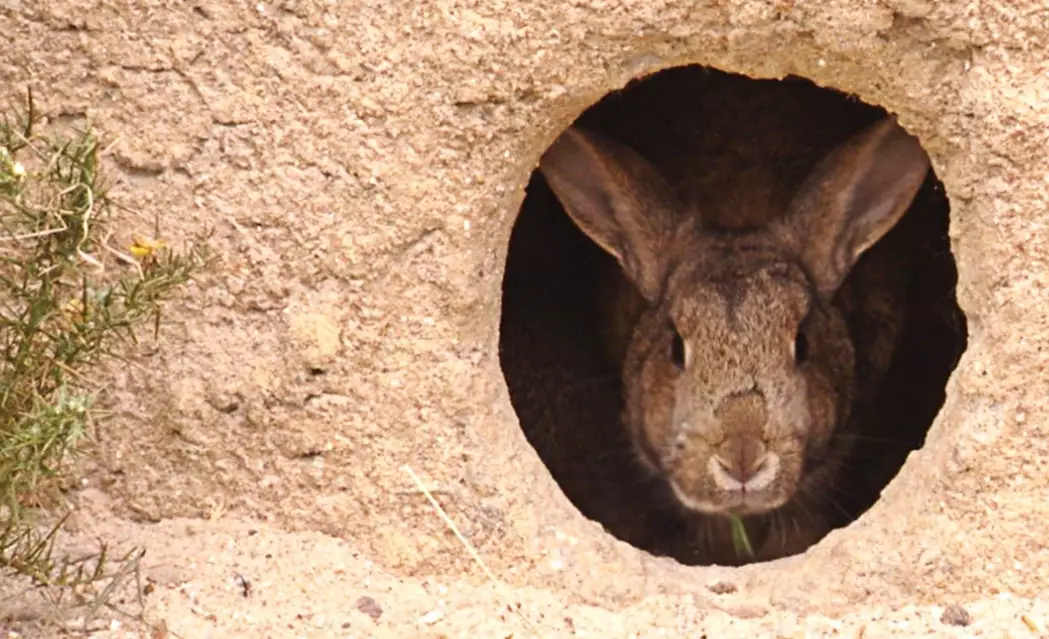 I've heard some rabbit breeds burrow more than others. Is that true?
Reader Comments