Let's cut to the chase. No, rabbit does not taste like lamb. Not even close, if you ask me. If you're expecting that distinct, slightly gamey, and earthy richness of lamb, you'll be surprised. Rabbit is its own thing—leaner, milder, and often described as a cross between chicken and... well, rabbit. It has a delicate, slightly sweet, and clean flavor. But the real question isn't just about taste; it's about why people compare them, how to cook rabbit so it's not tough or bland, and whether you should try it. I've cooked both for years, and I'll tell you exactly what to expect, where most recipes go wrong, and how to make rabbit a star on your plate.
Quick Navigation
Rabbit vs. Lamb: The Flavor and Texture Showdown
Comparing rabbit to lamb usually comes from a place of curiosity about "other" meats. They're both less common than beef or chicken in many Western diets. But that's where the similarity ends. Here’s a breakdown from my kitchen notes.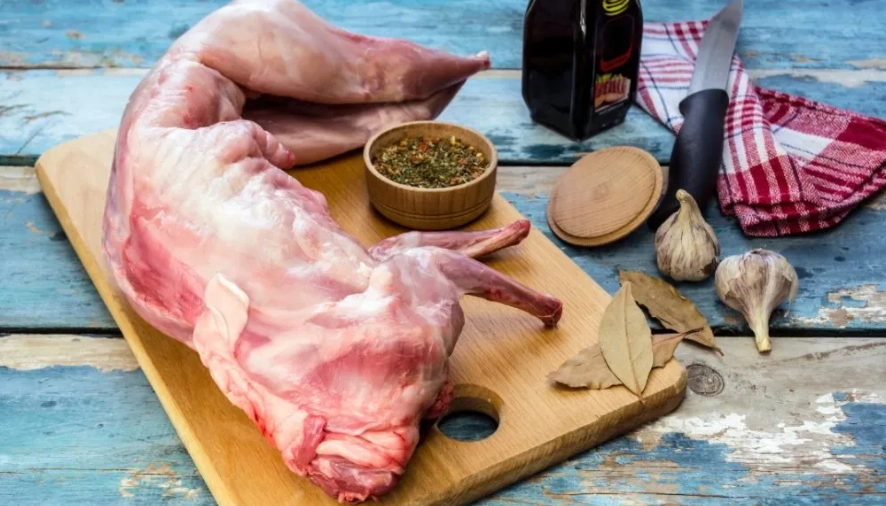
| Aspect | Rabbit Meat | Lamb Meat |
|---|---|---|
| Primary Flavor Profile | Mild, slightly sweet, clean. Often compared to chicken thigh or dark meat turkey, but with a more delicate, almost herbaceous note. | Distinct, rich, earthy, and slightly gamey. The flavor is bold and unmistakable. |
| Common Descriptive Words | Delicate, lean, sweet, subtle, chicken-like. | Rich, fatty, gamey, robust, pastoral. |
| Texture (Cooked) | Very lean. Can be dry if overcooked. When cooked right, it's tender and fine-grained, similar to a well-cooked chicken breast but with more structure. | Has more intramuscular fat (marbling), leading to a juicier, more tender bite. Can be buttery when from a young animal. |
| Fat Content | Extremely low. This is the biggest culinary challenge. | Moderate to high, depending on the cut. This fat carries much of the flavor. |
| Best Cooking Methods | Braising, stewing, confit, or quick roasting with lots of moisture or fat. It needs help to stay juicy. | Grilling, roasting, braising. Handles high heat better due to its fat content. |
The "gamey" label is tricky. Young, farmed rabbit (what you'll likely find) has almost no gaminess. Wild rabbit? That's a different story—it can have a stronger, more mineral flavor because of its diet. Lamb, especially grass-fed or older lamb, has an inherent gaminess that people either love or avoid. So if you dislike lamb because of its gamey taste, rabbit might be a perfect alternative. It's a blank canvas.
I remember serving rabbit stew to a friend who swore she hated "gamey" meat. She ate two bowls, raving about the "amazing chicken." When I told her it was rabbit, she paused, then shrugged and asked for the recipe. The mind is a powerful thing.
Nutrition and Sustainability: Why Rabbit is Having a Moment
Forget taste for a second. The conversation around rabbit meat is heating up because of nutrition and eco-consciousness. Let's look at the numbers, often citing data from the USDA FoodData Central.
| Nutrient (per 100g cooked) | Rabbit Meat |
|---|---|
| Calories | ~173 kcal |
| Protein | ~33g (Excellent source) |
| Total Fat | ~6g (Very low) |
| Saturated Fat | ~2g |
| Iron | ~2.5mg |
| Vitamin B12 | ~6.5μg |
Rabbit is a powerhouse of lean protein. It's also packed with iron and B12, often more than chicken or beef. For anyone watching their saturated fat intake or looking for a high-protein, low-calorie meat, rabbit is a top contender.
Then there's sustainability. Rabbits reproduce quickly, require less feed and water than cattle or sheep, and have a small land footprint. A report from the Food and Agriculture Organization (FAO) has highlighted small livestock like rabbits as a viable option for food security. This makes rabbit meat a genuine sustainable protein source, a term that's more than just a trendy hashtag in this case.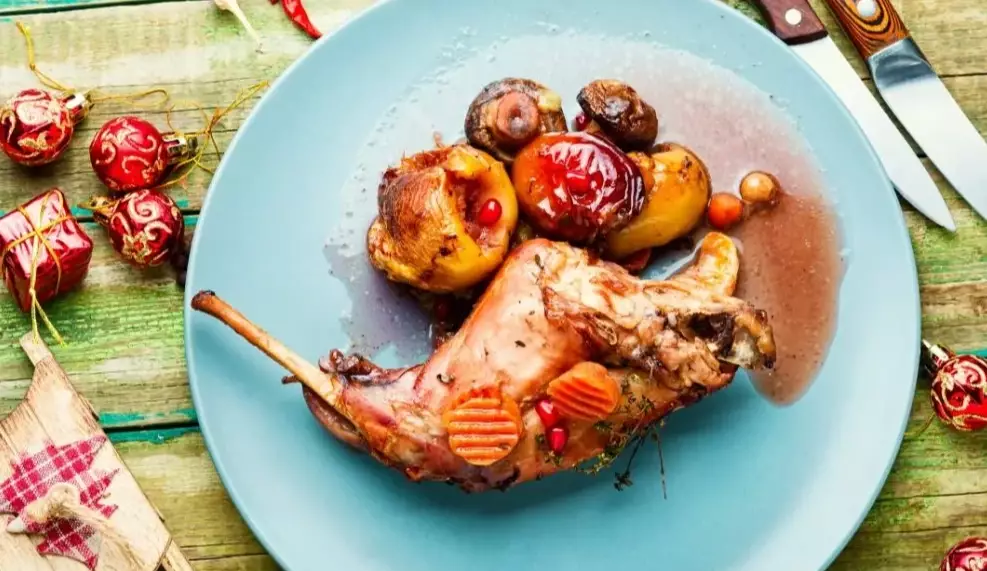
How to Cook Rabbit to Minimize Gamey Flavor and Maximize Tenderness
Here's the expert secret most home cooks miss: You cannot treat rabbit like lamb. Applying a lamb recipe—a quick sear and a hot roast—to a rabbit is a one-way ticket to dry, chewy meat. Rabbit's lack of fat demands a different strategy.
The Golden Rule: Low, Slow, and Moist. My go-to method is braising. It's foolproof.
- Step 1: Brine or Marinate. Even a quick 2-hour brine (water, salt, a little sugar) makes a world of difference. It seasons the meat deeply and helps it retain moisture. For flavor, an overnight marinade in buttermilk, white wine with herbs, or a simple olive oil and lemon mix works wonders.
- Step 2: Brown the Pieces. Pat the rabbit dry (crucial!). Brown it well in a Dutch oven with oil. This builds flavor. Don't crowd the pan.
- Step 3: The Braise. Add aromatics (onions, garlic, carrots), cover with a flavorful liquid (chicken stock, wine, or a mix), bring to a simmer, then cover and transfer to a 300°F (150°C) oven. Forget about it for 1.5 to 2 hours.
- Step 4: The Finish. The meat should be fork-tender. I like to remove the meat, reduce the braising liquid into a sauce, and stir in a pat of cold butter or a splash of cream for richness. Serve over polenta or mashed potatoes.
Flavor Pairings That Work: Rabbit loves assertive flavors that don't overpower it. Think mustard, rosemary, thyme, sage, olives, mushrooms, prunes, white wine, and pancetta. These complement its mild sweetness without masking it.
I once tried to grill rabbit legs like chicken thighs. Bad idea. They dried out in minutes. Lesson learned: respect the leanness.
Where Can I Buy Rabbit Meat? A Practical Guide
This is the biggest hurdle. You won't find it in every supermarket.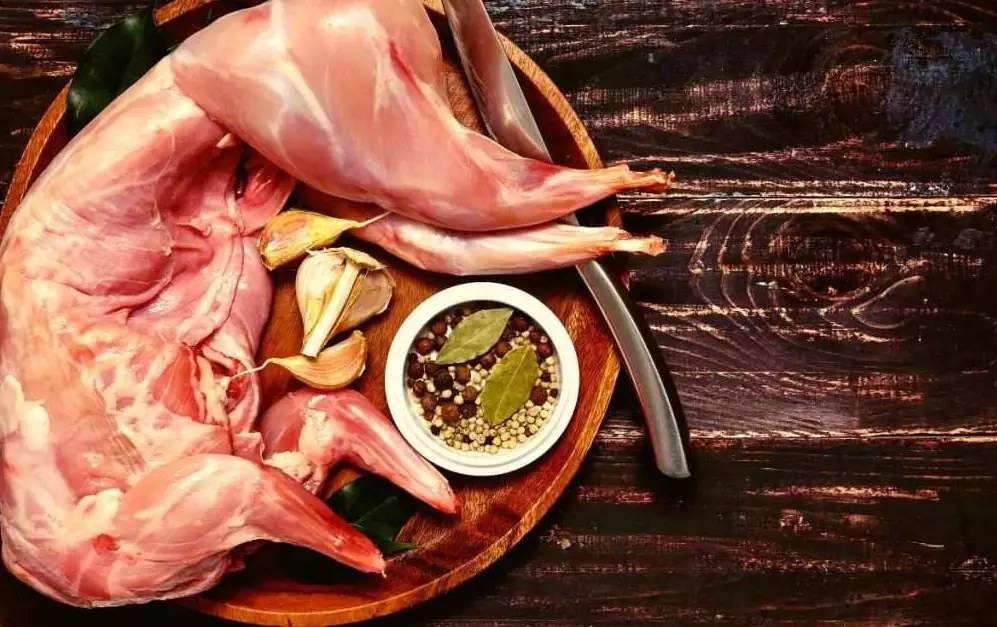
- Local Farmers' Markets: Your best bet. Talk to poultry vendors. Many small farms raise rabbits. You can ask about their diet (grain-fed vs. pasture) which affects flavor slightly.
- Specialty Butcher Shops: A good, old-school butcher can often source it for you, even if it's not in the case. They might sell it whole or cut into pieces.
- Online Retailers: Several reputable sites now ship frozen, farm-raised rabbit nationwide. It's convenient, but check reviews. Brands like "[Reputable Online Meat Purveyor]" are a reliable starting point.
- Asian or International Markets: Often carry frozen rabbit, sometimes whole.
Expect to pay more than chicken, comparable to good-quality lamb chops. A whole rabbit (2.5-3 lbs) typically serves 2-3 people.
Your Rabbit Meat Questions Answered (FAQ)
I’ve heard rabbit is gamey. How do I make it taste mild?
Is rabbit meat really like chicken, or is that just a saying?
 Rabbit vs. lamb: which is healthier?
What's the most common mistake when cooking rabbit for the first time?
Reader Comments