Rabbits can be wonderful companions, but they're not for everyone. I've kept rabbits for over a decade, and I've seen too many end up in shelters because folks jumped in without knowing the full picture. So, do rabbits make good house pets? The short answer: it depends on your lifestyle and expectations. They're affectionate, quiet, and can be litter-trained, but they also need space, social interaction, and specific care that many overlook. In this guide, I'll walk you through the nitty-gritty—pros, cons, costs, and common mistakes—so you can decide if a bunny is right for you.
Jump to What Matters Most
The Real Pros and Cons of Rabbit Ownership
Let's cut to the chase. Rabbits aren't like cats or dogs, and that's where people get tripped up. Here's a balanced view based on my experience.
Why Rabbits Can Be Amazing Pets
They're quiet. If you live in an apartment, a rabbit won't bark at 3 AM. I remember my first rabbit, Thumper—he'd just hop around peacefully, making little grunts when happy. They're also clean animals. With proper litter training, which most rabbits pick up quickly, you won't have messes everywhere. Plus, they form strong bonds. A well-socialized rabbit will follow you around, nudge your hand for pets, and even flop next to you on the couch. It's a subtle affection, but it's real.
The Downsides You Need to Know
Rabbits are fragile. Their spines are delicate, so picking them up wrong can cause injury. Many rabbits hate being held—they prefer to stay on the ground. They're also chewers. Wires, furniture, baseboards—nothing is safe unless you bunny-proof your home. I learned this the hard way when Thumper gnawed through my laptop charger. And they're social creatures. Leaving a rabbit alone all day can lead to depression and destructive behavior. They need companionship, either from you or another rabbit.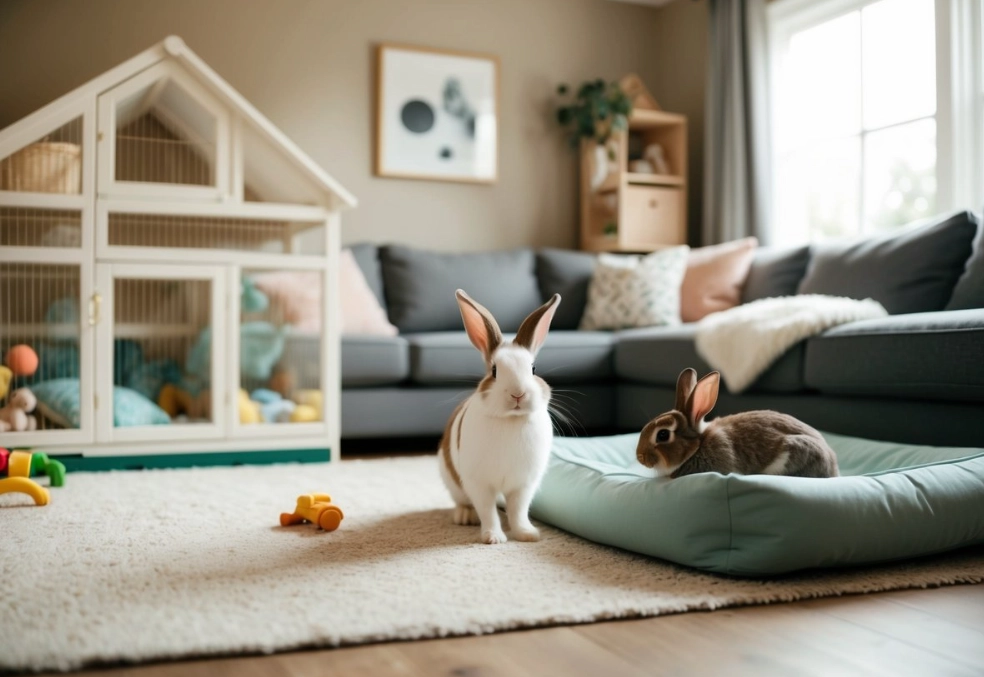
Expert tip: One non-consensus point I've noticed: new owners often think rabbits are "starter pets" for kids. That's a huge mistake. Rabbits require gentle handling and consistent care, making them better suited for responsible adults or supervised families with older children.
How to Care for a House Rabbit: A Step-by-Step Breakdown
Caring for a rabbit isn't rocket science, but it does need attention to detail. Here's what you must get right.
Setting Up the Perfect Rabbit Space
Forget tiny cages. Rabbits need room to hop and explore. A minimum of 12 square feet of enclosed space is recommended by the House Rabbit Society, an authority on rabbit care. I use a puppy pen combined with free-roam time in a bunny-proofed room. Key items: a large litter box with paper-based litter (avoid clay, it's dusty), hay racks, heavy ceramic bowls, and hideouts. Place everything in corners—rabbits feel safer that way.
Diet: More Than Just Pellets
This is where many go wrong. A rabbit's diet should be 80% hay, like timothy or orchard grass. Hay keeps their teeth worn down and gut healthy. Fresh veggies (e.g., romaine lettuce, cilantro) come next, and pellets are just a small supplement. Treats? Skip sugary fruits; try herbs instead. I feed my rabbits twice daily, with unlimited hay available 24/7. It sounds simple, but I've seen rabbits develop dental issues from poor diets.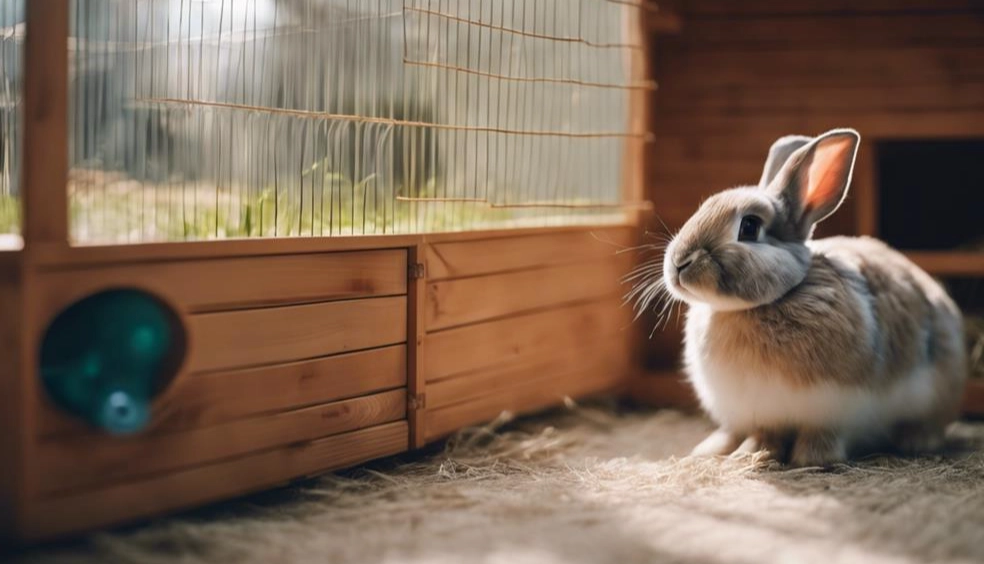
| Care Aspect | What You Need | Common Mistakes to Avoid |
|---|---|---|
| Housing | Large pen (12+ sq ft), litter box, hideouts | Using small cages, skipping bunny-proofing |
| Diet | Unlimited hay, fresh veggies, limited pellets | Overfeeding pellets, neglecting hay |
| Exercise | 3-4 hours daily free-roam time | Keeping rabbit confined all day |
| Health Check-ups | Annual vet visits, spay/neuter | Skipping vet care, ignoring subtle illness signs |
Health and Grooming Essentials
Rabbits hide illness well, so you need to be observant. Regular vet visits to an exotic animal specialist are crucial—expect to pay $50-$100 per check-up. Spaying or neutering is non-negotiable; it reduces aggression and cancer risks. Grooming depends on the breed. My long-haired rabbit requires daily brushing to prevent mats. Nail trims every 6 weeks are a must, or you'll hear clicking on the floor.
Debunking Common Rabbit Behavior Myths
Rabbits get misunderstood a lot. Let's clear up some myths.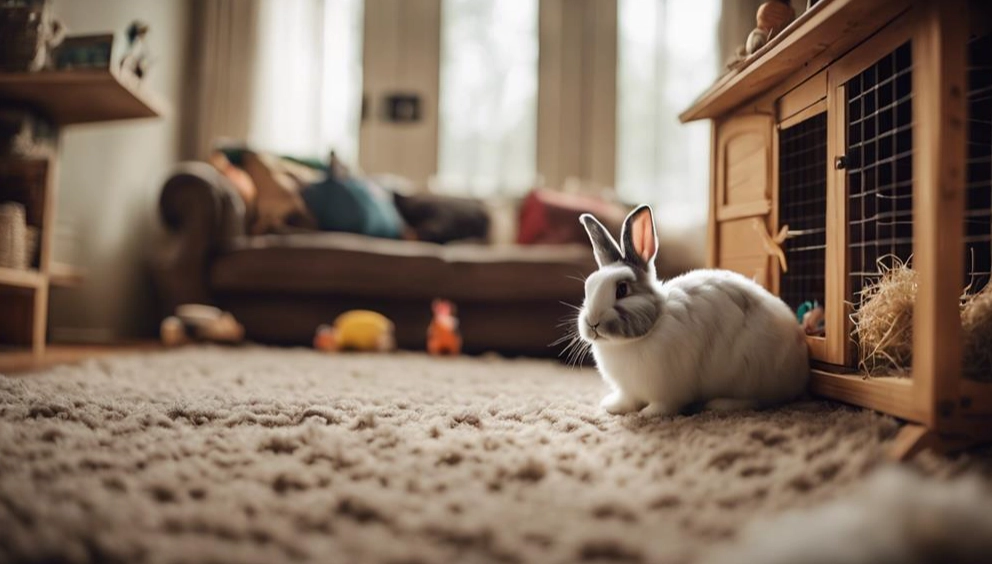
Myth 1: Rabbits are low-maintenance. False. They need daily interaction, cleaning, and monitoring. A bored rabbit will chew your stuff or become withdrawn.
Myth 2: Rabbits love cuddles. Not always. Most rabbits prefer being petted on their terms—sitting next to you, not on your lap. Force cuddling stresses them out.
Myth 3: Rabbits are fine alone. Nope. They're social animals. If you work long hours, consider getting a bonded pair. I introduced a second rabbit to Thumper, and his behavior improved dramatically—less chewing, more binkies (happy jumps).
Behavior issues often stem from lack of stimulation. Provide toys: cardboard tubes, untreated willow balls, even a digging box with shredded paper. Training helps too; rabbits can learn commands like "come" with positive reinforcement.
The True Cost of Owning a Rabbit: A Detailed Look
Money matters. Rabbits aren't cheap, and surprises can hit your wallet. Here's a breakdown based on average costs in the U.S.
Initial setup: $200-$500. This includes a pen, litter box, bowls, hideouts, and bunny-proofing supplies. Adoption fees range from $50-$100 from shelters, while breeders might charge more.
Monthly costs: $40-$80. Hay ($20), pellets ($10), veggies ($15), litter ($10). Add treats and toys occasionally.
Vet bills: The big one. Annual check-ups are $50-$100. Emergencies, like GI stasis (common in rabbits), can cost $300-$1000. Spay/neuter runs $200-$500. I set aside $500 yearly for unexpected health issues—it's saved me stress multiple times.
Consider a hypothetical scenario: Jane adopts a rabbit, budgets $50 monthly, but forgets about vet savings. When her rabbit stops eating, the emergency visit costs $600. Planning ahead prevents such shocks.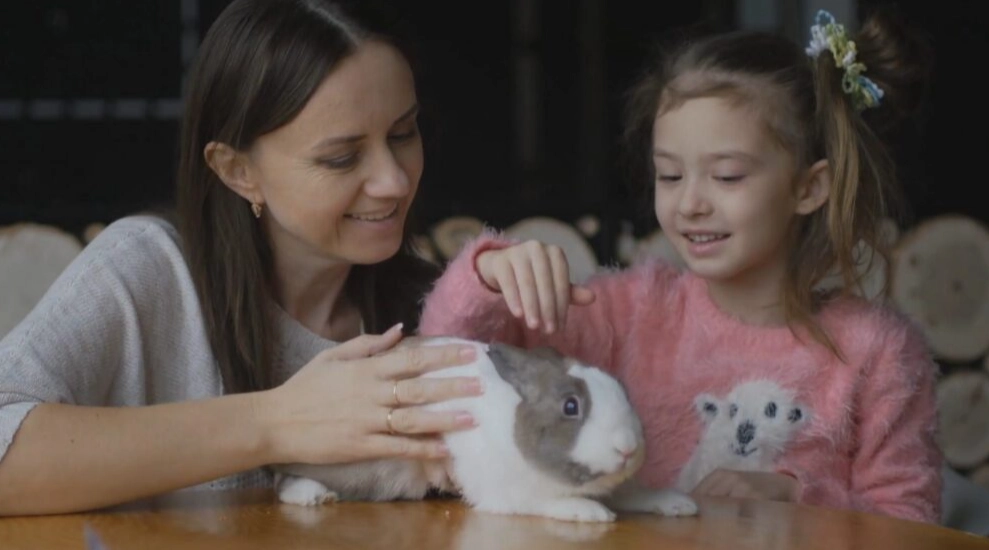
Your Burning Questions Answered
 What are the signs that a rabbit is stressed or unhappy?
Wrapping up, rabbits make good house pets if you're prepared for the commitment. They offer quiet companionship but demand specific care. Don't rush into it—visit shelters, talk to experts, and maybe foster first. Your future bunny will thank you.
Reader Comments