So you're thinking about getting a rabbit. Great choice. But walking into a shelter or browsing a breeder's site, you're hit with a question you didn't expect: what kind of rabbit? It's not like dogs where a Chihuahua and a Great Dane are obviously different. With bunnies, the differences are subtler, but they matter just as much for your next decade together. Choosing the right pet rabbit breed isn't about picking the cutest nose—it's about matching energy, space, and care commitment to a living creature with its own personality blueprint. Let's cut through the fluff and look at what really defines the main bunny pet types.
Your Quick Guide to Bunny Breeds
The Compact Crew: Small & Dwarf Breeds
These are the bunnies that fit in the palm of your hand as babies and top out at a compact size. Popular? Absolutely. But "small" doesn't always mean "easy."
Netherland Dwarf
The poster child of tiny bunnies. With their large, round eyes and tiny ears, they look perpetually like babies. They weigh under 2.5 lbs. But here's the non-consensus part everyone forgets to mention: their personality can be huge and sometimes skittish. Centuries of breeding for that cute, rounded "baby-like" head (a trait called brachycephaly) sometimes came with a more nervous temperament. Not all, but many. They can be less tolerant of clumsy handling, making them a better fit for quiet adults or older children. You don't choose a Netherland Dwarf for cuddles; you choose one for their entertaining, energetic, and sometimes mischievous character.
Holland Lop
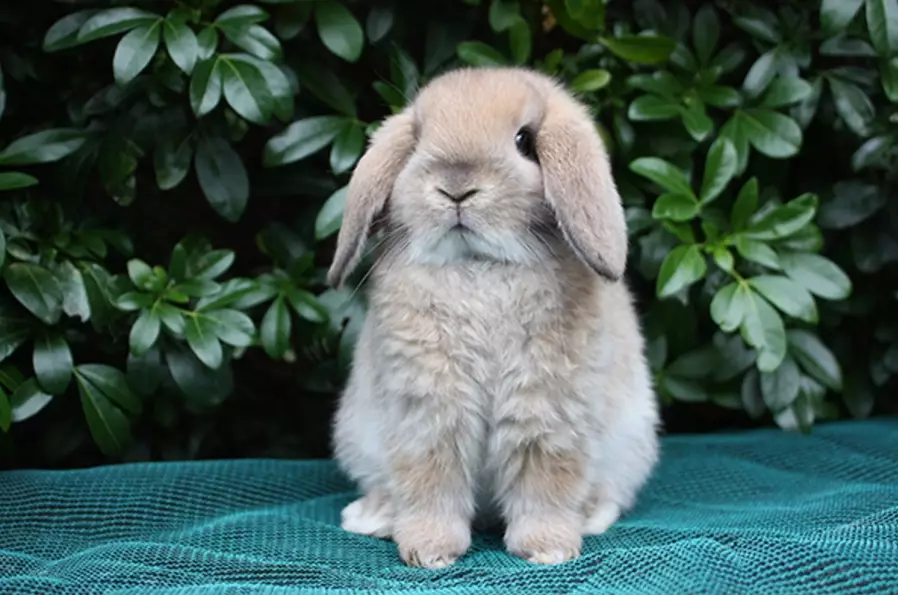
If a bunny could be described as "mellow," the Holland Lop often fits. Another small breed (under 4 lbs), but the key difference is the lopped ears and a generally more relaxed body type. Their temperament is typically more placid and friendly than the dwarf. This is my personal favorite for first-time owners. They seem to enjoy human company more readily and are less prone to that "popcorn" zoomie energy that can make a Netherland Dwarf a handful. Their floppy ears need regular checking for wax buildup, a small but specific care task.
Watch Out: Dwarf breeds are prone to a specific and serious dental issue called malocclusion, where their teeth don't align. Those cute, compact jaws have less room for error. This isn't a maybe—it's a regular vet check item. Budget for potential dental care.
The Family Favorites: Mid-Sized All-Stars
Weighing in between 4 and 8 pounds, this is the sweet spot for many homes. They're substantial enough to feel sturdy for gentle petting, but not so large they dominate your living room.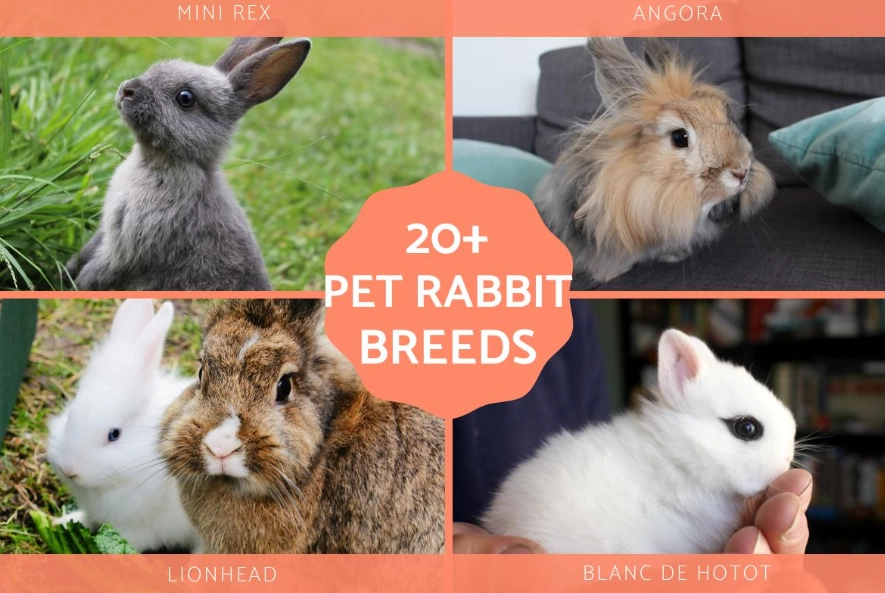
Mini Rex
It's all about the fur. The Mini Rex has a velvety, plush coat that's a sensory dream to stroke. It's also low-shedding compared to many breeds. They are calm, enjoy being petted, and have a solid, rounded body. A fantastic choice if you want a tactile pet. Their personality is often described as "regal"—they know they're gorgeous and appreciate calm admiration. They are less likely to be hyperactive, making them great apartment bunnies.
Mini Lop
Don't confuse it with the Holland Lop. The Mini Lop is bigger, often hitting 6 lbs. It's the quintessential "bunny" shape with lopped ears and a wonderfully friendly, almost dog-like demeanor. They are social, playful, and highly food-motivated, which makes training fun. This breed, in my experience, forms the strongest bonds with their people. They'll follow you from room to room. The downside? They can be prone to weight gain. You have to be strict with pellets and generous with hay.
Lionhead
That distinctive mane makes them look like tiny lions. It's a single gene mutation that became a breed. Beyond the looks, they are playful, curious, and full of character. The mane requires regular brushing to prevent mats. Their size is variable, but they fit in this mid-range. I find Lionheads to be clever and sometimes a bit stubborn. They're not the lazy lap rabbits some expect; they're explorers.
The Lap-Sized Legends: Gentle Giants
Large rabbit breeds (8+ lbs) are a different experience. They are calm, less fragile, and often described as "puppy-like." But they need space—a large dog crate is a minimum, but a whole room is better.
Flemish Giant
The king of domestic rabbits, sometimes reaching 20+ pounds. Their temperament is legendary for gentleness. They are calm, patient, and can be incredibly affectionate. They don't startle as easily as smaller breeds. The catch? Everything is bigger: the food bill, the litter box, the vet doses, the space needed. You don't just get a rabbit; you get a small, hoppy dog. Their lifespan can be slightly shorter (5-8 years) due to the strain of their size on their bodies, particularly their hearts and joints.
French Lop
Imagine a Holland Lop scaled up to 10-15 pounds. Massive head, huge lopped ears, a body like a small pillow. They are typically extremely laid-back, almost lethargic. Perfect for someone who wants a couch companion. Their sheer bulk means they are less likely to get into tight spaces or chew baseboards up high, but they can clear a coffee table with a casual hop. They are not agile; they are majestic.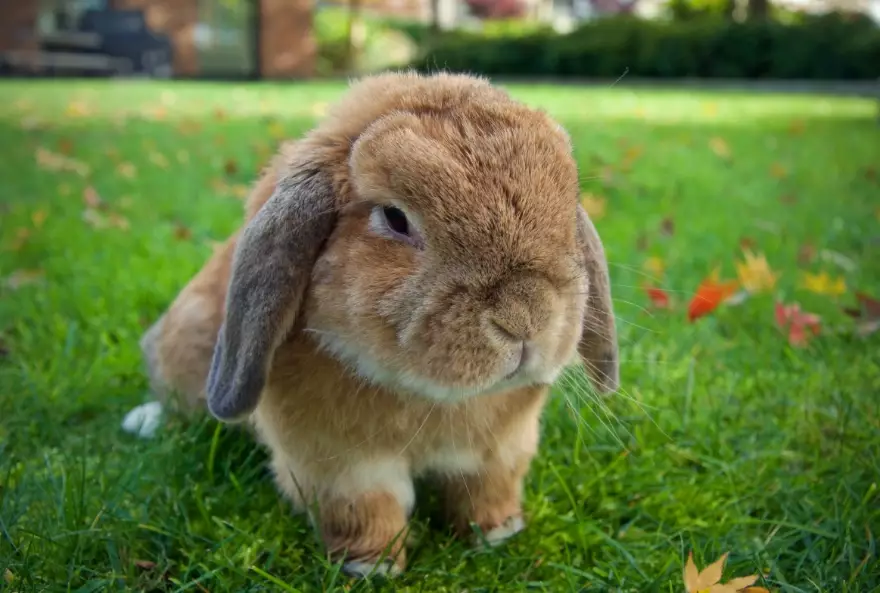
Side-by-Side Breed Comparison
This table breaks down the practicalities. Use it as a starting point, not the final answer.
| Breed | Avg. Size | Temperament Vibe | Key Care Note | Best For |
|---|---|---|---|---|
| Netherland Dwarf | Under 2.5 lbs | Energetic, sometimes timid | Needs gentle handling; watch dental health | Experienced or quiet adult homes |
| Holland Lop | 2-4 lbs | Sweet, mellow, friendly | Regular ear checks; social creature | First-time owners, families |
| Mini Rex | 4-5 lbs | Calm, enjoys petting, regal | Plush coat is low-maintenance | Apartment living, tactile seekers |
| Mini Lop | 5-6 lbs | Social, playful, dog-like | Prone to obesity; needs diet control | Active families wanting interaction |
| Lionhead | 3-4 lbs | Playful, curious, bold | Mane requires frequent brushing | Owners who enjoy grooming & play |
| Flemish Giant | 13+ lbs | Gentle, patient, calm | Needs significant space & budget | Those wanting a "lap dog" bunny |
What the table can't show is lifespan and common health issues. Smaller breeds often live 8-12 years. Giants, 5-8. All are prone to gastrointestinal stasis, but dwarfs have more dental issues, and lops have more ear issues. Rex breeds can develop sore hocks on hard surfaces.
What Matters More Than Breed
After a decade of fostering rabbits, I'll tell you this: individual personality trumps breed standard every time. A shelter rabbit of mixed heritage can be the perfect pet. Breed gives you probabilities, not guarantees.
The environment you create matters more than any pedigree. A bored Flemish Giant will be destructive. A Netherland Dwarf in a calm, predictable home can be a confident sweetheart. Focus on providing a large enclosure (never a tiny cage), unlimited hay, daily fresh veggies, and, most importantly, hours of free-roam time and interaction.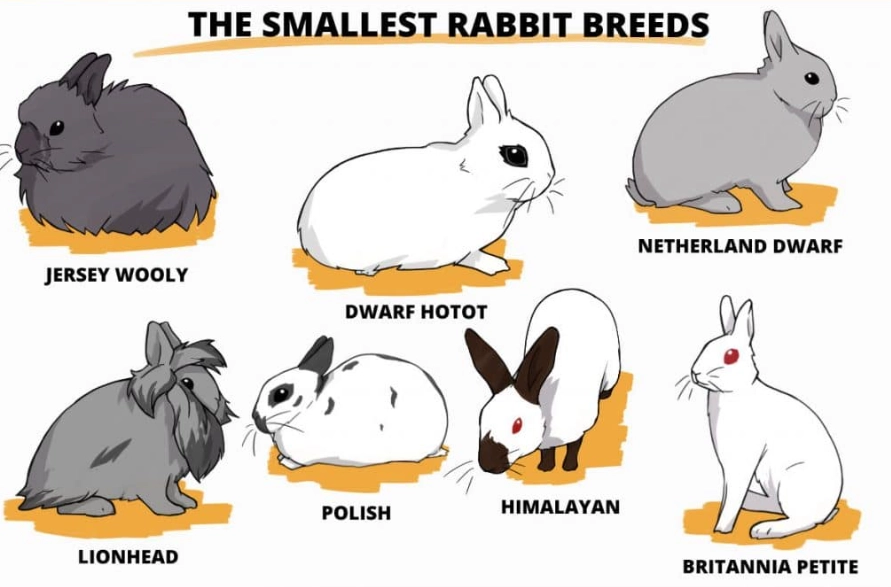
Spaying or neutering is non-negotiable. It reduces cancer risks (especially in females), eliminates hormonal aggression, and makes litter training a breeze. This one surgery does more for temperament than any breed selection.
Your Bunny Breed Questions Answered
 What's the most low-maintenance pet rabbit breed?
Reader Comments