Rabbits are often marketed as perfect starter pets, quiet and cuddly. That image is a setup for failure. I've cared for rabbits for over a decade, fostered dozens, and seen the same mistakes repeated. Getting a bunny is a major commitment to a complex, fragile, and wonderfully rewarding animal. This isn't a scare tactic—it's the reality check I wish I'd had.
What's in this guide?
- 1. They Live a Long Time (It's a Decade-Plus Commitment)
- 2. They Are Not "Low Maintenance" Pets
- 3. Their Diet is Critical and Often Misunderstood
- 4. They Need More Space Than You Think
- 5. Veterinary Care is Specialized and Expensive
- 6. They Are Social Creatures (And Often Need a Friend)
- 7. Common Behavior Myths Can Ruin Your Bond
- 8. They Are Destructive by Nature
- 9. Adoption is Almost Always the Better Choice
- 10. Rabbits and Young Children Are a Tricky Mix
1. They Live a Long Time (It's a Decade-Plus Commitment)
A common misconception is that rabbits are like hamsters, with a 2-3 year lifespan. That's dangerously wrong. A well-cared-for indoor rabbit typically lives 8 to 12 years. Some even reach 14. According to the Merck Veterinary Manual, this longevity is directly tied to proper care.
Think about your life in 10 years. Are you planning to move for college or a job? Will you have kids? Travel extensively? A rabbit will be there, needing stable, daily care through all of it. This isn't a short-term project. It's bringing a family member into your home for what could be the entirety of a child's elementary school years. I've seen too many "rehoming" ads from people whose lives changed—the rabbit, now five years old, is the one who pays the price.
2. They Are Not "Low Maintenance" Pets
Forget the idea of a pet that just sits in a hutch. A rabbit's daily needs rival those of a cat or dog.
Daily: You need to refresh their water, provide unlimited hay, give a measured amount of fresh greens and pellets, and spot-clean their litter box. They require a minimum of 3-4 hours of supervised, out-of-enclosure exercise time every single day. This isn't optional; it's for their physical and mental health.
Weekly: A full litter box change, a thorough enclosure cleaning, and brushing (especially for long-haired breeds like Angoras).
They are crepuscular, meaning most active at dawn and dusk. Don't be surprised if your peaceful bunny turns into a zoomie-filled, binky-happy athlete in the early evening right when you want to relax.
3. Their Diet is Critical and Often Misunderstood
This is where many first-time owners fail catastrophically. A rabbit's digestive system is a finely tuned, continuous fermentation process. Get it wrong, and you get GI stasis—a silent, often fatal shutdown.
| Diet Component | Percentage of Diet | Key Details & Common Mistakes |
|---|---|---|
| Unlimited Grass Hay (Timothy, Orchard, Meadow) | 80-85% | NOT alfalfa for adult rabbits (too high in calcium/protein). Hay wears down teeth (which never stop growing) and provides essential fiber for gut motility. The most common error is not providing enough fresh, appealing hay. |
| Fresh Leafy Greens | 10-15% (about 1 packed cup per 2 lbs body weight) | Romaine, cilantro, bok choy, spring greens. Introduce one at a time. Avoid iceberg lettuce (no nutritional value) and certain greens like kale in large daily amounts due to oxalates. |
| High-Quality Pellets | 5% or less (approx. 1/4 cup per 5 lbs) | Look for plain, timothy-based pellets with >18% fiber. Avoid colorful mixes with seeds, corn, or dried fruit—these are junk food that cause selective feeding and obesity. |
| Treats (Fruit, Carrots) | These are high in sugar. A blueberry or a thin slice of banana is a treat, not a staple. A whole baby carrot is a big deal for a rabbit. |
The ASPCA Rabbit Care Guide emphasizes this hay-centric approach. I once fostered a rabbit surrendered because he was "picky." His previous diet was mostly pellets and treats. It took two weeks of patiently offering different hays (Timothy, Orchard, Oat) before he started eating properly. His "pickiness" was a diet-induced problem.
4. They Need More Space Than You Think
A small store-bought cage is a prison, not a home. Rabbits need room to run, jump, and stand fully upright on their hind legs without their ears touching the top.
The absolute minimum enclosure size for one rabbit, as recommended by the Rabbit Welfare Association & Fund, is 3ft x 2ft x 2ft high for the sleeping area, permanently attached to a larger exercise run of at least 6ft x 2ft. And that's the *minimum*.
Most dedicated owners use a large dog exercise pen (x-pen) or rabbit-proof a whole room. My setup is an x-pen attached to a large NIC grid condo, giving them about 16 square feet of permanent space, plus free-roam time in the living room.
Think about vertical space, too. Platforms, ramps, and hiding boxes enrich their environment immensely.
5. Veterinary Care is Specialized and Expensive
You cannot just take a rabbit to any vet. You need an exotic or rabbit-savvy veterinarian. Cats and dogs are predators; rabbits are prey animals. They hide illness until it's severe, and their physiology is completely different. Drug dosages, anesthesia protocols, and even basic exam techniques are specialized.
Find this vet *before* you get the rabbit. Call around. Ask if they see many rabbits and what common procedures (like spaying) cost.
Speaking of cost, be prepared. A routine check-up can be $60-$100. Spaying or neutering (which is non-negotiable for health and behavior) can run $300-$600. An emergency visit for GI stasis—including x-rays, fluids, and medication—can easily exceed $1,000. Pet insurance for rabbits is available and worth serious consideration.
6. They Are Social Creatures (And Often Need a Friend)
In the wild, rabbits live in complex social groups. A solitary rabbit is often a lonely rabbit, even with lots of human interaction. In many European countries, it's considered inhumane to keep a single rabbit.
Getting a bonded pair is frequently easier than getting one and adding another later (which requires a slow, careful bonding process). Two neutered rabbits will groom each other, sleep together, and keep each other company. It doesn't double the work—it often makes them happier and more relaxed.
I introduced my second rabbit, a shy rescue, to my first. Watching them finally flop down side-by-side after weeks of careful bonding was one of the most rewarding experiences. His personality blossomed with a friend.
7. Common Behavior Myths Can Ruin Your Bond
Myth 1: Rabbits love to be cuddled and held. For most rabbits, being picked up triggers a prey-animal panic response. They tolerate it at best. Affection is shown and received on the ground: nose bonks, gentle petting while they're relaxed, and they may climb on you.
Myth 2: Litter training is impossible. Actually, spayed/neutered rabbits are remarkably easy to litter train. They naturally pick a corner. Put a hay rack over the litter box (they like to eat while they go), and you're 90% there.
Myth 3: If they thump, they're just being mean. Thumping is a danger signal or an expression of annoyance. It's communication, not aggression. Figure out what's upsetting them.
8. They Are Destructive by Nature
Rabbits chew. And dig. It's not them being "bad"; it's hardwired behavior. Baseboards, chair legs, phone chargers, and carpet corners are all fair game.
Rabbit-proofing is mandatory. It means:
- Concealing or protecting all wires with cord covers. >
- Blocking access to furniture legs with panels or bitter apple spray.
- Providing a mountain of approved chewing alternatives: applewood sticks, willow balls, cardboard boxes, hay-filled toilet paper rolls.
You manage the environment, not the instinct.
9. Adoption is Almost Always the Better Choice
Pet store rabbits often come from mass-breeding mills, with unknown health or genetic histories. They are frequently sold too young and mis-sexed.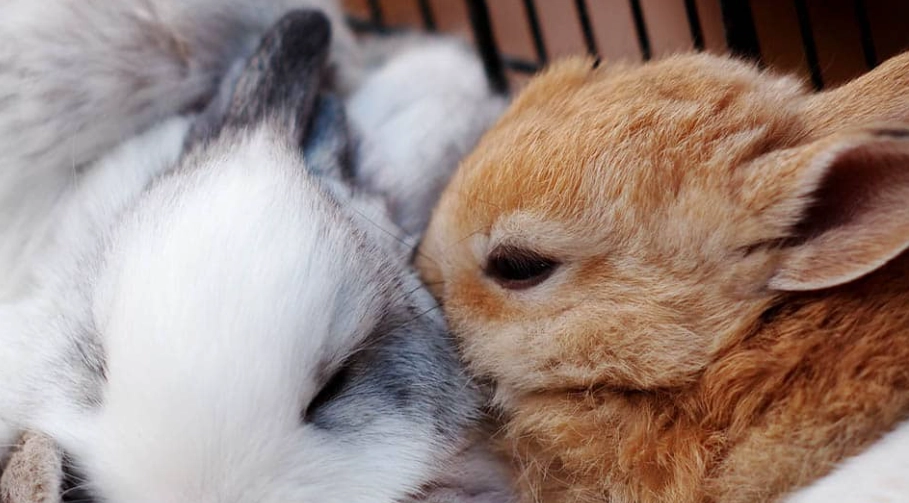
Animal shelters and rabbit-specific rescues are overflowing with wonderful rabbits of all ages and breeds. The advantages are huge:
- They're usually already spayed/neutered. This saves you $500+ and recovery stress.
- Their personality is known. Rescues can tell you if a rabbit is laid-back, playful, shy, or good with other animals.
- You're saving a life. And making space for the next rabbit in need.
My first rabbit was a pet store impulse buy (a mistake). My next two were rescues—the difference in the support and information provided was night and day.
10. Rabbits and Young Children Are a Tricky Mix
Rabbits are fragile. Their bones are light; a drop from a child's arms can be fatal. They are easily stressed by loud noises and sudden movements. A toddler's idea of love (a tight hug) can terrify or injure a rabbit.
This doesn't mean families can't have rabbits. It means the rabbit must be primarily the *adult's* responsibility, with children taught respectful, supervised interaction. A rabbit is not a living toy. The best scenario is an older, calm rabbit and children who are at least 8-10 years old and can understand gentle handling.
Too many rabbits end up neglected in a basement because the kids lost interest, or surrendered after being injured by overly enthusiastic handling.
 How do I know if my rabbit is sick? They seem fine.
Reader Comments