You see a wild rabbit nibbling in your yard, those twitching noses and fluffy tails are hard to resist. The thought pops up: "Should I feed it?" Let's cut to the chase. The best thing you can often do is nothing. But if you're determined to offer a helping hand, especially in harsh conditions, you need to know exactly what's safe and what's a death sentence. Getting it wrong can cause severe digestive issues, malnutrition, or make them dependent. This isn't about making cute pets; it's about supporting wild animals without harming them.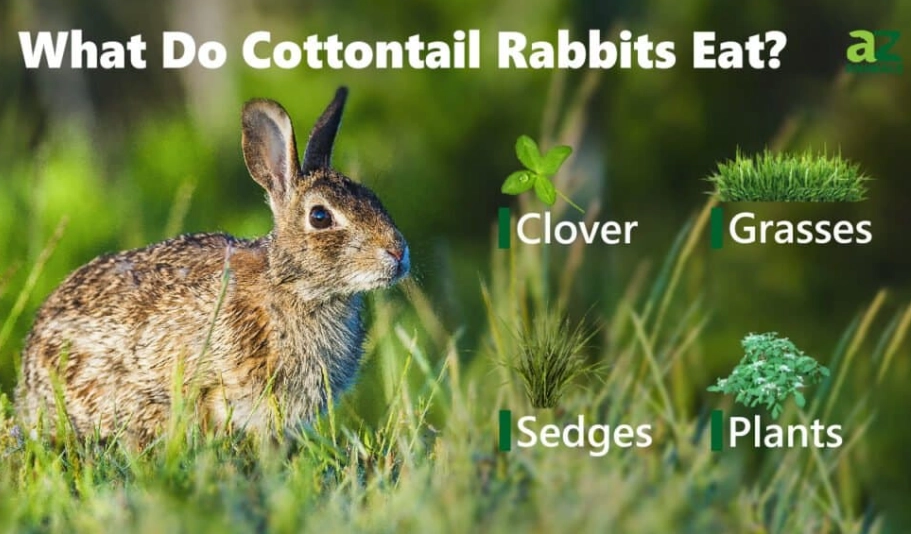
What You'll Learn in This Guide
The Wild Rabbit's Natural Buffet: It's Not Just Carrots
Forget Bugs Bunny. A wild rabbit's diet is high-fiber, low-sugar, and surprisingly diverse. Their digestive systems are finely tuned fermenters, relying on a process called cecotrophy where they eat special nutrient-rich droppings. Mess with that balance, and you risk disaster.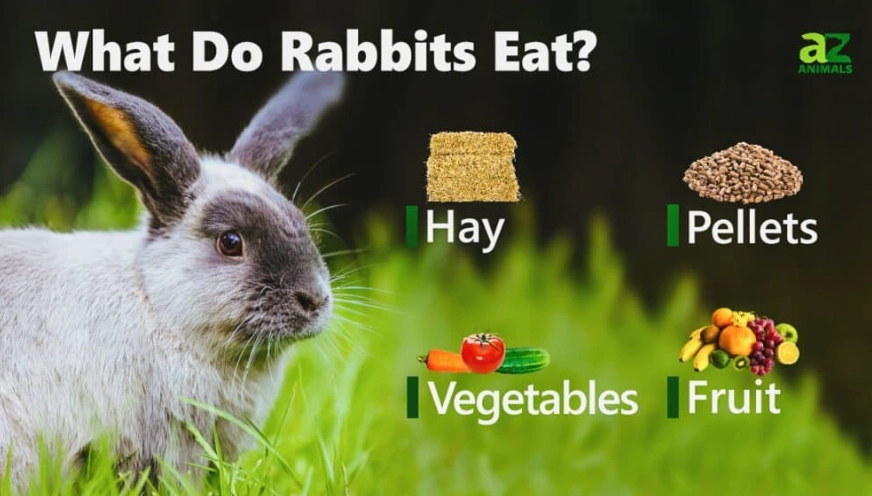
From spring to fall, their diet is a mix of:
- Grasses and Hay: Timothy, meadow, orchard grass. This is their staple, making up about 80-90% of their intake. The long fibers are essential for gut motility and tooth wear.
- Leafy Weeds and Herbs: Dandelion greens (a superfood for them), plantain, clover, chickweed, raspberry leaves, mint. These provide vitamins and minerals.
- Bark and Twigs: In winter, when greenery is scarce, they'll strip bark from saplings like apple, maple, and willow. Willow even has natural pain-relieving properties.
- Garden Vegetables (if available): They'll go for leafy tops of carrots and beets, but the root carrot itself is a rare, sugary treat in the wild.
A key insight most guides miss: The nutritional content of plants changes with seasons. Spring greens are high in protein and moisture, while late summer plants are more fibrous. A rabbit's gut bacteria adapt accordingly. Suddenly introducing a large amount of a new, rich food (like store-bought lettuce) can overwhelm this delicate system.
A Practical List of Safe Foods for Supplemental Feeding
If you find an injured rabbit, are facing a brutal winter, or have rabbits already nesting in your yard, here’s what you can offer. Think of this as supplemental support, not a full meal replacement.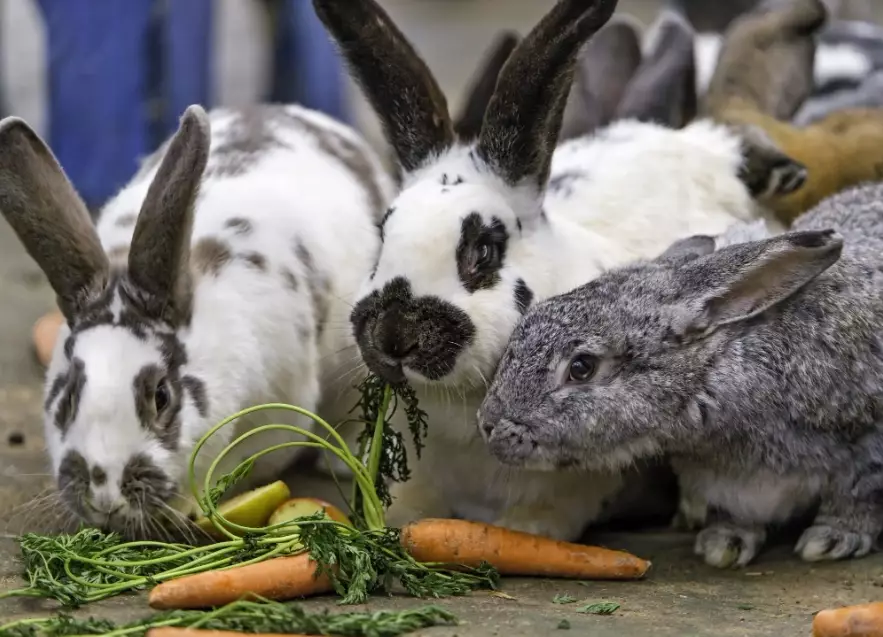
Top Choices (Mimic Their Natural Forage)
Fresh Grass and Hay: The absolute best. If you have a pesticide-free lawn, simply letting it grow a bit helps. Otherwise, offer fresh timothy or orchard grass hay. Place it in a dry, sheltered spot.
Dark Leafy Greens: Small amounts only. Romaine lettuce, kale stems (not too much), cilantro, parsley, carrot tops (the leafy greens, not the carrot).
Herbs from Your Garden: Mint, basil, dill. These are aromatic and often ignored by pests, making them a safe bet.
Twigs and Branches: From untreated apple, willow, or maple trees. Great for dental health and enrichment.
Foods to Offer Sparingly (Treats)
These are high in sugar or starch and should be tiny, occasional offerings—think the size of your thumbnail.
- Carrot (a small slice, not the whole thing)
- Apple (one small slice, seeds removed)
- Blueberries or strawberries (one or two)
The No-Fly Zone: Foods That Can Harm or Kill Wild Rabbits
This is where well-meaning people do the most damage. I've spoken with wildlife rehabilitators who see the same tragic cases every year: rabbits with life-threatening bloat or diarrhea from inappropriate feeding.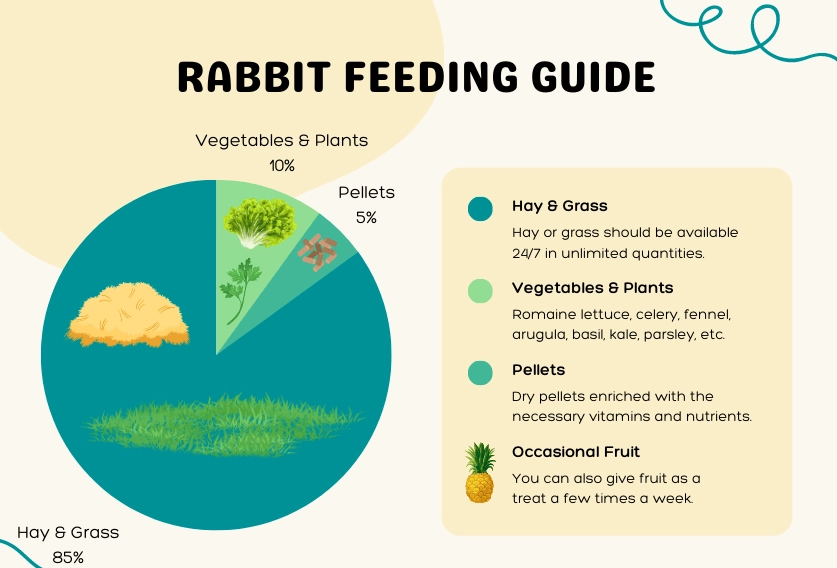
| Food to Avoid | Why It's Dangerous | Common Misconception |
|---|---|---|
| Iceberg Lettuce | Contains lactucarium, which can be a sedative, and is mostly water with little fiber, leading to diarrhea. | "All lettuce is fine." |
| Bread, Crackers, Cereal | Rabbits cannot digest grains well. Causes fatal gut stasis (GI slowdown) and bloating. | "They look hungry; bread is filling." |
| Avocado | Contains persin, a fungicidal toxin that is highly toxic to rabbits. | "It's a healthy fat for humans." |
| Onions, Garlic, Leeks | Cause oxidative damage to red blood cells, leading to hemolytic anemia. | "It's just a vegetable." |
| Peas, Corn, Beans | High in starch and sugars, cause severe gas and bloating in a system designed for fiber. | "They're vegetables, so they must be good." |
| Yogurt Drops or Processed "Rabbit Treats" | Wild rabbits have no need for dairy or processed sugars. Disrupts gut flora. | "Pet store treats are made for rabbits." (These are for domestic ones, and even then, poorly.) |
Personal observation: The biggest mistake I see is people leaving out bowls of pellet food meant for domestic rabbits. Wild rabbits will gorge on these high-calorie pellets, neglecting the fibrous forage they need, leading to obesity and dental disease. It fundamentally alters their foraging behavior and health.
When and How to Feed: The Ethics of Intervention
Feeding wildlife is a contentious topic. Organizations like the US Fish and Wildlife Service generally advise against it to prevent habituation, disease spread, and ecological imbalance. Your local wildlife rehabilitation center will have the best advice for your area.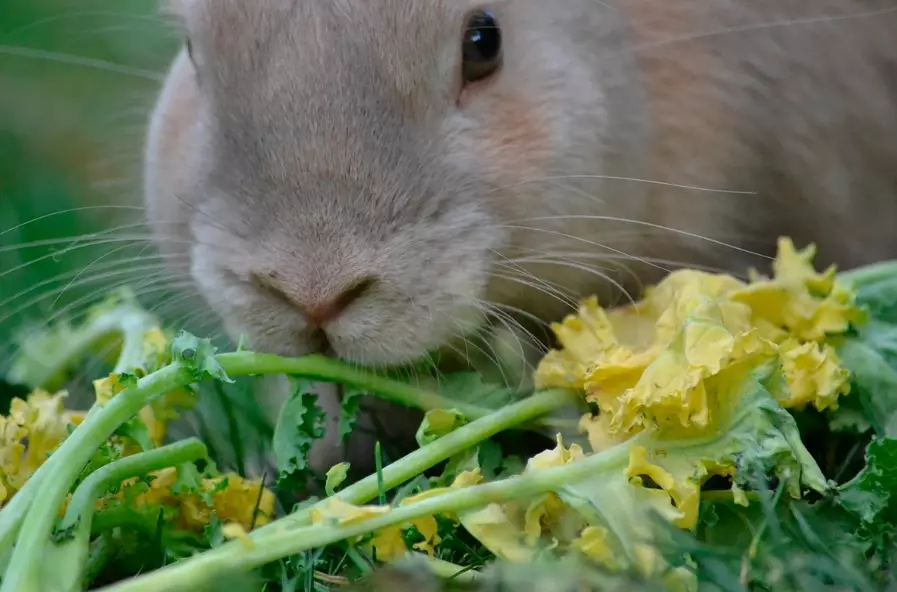
If you decide to proceed, follow these rules:
Scenario 1: You have a rabbit family living in your yard. Don't start a feeding station. Instead, rabbit-proof your garden and let them forage naturally. Plant clover, dandelion, or a small patch of herbs they enjoy. You're providing habitat, not handouts.
Scenario 2: Deep snow or drought has eliminated all food sources. This is when supplemental feeding can be a lifeline. Scatter fresh hay in several locations near shelter (bushes, wood piles). This prevents crowding and allows shy individuals to eat. Provide fresh water in a shallow, non-metallic bowl (change daily).
Scenario 3: You find an injured or orphaned baby rabbit. First, determine if it's truly orphaned. Mother rabbits only visit nests at dawn and dusk. If the rabbit is cold, visibly injured, or covered in flies, contact a licensed wildlife rehabilitator immediately. Do not attempt to feed it cow's milk or formula. Incorrect feeding can lead to aspiration pneumonia. Keep it warm and quiet until help arrives.
The goal is always to support their natural behavior, not replace it. Once you start feeding consistently, you create dependency. Stopping in the middle of winter could then be catastrophic.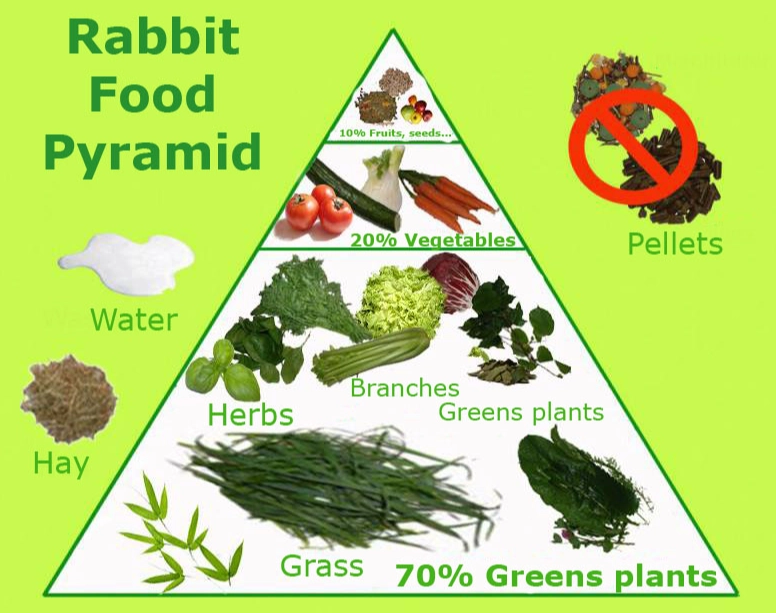
Your Top Questions on Feeding Wild Rabbits
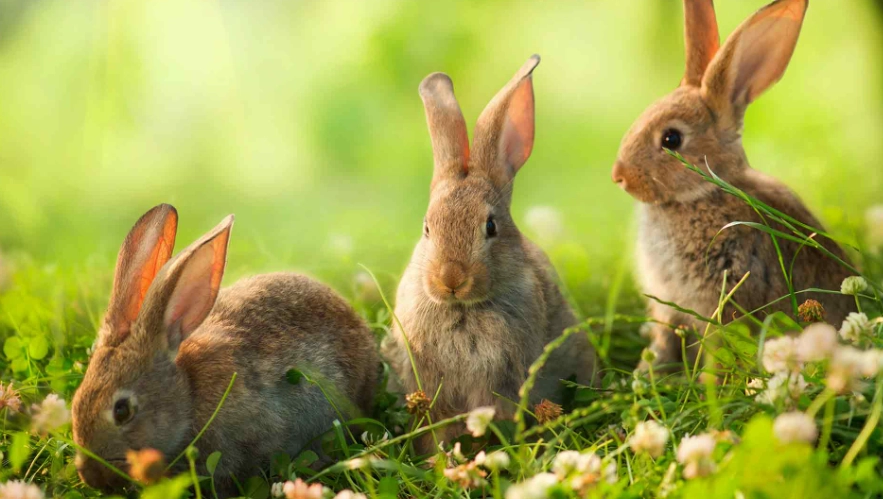
Ultimately, appreciating wild rabbits is about respecting their wildness. The most meaningful way to "feed" them is to cultivate a backyard that offers natural shelter and native plants they can forage themselves. Skip the carrots and plant some dandelions. They'll thank you in their own, wild way.
Reader Comments