You’ve found a nest of wild baby rabbits, those tiny, furless creatures with eyes sealed shut. Your first thought is probably, "What on earth do these little things eat?" It’s a critical question, because getting it wrong can do more harm than good. I’ve been involved in wildlife rehabilitation for over a decade, and I can tell you that the diet of a wild baby rabbit, or "kit," is a finely tuned process that changes by the day. Most well-meaning advice gets it partly wrong. Let’s cut through the myths and look at what they actually eat in the wild, what to do if you find orphans, and the subtle mistakes that even experienced animal lovers make.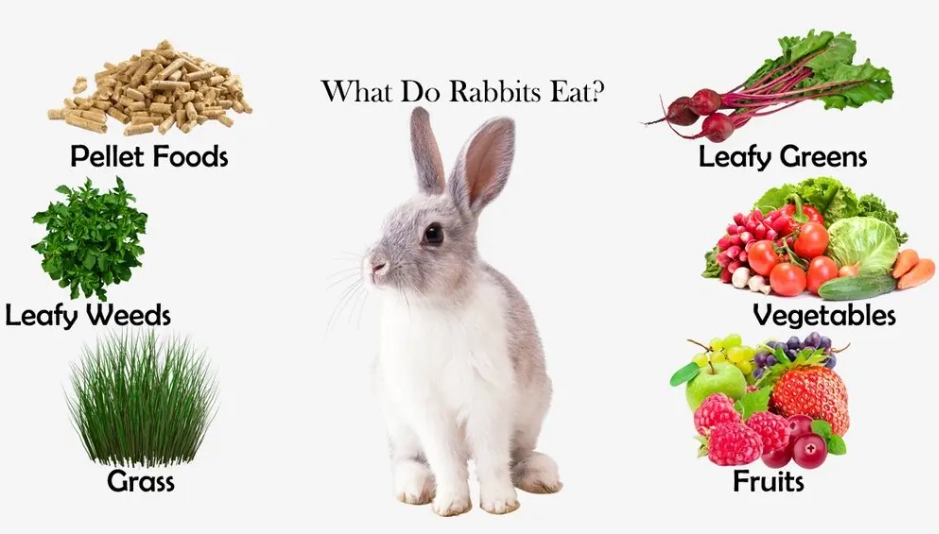
What’s Inside This Guide
How Their Diet Changes as They Grow
Wild baby rabbits aren’t like kittens or puppies. They’re precocial in some ways but incredibly fragile. Their digestive system is a high-performance engine designed for one specific fuel: their mother’s milk, followed by a very specific introduction to plants.
The First Two Weeks: It’s All About the Milk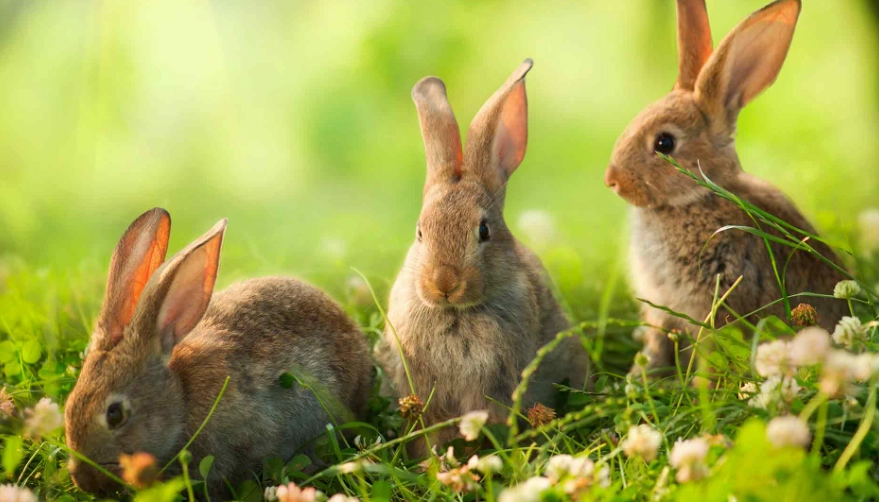
For the first 10-14 days of life, a wild baby rabbit’s diet is 100% mother’s milk. That’s it. No water, no grass, certainly no carrots or lettuce. This milk is exceptionally rich in fat and protein—one of the richest among mammals—which allows them to grow rapidly on just one or two feedings per day.
Here’s a detail most people miss: the mother rabbit (doe) only visits the nest at dawn and dusk for about 5 minutes total to nurse. She stays away the rest of the time to avoid leading predators to her young. Finding a nest alone for 23 hours a day is completely normal, not a sign of abandonment.
Weeks 3 to 4: The Big Transition
This is the most fascinating and dangerous phase. Around 3 weeks old, their eyes are open, they’re more mobile, and they start nibbling. But they’re not ready to be weaned. They are still dependent on milk, but now they begin sampling the world around them.
Their first solid foods aren’t the lush, wet greens you might imagine. In the wild, they start with dry grasses, hay, and maybe the bark or twigs from safe plants like raspberry canes. This dry, fibrous material is crucial—it helps develop the gut bacteria needed to ferment cellulose and prevents diarrhea, which is fatal for kits.
By week 4, they’re eating more solids but still nursing. You might see them venturing a few feet from the nest, looking like perfect miniatures of their parents, but they’re not independent yet.
Week 5 Onward: Becoming True Herbivores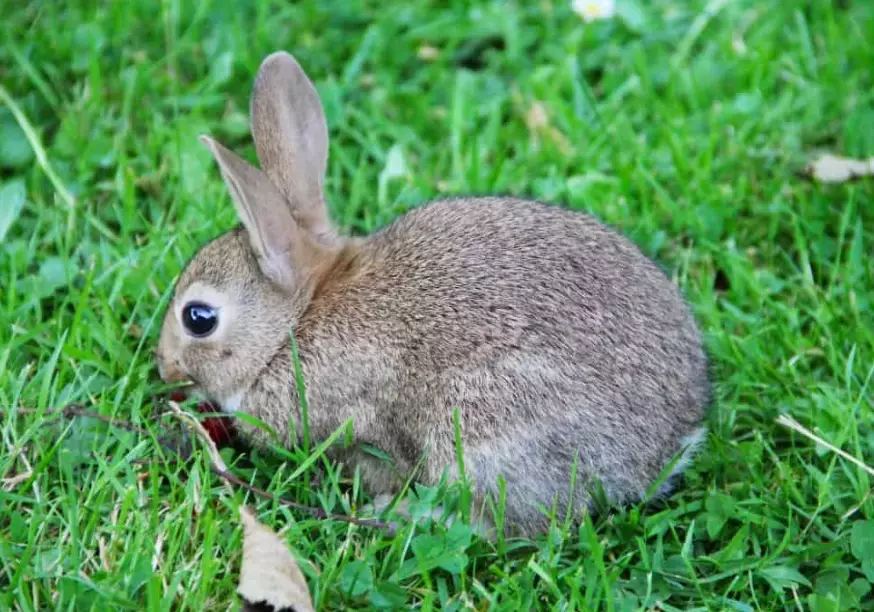
Weaning is complete around 4-5 weeks. Now they’re on an adult diet, but a careful one. They eat a wide variety of grasses, weeds, leaves, and bark. A key component of a healthy adult rabbit’s diet is cecotropes—special nutrient-rich droppings they re-ingest directly from the anus. This process, called cecotrophy, is essential for getting vitamins (especially B vitamins) and proteins. Baby rabbits learn this behavior from their mother and littermates.
| Age | Primary Food Source | Key Nutritional Focus | Human Analogy |
|---|---|---|---|
| Birth - 2 Weeks | Mother’s Milk Only | Ultra-rich fat & protein for rapid growth | Specialized infant formula |
| 3 - 4 Weeks | Mother’s Milk + Dry Grasses/Hay | Gut microbiome development, fiber introduction | Baby starting on bland cereals |
| 5 Weeks+ | Diverse Grasses, Weeds, Leaves, Cecotropes | Sustained energy, vitamins, digestive health | Full, balanced adult diet |
What to Do If You Find Orphaned Wild Baby Rabbits
This is where intentions and reality often clash. Your first job isn’t to feed them; it’s to assess if they truly need help.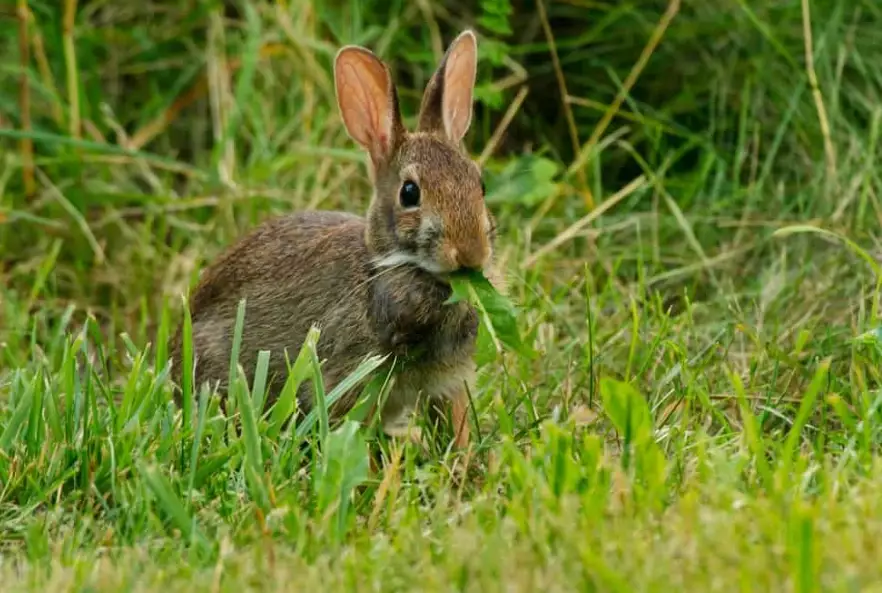
If the kits are injured, cold, or you’ve confirmed the mother is dead (a rare sight, as predators usually take the whole nest), then they need professional help. Your next step should not be a Google search for homemade formula. It should be a call to a licensed wildlife rehabilitator. These professionals have the correct formula (like Kitten Milk Replacer modified with probiotics) and know-how.
The Humane Society of the United States and your state’s Department of Natural Resources are excellent resources for finding a local rehabber.
If you absolutely must provide temporary care before transport, keep them warm (a heating pad on low under half the container) and do not feed them cow’s milk, baby formula, or anything sugary. It will cause fatal digestive bloat. A few drops of plain, lukewarm water from a syringe is safer than the wrong food if they are dehydrated.
Common Feeding Mistakes and How to Avoid Them
Even with the best intentions, people make predictable errors. Here are the big ones.
Feeding Too Soon or Too Much: A cold, shocked baby rabbit cannot digest food. Warmth comes first, always. Once warm, feeding must be done slowly, drop by drop, with the correct formula. Overfeeding is a leading cause of aspiration pneumonia and death in hand-reared kits.
Using the Wrong “Milk”: Cow’s milk, goat’s milk, and human infant formula are completely wrong. They lack the correct fat/protein balance and cause severe diarrhea. The rehab standard is Kitten Milk Replacer (KMR) or a specific wildlife formula.
Introducing Greens Too Early: This might be the most common critical error. People see a 3-week-old kit and think, "It must want lettuce." That wet, high-carbohydrate greenery will ferment in their underdeveloped cecum, causing deadly gas and enterotoxemia. The first solid food must be high-quality grass hay (timothy, orchard grass). Greens come much later, in tiny amounts, and only after their gut is mature.
Ignoring the Need for Cecotropes: If you’re raising a kit past weaning, you have to simulate this. Some rehabilitators use probiotic supplements specifically designed for rabbits to ensure they get the necessary gut flora. You can’t just feed them store-bought salad mix and expect them to thrive.
Your Top Questions Answered
 How often do wild baby rabbits eat?
Reader Comments