You look out the window at a snowy landscape, everything buried under a white blanket. Then you spot them—a few wild rabbits hopping around, their noses twitching. Your first thought is probably the same as mine was years ago: what on earth are they finding to eat out there? The lush green grass and clover they feasted on all summer are long gone. It's a question that speaks to a deeper curiosity about how nature's smaller creatures survive the harsh season. As someone who's spent years observing rabbit behavior in my rural area, I can tell you their winter menu is far more varied—and ingenious—than most people realize. It's not just about finding food; it's a complete shift in strategy, one that domestic rabbit owners often misunderstand with potentially harmful consequences.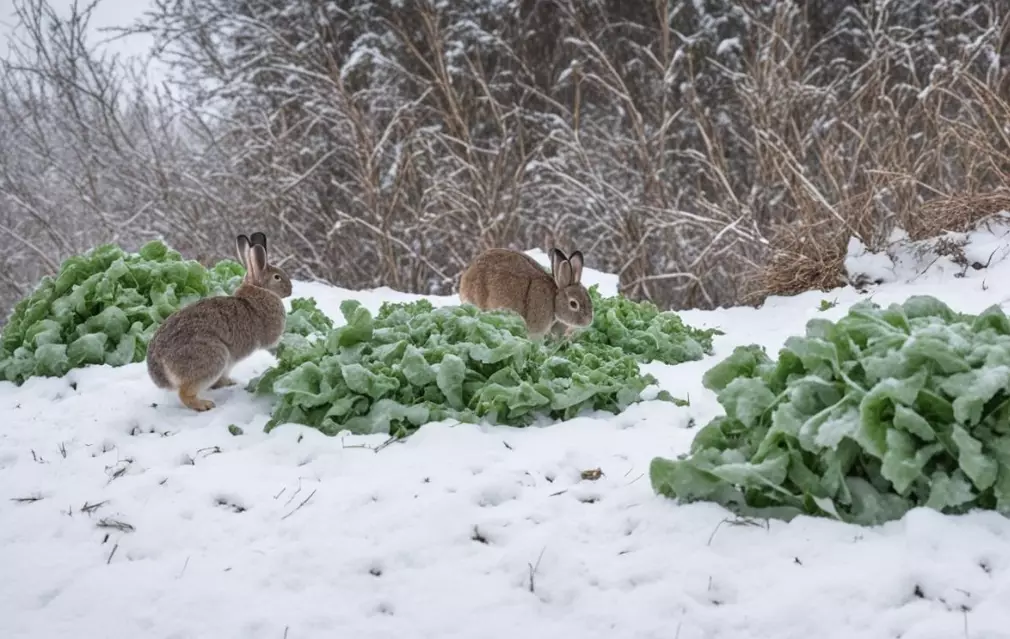
What's Inside This Guide
How Wild Rabbits Find Food in Winter
Forget the image of a rabbit just nibbling grass. Winter foraging is a tactical operation. Their primary tool isn't speed—it's memory and persistence. Throughout the fall, rabbits aren't just eating; they're creating a detailed mental map of their territory, noting the locations of specific shrubs, saplings, and brush piles. When snow falls, they use this map to navigate directly to known food sources.
They become experts at exploiting micro-environments. You'll often find them foraging along the south-facing sides of buildings, hedgerows, or woodland edges where the sun melts the snow first, exposing ground vegetation or low-growing plants. Wind-swept ridges are another favorite spot, for the same reason. They also rely heavily on what's above the snow line. This is where their diet makes a dramatic shift from "green and low" to "woody and high."
One behavior I've documented repeatedly is their use of established runways—tunnels through tall grass or under brush that become shallow trails in the snow. These runways connect shelter to feeding areas with minimal energy expenditure and reduced predator exposure. They're the rabbit's winter highway system.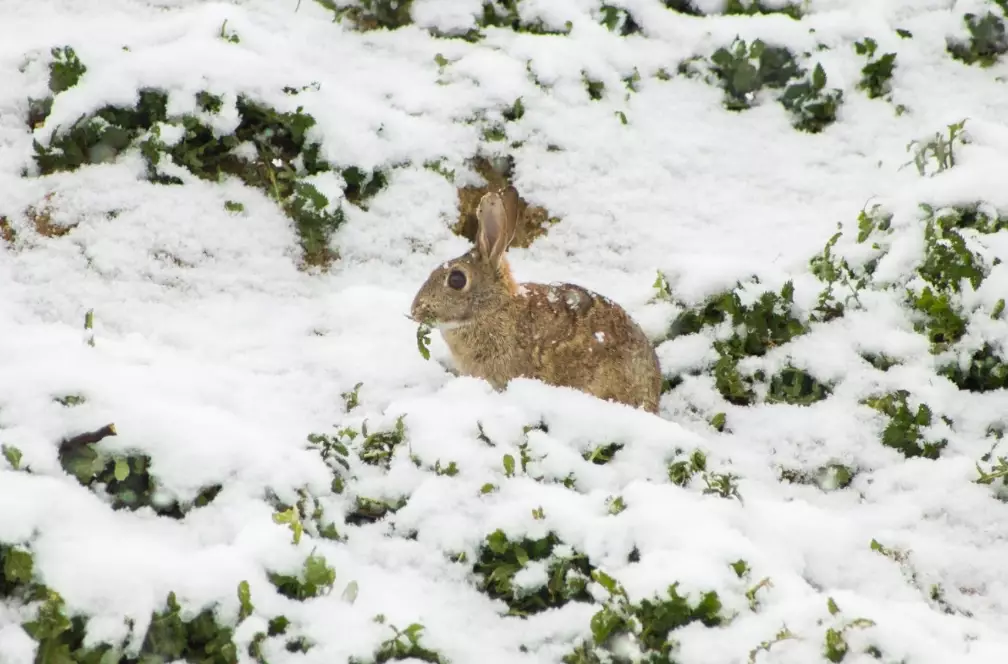
A Key Adaptation: A wild rabbit's digestive system is incredibly efficient. They practice coprophagy, which means they eat special soft fecal pellets (cecotropes) directly from their anus to re-digest nutrients, especially crucial B vitamins and protein. This process maximizes nutrient extraction from poor-quality winter food, a feature domestic rabbits retain but which is often misunderstood by new owners.
The Essential Winter Diet of Wild Rabbits
So, what's on the actual menu? It's a stripped-down, utilitarian list focused on survival calories and wearing down constantly growing teeth.
1. Bark and Twigs (The Winter Staple)
This is the bulk of their calories when everything else is inaccessible. It's not nutritious in a traditional sense, but it provides essential roughage and keeps their teeth ground down. They target young trees and shrubs with smooth, thin bark.
Preferred Species: Apple, maple, aspen, birch, blackberry, raspberry canes, and willow are top choices. I've seen stands of young apple trees in old orchards completely girdled by rabbit teeth about 12-18 inches above the snow line. Oak and pine are usually last resorts—tougher and less palatable.
This is where a common conflict arises. Your prized young fruit tree or ornamental shrub in the backyard is, to a hungry rabbit, a perfect winter meal ticket.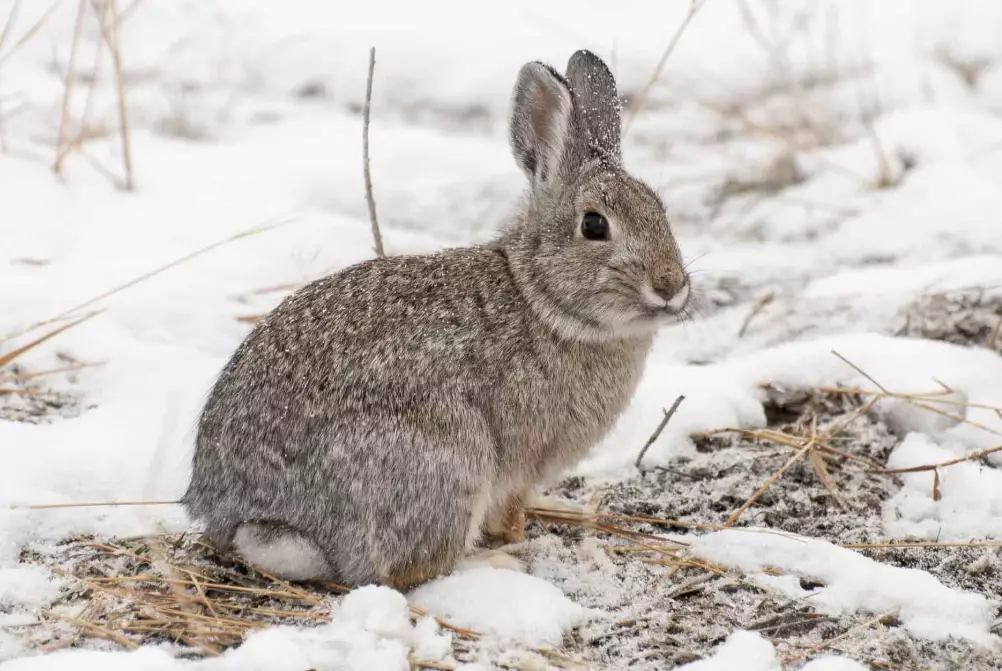
2. Buds and Remaining Berries
Before the deep cold sets in, rabbits will meticulously clip the tender buds from the ends of branches. These buds are packed with the energy the plant stored for spring growth. They also remember locations where dried berries (like rose hips or blackberries) might still cling to the vine above the snow.
3. Dried Grasses and "Standing Hay"
Not all grasses lie flat. Tall, sturdy grasses and weeds like goldenrod, foxtail, and some native prairie grasses remain standing through winter. Rabbits will reach up to pull these down, eating the dried seed heads and stalks. This is a far cry from tender summer grass but provides necessary fiber.
4. Evergreen Seedlings and Needles
In coniferous forests, rabbits will nibble on the bark and tender shoots of young pines, firs, and spruces. They might even eat some fallen needles, though this is minimal.
5. Garden Leftovers and Agricultural Spill
Rabbits living near human habitation are opportunistic. They'll scavenge any remaining kale, carrot tops, or Brussels sprout stalks left in a winter garden. In farmland, they might find spilled corn or soybeans at the edges of fields.
| Food Source | Nutritional Role | Foraging Notes & Risks |
|---|---|---|
| Deciduous Tree Bark (Apple, Maple) | Primary roughage, tooth wear, minimal sugars. | Can girdle and kill young trees. A major source of human-wildlife conflict. |
| Twigs & Buds | Concentrated plant energy, some vitamins. | Buds are a high-value target in early winter. Selective foraging. |
| Dried Grasses/Weeds | Essential long-strand fiber for gut motility. | Low in nutrients but critical for preventing GI stasis. |
| Garden Vegetables (leftovers) | Vitamins, moisture, sugars. | High moisture content can be risky if sudden deep freeze follows. |
Why Your Pet Rabbit's Diet is Radically Different
This is the biggest point of confusion, and where well-meaning people can accidentally harm wild rabbits. You cannot look at a wild rabbit's desperate winter diet and think, "That's what's natural, so I should feed my pet bunny twigs and bark." It's a survival diet, not an optimal one.
A domestic rabbit's winter diet should remain consistent: unlimited high-quality grass hay (timothy, orchard, meadow), a measured amount of fresh leafy greens, a small portion of pellets, and limited treats. The hay provides the same essential fiber as bark, but is far more digestible and nutritious. Bark is tough, low in digestible energy, and can be contaminated with fungi or pesticides if from an unknown source.
I've seen cases where owners, inspired by "natural" feeding, introduced too many woody branches to a pet rabbit's diet, leading to weight loss and digestive upset. The wild rabbit's physiology is tuned for extreme hardship; your pet's is not. Their winter strategy is about not starving, not about thriving. Your job is to help your pet thrive year-round.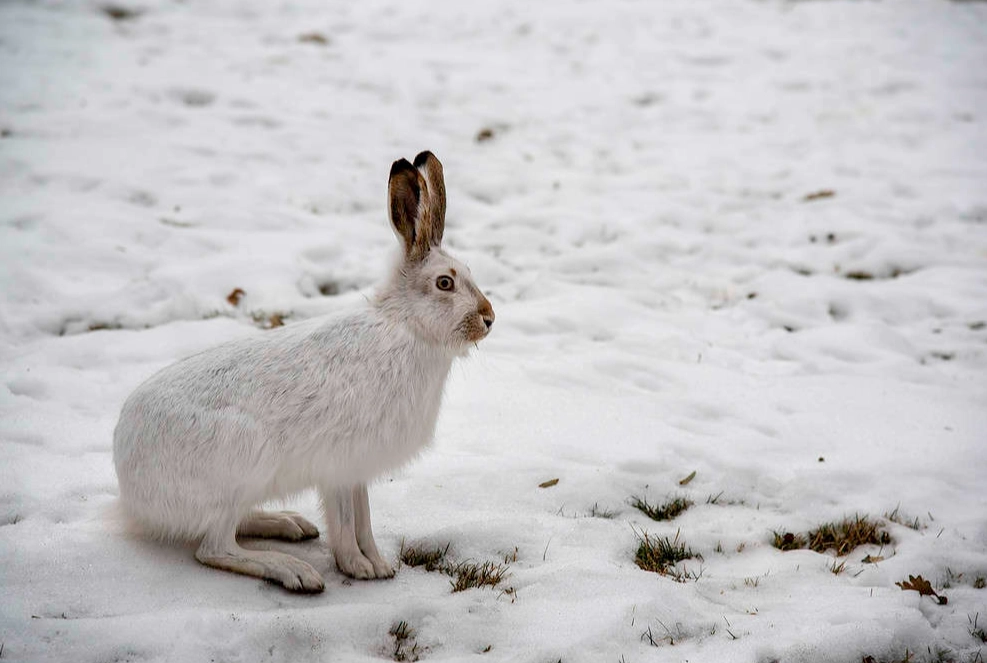
Critical Difference: Wild rabbits expend massive energy just staying warm and foraging in the cold. Your indoor pet rabbit lives in a climate-controlled environment. Feeding them like a wild rabbit in winter would lead to malnutrition because their energy needs and food quality access are completely different. Always prioritize grass hay.
Should You Feed Wild Rabbits in Winter?
The short, expert answer is: generally no, but you can support them indirectly. Direct feeding often causes more problems than it solves.
Risks of Direct Feeding: Introducing unfamiliar, rich foods (like carrots, lettuce, or bread) can shock their digestive system, causing fatal diarrhea or bloat. It concentrates rabbits in one area, increasing disease transmission (like Rabbit Hemorrhagic Disease) and attracting predators to your yard. It can also make them dependent, losing their natural foraging skills.
Better Alternatives to Help:
- Create Habitat, Not a Diner: Leave a section of your yard "wild" with native shrubs, brush piles, and tall grasses. Plant rabbit-friendly shrubs like dogwood or willow away from your prized trees. This provides natural food and shelter. The National Wildlife Federation has excellent guides on creating backyard habitat.
- Protect Your Trees Smartly: Use cylindrical plastic tree guards or hardware cloth to protect the bark of young trees. Do this in late fall.
- Provide Water: A heated birdbath or pet water bowl (check it doesn't freeze) can be a lifesaver during dry, freezing spells when snow is too icy to eat for moisture.
If you are in an extreme situation and a wildlife rehabilitator advises temporary supplemental feeding, they will recommend specific items like plain oat hay or native browse (cut branches) to mimic their natural diet as closely as possible.
Your Winter Rabbit Questions Answered
 Why do rabbits sometimes seem to starve when there's food under the snow?
 Watching wild rabbits navigate winter is a lesson in resilience. Their diet shifts from a summer buffet to a sparse, calculated list of woody staples. They're not dining; they're engineering their survival. For us, the takeaway isn't to replicate their hardship for our pets, but to appreciate their adaptation and, if we choose, to landscape in ways that support their natural strategies. Sometimes, the best help is simply understanding and leaving well enough alone.
Reader Comments