Let's cut right to the chase. If you've ever wondered about the rabbit difference bunny facts, you're not alone. Most people use the words interchangeably. I did too, for years, until I got my first pet rabbit, Thumper, and started digging into the details. The truth is, the distinction isn't about biology, but about language, perception, and a whole lot of cultural baggage. Understanding this difference is more than trivia—it shapes how we care for these animals and what we expect from them.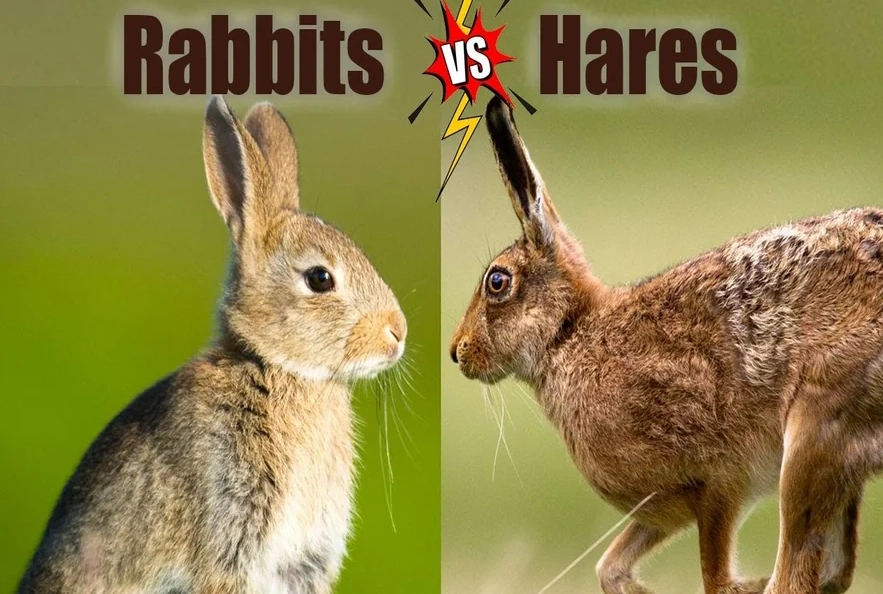
What You'll Learn in This Guide
Where Did "Bunny" Even Come From?
Here's the first key fact: "bunny" is not a scientific term. You won't find it in a zoology textbook. It's a colloquialism, a term of endearment that emerged from language evolution. The word likely stems from the Scottish Gaelic "bun," meaning stump or tail, referring to their cute little cotton ball tail. Over time, particularly in the 18th century, it became a childish, affectionate word.
Think of it like the difference between "dog" and "doggy." One is the standard term; the other is cute, informal, and often implies something smaller or more juvenile. That's the core of the rabbit vs bunny debate. When someone says "bunny," they're almost always picturing a young, small, docile, cartoonish version of the animal. The word "rabbit" carries a more neutral, factual weight.
This linguistic split creates a real problem in pet care. People go to a pet store looking for a "bunny"—a low-maintenance, cuddly Easter pet. What they bring home is a rabbit: a complex, prey animal with specific needs for space, diet, and social interaction. The mismatch in expectations is a leading cause of pet rabbit surrender.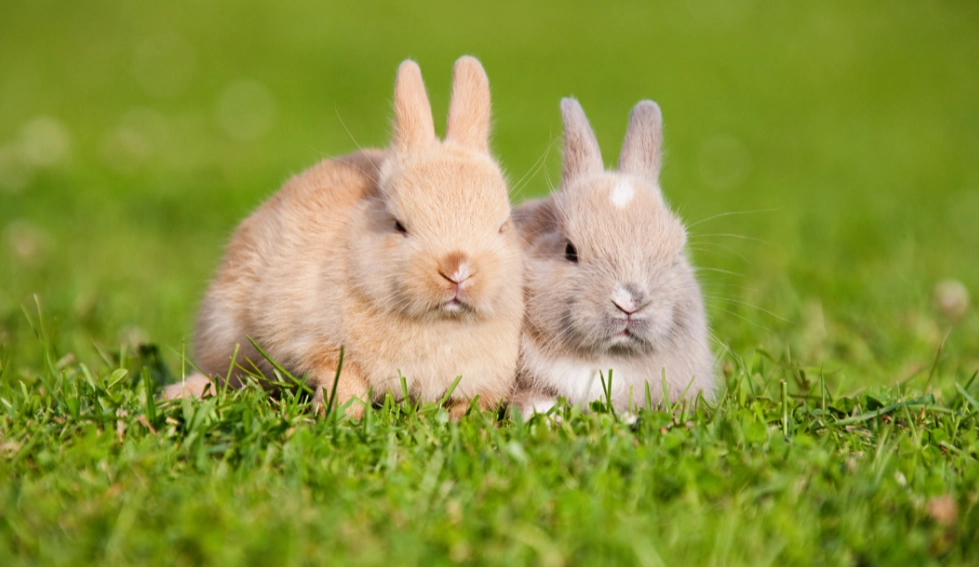
Biology vs. Perception: Is There a Real Difference?
Scientifically speaking, no. All domestic rabbits belong to the species Oryctolagus cuniculus. A "bunny" is just a rabbit. However, the *perceived* differences people attach to these words are worth examining because they influence everything from breed choice to husbandry.
The "Bunny" Stereotype vs. Rabbit Reality
The imagined "bunny" is defined by a set of traits that don't always match reality. Let's break down the assumption versus the fact.
| The "Bunny" Assumption | The Rabbit Reality | Why This Matters for Care |
|---|---|---|
| Always small and baby-like. | Size varies massively by breed. A Netherland Dwarf is 2 lbs, a Flemish Giant can be over 20 lbs. | Cage size, food costs, and handling techniques must suit the adult size, not the baby size. |
| Naturally cuddly and enjoys being held. | Most rabbits are ground-loving prey animals. Being picked up triggers a fear response. Trust must be earned. | Forcing interaction leads to a scared, aggressive pet. Bonding happens on the floor, on their terms. |
| Eats mostly carrots and lettuce. | A diet of mostly carrots would cause health issues. Their diet is 80% unlimited grass hay, plus greens and limited pellets. | Poor diet is a top cause of GI stasis, a deadly condition. Hay is non-negotiable. |
| Fine living alone in a small cage. | Rabbits are highly social. They need a large, penned area (x-pen) or free-roam space and ideally, a bonded rabbit friend. | Loneliness causes depression and behavior problems. The House Rabbit Society advocates for pairs. |
I made the "carrot mistake" with Thumper. I thought I was treating him. The vet visit for soft stools was an expensive lesson. The American Rabbit Breeders Association (ARBA) breed standards list over 50 breeds, each with different needs—none of them are simply "bunnies."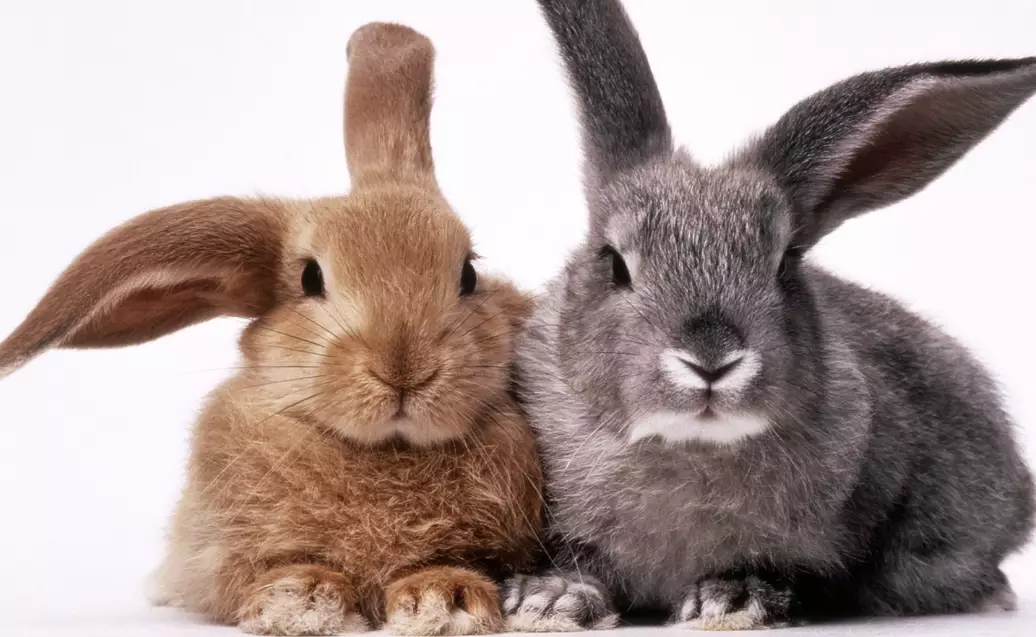
How the Bunny Label Skews Our View of Rabbit Behavior
This is where the semantic difference has concrete consequences. Labeling an animal a "bunny" subconsciously lowers our expectations for its complexity.
When a rabbit chews a baseboard, a frustrated owner might say, "My bunny is being bad!" A more accurate, helpful framing is: "My rabbit, a natural burrower and chewer, lacks appropriate outlets for this instinct." The solution isn't scolding; it's providing more hay, chew toys, and bunny-proofing.
Another example: thumping. In cartoons, it's a funny bunny trait. In reality, it's a serious alarm signal. Ignoring a thump because it's just "bunny behavior" means missing a sign of stress, fear, or pain. Understanding rabbit body language—ear position, tooth purring, the flop of trust—requires seeing them as the nuanced creatures they are, beyond the bunny persona.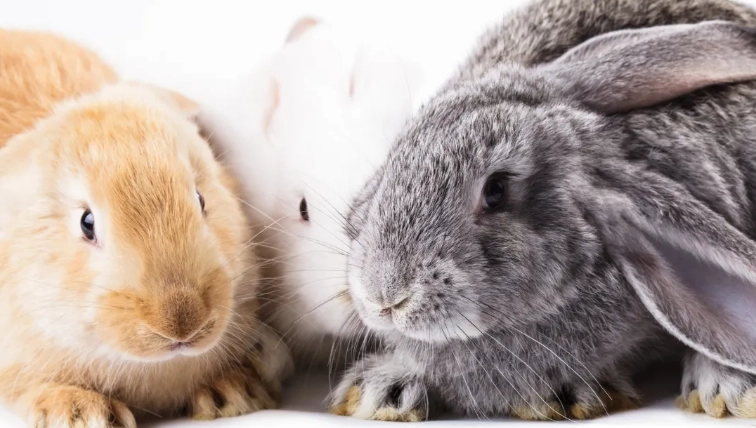
A Quick Reality Check
If you're considering a rabbit, ask yourself: Am I prepared for a 8-12 year commitment to a territorial, chewing, social animal that needs a vet specializing in exotics (not just a cat-and-dog vet)? If the answer is yes, you're ready for a rabbit. If you just want a cute, low-effort "bunny," consider a stuffed animal instead. It sounds harsh, but it's the kind of direct talk that saves animals from rehoming.
Essential Care Facts: Moving Beyond the Bunny Basics
Let's replace vague bunny ideas with specific rabbit care facts. These are the pillars, often glossed over in generic care sheets.
The Space Non-Negotiable
A cage is never enough. Even a large one. Rabbits need a minimum of 32 square feet of enclosed space (like an x-pen setup) for their living area, plus several hours of supervised or safe free-roam time in a rabbit-proofed room. They are crepuscular (most active dawn and dusk) and need space to run, jump (binky), and explore. Confinement leads to poor muscle tone, obesity, and behavioral issues.
The Social Imperative
This is the most overlooked fact. Rabbits are not solitary by nature. In the wild, they live in complex warrens. A lone rabbit is often a lonely rabbit. Bonding two spayed/neutered rabbits provides companionship, grooming, and mental stimulation that humans simply can't replicate 24/7. The process requires patience, but the result—a contented pair grooming each other—is the ultimate sign of good rabbit welfare.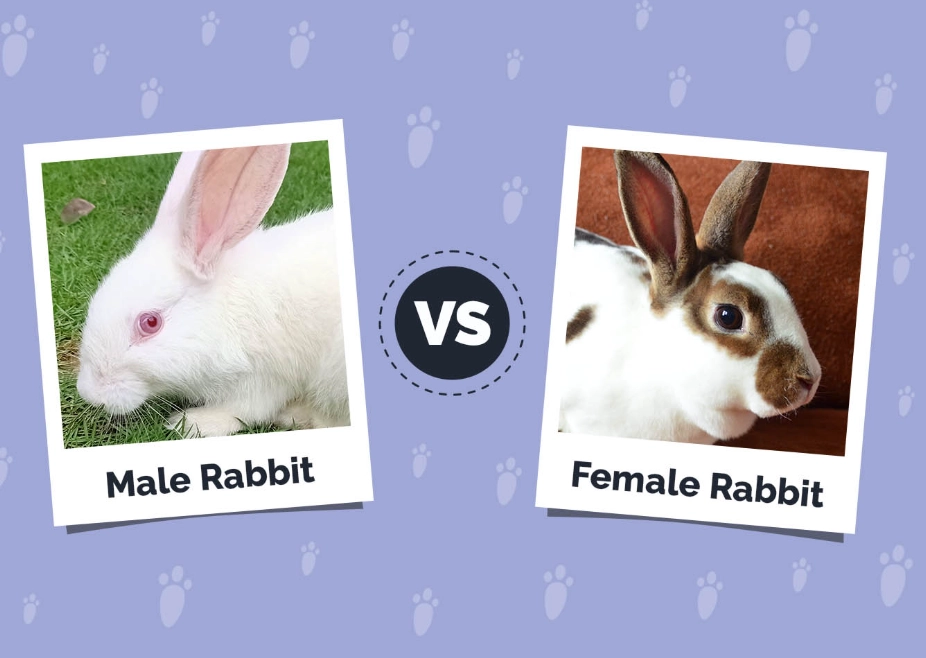
The Dietary Foundation
Forget the salad bowl image. The core of their diet is unlimited timothy hay (or orchard grass, oat hay). This isn't just food; it's what grinds down their constantly growing teeth and keeps their gut moving. Fresh leafy greens (romaine, cilantro, kale) come next. Pellets are a supplement, not the main course. And fruits/carrots? Tiny, occasional treats. The wrong diet is the fast track to expensive vet bills.
Debunking Common Rabbit and Bunny Myths
Let's clear the air on some persistent falsehoods.
- Myth: Rabbits are great starter pets for kids. Fact: They are fragile, easily stressed by loud noises and erratic handling, and require adult-led, consistent care. The child often loses interest, leaving the parent with a 10-year responsibility.
- Myth: Rabbits don't need veterinary care. Fact: They require annual check-ups with an exotic vet and immediate care for any sign of illness (lethargy, not eating). They hide pain exceptionally well.
- Myth: Rabbits are dirty and smell. Fact: A spayed/neutered rabbit trained to use a litter box (yes, they can be litter-trained!) is as clean as a cat. The odor comes from unaltered hormones or a dirty environment.
- Myth: All rabbits love to be picked up and cuddled. Fact: Most tolerate it at best. They prefer to interact at ground level. Forcing cuddles breaks trust.
Your Rabbit Care Questions Answered
 Can I keep a single rabbit happy if I give it lots of attention?
So, what's the final verdict on the rabbit difference bunny facts? The difference is entirely in our minds. Embracing the reality of rabbits—their intelligence, social needs, and specific care requirements—is the first step toward being a responsible owner. It moves us from a place of folklore to one of informed, compassionate husbandry. When we see them for what they truly are, we can provide the life they deserve, far beyond the limited confines of the "bunny" myth.
Reader Comments