Let's clear this up right from the start. If you're searching for the biological difference between a bunny and a rabbit, you might be disappointed. Scientifically, there isn't one. They are the same animal. The real story, the one that causes all the confusion, is about language, culture, and a hefty dose of human emotion. The word "bunny" is a linguistic twist, a term of endearment that stuck, not a zoological category. Think of it like the difference between "dog" and "doggo" or "puppy"—one is formal, the others are cute-speak. This matters more than you'd think, especially if you're about to bring one of these creatures into your home. Using the wrong term at the vet or with a breeder might just get you a puzzled look.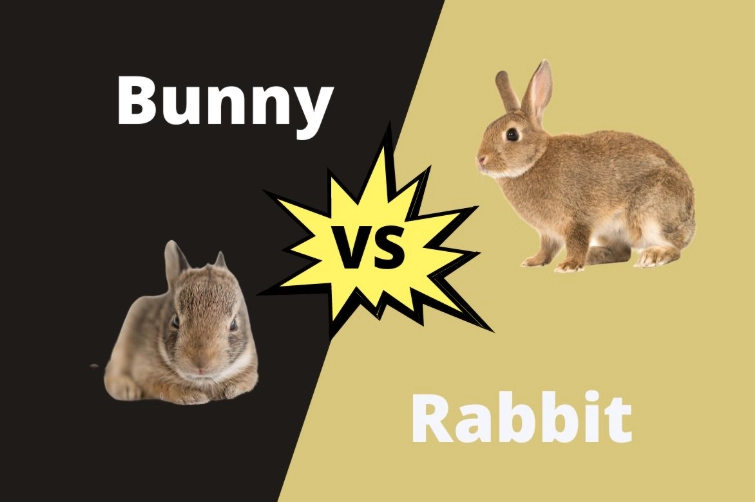
What's Inside This Guide?
The Linguistic Twist: Where Did 'Bunny' Come From?
This is where history gets fuzzy in a delightful way. The word "bunny" is a relatively recent invention in the grand scheme of the English language. While "rabbit" has been around since the 14th century, "bunny" popped up in the 1600s. And its origin has nothing to do with size or age.
It likely came from the Scottish word "bun," which referred to a rabbit's tail. Imagine that—we named the whole animal after its cute little puff of a tail. From there, it evolved into a term of affection. By the 1800s, it was firmly entrenched as a childish, sweet name for a rabbit. It's a classic example of what linguists call a hypocoristic—a pet name formed by altering or shortening a word, often with a -y or -ie suffix. Kitty, doggy, bunny. You get the pattern.
So, when you call a rabbit a bunny, you're not making a scientific statement. You're tapping into a 400-year-old tradition of finding them utterly adorable. It's a vibe, not a classification.
The Vocabulary of Lagomorphs
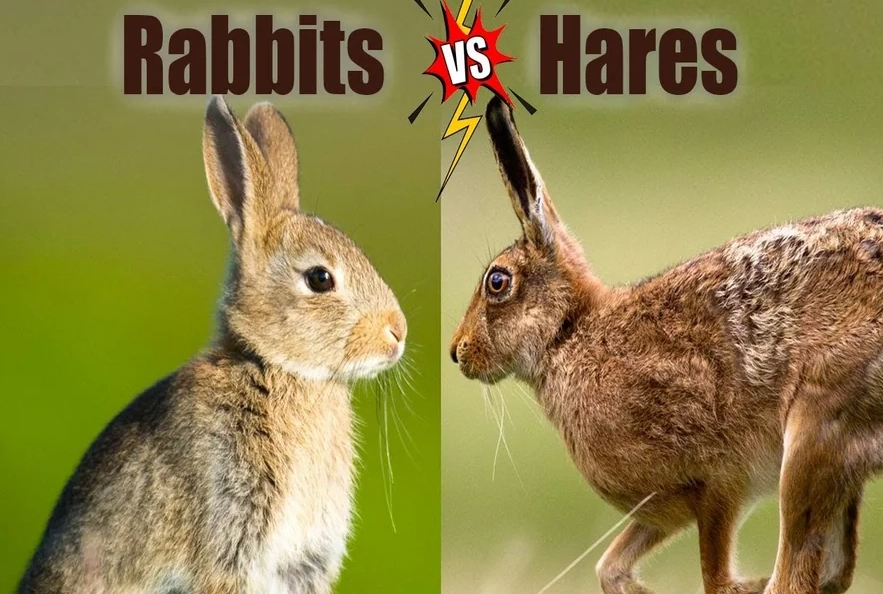
While we're untangling words, let's throw in the other common mix-up: hare. This is where you *do* find a real biological difference. Hares and rabbits are different genera within the same family. Hares are generally larger, have longer ears and legs, are born fully furred with eyes open, and live in simple nests above ground. Rabbits are altricial—born blind, hairless, and helpless—and live in complex underground burrow systems called warrens.
So, the quick hierarchy is: Lagomorph (the order) > Rabbit/Hare (different genera) > Bunny (a cute nickname for rabbit).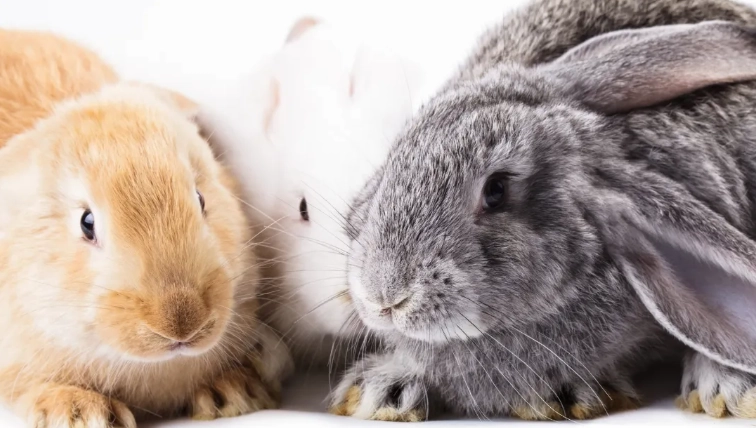
Biology vs. Myth: Are Bunnies Baby Rabbits?
Here's the most persistent myth: that "bunny" specifically means a baby rabbit. It doesn't. In casual English, you can call an adult rabbit a bunny. You can call a baby rabbit a bunny. The term is ageless.
The correct term for a baby rabbit is a kit or kitten. A female rabbit is a doe. A male is a buck. A group of rabbits is a colony or a fluffle (an unofficial but perfectly wonderful term). If you want to sound like you know your stuff, use these terms.
I learned this the hard way. When I first got into rabbit care, I emailed a respected breeder asking about "bunny kits." She politely replied, "We have litters of kits available." She didn't correct me, but the subtle nudge was there. In serious husbandry circles, precision matters. Calling them all "bunnies" can sometimes mark you as a novice.
How Culture Shapes Our Perception of Bunnies and Rabbits
This linguistic split has created two entirely different cultural archetypes. Think about it.
The Rabbit is often portrayed as clever, skittish, and wild. Br'er Rabbit outwits his foes. The March Hare is mad. Watership Down's rabbits face epic struggles. Rabbits in nature documentaries are prey animals, fast and nervous.
The Bunny, on the other hand, is pure saccharine. It's the Easter Bunny delivering candy. It's Bugs Bunny (a notable exception who bridges both worlds with his cleverness). It's the fluffy, inert stuffie on a child's bed. The word itself softens the animal's image, stripping away its wild instincts and complex nature.
This cultural divide has a real-world impact. It fuels the "Easter Bunny Dump" phenomenon, where well-meaning parents buy "cute bunnies" for Easter, only to abandon them to shelters when they realize they've purchased a living, chewing, digging, 10-year commitment that acts more like a "rabbit." The cute label sets unrealistic expectations.
The Pet Owner's Reality Check: Why the Distinction Matters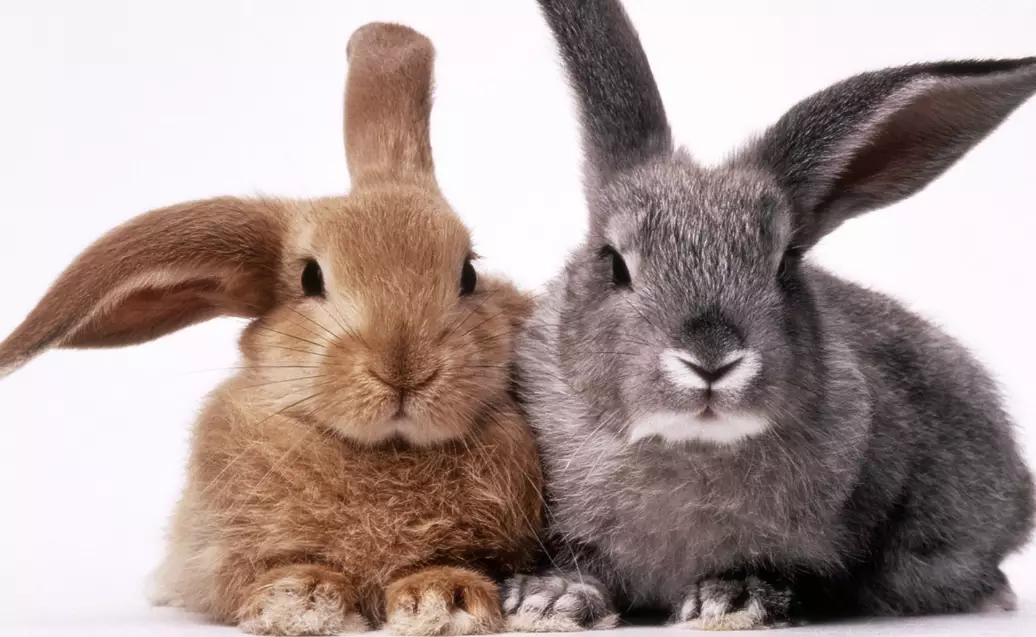
If you're considering a pet, this isn't just semantics. Your mindset matters.
If you go to a shelter or breeder looking for a "bunny," you might be envisioning a cuddly, low-maintenance pet that sits quietly on your lap. What you're actually getting is a rabbit: a prey animal with specific needs. They require large enclosures (like an exercise pen, not a tiny hutch), a diet of mostly hay, careful litter training, and they often don't enjoy being picked up. They can be destructive chewers and need mental stimulation.
Calling it a rabbit from the start reframes your thinking. You start researching "rabbit care" instead of "bunny care," and you'll find more substantive, expert-level resources from organizations like the House Rabbit Society or academic veterinary sources. You prepare for the real animal, not the cultural caricature.
Here's a personal rule I've adopted: I use "bunny" when talking about the idea, the cuteness, the cultural icon. I use "rabbit" when discussing care, health, behavior, and biology. It helps keep my own expectations grounded.
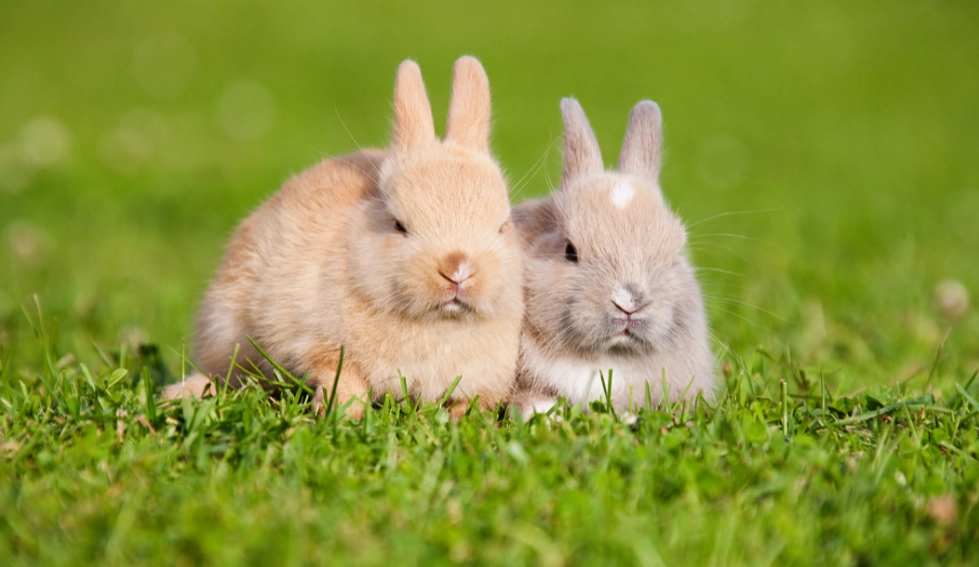 Is it wrong to use the word 'bunny'?
 So, the final word? Enjoy the word "bunny." It's a lovely piece of our linguistic heritage. But for the sake of the animal—whether it's in your backyard or your living room—honor its true essence as a rabbit. Understand its instincts, respect its needs, and provide the care that a complex, intelligent lagomorph deserves, not just the cuddles we imagine for a simplified bunny. That shift in perspective is the most important difference of all.
Reader Comments