Let's clear this up right from the start. If you've ever found yourself wondering whether you're looking at a rabbit or a bunny, you're not alone. The truth is, in everyday conversation, we use these words interchangeably. But if you're thinking about bringing one of these furry friends home, the distinction—and the massive variety within the rabbit breed world—becomes critically important. This isn't just about semantics; it's about understanding the animal you're committing to care for.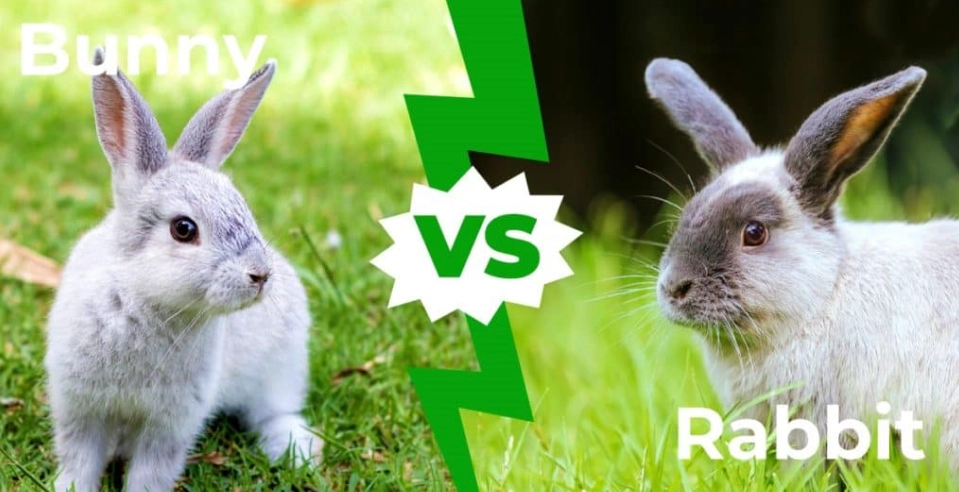
What You'll Find in This Guide
What is the Actual Difference Between a Rabbit and a Bunny?
Here's the simple answer: "bunny" is an affectionate, informal nickname for a rabbit, often (but not exclusively) used for young ones. Think of it like "kitty" for cat or "puppy" for dog. There's no scientific rabbit difference bunny at the species level.
The word "bunny" likely comes from the Old English word "bun," referring to a rabbit's tail. It's cute, it's cuddly, and it's deeply embedded in our culture. When a child points and says "Look at the bunny!" they're not wrong. But if you're reading care guides or talking to a veterinarian, you'll almost always see and hear the term "rabbit." That's the correct, all-encompassing term for the animal, regardless of age.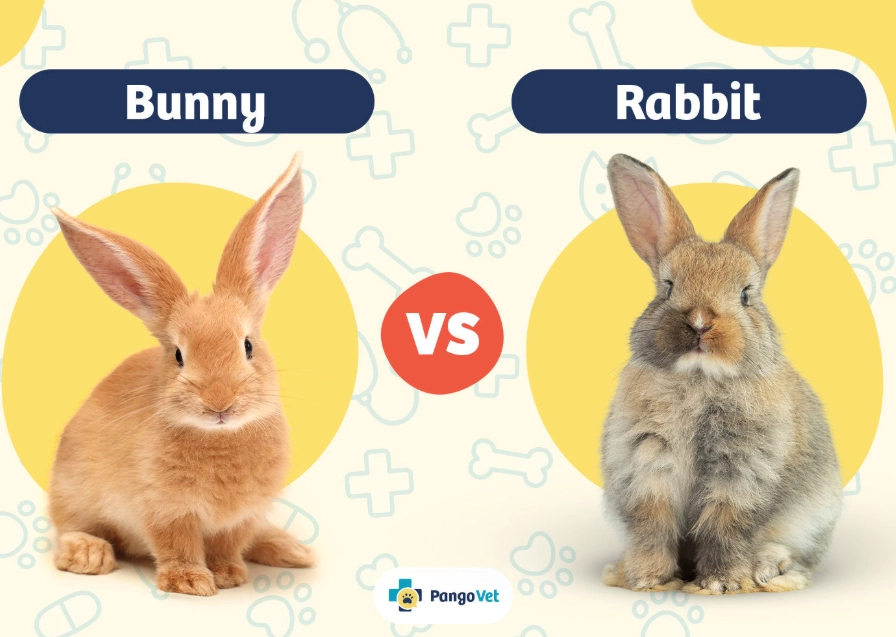
Key Takeaway: All bunnies are rabbits, but not all rabbits are called bunnies. The term "bunny" carries a tone of endearment and informality. When in doubt, especially for serious matters like health, diet, or housing, stick with "rabbit."
The Biology Behind the Fluff: Understanding Rabbits
To really grasp what you're getting into, forget the bunny breed vs rabbit breed wording for a second. Let's talk about the animal itself. Rabbits are lagomorphs, not rodents—a common misconception. This means their teeth grow continuously, and they have a unique digestive system requiring them to eat their own cecotropes (a special type of dropping) to fully absorb nutrients.
This biological fact alone dictates a huge part of their care. You can't just feed them carrots all day (despite what Bugs Bunny suggests). Their diet must be primarily high-quality hay, like timothy hay, to grind down those ever-growing teeth and keep their gut moving.
I made this mistake early on. I thought my first rabbit, a Netherland Dwarf I impulsively named Peanut, would love a diet rich in store-bought treats and pellets. He developed digestive stasis, a scary and potentially fatal condition where the gut slows down or stops. The vet bill was a harsh lesson. The real difference between a thriving rabbit and a sick one often starts with understanding these non-negotiable biological needs.
Rabbit Breed Showdown: From Tiny Dwarfs to Gentle Giants
This is where things get fascinating and where your choice matters most. The American Rabbit Breeders Association (ARBA) recognizes over 50 unique breeds. Their size, personality, and care needs vary more than you might think. Picking a breed based solely on looks is the number one mistake prospective owners make.
Let's compare some of the most popular pet rabbit breeds head-to-head. This table isn't just a list; it's a decision-making tool.
| Breed | Average Size (Weight) | Key Personality Traits | Best For | Special Care Notes |
|---|---|---|---|---|
| Netherland Dwarf | 2 - 2.5 lbs (Tiny) | Spirited, energetic, can be shy or nippy if not socialized early. Not always the "cuddly lap pet" people expect. | Experienced owners, adults, those with limited space. | Prone to dental issues due to a compact skull. Needs confident, gentle handling. |
| Holland Lop | 3 - 4 lbs (Small) | Generally sweet, playful, and curious. The floppy ears add to their docile appearance. | Families with calm older children, first-time owners willing to invest in bonding. | Lop ears require regular checking for wax buildup and infection. Can be mischievous chewers. |
| Mini Rex | 3.5 - 4.5 lbs (Small) | Calm, friendly, and often described as "dog-like" in their willingness to interact. | Families, first-time owners, people wanting a more handleable pet. | Their famous plush fur is shorter and requires less grooming than long-haired breeds, but they love soft bedding. |
| Flemish Giant | 13+ lbs (Giant) | The "gentle giant." Typically very calm, patient, and less skittish than smaller breeds. | Owners with ample space, those wanting a less fragile, more laid-back companion. | Costs more for food, housing, and veterinary care (medication is dosed by weight). Needs a very large, sturdy enclosure. |
| Lionhead | 2.5 - 3.5 lbs (Small) | Often affectionate and playful, but personality can vary widely. | Owners committed to daily grooming. | The signature mane requires daily brushing to prevent painful mats. High-maintenance coat. |
See the range? A Flemish Giant needs a completely different setup than a Netherland Dwarf. The "bunny" image in your head probably doesn't account for a 15-pound rabbit that needs a puppy-sized pen.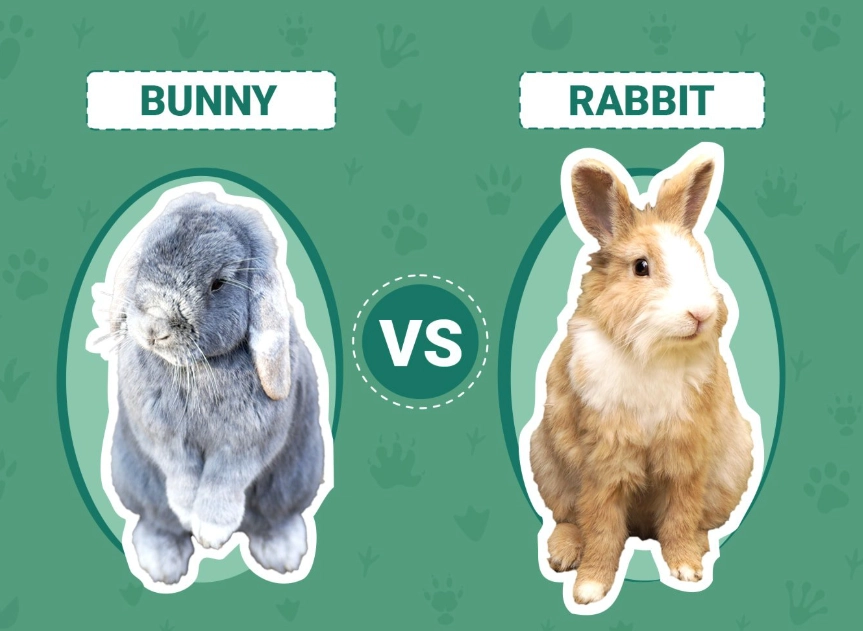
How to Choose the Right Rabbit Breed for Your Lifestyle
Now, let's move from theory to practice. Don't just pick the cutest one. Ask yourself these questions:
How much space do you really have? A rabbit's enclosure is their safe haven, not a prison. Even a small rabbit needs a pen or cage that's at least 4-6 times their stretched-out length, plus several hours of supervised free-roam time in a rabbit-proofed room daily. Giant breeds essentially need a whole room or a very large custom-built pen.
What's your household's energy level? Do you have young, rambunctious kids? A fragile, high-strung Netherland Dwarf might be terrified. A calm Mini Rex or a patient Flemish Giant might be a better fit. Conversely, if you're a quiet adult, a Holland Lop's playful antics might be perfect.
What's your grooming tolerance? This is a big one. Long-haired breeds like Lionheads, Angoras, or Jersey Woolies are stunning, but they demand a significant time investment. Matted fur isn't just unsightly; it's painful and can hide skin problems. If you're not up for a near-daily brushing session, stick with a short-haired breed.
Consider adoption first. Shelters and rabbit rescues are full of wonderful rabbits of all ages and mixes. You can often find a specific breed or, more importantly, meet the rabbit and assess its personality directly. Rescues usually have them already spayed/neutered and litter-trained, which is a huge bonus.
My Personal Experience with Breed Assumptions
I once assumed all lops were mellow. Then I fostered a Mini Lop who had the energy of a popcorn kernel in a hot pan. She was delightful, but not the couch potato I was prepared for based on her floppy ears. It taught me that while breed gives you a general blueprint, individual personality is king. Meeting the animal is irreplaceable.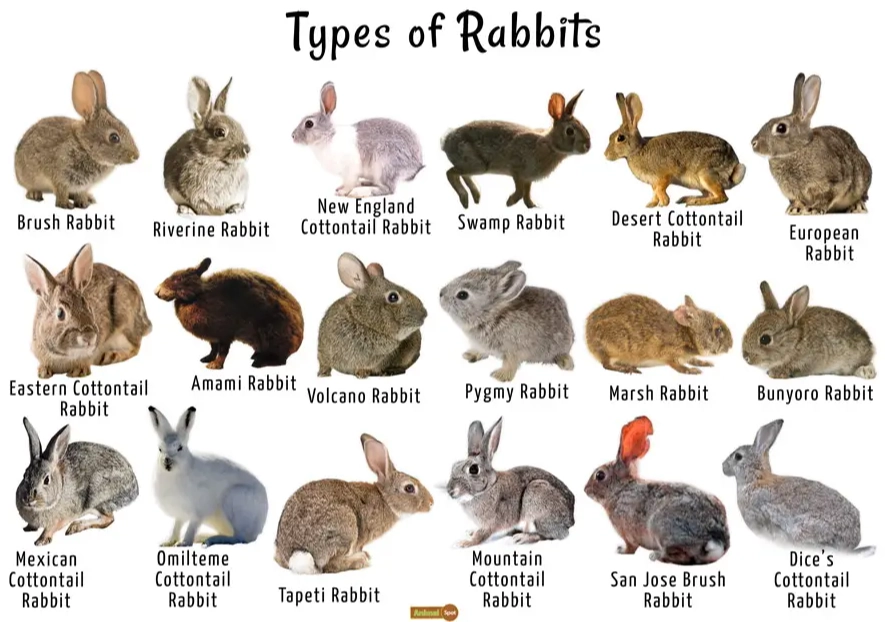
Your Top Rabbit and Bunny Questions Answered
Size is a factor, but temperament matters more for noise. All rabbits can be quiet if their needs are met. However, smaller, calmer breeds like the Mini Rex or a well-socialized Holland Lop are excellent apartment choices. The key is providing enough mental and physical stimulation during their active dawn/dusk periods to prevent boredom behaviors like digging or chewing on baseboards. A large, multi-level enclosure with hiding spots and toys is essential, regardless of the rabbit's size.
This is a common pitfall. Baby rabbits (kits) are incredibly cute but are also fragile, require careful socialization, and their true personality isn't fully formed yet. An adolescent rabbit (4-12 months) can go through a hormonal "teenage" phase of nippiness and territorial behavior. For a family with children, a spayed/neutered adult rabbit (over 1 year old) from a rescue is often the best choice. Their personality is settled, they're usually calmer, and the rescue can help match you with one known to be good with kids. Breed-wise, focus on known gentle breeds like the Mini Rex or a calm Flemish Giant over a potentially skittish dwarf.
 I've heard some rabbit breeds are smarter or easier to litter train. Is that true?
Intelligence varies individually, but most domestic rabbits are quite clever and can be litter-trained, especially after they are spayed or neutered (which reduces territorial marking). Breeds often described as more interactive or "dog-like," such as the Mini Rex or larger standard Rex, may take to training more readily because they are highly food-motivated and enjoy engaging with their owners. However, the single biggest factor in successful litter training is the surgery (spay/neuter) and consistent, patient training—not the specific breed. Don't choose a breed solely on a promise of easier training.
Veterinary care. Everything is dosed by weight. An antibiotic or pain medication for a 15-pound Flemish Giant costs significantly more than for a 3-pound Holland Lop. Surgeries are more complex and carry higher risk and cost for larger animals. Also, consider everyday items: giant-sized carriers, larger litter boxes, and the sheer volume of hay and fresh veggies they consume. The initial adoption fee is the smallest part of the financial picture. Always budget for an emergency vet fund, which will need to be larger for a giant breed.
The journey from asking about a rabbit difference bunny breed to bringing a hoppy companion home is filled with important decisions. By moving past the casual language and diving into the real, practical differences in biology and breed characteristics, you're setting yourself—and your future rabbit—up for a successful, joyful life together. Look beyond the bunny; understand the rabbit.
Reader Comments