Let's talk about what's at the bottom of your rabbit's cage. If you're like I was a decade ago, you've probably tried shredded paper, hay, wood shavings, maybe even those fancy fluffy pads. Nothing seemed quite right—too messy, too smelly, or just too expensive. Then I switched to rabbit bedding pellets, and honestly, it changed everything about managing my bunny's space. It wasn't a magic bullet, but it was the closest thing I'd found. This guide isn't just a list of facts you can find anywhere. It's the deep dive I wish I had, covering not just the "what" but the "why," the "how much," and the "watch out for this" details that actually make a difference in your daily routine and your rabbit's wellbeing.
What's Inside This Guide?
- What Exactly Are Rabbit Bedding Pellets?
- Pellet Showdown: Pine, Aspen, Paper & More
- Why Pellets Win: The Top 3 Benefits You Can't Ignore
- How to Choose the Best Pellets for YOUR Rabbit
- The Right Way to Use Bedding Pellets (Step-by-Step)
- 5 Common Pellet Mistakes Even Experienced Owners Make
- Your Rabbit Bedding Pellet Questions, Answered
What Exactly Are Rabbit Bedding Pellets?
Rabbit bedding pellets are small, compressed cylinders made from absorbent materials like wood or recycled paper. Think of them as tiny, super-dense sponges. They're not the same as food pellets or the paper pulp litter you might use for cats. The manufacturing process compresses the raw material under high pressure and heat, which does a couple of key things. First, it creates a structure that's incredibly porous, allowing liquid to be drawn in and held deep inside the pellet. Second, for wood pellets, this process can help drive off some of the volatile phenolic compounds found in softwoods like pine, which is a point of debate we'll get into later.
Their primary job is to manage moisture and odor from your rabbit's urine. A good pellet will absorb many times its weight in liquid, locking it away and preventing that sharp ammonia smell from taking over your room. They also provide a stable, non-slippery surface for your bunny to walk on, which is important for their joint health, especially for older or disabled rabbits.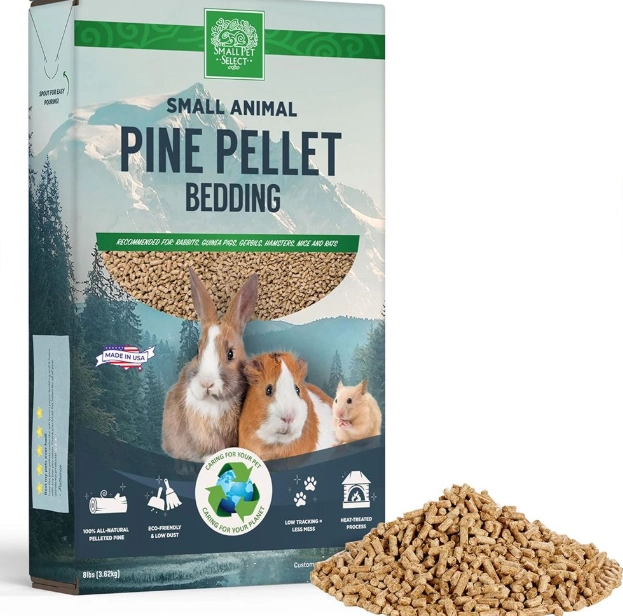
Pellet Showdown: Pine, Aspen, Paper & More
Not all pellets are created equal. The base material defines almost everything about their performance, safety, and price. Here’s a breakdown of what you’ll find on the shelf.
| Type | Best For | Key Advantage | Potential Drawback | Cost Estimate |
|---|---|---|---|---|
| Kiln-Dried Pine Pellets | Cost-conscious owners with good ventilation. | Unbeatable absorption and odor control per dollar. | Residual pine scent concerns some owners; can be dusty. | Lowest ($0.50-$1.50/lb) |
| Aspen Wood Pellets | Owners wanting wood benefits without pine phenols. | Natural, phenol-free wood option. Good absorption. | Often more expensive than pine; availability can vary. | Medium ($1.50-$2.50/lb) |
| Recycled Paper Pellets | Rabbits with respiratory issues or known chewers. | Virtually dust-free and safe if ingested. Very soft. | Less effective on strong odors; may need changing more often. | Medium-High ($2.00-$3.50/lb) |
| Wheat/Straw Pellets | Eco-focused owners; smaller litter areas. | Fully biodegradable, natural, often clump slightly. | Can attract pests; absorption not as high as wood. | High ($3.00-$4.50/lb) |
Here’s my take after years of use: pine pellets are the workhorse. I’ve used them for my main colony for ages with zero health issues. The key is kiln-dried. That high-heat process matters. But if you walk into the room and the pine smell bothers *you*, it might bother your rabbit's sensitive nose too. Aspen is the safe, smell-neutral alternative. Paper pellets? I keep a bag on hand for my elderly bunny’s recovery pen. They’re gentler, but you trade off some odor-fighting power.
Pro Tip: Don't get fooled by "small animal" bedding at the pet store. It's often fluffier, less absorbent, and more expensive per use than the plain wood stove pellets you can find at a farm supply store. Just check the bag—it must say 100% wood, no additives, no accelerants. That's the secret cheap ticket.
Why Pellets Win: The Top 3 Benefits You Can't Ignore
So why go through the trouble of switching? Three reasons stand out.
1. Absorption That Actually Works
This is the big one. Loose shavings just get wet on top. Pellets absorb through their core. When my rabbit, Thumper, has his morning pee, I watch the pellet turn from a solid beige color to a darker, crumbly state. The moisture is pulled in and held. The surface stays drier, which means his feet stay cleaner. This directly reduces the risk of urine scalding, a painful skin condition that's a nightmare to treat.
2. Odor Control You Can Trust (For a Few Days, Anyway)
Locking away the urine means locking away the ammonia smell. With a deep enough layer and good spot-cleaning of poops, I can comfortably go 4-5 days before a full change in a standard-sized litter box. With shavings, I was changing it every other day to keep the smell at bay. The pellets chemically help neutralize the odor, not just mask it.
3. The Cost-Effectiveness Surprise
Here's the math that convinced me. A 40 lb bag of kiln-dried pine stove pellets costs me about $7. That bag fills my two large litter boxes about 8 times. That's less than $1 per full change. Compare that to a compressed bale of aspen shavings that might cost $15 and last maybe 10 changes. The pellets last longer between changes, and the raw material cost is lower. You save money and time.
How to Choose the Best Pellets for YOUR Rabbit
Don't just grab the first bag you see. Think about your specific situation.
Consider your rabbit's age and health. For babies, elderly, or rabbits with past respiratory issues (snuffles, etc.), I'd lean towards paper pellets. They're the safest from a dust and ingestion standpoint. For a healthy adult rabbit, kiln-dried pine or aspen is perfectly fine and more efficient.
Think about your cage setup. Is it a wire-bottom cage? Pellets are less ideal here, as they'll just fall through. You need a solid-bottom pan. For a large enclosure or a litter box in a penned area, pellets are fantastic. How big is the litter box? A deeper box (3+ inches) lets you use pellets to their full potential.
Be honest about your budget and routine. If you're on a tight budget, pine stove pellets are the undisputed champion. If you hate the faint woody smell and are willing to pay a bit more for scent-neutral bedding, go for aspen. If you travel often and need a low-maintenance setup that a pet sander can handle easily, the longevity of wood pellets is a major plus.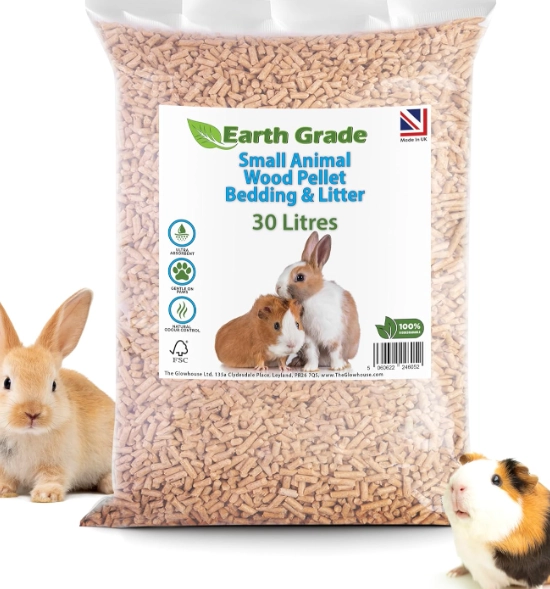
The Right Way to Use Bedding Pellets (Step-by-Step)
Using them wrong leads to a soggy, smelly mess. Here's how to do it right.
Step 1: Start with a deep base. Pour a minimum of 2 inches of pellets into a clean, dry litter pan. For a heavy urinator, I go for 3 inches. This gives enough material to absorb multiple urinations.
Step 2: Add a topping layer (optional but recommended). Here's my non-consensus trick: sprinkle a thin layer of soft hay (like orchard grass or meadow hay) on top. Why? It gives your rabbit something comfortable and familiar to sit on, encourages them to hop in (they love to munch and poop simultaneously), and acts as a filter, keeping the solid poops on top for easy scooping.
Step 3: The maintenance rhythm.
Daily: Scoop out all the solid waste. Stir or fluff the top layer of pellets with a litter scoop to break up any wet clumps and distribute moisture. Add a handful of fresh pellets and hay to the top.
Weekly (or as needed): Once the pellets at the bottom are mostly broken down and saturated (they'll feel damp and crumbly), it's time for a full change. Dump everything, scrub the pan with a 50/50 white vinegar and water solution, rinse thoroughly, dry, and start over at Step 1.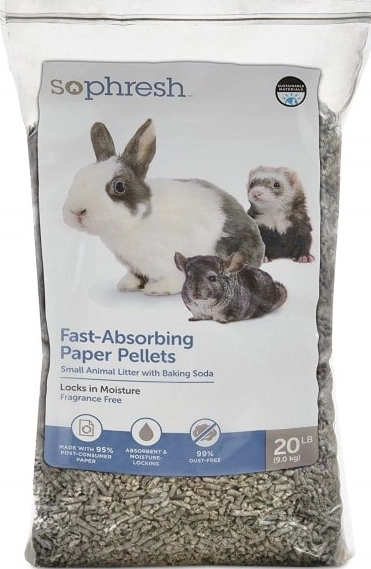
5 Common Pellet Mistakes Even Experienced Owners Make
I've made some of these myself. Learn from my errors.
1. The "Too Thin" Layer. Putting less than 2 inches is like using a paper towel to soak up a spill. The urine hits the plastic bottom instantly, and you lose all odor control. Go deep.
2. Ignoring Dust. Even "low-dust" pellets can have fines at the bottom of the bag. Before you pour them into the litter box, give the bag a gentle shake to settle the dust, or pour them into a separate container outdoors first. Inhaling fine wood dust isn't great for you or your bunny.
3. Not Stirring. If you just scoop poop and leave it, the wet spots stay concentrated. Stirring breaks up those wet clumps, exposes fresh pellet surface area, and dramatically extends the life of the bedding.
4. Mixing Bedding Types. Combining pellets with loose shavings or fluffy bedding seems like a good idea, but it usually isn't. The shavings mat down on top, creating a barrier that prevents the pellets underneath from absorbing properly. Stick to one system.
5. Using Them in the Wrong Spot. Pellets are for the litter box or a designated sleeping/resting area. Don't use them as the primary flooring for an entire pen. They're not comfortable for running and playing on. Use mats, rugs, or fleece for the main play area.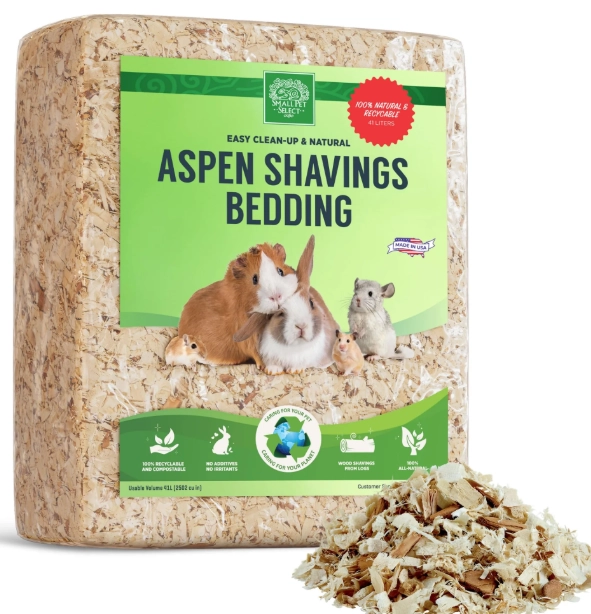
Your Rabbit Bedding Pellet Questions, Answered
It's a common behavior, often out of curiosity or boredom. A few nibbles on a kiln-dried wood pellet are unlikely to cause harm, as they're essentially just compressed wood fiber. However, consuming large quantities could lead to an intestinal blockage. The immediate fix is to cover the pellets with a thick layer of hay. This physically blocks access and redirects their chewing to an appropriate material. Also, ensure your rabbit has unlimited access to high-quality hay—that's what their digestive system is truly designed to process.
You've hit on the main difference between rabbit pellets and clumping cat litter. Pellets are designed to disintegrate into sawdust as they absorb. You don't "scoop" the wet spots like with clumping litter. Instead, you stir the entire box daily to mix the dry and damp sawdust, which helps it dry and control odor. The cleaning happens when the majority of the material has broken down and feels damp throughout—that's when you do a complete dump and refresh. Think of it as managing a compostable substrate, not a clumping one.
It's more nuanced than the marketing suggests. Both are biodegradable. The eco-impact depends on the source. Recycled paper pellets give a second life to waste paper, but the recycling process itself uses energy and water. Wood pellets from sustainably managed forests (look for FSC certification) are a renewable resource. The heavier factor is often transportation—a locally sourced wood product might have a smaller carbon footprint than paper pellets shipped across the country. The greenest choice is often the one with the least processing and travel miles to get to you.
Absolutely, and arguably even more so. Giant rabbits produce more waste, so the superior absorption of pellets becomes more valuable. The key is scaling up your setup. Use an extra-large litter pan, like a concrete mixing tub from a hardware store. Apply the same principle: a 3+ inch base layer. While you'll go through bags faster than with a Netherland Dwarf, the cost per ounce of waste managed is still lower than with most loose beddings. The savings on odor-control products alone can be significant.
This is the biggest controversy. The concern stems from the aromatic phenols (like abietic acid) in fresh, untreated pine and cedar shavings, which can cause liver changes. However, the high-heat kiln-drying process used to make bedding and stove pellets is shown to significantly reduce these volatile compounds. Organizations like the House Rabbit Society note that kiln-dried pine is generally considered safe. My rule of thumb: if the bag says "kiln-dried," it's the standard choice. If you're anxious or your rabbit has a known liver issue, choosing aspen or paper removes all doubt and gives you peace of mind.
Reader Comments