If you've spent any time around rabbit communities online, you might have stumbled across the term "3 hop rule." It sounds like some official guideline, maybe from a breeder's handbook. Let me clear that up right away: it's not a rule in any rulebook. It's a descriptive term coined by observant rabbit owners to capture one of the most delightful, heart-melting behaviors a bunny can display—a series of joyful leaps and twists, often in quick succession. Understanding this "rule" isn't about following steps; it's about learning to speak your rabbit's unique language of happiness. I've kept rabbits for over a decade, and I can tell you, missing the subtlety behind this behavior is where many new owners get stuck.
What's Inside: Your Quick Guide
What Exactly is the 3 Hop Rule?
The "3 hop rule" loosely describes a rabbit performing not one, but a short sequence of energetic, playful jumps, often involving mid-air twists or kicks. The "three" isn't literal. It could be two hops, four, or a whole zoomie circuit around the room. The core idea is the repetition and obvious exuberance. A single binky (that classic jump-twist) is great. A series of them? That's your rabbit hitting the peak of contentment.
Think of it like a child's laughter. A chuckle is nice. A full-on, can't-breathe giggle fit is pure joy. The sequential hops are the rabbit equivalent of that giggle fit. It happens when they feel supremely safe, healthy, and stimulated. I remember my first rabbit, Thumper, would only do his "triple hops" after I'd rearranged his playpen with new cardboard castles. It wasn't the number that mattered; it was the sustained, explosive display that told me the enrichment hit the mark.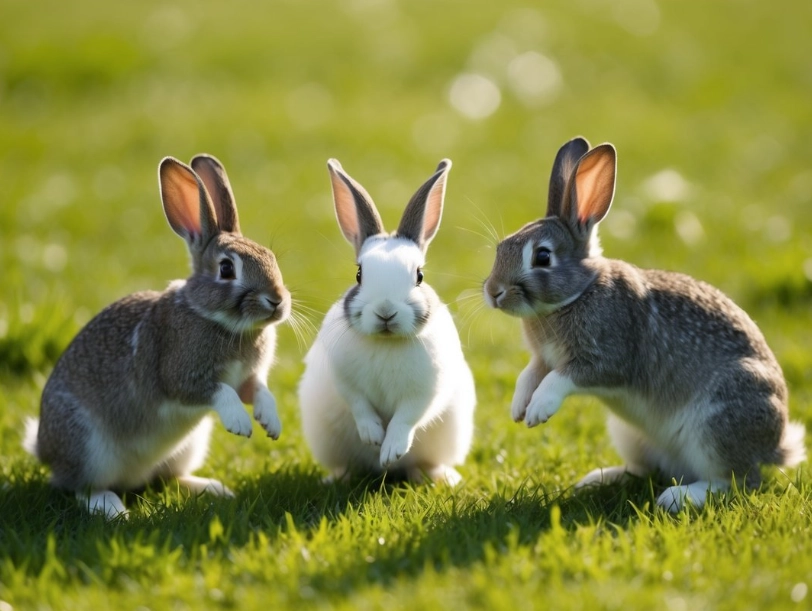
The Big Misconception: New owners often watch for three precise hops and worry if their bunny "only" does two. That's focusing on the wrong thing. The key is the quality and context of the movement, not the arithmetic. A stressed or unwell rabbit won't do any, regardless of the count.
The Binky Breakdown: More Than Just a Hop
To really get the 3 hop rule, you need to understand its building block: the binky. A binky is an uncoordinated, explosive jump where a rabbit kicks out its back legs and twists its body or head mid-air. It looks goofy, uncontrolled, and utterly wonderful.
In a multi-hop sequence, you're seeing binkies chained together with running or smaller, joyful skips. The rabbit might land from one twist, take two quick sprinting steps, and launch into another. The energy is contagious.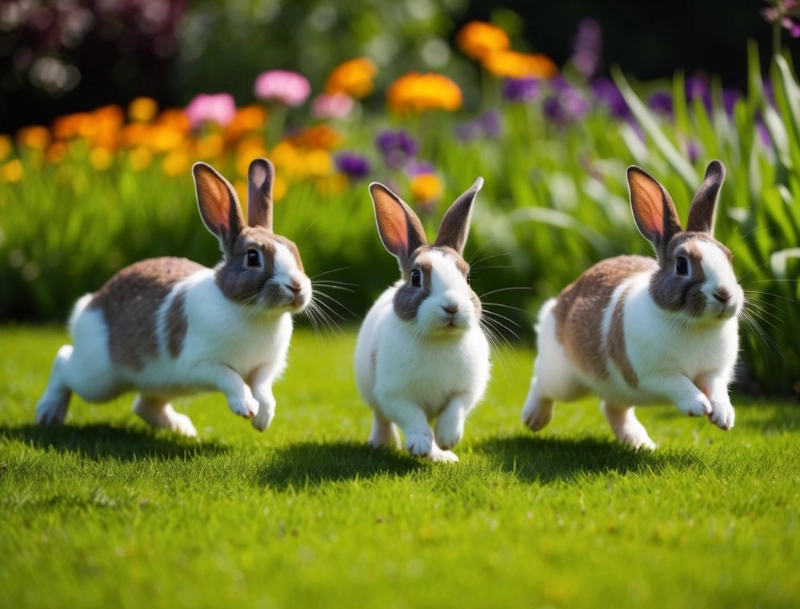
The Body Language That Tells the Whole Story
Don't just watch the feet. The real story is in the ears, eyes, and overall posture.
- Ears: They're usually up and swiveling, but relaxed—not pinned back in fear or aggression. During the jump, they might flop wildly.
- Eyes: Bright, alert, but not wide with panic. You might even catch a glint of what looks like mischief.
- Posture: Before launch, the body is coiled like a spring, but it's a "happy-ready" coil, not a tense, frozen one. After landing, there's no prolonged freezing; the movement flows.
Compare this to a startled jump, which is a single, sharp, high leap, often followed by a thump and complete stillness. The energy is totally different.
How to Spot a True 3-Hop Sequence from Other Rabbit Moves
Rabbits move for lots of reasons. Mistaking a fear response for a happy one is a common error. Here’s a quick comparison to keep in your back pocket.
| Movement | What It Looks Like | The Emotional Driver | Key Differentiator |
|---|---|---|---|
| Happy 3-Hop Sequence | Series of leaps with twists/kicks, often mixed with zoomies. Fluid, playful energy. | Pure joy, excitement, contentment. | The "uncoordinated" joy. It looks silly and ends with the rabbit resuming exploration or play. |
| Single Binky | One dramatic jump-twist, usually in place. | A burst of happiness. | The classic happy sign, just a shorter version of the sequence. |
| Startled Jump/Thump | One very high, straight-up leap, often followed by a hind-foot thump and alert freezing. | Fear, alarm, warning. | The suddenness and the tense, alert aftermath. No playful follow-up. |
| Aggressive Lunge/Hop | A directed, forward hop or lunge, often with grunting or boxing. | Anger, territoriality, fear-based aggression. | The movement is directed at something (you, another pet). Body is stiff, ears are likely back. |
| Painful Hop | Uneven gait, reluctance to put weight on a foot, short, hesitant hops. | Pain, discomfort, injury. | There's no exuberance. The rabbit moves cautiously, may flinch. |
See the difference? The happy sequence is about abandon. The other movements are about reaction—to threat, pain, or anger.
Why This "Rule" is Your #1 Rabbit Management Tool
Forget fancy gadgets. Observing these joyful hops is your most reliable, real-time indicator of your rabbit's overall wellbeing. It's a biofeedback system. No happy hops over a period of days? That's a bigger red flag than a change in eating habits for some rabbits.
Here’s what consistent "3-hop" behavior tells you:
Your environment is safe. Rabbits are prey animals. They won't let their guard down enough for goofy jumps if they feel threatened. Frequent binky sequences mean your home is their fortress.
Their physical health is on point. Arthritis, gut stasis, sore hocks—these all suppress the urge and ability to play. A hopping rabbit is generally a physically comfortable rabbit.
Their mental needs are met. Boredom is a silent killer for intelligent creatures like rabbits. Sequential binkies mean they have adequate space, stimulation, and social interaction (with you or a bonded partner).
I once consulted with an owner whose rabbit had "stopped playing." The food and litter habits were normal, so the vet gave an all-clear. But the absence of those signature hops was the clue. We found the issue: a new, loud air conditioner unit near her pen was causing low-grade, constant stress. Moving her area solved it, and the hops returned within a week. The behavior was the canary in the coal mine.
How to Encourage More Happy Hops: A Practical Guide
Want to see more of this? You can't force it, but you can set the stage. It's about curating an experience, not buying a single toy.
1. Master the Playzone Setup
Rabbits need runway space. A cramped cage won't cut it. They need an open area where they can build up speed for at least 3-4 full-body lengths. Use puppy pens to create a secure, spacious play area. Put their hidey-house at one end and interesting things at the other to encourage trips.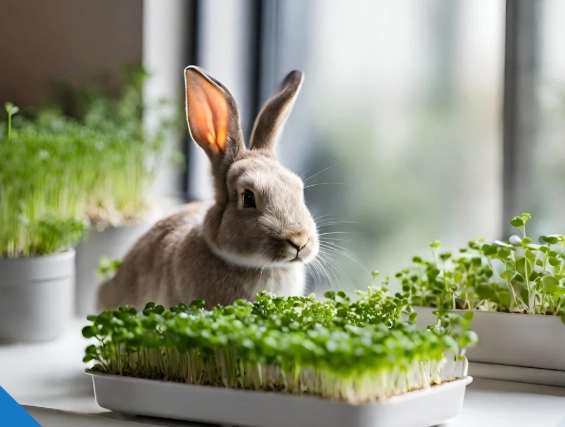
2. The Toy Rotation System
Rabbits get bored of static environments. Have a box of "rabbit toys" and swap 2-3 items into their space every few days. The novelty triggers exploration and, often, hops.
- Chewables: Applewood sticks, willow balls, cardboard rolls stuffed with hay.
- Diggers: A deep box filled with shredded paper, child-safe sand, or soil.
- Tossers: Baby keys, hard plastic cat balls, rattly items they can bat around.
- Puzzle Feeders: Snuffle mats, treat balls, or hiding greens under overturned cups.
3. Create "Bunny Superhighways"
Use furniture, tunnels, and low platforms to create a circuit. My current bunnies go nuts for a setup that goes: tunnel -> hop onto a low ottoman -> jump down -> zoom under a chair -> repeat. The varied terrain stimulates their minds and bodies.
4. The Power of Scheduled Social Time
Your presence is enrichment. Sit in their play area during their most active times (dawn and dusk). Read a book, ignore them politely. Let them come to you. Then, gently toss a treat or a toy. This interactive, low-pressure bonding time builds the security that fuels play.
The goal isn't to choreograph their hops, but to build a life for them where feeling that joyful is a natural, frequent outcome.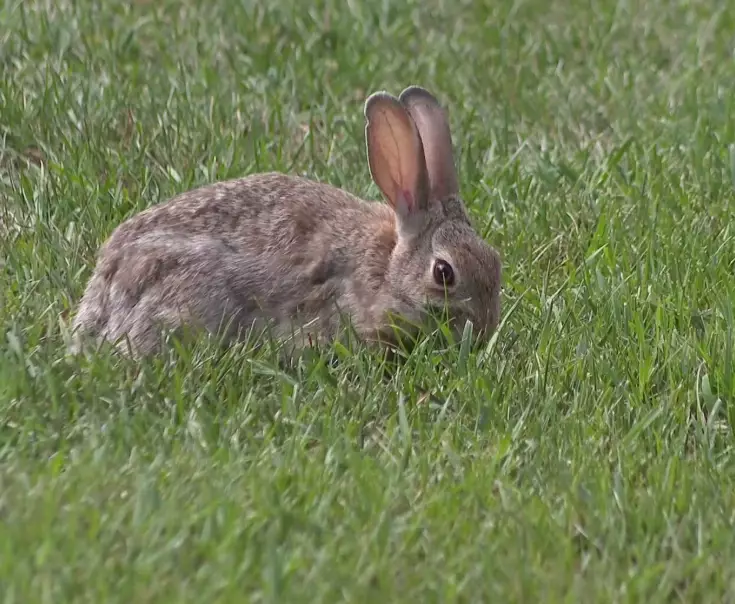
Reader Comments