You're holding a crisp leaf of green cabbage, and your bunny is doing that irresistible nose-twitch, begging for a bite. It's a classic scene. Cabbage is cheap, available year-round, and seems like a wholesome green treat. So, the question pops up: can you make this a daily ritual? Can rabbits eat cabbage every single day? The short, crucial answer is no, they shouldn't. Feeding cabbage daily is one of the most common, well-intentioned mistakes I see rabbit owners make, and it quietly sets the stage for serious digestive trouble.
What's Inside This Guide
Why Daily Cabbage is a Problem
It's not that cabbage is toxic. In small, occasional amounts, it's fine. The problem with daily feeding lies in its composition and how a rabbit's unique gut works.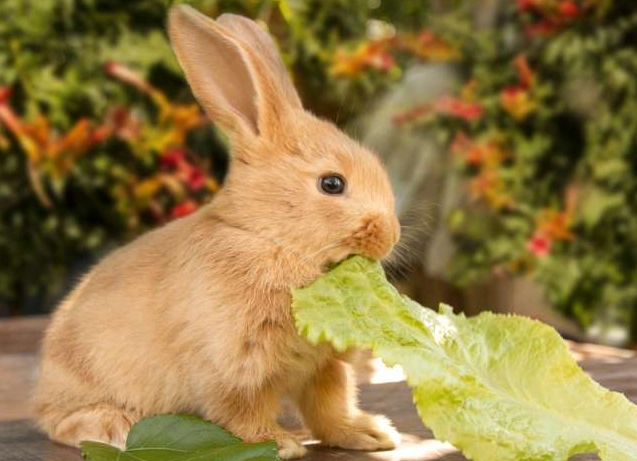
A rabbit's digestive system is a finely tuned fermentation vat. It relies on a stable population of good bacteria to break down high-fiber foods like hay. Introduce too much of the wrong thing too often, and you disrupt that balance.
The Gas and Bloat Culprit
Cabbage, along with its cousins like broccoli and cauliflower, contains complex sugars called raffinose. Mammals (including us and rabbits) lack the enzyme to digest it in the small intestine. So, it travels to the large intestine where gut bacteria ferment it. This fermentation produces gas—a lot of it.
For us, it's just uncomfortable. For a rabbit, it's dangerous. Rabbits are physically unable to vomit or pass gas easily. That trapped gas causes painful bloating (GI stasis), which slows or completely stops gut motility. Once the gut stops moving, it's an emergency. According to the House Rabbit Society, gastrointestinal stasis is a leading cause of death in domestic rabbits.
Here's the subtle mistake many make: They see their rabbit eat a piece of cabbage one day with no issues, so they think it's safe to repeat. The problem is cumulative. A small amount of gas one day may be manageable. But feeding it daily doesn't give the gut time to fully recover and rebalance, quietly building up pressure until one day the system just shuts down.
Goitrogens and Calcium Content
There are two other factors often overlooked. First, cabbage contains goitrogens, substances that can interfere with thyroid function if consumed in very large, continuous quantities. While a rare treat won't matter, a daily diet could contribute to long-term issues.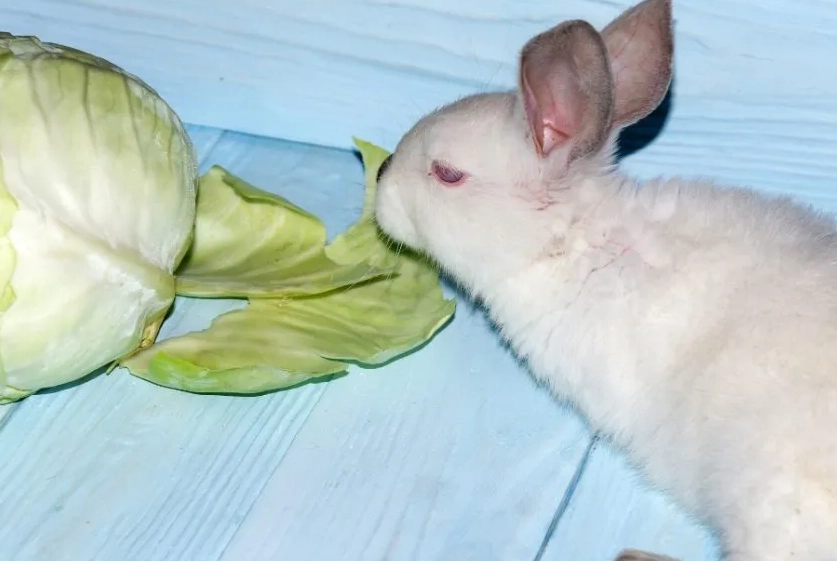
Second, some cabbages, like the green and red varieties, have moderate calcium levels. Rabbits excrete excess calcium through their urine. A daily dose of high-calcium veggies, on top of pellets, can increase the risk of developing painful bladder sludge or stones.
How to Safely Feed Cabbage (The Right Way)
So, cabbage is off the daily menu. But it can be an occasional part of a varied diet. The key is in the portion, frequency, and preparation.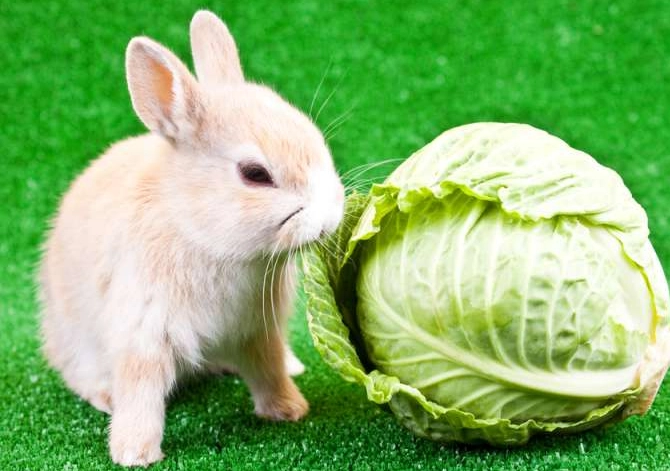
Think of cabbage not as a staple green, but as a weekly treat. Here's a practical guide:
- Frequency: Once or twice a week at most. Never on consecutive days.
- Portion Size: For an average 6 lb (2.7 kg) rabbit, a piece roughly the size of your palm (about 1-2 large leaves) is the absolute maximum treat serving.
- Introduction: If your rabbit has never had cabbage, start with a piece the size of a postage stamp. Wait 24 hours to monitor for any soft stools or signs of discomfort.
- Type Matters: Green and red cabbage are the standard. Savoy cabbage is a bit softer. Many rabbits find the inner, lighter leaves easier to digest than the tough outer ones.
A personal rule I follow: I never feed cabbage on a day when my rabbit is already getting another "gassy" vegetable treat, like broccoli stems or kale. One potential gas-producer per day is my limit. Variety is safer than doubling down on one type.
What About Other Cabbage Family Veggies?
The same cautious rules apply to the brassica family. Brussels sprouts? A tiny one, occasionally. Bok choy? The leafy green parts are better than the thick white stems. Kohlrabi? A thin slice of the peeled bulb as a rare curiosity. Always introduce one new food at a time.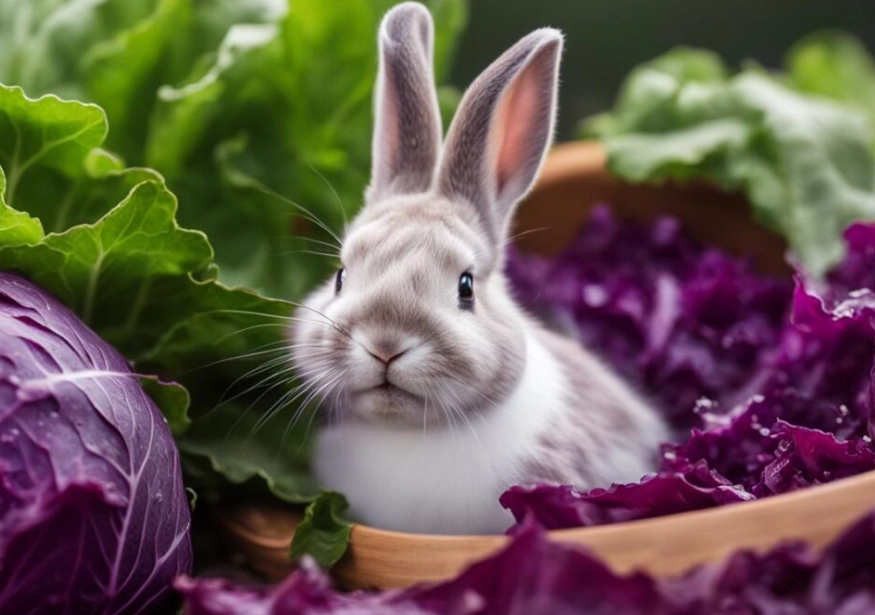
What to Feed Instead Every Day
If cabbage is a weekly guest, what should be on the daily plate? The foundation is non-negotiable: unlimited grass hay (Timothy, Orchard, Meadow). This makes up 80-90% of their diet. Then, a daily salad of leafy greens.
The RSPCA recommends a handful of washed leafy greens per rabbit daily. This "handful" should be a mix of 3-5 different types to ensure nutritional balance and prevent overloading on any one compound.
| Best Daily Greens (Feed Regularly) | Occasional Greens (2-3 times a week) | Treat Greens (Once a week or less) |
|---|---|---|
| Romaine Lettuce (not iceberg) | Spinach (high in oxalates) | Cabbage (all types) |
| Green/Red Leaf Lettuce | Kale (can be gassy) | Brussels Sprouts |
| Spring Greens | Swiss Chard | Broccoli (florets) |
| Herbs: Cilantro, Parsley, Mint, Basil | Dandelion Greens (from pesticide-free areas) | Cauliflower |
| Endive | Rocket/Arugula | |
| Bok Choy Leaves | Carrot Tops |
See the difference? The daily greens are mostly leafy lettuces and herbs—low in starches and complex sugars, high in moisture and fiber. They support the gut without challenging it.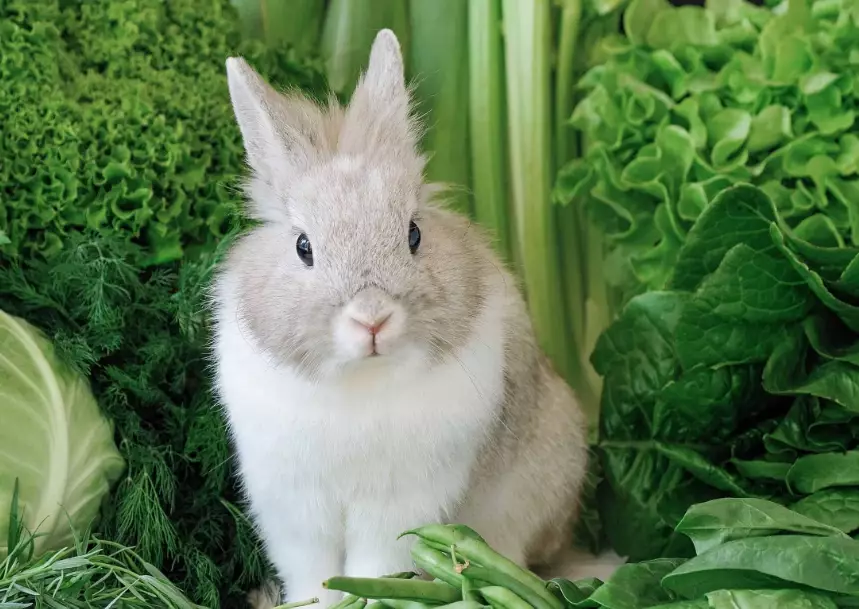
Spotting Digestive Trouble Early
Even with perfect feeding, rabbits can have sensitive moments. Knowing the early signs of GI distress can save your bunny's life. If you've recently fed cabbage and notice any of these, stop all treats and focus on hay and water.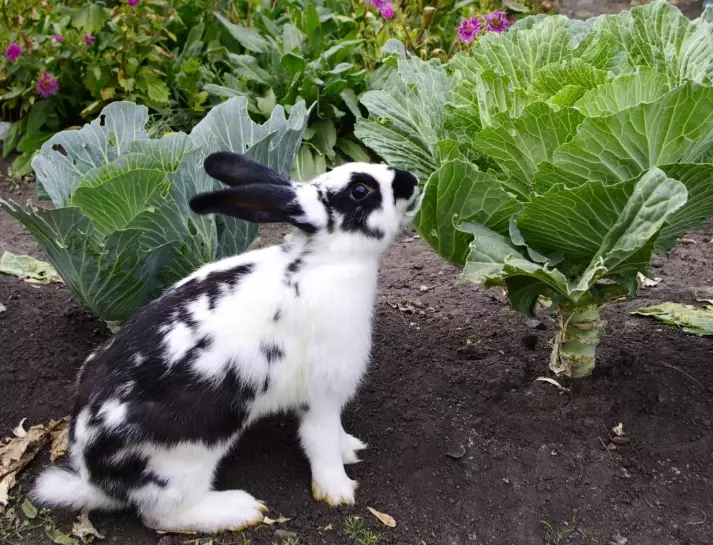
- Reduced or No Fecal Pellets: Small, misshapen, or a sudden drop in output is the #1 warning sign.
- Lethargy/Hunched Posture: Sitting still in a hunched position, pressing its belly to the floor.
- Loud Gut Sounds (or Silence): Gurgling, rumbling, or—more worryingly—a complete lack of sound when you press your ear to its side.
- Loss of Appetite: Ignoring even favorite treats or hay.
- Blown Abdomen: The belly looks taut and feels hard to a gentle touch.
If you see a combination of these signs, especially no poops and no eating, it's a vet emergency. Don't wait until morning.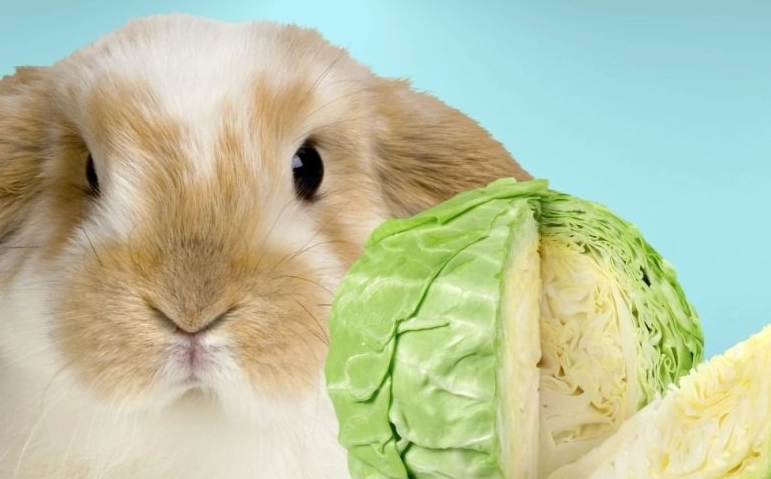
Your Cabbage Questions Answered
The bottom line is simple. Cabbage isn't a villain, but it's a demanding guest in your rabbit's digestive system. Respect its limits. Make hay and a variety of gentle leafy greens the daily stars of the show. Use cabbage as an occasional, measured treat. Your rabbit's quiet, healthy gut—and the steady production of perfect poops—will be your reward. It's a less exciting answer than "yes, feed all you want," but it's the one that leads to a thriving, hoppy companion for years to come.
Reader Comments