Let's be honest. Rabbits are cute—until they're mowing down your lettuce seedlings or nibbling your bean plants to the ground. I remember the first time I found my entire row of young Swiss chard reduced to stubs overnight. The frustration is real. You've worked hard on your garden, and seeing it become a bunny buffet is disheartening. The good news? You don't need harsh chemicals or inhumane traps. There are effective, natural ways to keep rabbits out of your garden for good. This guide cuts through the fluff and gives you the strategies that actually work, based on experience and what the pests themselves hate.
What's Inside?
- Why Rabbits Are a Garden Problem (Beyond the Cuteness)
- The Complete Toolkit of Natural Rabbit Deterrents
- How to Build a Rabbit-Proof Fence That Actually Works
- Plants Rabbits Hate: Your Living Protective Border
- Homemade Rabbit Repellent Recipes & Tips
- Common Mistakes & Why Some "Solutions" Fail
- Creating Your Custom Rabbit Defense Plan
- Your Rabbit-Proofing Questions Answered
Why Rabbits Are a Garden Problem (Beyond the Cuteness)
Understanding your opponent is step one. Rabbits are creatures of habit and opportunity. They have a keen sense of smell and taste, preferring tender, young plants—your prized seedlings are basically gourmet appetizers. A single rabbit can have multiple litters per year, so a small problem can quickly become an infestation. They're also most active at dawn and dusk, which is why damage often seems to appear magically overnight. The key to natural rabbit control is to make your garden less appealing, less accessible, and a bit scary, without causing them harm.
The Complete Toolkit of Natural Rabbit Deterrents
Think of this as a layered defense system. Rarely does one single method provide perfect protection forever. Combining a few of these is your best bet. Here’s a breakdown of your main options.
| Method Category | How It Works | Best For | Effort & Cost |
|---|---|---|---|
| Physical Barriers (Fencing) | Creates an impenetrable wall. Most reliable long-term solution. | Vegetable plots, small orchards, flower beds. | High initial effort/cost, low maintenance. |
| Plant-Based Deterrents | Uses strong smells or tastes rabbits dislike. Integrates into garden design. | Borders, interplanting among vulnerable crops. | Low effort/cost (just planting). |
| Scent & Taste Repellents | Makes plants smell or taste bad. Can be homemade or commercial. | Protecting specific plants or areas temporarily. | Medium effort (need reapplication). |
| Habitat Modification | Removes shelter and hiding spots, making the area less inviting. | The entire yard, as a foundational step. | Medium effort (clean-up). |
| Scare & Disturbance Tactics | Uses movement, light, or predator presence to startle rabbits. | Large open areas, as a supplementary method. | Low effort, variable cost. |
How to Build a Rabbit-Proof Fence That Actually Works
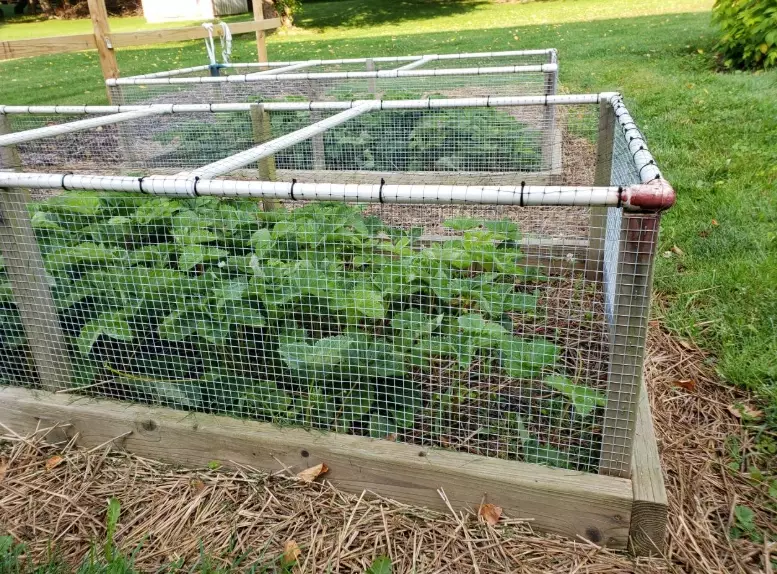
This is your fortress wall. The mistake most people make is only thinking about height. Rabbits are diggers. A fence that doesn't address this is useless.
The Gold Standard Fence Specs:
- Material: Chicken wire or hardware cloth with 1-inch or smaller mesh. Rabbits can squeeze through surprisingly small gaps.
- Height: At least 2 feet tall. A determined rabbit can jump high, but they rarely bother if there's easier food elsewhere.
- The Critical Detail – Bury It: Bend the bottom 6 inches of the fencing outward at a 90-degree angle and bury it 3-6 inches deep. Alternatively, stake the fence down tightly and pile rocks, logs, or soil along the base. This stops them from digging underneath. I learned this the hard way after installing a beautiful, tall fence only to find tunnels underneath a week later.
- Gates: Don't forget them! Ensure they fit snugly and have no gaps at the bottom.
Plants Rabbits Hate: Your Living Protective Border
Companion planting with rabbit-resistant plants is a clever, beautiful strategy. These plants typically have strong aromas, fuzzy leaves, or milky sap that rabbits find offensive. Plant them as a perimeter or intermingle them with your veggies.
Top Rabbit-Repellent Plants:
Strong Smellers: These work by masking the scent of your tasty plants. Lavender, Onions/Garlic, Marigolds (French marigolds are particularly pungent), Rosemary, Sage, Mint (plant in pots—it's invasive).
Texture & Taste Deterrents: Rabbits avoid these due to unpleasant textures or flavors. Snapdragons, Ageratum, Catmint, Yarrow, Lamb's Ear (fuzzy leaves).
Remember, a starving rabbit might try anything, but these plants are a strong first line of defense. The Royal Horticultural Society notes that while preferences vary, aromatic herbs and plants with tough or hairy leaves are generally avoided.
Homemade Rabbit Repellent Recipes & Tips
When you need to protect something right now, a homemade spray can be a great solution. The goal is to create a smell or taste rabbits dislike.
Garlic & Onion Spray: Boil a chopped bulb of garlic and a large onion in a quart of water for 20 minutes. Cool, strain, and add a spoonful of cayenne pepper for extra punch. Spray on plants.
Important Repellent Rule: Always test a small area of the plant first to check for leaf burn. Apply in the cooler evening hours. Reapplication is key—rain and sun degrade these sprays quickly.
Common Mistakes & Why Some "Solutions" Fail
I've tried a lot of things over the years. Here's what usually doesn't work, or why people give up on good methods too soon.
Ultrasonic Devices: The data on their effectiveness for rabbits is spotty at best. Rabbits can habituate to the sound, and obstacles block the waves.
Using Mothballs or Blood Meal Incorrectly: Mothballs are toxic and should never be used in gardens where food is grown. Blood meal is a great nitrogen fertilizer and can deter rabbits with its smell, but it also attracts dogs, raccoons, and can burn plants if over-applied. Use it sparingly.
Giving Up on a Fence Too Early: You built a fence but still see a rabbit inside? Check for gaps, holes, or tunneling spots you missed. One small flaw is all they need.
Relying Solely on a Scarecrow or Shiny Objects: Rabbits are smart. A stationary owl decoy becomes part of the scenery in days. CDs on a string might work for a week. You must move these items frequently to maintain the "scare" factor.
Creating Your Custom Rabbit Defense Plan
Don't get overwhelmed. Follow these steps.
1. Assess: Where is the damage worst? Where are rabbits likely nesting (brush piles, under sheds)?
2. Clean Up: Remove hiding places. Clear tall grass, seal off under-deck areas, and tidy brush piles.
3. Choose Your Primary Method: For a vegetable garden, a proper fence is worth the investment. For flower beds, a combination of repellent plants and occasional sprays might suffice.
4. Layer Up: Add a secondary method. Fence + repellent plants. Repellent sprays + a motion-activated sprinkler.
5. Monitor and Adapt: Check for new damage regularly. If one method fails, tighten it up or add another layer. Persistence is everything.
Your Rabbit-Proofing Questions Answered
Will hot pepper spray hurt the rabbits or my plants?
The spray is an irritant, not a poison. It makes plants taste unpleasant, so rabbits learn to avoid them. It won't cause long-term harm to the animal. For your plants, always do a patch test on a few leaves first. Some plants, like beans, can be sensitive. Diluting the spray a bit more can help.
I have pets. Are these natural methods safe for my dog or cat?
Most are, but you need to be cautious. The hot pepper spray will irritate your pet's eyes and mouth if they lick treated plants. Garlic and onions are toxic to dogs and cats in large quantities, so if you use a garlic spray, ensure your pet isn't likely to chew on those specific plants. Physical barriers like fencing are the safest option pet-wise.
 What's the one most overlooked tip for keeping rabbits away?
Garden hygiene. Rabbits feel safe where they have cover. If your garden edges are overgrown with weeds, tall grass, or have piles of wood and debris, you're offering them a hotel next to their restaurant. Keeping the perimeter clean and open forces them into the exposed, which they hate. It's a simple, free step that makes every other method more effective.
Do commercial natural repellents work better than homemade ones?
Not necessarily. Many commercial products use similar active ingredients like putrescent egg solids, capsaicin, or garlic oil. Their advantage is convenience and sometimes longer-lasting formulas. The downside is cost. A homemade pepper-garlic spray is incredibly cheap and effective, but you have to make and apply it more often. It's a trade-off between time and money.
Will rabbits eventually get used to and ignore my deterrents?
They can, especially with scare tactics or if they're desperate for food. This is why a rotating strategy is key. If you've been using a scent repellent, switch the formula. Move your reflective tapes or fake owl to a new location. The goal is to keep them guessing and reinforce that your garden is an unpredictable, difficult place to eat.
The battle against garden rabbits is winnable. It requires observation, a bit of labor, and a layered approach. Start by removing their hiding spots, then build a proper barrier or plant a smelly border. Use homemade sprays as a quick fix. Be consistent, and don't be discouraged if you have to tweak your plan. Your reward will be a thriving garden that you, and not the local bunnies, get to enjoy.
Comment