I remember as a kid, I called every fluffy, long-eared creature I saw a "bunny." It wasn't until I tried to convince my parents to let me keep a wild "bunny" I found in the field that I got a quick lesson. "That's not a bunny," my dad said, "that's a young hare, and it won't survive in a cage." That moment of confusion is incredibly common. The terms rabbit, bunny, and hare are thrown around interchangeably, but they point to distinct realities—one is a scientific classification, one is a cultural term, and one is a different animal altogether. Getting it wrong isn't just about semantics; it can lead to serious mistakes in pet care or wildlife interaction. Let's untangle this once and for all.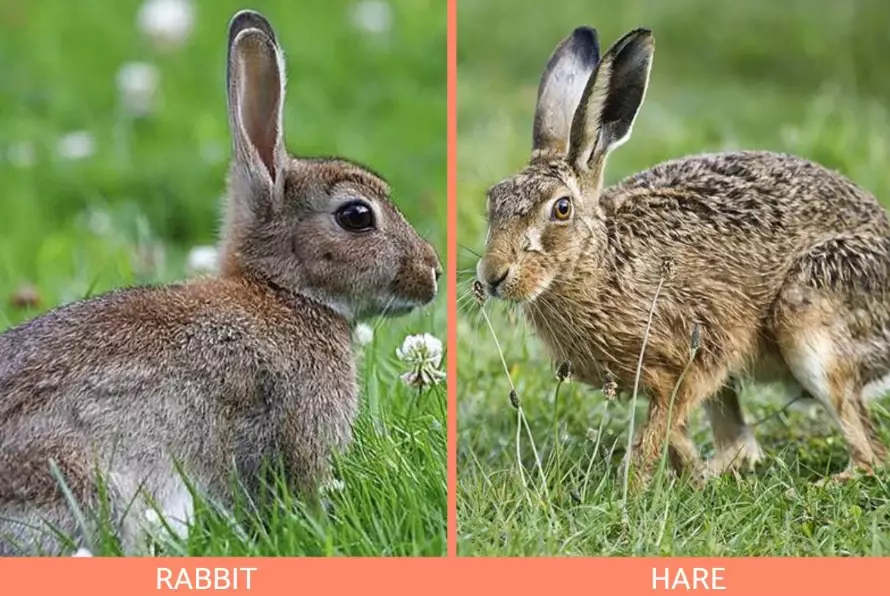
What's Inside This Guide?
- The Biology: It's All in the Family (Leporidae)
- The "Bunny" Conundrum: It's Not What You Think
- Rabbit vs Hare: The Head-to-Head Comparison
- How to Spot the Difference in the Real World
- Your Questions, Answered
The Biology: It's All in the Family (Leporidae)
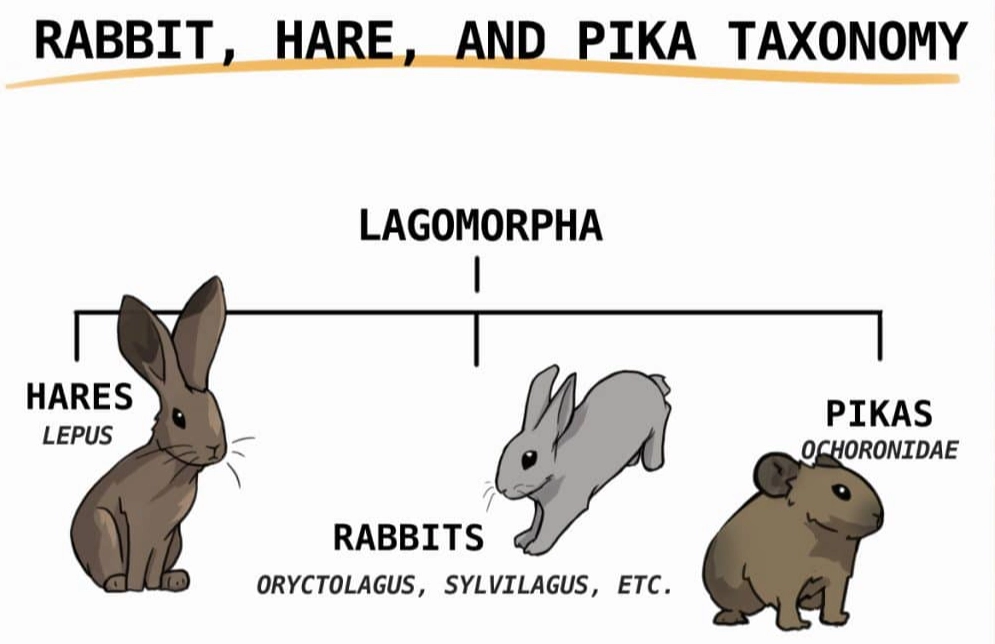
First, the scientific baseline. Both rabbits and hares belong to the mammalian order Lagomorpha (not rodents—a key difference involving a second pair of tiny upper incisors behind the first) and the family Leporidae. Think of them as cousins within the same extended family. The genus level is where they split: most true rabbits are in the genus Oryctolagus (like the European rabbit, ancestor to all domestic breeds) or Sylvilagus (cottontails). Hares belong to the genus Lepus.
This genetic split happened millions of years ago, leading to adaptations for completely different survival strategies. It's the difference between being a homebody who digs a fortress and a nomadic athlete built for open spaces.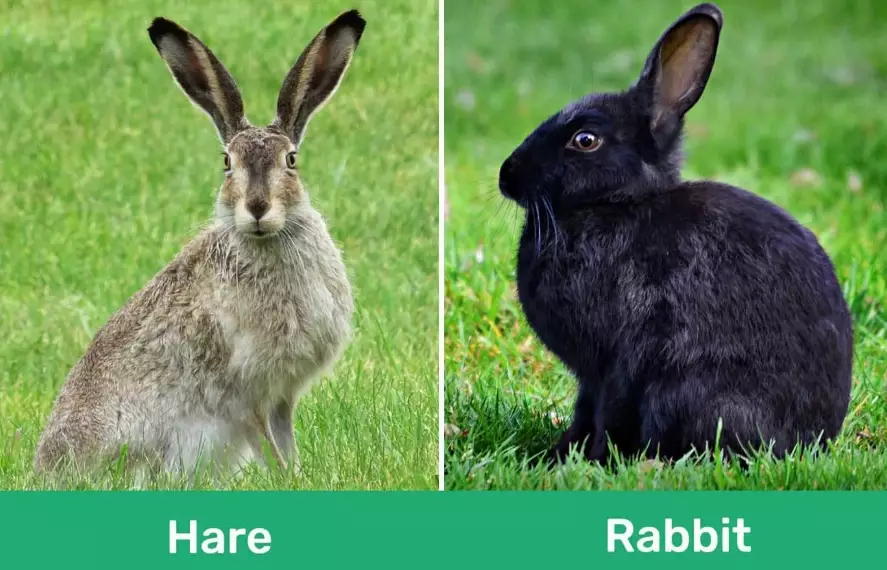
The "Bunny" Conundrum: It's Not What You Think
Here's the biggest source of confusion. "Bunny" is almost exclusively a colloquial, affectionate term for a rabbit, typically a young or small one. It has zero standing in zoology. The word likely comes from the Scottish "bun," referring to a squirrel or rabbit's tail. In modern use:
- You call a baby rabbit a "bunny."
- You call your pet rabbit a "bunny" as a cute nickname.
- You do not correctly call a hare a bunny, though people often do by mistake.
- The Easter Bunny is culturally a rabbit, not a hare.
One subtle point most articles miss: "kitten" is the actual technical term for a baby rabbit. But let's be honest, nobody outside a veterinary clinic or a rabbit breeder's circle uses that. In everyday life, "bunny" has won. So when someone asks about the difference between a rabbit and a bunny, the answer is often: context and cuteness factor. They're the same animal.
Rabbit vs Hare: The Head-to-Head Comparison
This is the core of the matter. While they look similar, rabbits and hares are built and behave differently from nose to toes. The table below breaks down the critical, observable differences.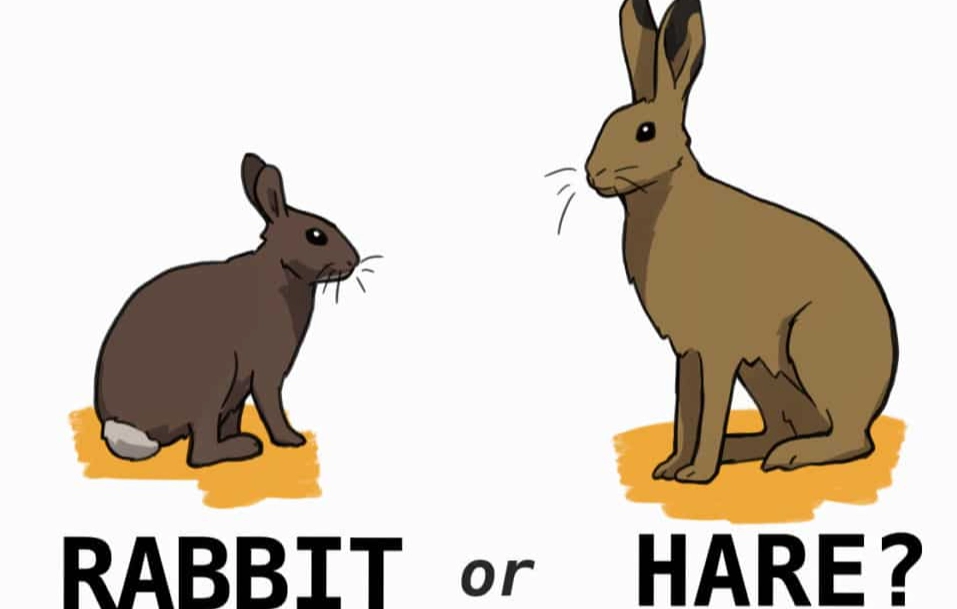
| Feature | Rabbits | Hares |
|---|---|---|
| Size & Build | Generally smaller, more compact bodies. Shorter legs relative to body size. | Larger, leaner, and taller. Noticeably longer hind legs built for powerful, sustained running. |
| Ears | Shorter ears relative to head size. Tips are more rounded. | Substantially longer ears (often black-tipped, like the Black-tailed Jackrabbit). They look like satellite dishes for detecting predators on open plains. |
| Birth & Early Life | Altricial. Babies are born blind, hairless, and completely helpless. They need intense care in a secure nest (a "form") for weeks. | Precocial. Babies (called leverets) are born fully furred, eyes open, and ready to move within hours. They are scattered in simple depressions and visited by the mother only briefly for feeding. |
| Habitat & Shelter | Burrowers. They live in complex underground warrens for safety, raising young, and thermoregulation. Think: communal underground apartment complex. | Surface dwellers. They live above ground, relying on speed, camouflage, and hiding in forms (shallow depressions in grass or under brush). No digging skills to speak of. |
| Social Structure | Often social. Many species live in colonies, especially European rabbits. There's a hierarchy and shared warren duty. | Mostly solitary. They come together primarily to mate. It's a lone-wolf (or lone-hare) lifestyle. |
| Response to Threat | Freeze, then dart to the nearest burrow entrance. Their first instinct is to get underground. | Explosive speed and zig-zag running. They rely on outrunning predators over long distances. |
| Domestication | Fully domesticated. All pet rabbit breeds descend from the European rabbit. | Not domesticated. They are wild animals and do not adapt well to captivity. It's stressful for them and often illegal to keep. |
Look at the "Birth & Early Life" row. That's the most critical, non-negotiable difference. If you find a nest of naked, blind babies underground or in a grassy cup, you've found rabbits. If you stumble upon a furry, wide-eyed baby alone in a field, you've found a hare leveret—and you should leave it absolutely alone. Its mother is likely nearby, and it's not orphaned.
How to Spot the Difference in the Real World
Knowing the theory is one thing. Applying it when you see a flash of brown in the meadow is another. Here’s your field guide.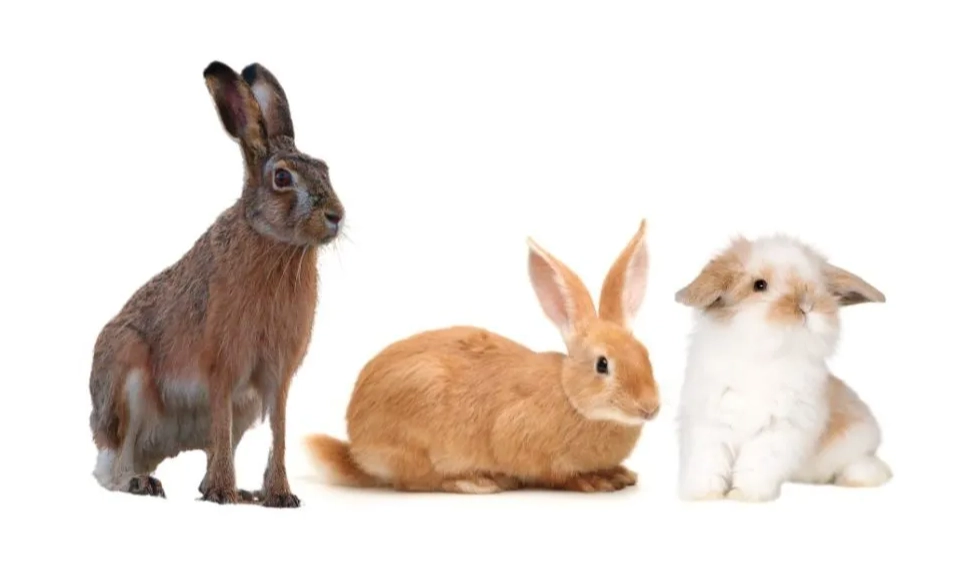
Scenario 1: You're Hiking and See One in the Wild
Look at the ears and the getaway. Long, black-tipped ears and a lightning-fast, bounding sprint across open ground? Almost certainly a hare (like a jackrabbit or snowshoe hare). Shorter ears and a quick dash toward a bramble thicket, a log pile, or what looks like a hole in the ground? That's a rabbit (likely a cottontail). Cottontails, a common North American rabbit, don't dig their own burrows but will use abandoned ones, which blurs the line a bit—but their escape plan is still to find cover, not outrun you in the open.
Scenario 2: You're Considering a Pet
This is where the confusion has real consequences. You are only ever getting a domesticated rabbit. No one sells pet hares. If a breeder or, more likely, an unscrupulous seller tries to tell you something is a "special dwarf hare" or a "pygmy hare," it's a red flag. It's either a rabbit or a wild animal they've captured. Stick with reputable rabbit rescues or breeders. The House Rabbit Society is an excellent resource for ethical adoption and care, which is no small commitment—rabbits can live 10+ years and need significant space and veterinary care.
Scenario 3: You're a Gardener Dealing with Pests
Both can nibble your veggies, but the approach differs. Rabbits are more likely to be your culprit if you have damage right at the plant base and near potential burrow sites (wood edges, under sheds). They're neater eaters. Hares, being larger, can cause more dramatic damage and will venture further into open gardens. I've seen a hare neatly mow down an entire row of young bean plants overnight. The frustration is real. Fencing for rabbits needs to be buried because they dig. For hares, it just needs to be tall because they jump.
Your Questions, Answered
I found a baby bunny alone in my backyard with no nest. Should I rescue it?
Can a rabbit and a hare mate and have hybrids?
 Why is the "Easter Bunny" a rabbit and not an Easter Hare?
What's the biggest mistake people make when they get a pet rabbit thinking it's like a hare?
Are jackrabbits really rabbits?
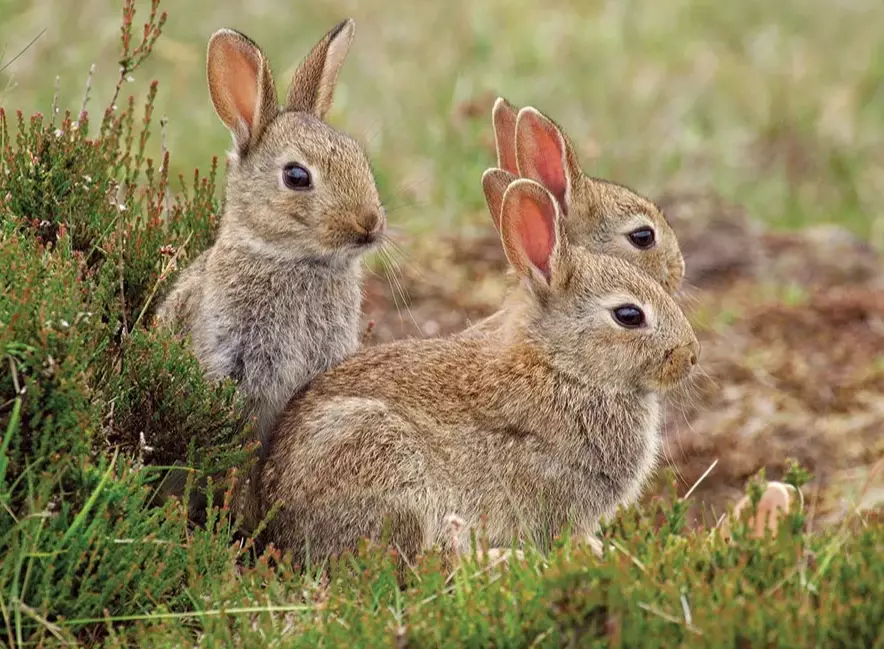 So, the next time you see one of these long-eared lagomorphs, you'll see more than just a generic "bunny." You'll see the story of its life—whether it's a rabbit, a creature of community and hidden depths, or a hare, a solitary sprinter built for the open horizon. And you'll know that "bunny" is just the affectionate nickname we gave to one of them. Understanding the difference isn't just trivia; it's the key to respecting their wild natures or providing proper care for a domestic one. It turns a blur of fur into a clear picture of biology and behavior.
Comment