You see a flash of brown dart across a hiking trail in the Sierra foothills, or a pair of long ears poking up from the grass in a Bay Area park. What kind of rabbit was that? The answer isn't as simple as you might think. California is home to a surprising diversity of rabbits and hares, from iconic native species adapted to harsh deserts to domestic breeds living in backyard hutches across the state. This guide cuts through the confusion, giving you a clear picture of every significant rabbit you might encounter in the Golden State.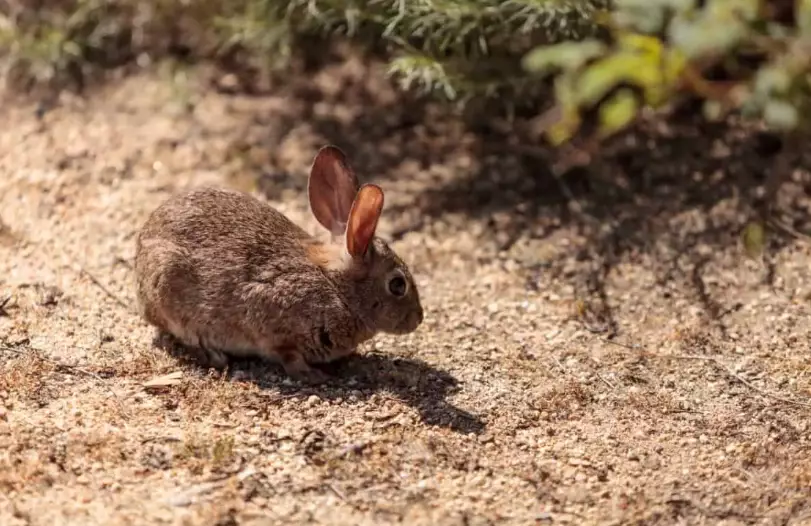
Jump to What You Need
California's Wild & Native Rabbit Species
Let's start with the locals. When people ask "what kind of rabbits are in California?" they're usually thinking of the wild ones. Contrary to popular belief, not every wild rabbit here is the same. We have true rabbits (cottontails) and hares, which are larger, with longer ears and legs, and give birth to fully furred, open-eyed young. Here are the main players.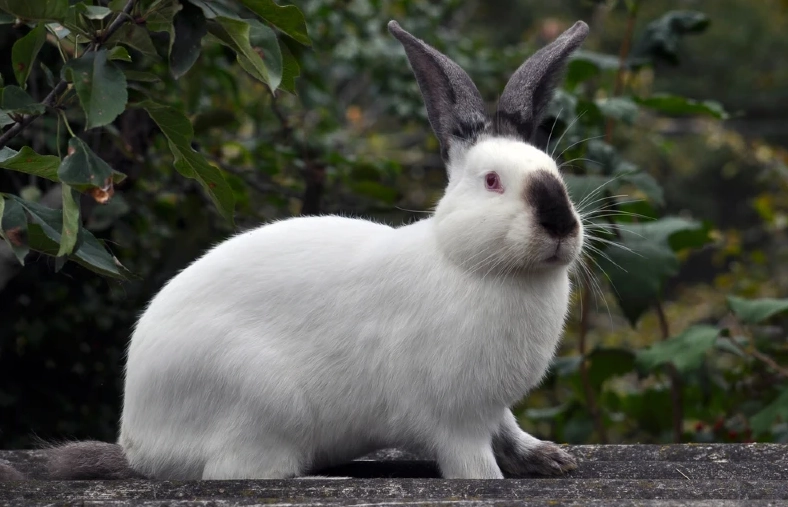
Quick Tip: The easiest way to tell a rabbit from a hare? Rabbits are born blind and hairless in burrows. Hares are born above ground, ready to run. In California, the Black-tailed Jackrabbit is our only true hare.
Desert Cottontail (Sylvilagus audubonii)
This is probably the rabbit you picture. It's the most widespread rabbit in California, found from the arid eastern deserts right into suburban backyards in the Central Valley and southern coastal areas. They're smaller than people expect, typically weighing just 1.5 to 2.5 pounds. Look for their namesake fluffy white tail, grayish-brown fur, and large ears. They don't dig complex burrows but will use abandoned dens or scrapes under brush. I've seen them at dawn in Griffith Park in Los Angeles and skittering around the edges of parking lots in Palm Springs. They're incredibly adaptable.
Brush Rabbit (Sylvilagus bachmani)
If you're hiking in coastal chaparral, dense blackberry thickets, or forest edges from the Oregon border down to Baja, you're in brush rabbit territory. They're smaller and darker than the desert cottontail, with a less prominent white tail. Their secretive nature makes them harder to spot—you're more likely to hear a quick rustle in the undergrowth than get a good look. They rely completely on dense cover. A wildlife biologist friend once told me that brush rabbit populations are a great informal indicator of habitat health; if the thickets are intact, the rabbits are there.
Pygmy Rabbit (Brachylagus idahoensis)
This is California's rabbit celebrity and conservation priority. It's the smallest rabbit in North America and one of the only rabbits in the world that digs its own extensive burrow systems. In California, they are found only in specific areas of sagebrush habitat in the Great Basin region, like parts of Modoc and Lassen counties. They are a state species of special concern. You won't casually see one; their existence is tied to pristine, undisturbed sagebrush. Spotting one is a rare treat for dedicated naturalists.
Black-tailed Jackrabbit (Lepus californicus)
This is the lanky speedster of the bunch. It's a hare, not a rabbit. Those enormous ears aren't just for hearing; they're radiators to release heat in the desert. You'll see them in open grasslands, deserts, and agricultural areas statewide. Watch for their bounding gait and the distinctive black stripe on the top of their tail. At dusk in the Owens Valley, I've seen dozens grazing on the edges of alfalfa fields. They can cause significant crop damage, which puts them in constant conflict with farmers.
| Species | Type | Key Identifying Features | Primary Habitat in CA | Conservation Status |
|---|---|---|---|---|
| Desert Cottontail | Rabbit | Fluffy white tail, gray-brown fur, large ears. | Deserts, valleys, suburban edges. | Least Concern (Abundant) |
| Brush Rabbit | Rabbit | Small, dark brown, small tail, secretive. | Coastal chaparral, dense thickets. | Least Concern |
| Pygmy Rabbit | Rabbit | Tiny size (less than 1 lb), digs burrows, gray. | Great Basin sagebrush. | Species of Special Concern |
| Black-tailed Jackrabbit | Hare | Very long ears & legs, black-tipped ears & tail. | Open grasslands, deserts, farmland. | Least Concern (Abundant) |
Most Common Domestic Rabbit Breeds in California
Walk into any Southern California rabbit rescue or 4-H fair, and you'll see a different side of the rabbit world. Domestic breeds, descended from the European rabbit, are popular pets here. The climate allows for outdoor hutches in many areas, though responsible owners bring them indoors during heatwaves. Some breeds are more prevalent than others.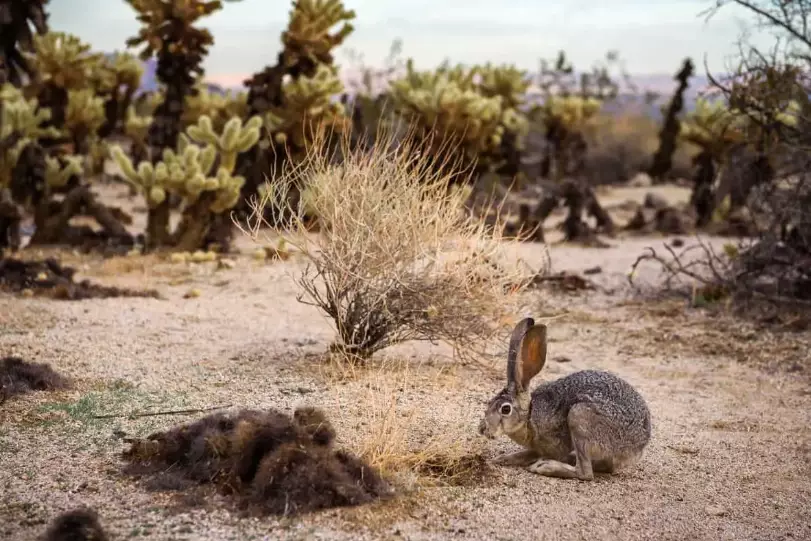
The Dutch Rabbit is everywhere. Its iconic "saddle" marking makes it instantly recognizable and a favorite for families. They're generally good-natured and a manageable size.
Lionheads have exploded in popularity over the last decade. That distinctive mane requires regular grooming, something many first-time owners in San Diego or Sacramento aren't prepared for. I've spoken to rescuers who say matted Lionheads are a common surrender.
Mini Rex rabbits, with their velvety fur, are another indoor favorite. Their plush coat is a result of a recessive gene and doesn't require the intense grooming of long-haired breeds.
Flemish Giants turn heads. These "gentle giants" can weigh over 15 pounds and need correspondingly large living spaces. You'll find dedicated breeders and enthusiasts for them in rural parts of the state.
It's crucial to remember that domestic rabbits cannot survive in the wild. Releasing them is illegal and a death sentence. Organizations like the California Department of Fish and Wildlife consistently warn against it.
Where and How to Spot Wild Rabbits in California
Want to see these animals for yourself? Timing and location are everything. Wild rabbits are crepuscular—most active at dawn and dusk. Midday summer heat will send them deep into cover.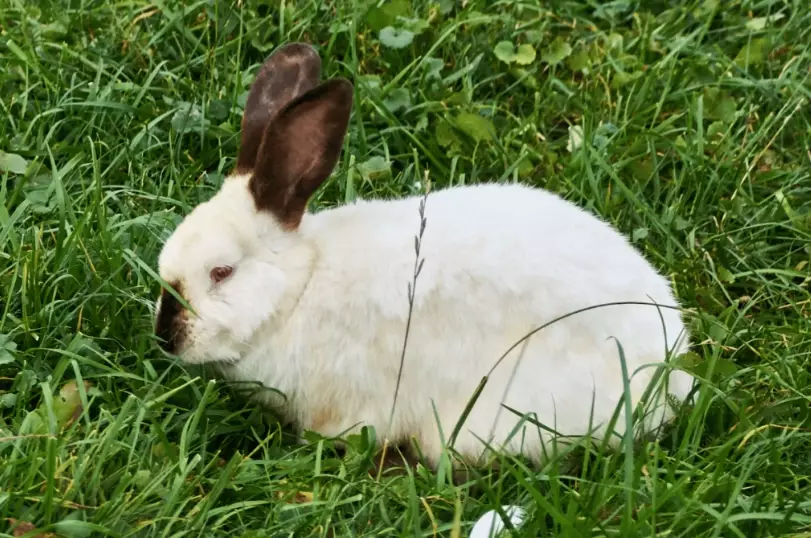
Top Locations for Desert Cottontails: Try the edges of Joshua Tree National Park (outside the crowded campgrounds), the fire roads in the Santa Monica Mountains, or even the overgrown lots in the eastern parts of the San Francisco Bay Area. Move slowly and scan the base of bushes.
Finding Brush Rabbits: Hike trails in Point Reyes National Seashore, the Santa Cruz Mountains, or the brushy canyons of the Santa Ana Mountains. Listen for quick, light scurrying in the leaves.
Jackrabbit Hotspots: Drive the backroads of the Central Valley (especially near fallow fields) at dawn. The Carrizo Plain National Monument is famous for its jackrabbit populations, often seen alongside pronghorn antelope.
Observation Ethics: Never feed wild rabbits. It alters their natural behavior, makes them dependent, and can attract predators to your location. Use binoculars for a closer look and keep your distance. A startled rabbit can injure itself fleeing.
The Invasive Rabbit Problem in California
This is the less charming part of the story. The European rabbit (Oryctolagus cuniculus) is established in some locations, like the San Juan Islands and reportedly a few spots in the Bay Area. More widespread is the problem of feral domestic rabbits. When pet rabbits are abandoned or escape, they can form colonies. These colonies compete with native wildlife for food, damage landscaping and crops, and spread disease.
The city of Santa Ana made headlines a few years back with a massive feral rabbit problem at a local park. It's a direct result of irresponsible pet release. The California Fish and Game Code classifies abandoned domestic animals as a nuisance. Managing these populations is costly and complex, often falling to overburdened animal control and rescue groups.
The takeaway? If you see a rabbit that looks distinctly like a pet breed (spotted, floppy-eared, unusual colors) in a wild setting, it's likely a lost or abandoned animal in grave danger. Contact a local rabbit rescue, not animal control, if possible.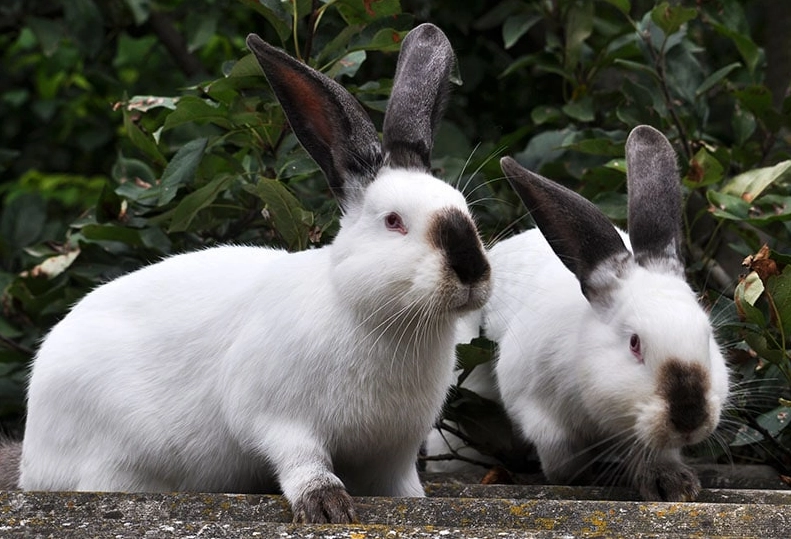
Your Rabbit Questions Answered
Is it good or bad to have rabbits in my California backyard?
It depends. A native desert cottontail visiting your garden is a normal part of the ecosystem. They'll nibble on some plants, but that's wildlife. The problem starts if you have a persistent group causing significant damage or if they are clearly domestic breeds. For natives, the best approach is habitat modification—remove dense brush piles right against your house to discourage burrowing and use protective cages on prized vegetable plants. For domestic rabbits, you need to find the owner or contact a rescue.
What's the biggest mistake people make identifying California rabbits?
Calling every single one a "cottontail." In brushy coastal areas, it's more likely a Brush Rabbit. In wide-open spaces, that large, fast animal is a Black-tailed Jackrabbit, a hare. Taking a moment to note the habitat and the animal's proportions (long legs/ears vs. compact body) gets you the right ID 90% of the time.
 Are any California rabbits dangerous or carry diseases I should worry about?
Rabbits themselves aren't aggressive. The primary disease concern is tularemia, a bacterial infection that can be transmitted by ticks or handling sick animals. It's rare in California but present. Always avoid touching any wild rabbit, especially one that seems lethargic or unafraid. For your pets, the critical thing is vaccination against Rabbit Hemorrhagic Disease Virus 2 (RHDV2), a highly contagious and fatal virus that has been confirmed in wild and domestic populations in several western states. Consult your vet.
I found a baby rabbit alone. Should I rescue it?
Almost certainly not. Mother rabbits leave their kits hidden in shallow nests for most of the day to avoid attracting predators. A lone baby is almost never orphaned. If the nest is undisturbed and the babies are warm, leave them be. Only intervene if the baby is visibly injured, covered in flies, or the nest has been destroyed (e.g., by a lawnmower). In that case, contact a licensed wildlife rehabilitator immediately—not a generic pet vet. The California Department of Fish and Wildlife website has a directory.
What's the best resource for tracking rabbit species distribution in California?
For scientific-grade data, the iNaturalist website and app are unbeatable. You can search observations by species and location to see exactly where people are documenting, say, Pygmy Rabbits in Modoc County. For authoritative information on regulations and native species profiles, the California Department of Fish and Wildlife website is the official source.
Comment