If you're asking "What breed is a Californian rabbit?", you've hit on one of the most interesting questions in the rabbit world. The answer isn't as straightforward as you might hope. Most people see the distinctive white body with dark points (ears, nose, feet, and tail) and assume it's a pure, ancient breed like the Dutch or the Flemish Giant. But here's the truth that many pet sites gloss over: the Californian isn't a "natural" breed at all. It's a meticulously engineered hybrid, created for one primary purpose—to be an exceptional source of meat. Understanding this fundamental fact changes how you view their care, temperament, and suitability for your home.
I've raised rabbits for over a decade, and I still remember my surprise when I first learned this. I had a beautiful Californian doe, and I kept looking for her "breed standard" quirks, only to realize her behavior was less about heritage and more about design. This guide will cut through the myths and give you the complete picture, whether you're a homesteader looking for efficient livestock or a pet owner charmed by their looks.
Your Quick Guide to the Californian Rabbit
Origin and True Purpose: A Man-Made Marvel
Let's settle this first. The Californian rabbit was developed in the early 1920s by a man named George S. West in Lynwood, California. His goal wasn't to create a show-stopping pet; it was to build a better meat rabbit. He crossed Himalayan rabbits (for their unique point coloration and good body type) with New Zealand Whites (for their fast growth rate and solid, muscular build). Later, Chinchilla rabbit genetics were also introduced to improve the fur quality.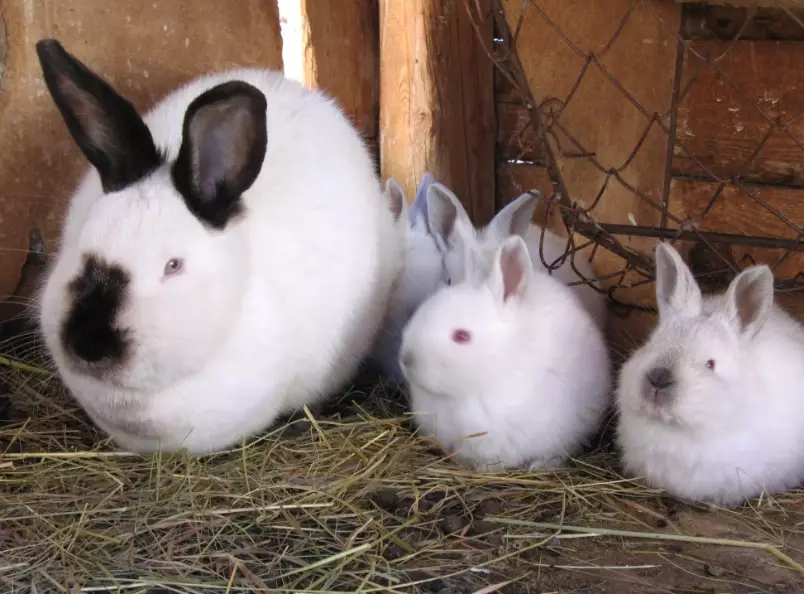
The result was officially recognized by the American Rabbit Breeders Association (ARBA) in 1939. This history is crucial because it explains everything about the Californian. They were bred for feed conversion efficiency (gaining maximum weight on minimal feed), a docile temperament (easier to handle in a farming setting), and a consistent, marketable carcass. Every trait was selected with utility in mind. When you look at a Californian, you're looking at a masterpiece of practical animal husbandry, not an accident of nature.
Spotting a True Californian: Key Characteristics
Beyond the classic "pointed" pattern, there are specific traits that define a well-bred Californian. Pet stores often mislabel any white rabbit with dark points, but a true Californian has a distinct build.
| Characteristic | Description | Why It Matters |
|---|---|---|
| Body Type | Commercial or mandolin shape. Full, rounded hindquarters, deep shoulders, and a firm, meaty back. It should look solid and well-muscled, not rangy or compact. | This is the "meat machine" physique. It indicates good breeding for purpose. A poorly bred one might look slender or have a pinched rear. |
| Weight | Adults ideally weigh between 8 to 10.5 pounds (3.6 - 4.8 kg). Bucks are slightly smaller. | The perfect size for a fryer or roaster. It's a target weight achieved quickly. |
| Coat & Color | Pure white body with distinct, dark points (black, blue, chocolate, or lilac). The points should be as dark and even as possible. The fur is a dense, rollback fur of medium length. | The white pelt is highly valued in the fur trade. The points are a hallmark of the Himalayan genetics. Density protects from weather. |
| Eyes | Vivid pink. No other eye color is acceptable in the breed standard. | Albinism from the New Zealand White ancestry. It's a key identifier. |
| Temperament | Typically calm, docile, and tolerant. Not known for being overly skittish or aggressive. | Bred for easy handling. Makes them good for beginners in both farming and pet contexts, though individuals vary. |
A Quick Note on "Rex Californians" or "Mini Californians"
You might see these terms online. Officially, they don't exist. The ARBA breed standard is for the standard-sized, medium-furred rabbit described above. "Rex" refers to a specific plush fur mutation, and "Mini" would be a dwarf variant. These are either crosses or marketing terms from pet breeders. There's nothing wrong with a mixed-breed rabbit, but it won't have the predictable growth and traits of a purebred Californian.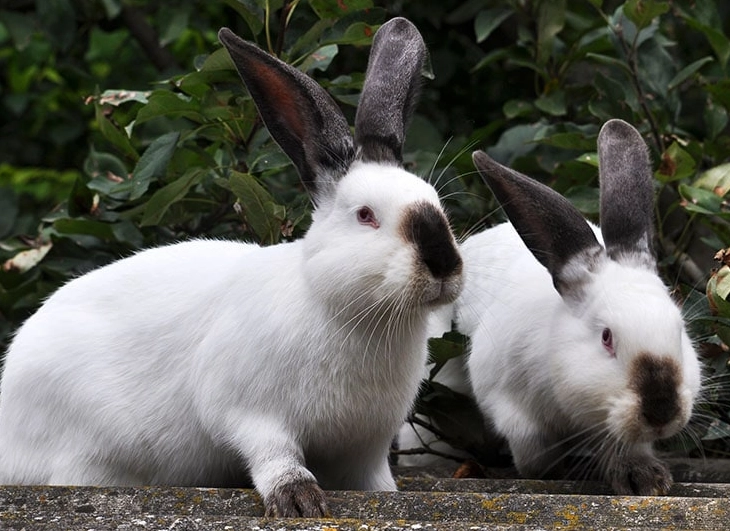
Why They're the Gold Standard for Meat Production
If you're researching for a homestead, this is the section for you. Among meat rabbit breeds like the New Zealand and the Silver Fox, the Californian consistently ranks at the top. Here's why, based on my own experience and industry data:
Unbeatable Growth Rate and Feed Conversion
Californian kits grow at an astonishing pace. They can reach a 5-pound market weight in as little as 8-10 weeks with proper nutrition. Their genetics are fine-tuned to turn alfalfa pellets and hay into lean muscle, not fat. I've tracked feed costs, and Californians consistently came out ahead of other breeds I've tried, like the slower-maturing Champagne d'Argent.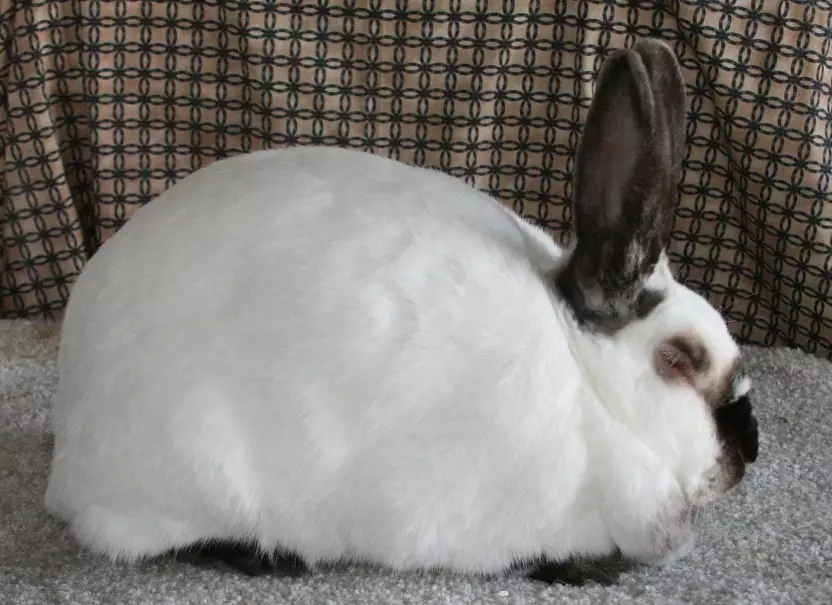
The Dressing Percentage Winner
This is the meat farmer's key metric: the percentage of live weight that becomes usable carcass. A good dressing percentage is 55-65%. Californians, with their heavy muscling and light bone structure, regularly hit the upper end of that range. Their meat-to-bone ratio is excellent, meaning less waste. You get more meat per rabbit, which directly impacts your bottom line or your freezer yield.
Docility in the Hutch
This is a practical, often overlooked advantage. A flighty rabbit is hard to handle, stresses easily (affecting meat quality), and can injure itself. Californians, by design, are generally placid. This makes routine health checks, breeding, and processing days far less chaotic. For a beginner homesteader, this temperament is worth its weight in gold.
The Californian as a Pet: Temperament and Reality
So, can this meat-bred rabbit be a good pet? Absolutely, but with managed expectations. They are not typically the hyper-playful, mischievous type like a Netherlands Dwarf. Their energy is more subdued.
The pros: Their calm nature makes them great "lap rabbits" once bonded. They are often tolerant of gentle handling, which is good for families with calm, supervised children. Their size is substantial but not unmanageable like a Flemish Giant.
The cons (the honest bit): They were not selected for curiosity or interactive play. Some can be downright lazy. I've had Californians that would much rather sprawl out and watch the world go by than investigate a new toy. You need to be the initiator of interaction. Also, that fast metabolism and large size mean they eat more and produce more waste than a smaller pet breed.
If you want a rabbit that will learn tricks, agility, or be constantly on the move, a Californian might disappoint. If you want a gentle, serene companion to share your space, they can be perfect.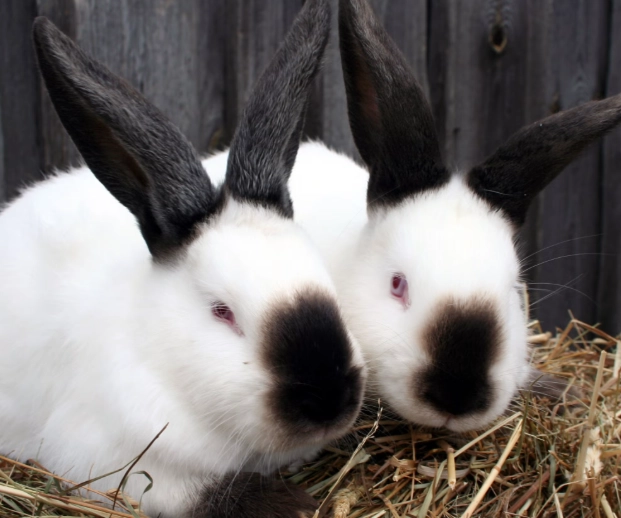
Essential Care Considerations for Californians
Their engineered genetics come with specific care needs. Treating them like any other rabbit is a mistake.
Diet: Fueling the Engine
That efficient metabolism needs high-quality fuel. An unlimited supply of grass hay (Timothy, Orchard) is non-negotiable for fiber. For pellets, a formula with 16-18% protein is ideal for adults to support their muscle mass without causing obesity. Kits and pregnant/nursing does need higher protein (18-20%). Vegetables are important, but introduce them slowly. Their systems are tuned for consistent, high-energy input.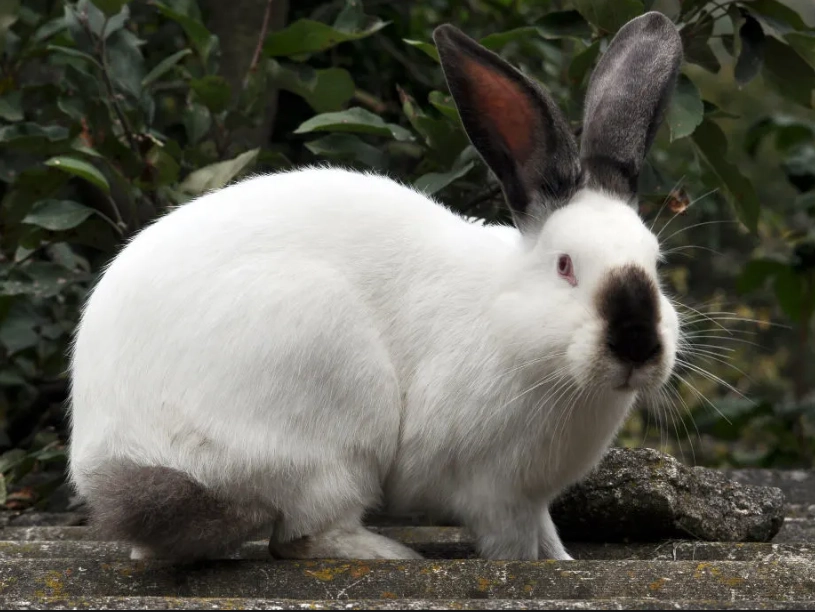
Housing: Space for a Substantial Body
A standard pet store cage is torture. They need a large exercise pen or a custom-built hutch that allows them to fully stretch out and take at least three full hops in any direction. Solid flooring is better than wire to prevent sore hocks (a common issue in heavy breeds). They need space to move to maintain muscle tone and prevent joint issues.
Health Watch: Know Their Weak Points
Heat Sensitivity: Those dark points absorb heat. They are more prone to heatstroke than all-white rabbits. Always provide shade, frozen water bottles, and ceramic tiles to lie on in summer.
Weight Management: It's easy for a sedentary pet Californian to become overweight, stressing their heart and joints. Monitor their pellet intake closely.
Genetic Diversity: As a purpose-bred hybrid, some lines can have hidden issues if breeders aren't careful. Reputable breeders who prioritize health over just size are key. The American Rabbit Breeders Association maintains a list of breeders.
Your Californian Rabbit Questions Answered
So, what breed is a Californian rabbit? It's a testament to human ingenuity in agriculture—a hybrid designed to excel at a specific job. Whether that job is filling your freezer or being a gentle giant on your living room rug, understanding its true nature is the first step to providing it with a good life. They are not a mysterious ancient breed, but a predictable, reliable product of selective breeding. And that knowledge empowers you to make the right choice and give them the care they were built for.
Comment