If you're looking at a fluffy New Zealand rabbit kit and wondering, "How big will this little guy actually get?" – you're asking the right question. New Zealand rabbits are known for their substantial size, and underestimating it is one of the biggest mistakes new owners make. I've seen people bring home a cute bunny only to realize six months later their cage is more like a shoebox. So, let's cut to the chase: a full-grown New Zealand rabbit is a large, muscular breed, typically weighing between 9 to 12 pounds (4 to 5.5 kg), with some, particularly bucks (males), pushing toward 14 pounds. Their body length can easily reach 17 to 20 inches (43 to 51 cm) not including their tail.
What's Inside This Guide?
What is the Average Size of a New Zealand Rabbit?
Think of a standard house cat. Now think of a particularly robust, well-fed house cat. That's the general physique of an adult New Zealand rabbit. They were originally developed for meat and fur, which explains their solid, semi-arch body type – broad in the shoulders and hindquarters with a well-rounded midsection.
But here's the thing – those numbers don't tell the whole story. Size can vary slightly between the different color varieties recognized by the American Rabbit Breeders Association (ARBA). While all are the same breed, subtle differences exist.
| Color Variety | Average Weight (Does - Females) | Average Weight (Bucks - Males) | Notes |
|---|---|---|---|
| New Zealand White | 10 - 12 lbs (4.5 - 5.4 kg) | 9 - 11 lbs (4.1 - 5 kg) | The most common variety. Often used in research and commercial settings, bred for consistent size. |
| New Zealand Red | 9 - 11 lbs (4.1 - 5 kg) | 8 - 10 lbs (3.6 - 4.5 kg) | Sometimes slightly more slender in build compared to the Whites, but still a large rabbit. |
| New Zealand Black | 10 - 12 lbs (4.5 - 5.4 kg) | 9 - 11 lbs (4.1 - 5 kg) | Similar in build to the White variety. |
| New Zealand Blue | 9 - 12 lbs (4.1 - 5.4 kg) | 8 - 11 lbs (3.6 - 5 kg) | A rarer variety, size standards align closely with the others. |
Does (females) are frequently heavier than bucks. That's not fat – it's a biological norm. A doe needs that extra frame for potential motherhood. I've had a Red doe who was a serene, 11-pound loaf of a rabbit, while her brother was a lanky, 9-pound explorer.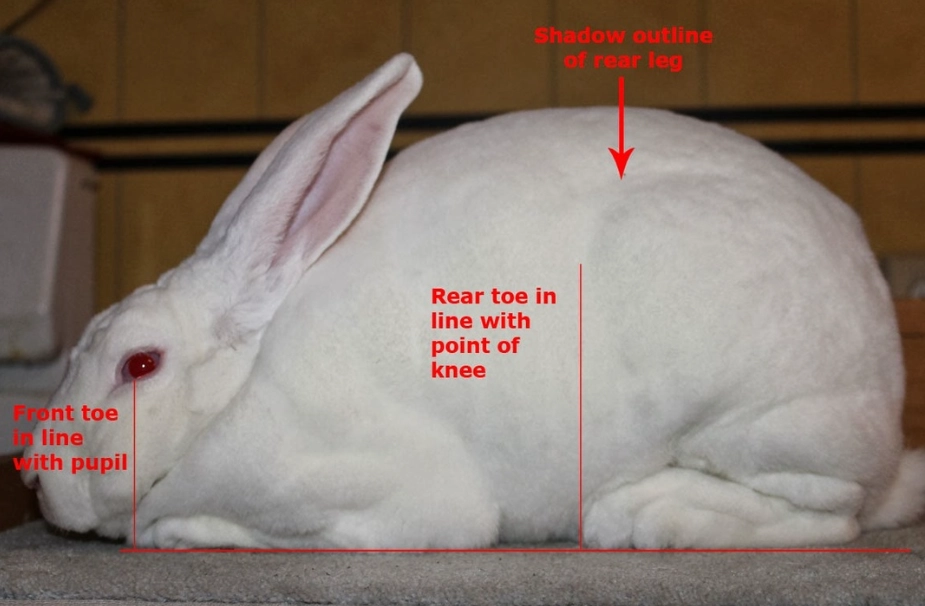
How to Measure Your New Zealand Rabbit Correctly
"Big" is subjective. Let's get objective. You need two measurements: weight and body length.
Weight: Use a digital kitchen scale. For a wiggly rabbit, place a bowl or box on the scale, tare it to zero, then gently place your bunny inside. Treats help. Record the number in pounds and kilograms. Track it.
Body Length (Nose to Tail Base): This is trickier. Wait until your rabbit is stretched out relaxed. Use a soft tailor's tape measure. Start at the tip of the nose, go over the head, follow the spine's curve to the base of the tail. Don't pull the tape tight. This measurement matters most for cage and carrier sizing. A 20-inch rabbit cannot comfortably turn around in a 24-inch cage, despite what the marketing says.
Factors That Influence a Rabbit's Final Size
Why does one New Zealand top out at 9 pounds and another at 13? It's not random. Genetics are the blueprint, but the contractor (your care) matters immensely.
Diet and Nutrition: The Biggest Lever You Control
This is where I see the most confusion. People think "big breed" means "feed more." That's a direct path to an obese, unhealthy rabbit with a shortened lifespan. A New Zealand's size should come from frame and muscle, not fat.
- Unlimited Grass Hay (Timothy, Orchard, Meadow): This is 80-90% of their diet. It provides necessary fiber for gut health and wears down teeth without excessive calories.
- Limited Pellets: For an adult New Zealand, I recommend 1/4 to 1/2 cup of plain timothy-based pellets per day, split into two feedings. High-protein alfalfa pellets will make a young rabbit grow fast, but can lead to obesity and urinary issues in adults.
- Fresh Greens: A packed cup of dark leafy greens (romaine, cilantro, kale) daily per 4 lbs of body weight. This adds nutrients and variety.
A poorly fed kit may not reach its genetic potential for size. An overfed adult will surpass it in all the wrong ways.
Genetics and Lineage
Was your rabbit from a show breeder focusing on ARBA standard perfection, or a pet breeder? Show lines might be selected for that ideal 10-12 pound range. "Pet-quality" rabbits from mixed backgrounds can vary more. You can't change this, but knowing it sets realistic expectations.
Spaying/Neutering
This does affect size, slightly. Altered rabbits often have a slower metabolism and can be prone to weight gain if their diet isn't adjusted. It's not that they grow bigger bones, but they may carry more fat. Post-surgery, reduce pellets by about 20% and monitor weight monthly.
Early Life and Health
A kit that was weaned too early, had an illness, or faced nutritional deficits might be stunted. Once they pass adolescence (around 9 months for New Zealands), you can't make them grow bigger to "catch up." You can only ensure they are a healthy weight for their frame.
Space and Care Needs for a Large Breed Rabbit
Here's the practical consequence of their size. That "large rabbit cage" from the pet store? It's almost always too small. Housing is my number one pain point with new large-breed owners.
Minimum Enclosure Size: The rule of thumb is at least 4 times the rabbit's stretched-out length. For a 20-inch New Zealand, that's an 80-inch (6.6 feet) perimeter. A common and good minimum is an exercise pen (x-pen) measuring at least 4ft x 4ft (1.2m x 1.2m). This is for their primary living space, not including time for free-roaming exercise.
My Setup Recommendation: I use a large dog exercise pen (42 inches high) configured in an 8ft x 4ft rectangle on a washable mat. Inside, I have a large litter box, a hay rack, a heavy ceramic food bowl, and a hidey-house big enough for them to sprawl in. The cage is their bedroom; they get 4+ hours daily in a fully rabbit-proofed room.
Other Size-Considerations:
- Litter Box: Get a large cat-sized box. A small corner litter tray is a joke to a New Zealand.
- Carrier: For vet visits, you need a hard-sided dog/cat carrier labeled for pets 20-30 lbs. A small carrier is stressful and unsafe.
- Toys & Enrichment: They need sturdy toys. Flimsy plastic balls are destroyed in seconds. Think untreated wood blocks, cardboard castles, and tunnels wide enough for them to run through without crouching.
Their size also makes them generally calmer and more tolerant than smaller, nervier breeds. They can be fantastic family pets for gentle, older children because they are less fragile and less likely to squirm and jump from great heights. But their strength is real – a startled 12-pound rabbit can scratch deeply.
Your Questions on New Zealand Rabbit Size, Answered
Is a New Zealand rabbit too big for a child to handle?
It depends more on the child's age and maturity than the rabbit's size. A young child should never carry any rabbit unsupervised. A New Zealand's weight and strength mean they can be awkward for a small child to lift safely. However, their calm demeanor often makes them better for interacting with on the floor. Teach the child to sit and let the rabbit come to them. The supervision is non-negotiable.
Do New Zealand rabbits keep growing their whole lives?
No. They reach skeletal maturity by about 10-14 months. After that, any significant weight change is almost always fat or muscle, not growth. An adult rabbit gaining weight is a health concern, not a sign they're "still growing." I've met owners who thought their 3-year-old, 15-pound rabbit was just "big-boned," when it was actually obese and at risk for arthritis.
How can I tell if my New Zealand is overweight?
Use the "rib test." Run your hands along their sides. You should be able to feel their ribs with a slight fat covering, like the back of your hand. If you have to press hard to feel ribs, they're overweight. Also, look from above; there should be a visible waist behind the ribs. From the side, the belly should tuck up. A fat rabbit has a rounded, bulging belly and no defined waist. Consult your vet for a target weight.
Are New Zealands the biggest rabbit breed?
Not even close. They are a large, standard breed. True giant breeds like the Flemish Giant, Continental Giant, and French Lop regularly reach 15+ pounds, with some exceeding 20. New Zealands are more manageable than giants but still require significantly more space and resources than a 4-pound Netherland Dwarf.
Does their large size mean they have more health problems?
They can be prone to issues common in large breeds. Sore hocks (pododermatitis) are a risk if they are on hard surfaces, due to their weight. Arthritis can develop earlier if they are overweight. Their size doesn't inherently cause more dental or GI issues, but obesity exacerbates all health problems. The key is proactive, weight-conscious care from the start.
So, how big will a New Zealand rabbit get? Plan for a robust, 10-pound companion that needs a dog's worth of space and a thoughtful diet. Their size is part of their charm – a substantial, gentle presence in your home. Respect it, plan for it, and you'll have a happy, healthy giant bunny friend for years to come. Don't get caught off guard by that tiny kit in the pet store window; look ahead to the magnificent, full-sized rabbit they are destined to become.
Comment