The short answer is yes, you can keep a European rabbit (Oryctolagus cuniculus) as a pet. But the real question you should be asking is, should you? This isn't about getting a cute, fluffy animal. It's about committing to a complex, intelligent, and demanding creature whose wild instincts are just beneath the surface. I've kept rabbits for over a decade, and the European rabbit—the ancestor of all domestic breeds—presents a unique set of challenges that many pet guides gloss over. Let's cut through the fluff.
What You'll Find in This Guide
The Legal Stuff You Can't Ignore
Before you even look at a rabbit, check your local laws. This is the most common and costly oversight.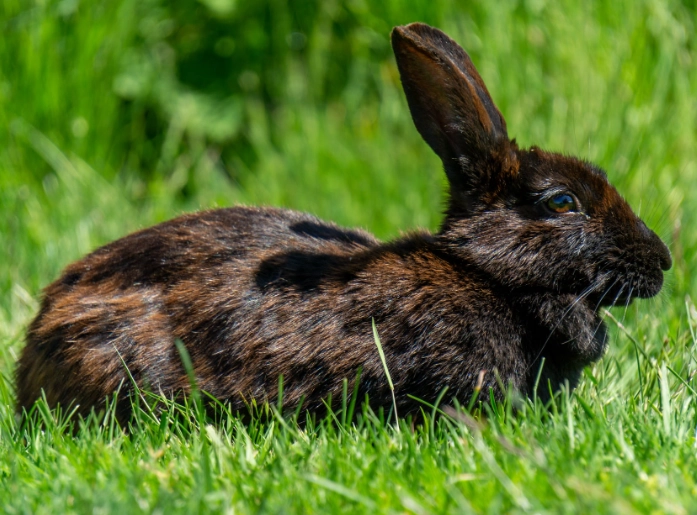
In many places, the European rabbit is classified as an agricultural pest or invasive species. In parts of Australia, for example, keeping them is flat-out illegal without specific permits, due to their devastating environmental impact. Even in places where they are legal, there may be strict containment regulations to prevent escape and establishment of wild populations.
Assuming it's legal where you are, the ethical consideration kicks in. You're keeping a wild species. Their needs are fundamentally different from a domesticated Netherland Dwarf or Lionhead, bred over centuries for companionship.
Housing Your European Rabbit Properly
Forget the tiny, store-bought hutch. That's a prison for an animal built to run and dig. A European rabbit needs space—a lot of it.
Indoors vs. Outdoors: The Great Debate
Outdoor housing is risky. They are prey animals and can die of sheer fright from predators nearby, even if physically safe. Weather extremes are also a killer. If outdoors is the only option, you need a fortress: a fully enclosed, weatherproof shed attached to a secure, roofed run with a wire floor or deep dig-proof base. We're talking 4x2 meters minimum for the run area.
Indoors is safer, but presents its own challenges. They are crepuscular (most active at dawn and dusk) and can be noisy diggers and chewers at night.
The Space They Actually Need
The House Rabbit Society recommends a minimum of 2.5 square meters of enclosed space per rabbit, with additional time for exercise. For a European rabbit, I'd bump that up. They are larger and more energetic than many domestic breeds. Aim for a dedicated room or a very large puppy pen (think 4 square meters) as a base camp, with daily supervised free-roam time.
Here’s a quick reality check comparing needs:
| Aspect | Common Misconception | Reality for a European Rabbit |
|---|---|---|
| Living Space | A standard rabbit hutch is enough. | Requires a large, secure pen or a rabbit-proofed room. Think small dog, not hamster. |
| Exercise | Letting them hop around the garden occasionally. | Needs several hours daily of vigorous running, jumping, and digging opportunities. |
| Lifespan | 3-5 years like a wild rabbit. | With excellent care, 8-12 years in captivity. It's a long-term commitment. |
Rabbit-Proofing: Your Home is Their Chew Toy
This is the biggest practical headache. Their teeth grow continuously, and chewing is a natural, non-negotiable behavior. Baseboards, chair legs, phone chargers, and carpet corners are all fair game. I lost a laptop charger and a corner of my vintage rug before I learned.
You must provide a constant supply of safe chewables (applewood sticks, willow balls, cardboard tunnels) and physically block access to anything valuable or dangerous. Use cord protectors, furniture guards, and be prepared for some aesthetic sacrifices.
Diet: The Foundation of Health
Their digestive system is a finely tuned fermentation chamber. Get the diet wrong, and you'll face serious, expensive health issues.
The 80-15-5 Rule (A Guideline, Not Gospel):
- 80% Grass Hay: Timothy hay, orchard grass, meadow hay. Unlimited, 24/7 access. This is not optional. It wears down teeth and keeps the gut moving. Alfalfa hay is too rich for adult rabbits.
- 15% Fresh Leafy Greens: A packed cup per 2kg of body weight daily. Romaine, kale, cilantro, spring greens, dandelion greens (unsprayed). Introduce new greens slowly to avoid gas.
- 5% High-Fiber Pellets: A very limited amount (maybe 1/8 cup for a standard-sized rabbit) of plain, high-fiber pellets (18%+ fiber). No colorful muesli mixes—they lead to selective eating and dental disease.
Fruits and carrots are high-sugar treats, given in thumbnail-sized pieces once or twice a week at most. The classic "rabbit eating a carrot" image is like a human eating a candy bar for dinner.
Fresh water must always be available, in both a heavy bowl and a bottle. Bowls are better for encouraging hydration.
Health and Veterinary Care
European rabbits are hardy, but they hide illness brilliantly—a prey animal survival tactic. You need to be a detective.
Find an Exotics Vet Before You Get the Rabbit. Not all vets see rabbits, and even fewer are experienced with a wild species' potential issues. A check-up alone can cost $60-$100. Emergencies or surgeries run into the hundreds or thousands.
Common issues to watch for:
- GI Stasis: The gut slows or stops. Lethargy, small or no poops, loss of appetite. This is an emergency requiring immediate vet care.
- Dental Disease: Overgrown teeth from inadequate hay chewing. Signs include drooling, dropping food, and weight loss.
- Parasites: They can carry external parasites more commonly than domestic breeds. Regular checks are needed.
Consider pet insurance. Companies like Nationwide (in the US) offer plans for rabbits. It can be a financial lifesaver.
Understanding Their Wild Behavior
You're not getting a cuddly lap cat. European rabbits are often more aloof and skittish than domesticated breeds. Bonding takes immense patience.
They communicate through subtle body language. Thumping is an alarm. Circling your feet can be courtship or a demand for food. Ignoring you is often a sign of contentment, not sadness.
They need mental stimulation. Food puzzles, digging boxes filled with child-safe sand or shredded paper, tunnels, and platforms to jump on are essential. A bored rabbit is a destructive rabbit.
They are social, but pairing them is tricky. The best pair is a neutered male and a spayed female. Introductions must be done slowly on neutral territory. Expect some chasing and fur-pulling—it's normal. Resources like the House Rabbit Society have excellent bonding guides.
Your Questions, Answered Honestly
So, can you keep a European rabbit? The capability is there. But it demands respect for their wild nature, a significant investment in time, space, and money, and a willingness to adapt your life to their needs, not the other way around. For the right person—someone fascinated by animal behavior, who values observation over constant cuddles, and has the resources—it can be an incredibly rewarding experience. For most people seeking a traditional pet, a domesticated rabbit breed is a far more suitable choice. Look past the cute face, and see the animal for what it truly is.
Comment