If you're picturing a cute, fluffy bunny that fits in your palm, think again. European rabbits (Oryctolagus cuniculus) vary wildly in size, and getting it wrong can lead to big problems for pet owners or wildlife observers. On average, an adult European rabbit measures about 34 to 50 cm in body length, with a weight ranging from 1.1 to 2.5 kg. But that's just the start—let's dive into the details that most guides miss.
Jump to What Matters
What's the Real Average Size of a European Rabbit?
I've seen so many websites throw out numbers without context, and it drives me nuts. The truth is, European rabbit size depends heavily on whether you're talking wild or domestic breeds. Wild ones tend to be smaller, but domestication has led to some hefty variants.
Body Length and Weight: The Numbers That Matter
For wild European rabbits, body length (from nose to tail base) usually falls between 34 and 45 cm. Weight? Typically 1.1 to 1.8 kg. But domestic breeds derived from Europeans, like the Flemish Giant, can blow past 50 cm and 5 kg—yeah, that's not a typo. A study from the Mammal Society in the UK notes that regional variations exist; rabbits in warmer climates like Spain might be slightly smaller due to resource scarcity.
| Type | Average Body Length | Average Weight | Notes |
|---|---|---|---|
| Wild European Rabbit | 34-45 cm | 1.1-1.8 kg | Common in grasslands and farms |
| Domestic Pet (Standard) | 38-50 cm | 1.5-2.5 kg | Includes mixed breeds |
| Large Breeds (e.g., Flemish Giant) | 50+ cm | 4-5 kg+ | Require extra space and diet |
How They Stack Up Against Other Rabbits
Compared to American cottontails, European rabbits are generally stockier. Cottontails max out around 40 cm and 1.3 kg, so Europeans can be bigger. But dwarf breeds? Forget it—those are tiny. This isn't just trivia; if you're identifying rabbits in the wild, size clues can help distinguish invasive Europeans from natives.
What Actually Affects European Rabbit Size?
Genetics play a role, but I've raised rabbits for years, and the biggest factors are often overlooked. Let's break it down.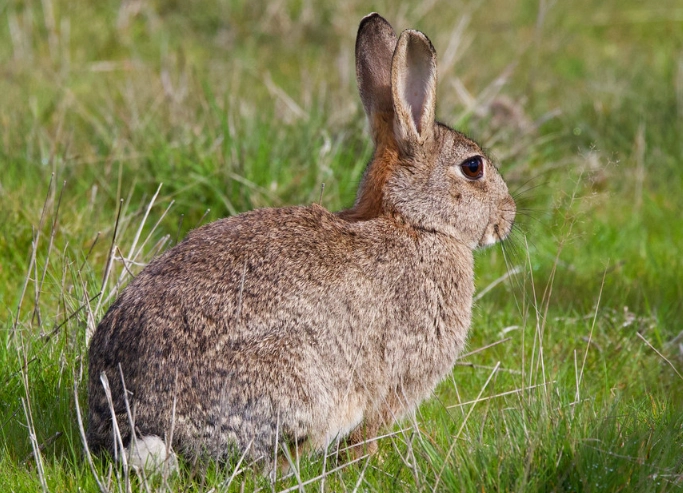
Genetics and Breed Variations: More Than Just DNA
Sure, breed matters. But even within litters, size differences can be stark. I once had two siblings from the same European rabbit lineage—one grew to 2 kg, the other stalled at 1.3 kg. Why? Subtle genetic expressions and early life stress. Research from the University of Cambridge suggests that epigenetic factors (how environment affects genes) can alter growth patterns significantly.
Diet and Nutrition: The Overhyped Myth
Everyone says "feed them well," but overfeeding pellets can lead to obesity without proper size gain. A balanced diet with hay, greens, and limited pellets is key. I've seen rabbits fed high-calorie diets become fat but not necessarily longer-boned. It's about quality, not just quantity. The British Rabbit Council emphasizes fibrous diets for healthy growth, but few owners follow this strictly.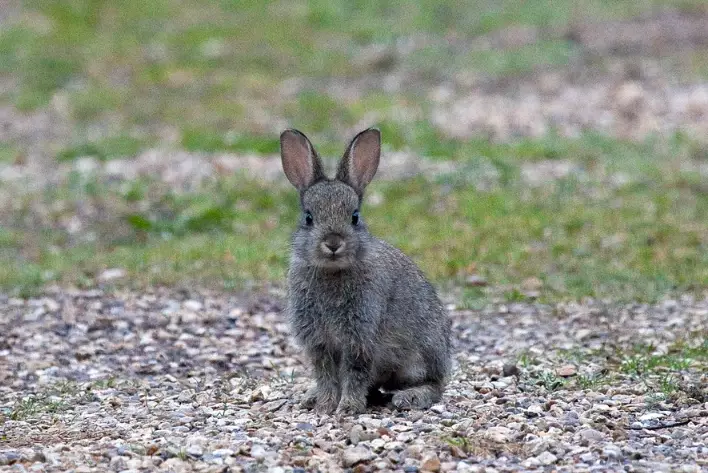
Environmental Influences: Space and Stress
Rabbits in cramped cages often show stunted growth. They need room to move for muscle development. In the wild, predation pressure can keep sizes smaller—it's a survival trade-off. A report by the European Wildlife Foundation indicates that rabbits in protected reserves tend to be larger due to reduced stress and better food access.
How to Measure Your Rabbit's Size Correctly (Without the Fuss)
Most people guess or use unreliable methods. Here's a simple way I've taught in rabbit care workshops. You'll need a soft tape measure and a calm rabbit—good luck with that last part.
First, measure body length from the tip of the nose to the base of the tail. Don't include the tail; that's a common mistake. Hold the rabbit gently on a flat surface. For weight, use a digital scale; place a box on it, zero it out, and put the rabbit inside. Do this monthly to track trends.
Why bother? Early detection of growth issues can signal health problems. I once caught a parasite infestation in a young rabbit because its weight plateaued despite good eating.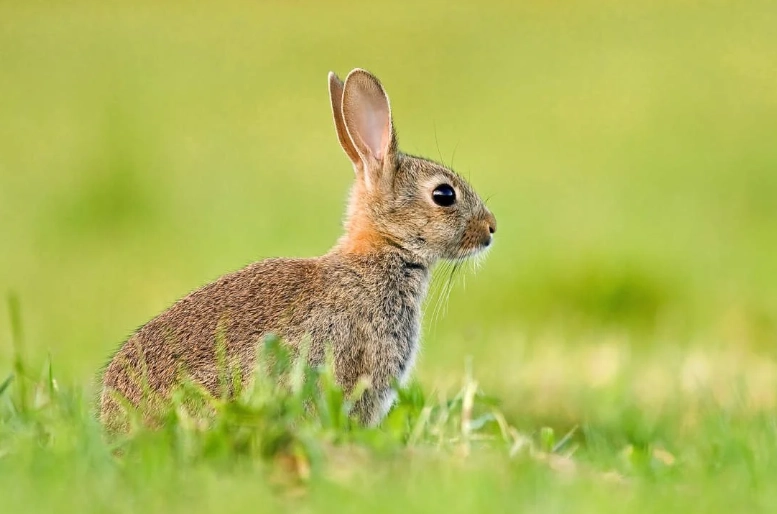
Common Size Myths Debunked
Let's clear up some nonsense I hear all the time.
Myth 1: Bigger rabbits are always healthier. Nope. Oversized domestic rabbits can suffer joint issues. I've seen Flemish Giants with arthritis by age 5 due to rapid growth.
Myth 2: Wild European rabbits are uniformly small. Actually, populations in fertile areas like France can reach up to 2 kg. It's not just about species; local conditions matter.
Myth 3: Size determines lifespan. Not directly. Care quality trumps size. A well-kept small rabbit can outlive a neglected large one.
Why Size Matters for Rabbit Care: The Practical Stuff
If you're a pet owner, size impacts everything from housing to vet bills. Let's get real.
For cage size, a common rule is at least four times the rabbit's length in floor space. So for a 40 cm rabbit, that's a 160 cm long cage—bigger than many store-bought ones. I recommend custom enclosures; they're worth the effort.
Diet adjustments? Larger rabbits need more hay but not necessarily more pellets. Monitor weight monthly; obesity is a silent killer. According to the House Rabbit Society, portion control is critical, yet most owners overfeed.
Health checks: Bigger rabbits might hide symptoms better. Regular vet visits are non-negotiable. I learned this the hard way when a seemingly healthy large rabbit developed GI stasis overnight.
Your Burning Questions Answered
Wrapping up, European rabbit size isn't a one-number game. It's a mix of genetics, environment, and care. Whether you're a pet owner or wildlife buff, paying attention to these details can make all the difference. Got more questions? Drop a comment—I love chatting rabbits.
Comment