Let's cut straight to it. The lifespan of a European rabbit (Oryctolagus cuniculus) isn't a single number. It's a story of two completely different worlds. In one, life is nasty, brutish, and short—often just a year or two. In the other, with the right knowledge, a rabbit can be a decade-long companion. That's the shocking gap between the wild rabbit lifespan and what's possible for a cared-for pet. If you've ever wondered why some bunnies seem to fade quickly while others thrive into their teens, you're asking the right question. This isn't just about genetics; it's about understanding the specific, often overlooked, pillars of rabbit care that directly dictate their life expectancy.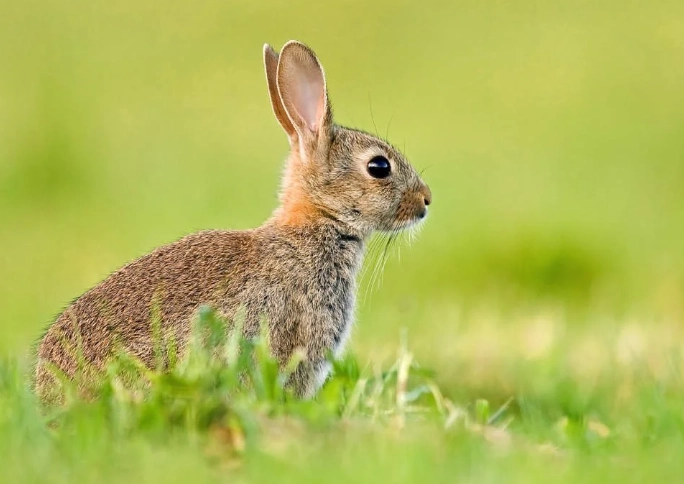
What You'll Discover
What Determines a Rabbit's Lifespan?
Forget the idea that "small pet equals short life." A rabbit's longevity is built on a few concrete, manageable foundations. Get these wrong, and you'll likely see the shorter end of the spectrum. Get them right, and you've got a good shot at a long-term friend.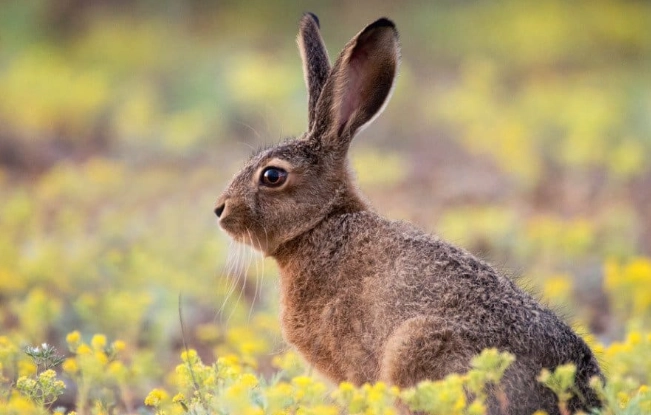
Diet is the non-negotiable foundation. An improper diet doesn't just cause a slow decline; it can lead to acute, fatal conditions like gastrointestinal stasis within days. The right diet is about constant, fibrous roughage—think unlimited grass hay—not bowls of commercial pellets.
Environment and housing are next. A rabbit in a small cage with a wire floor is under chronic stress, prone to sore hocks (painful ulcers on their feet), and lacks the movement essential for gut and mental health. They need space to run, jump, and explore daily.
Preventative veterinary care is where many well-meaning owners slip up. Rabbits are prey animals; they hide illness brilliantly. Waiting for obvious signs of sickness often means you're dealing with a critical emergency. Annual check-ups with a rabbit-savvy vet (not all small animal vets are equal here) are crucial for early detection of common issues like dental disease.
Then there's protection from predators and toxins, which applies even indoors (dogs, other pets, electrical cords). And finally, reproductive status. Unspayed female rabbits have an extremely high risk of uterine cancer after age 4. Spaying/neutering isn't just about population control; it's a direct longevity intervention.
Wild vs. Pet Rabbit Lifespan: A Stark Contrast
The numbers tell a brutal story. Studies of wild European rabbit populations, like those cited in the Journal of Animal Ecology, show a grim reality.
| Environment | Average Lifespan | Primary Threats & Notes |
|---|---|---|
| Wild European Rabbit | 1-2 years | Predation (foxes, birds of prey), disease (myxomatosis, RHD), starvation, road traffic, harsh weather. Mortality in the first year can exceed 90%. |
| Pet Rabbit (Basic Care) | 5-8 years | Often limited by diet-related issues (GI stasis), lack of vet care, inadequate housing, and loneliness. |
| Pet Rabbit (Informed, Optimal Care) | 8-12+ years | Achievable with species-appropriate diet, spacious housing, annual vet checks, spay/neuter, and companionship. |
That wild figure—1 to 2 years—isn't because wild rabbits are biologically programmed to die young. It's a constant gauntlet. A study tracking a wild population might find that only a tiny fraction of individuals make it past their first winter. Diseases like Rabbit Haemorrhagic Disease (RHD) can wipe out entire local populations in weeks.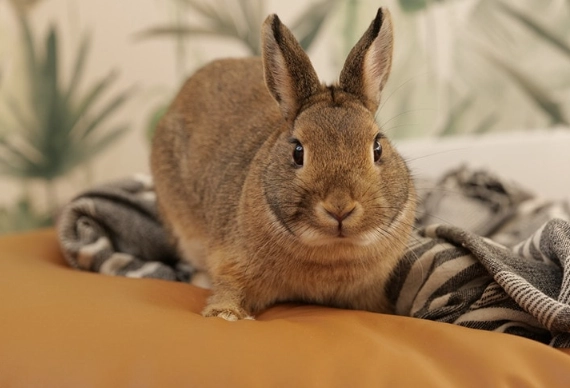
The Critical First Year
For a wild kit (baby rabbit), the first few months are everything. If they survive weaning and learn to forage and evade predators, their chances improve slightly, but never get easy. For a pet rabbit, the first year sets the physiological stage. This is when proper bone and dental development is cemented by a hay-based diet. It's also the ideal window for spaying/neutering, which prevents hormonal behaviors and future cancers.
I've seen the consequence of missing this window. A rabbit fed mainly on pellets and treats in year one often develops subtle dental misalignment. By age 3 or 4, they stop eating hay because it hurts, their teeth overgrow, and they're on a fast track to chronic health issues. You can't rewind that clock.
How to Help Your Rabbit Live a Long and Healthy Life
This is the actionable part. Extending your rabbit's life isn't mysterious; it's a series of clear, if sometimes demanding, choices.
The Longevity Checklist: Think of these as the non-negotiable bills you have to pay for a healthy rabbit. Skip them, and you're borrowing against their future.
1. Diet: Make Hay the Universe. About 80-90% of their daily intake should be grass hay (timothy, orchard, meadow). It wears down teeth, keeps the gut moving, and prevents obesity. Fresh greens are daily vitamins. Pellets? A tiny, measured supplement—a quarter cup for a standard-sized rabbit—not the main event. Fruits and carrots are sugary treats, not staples.
2. Housing: Think Room, Not Cage. The House Rabbit Society advocates for free-roaming in a rabbit-proofed room or a very large exercise pen (like an x-pen) as a minimum. They need space to do full-speed runs and binkies (joyful jumps). A cramped cage leads to muscle atrophy and depression.
3. Vet Care: Find an Expert and Go Annually. Don't wait. A rabbit-savvy vet will do a physical exam, check teeth, and discuss weight. They're your partner in prevention. Vaccinate against RHD variants common in your area—this is a literal lifesaver.
4. Spay/Neuter: It's a Health Procedure. For females, it virtually eliminates uterine cancer (risk >80% in unspayed does over 4). For males, it reduces spraying and aggression. It makes bonding with a companion rabbit possible, tackling loneliness.
5. Companionship: A Solo Rabbit is a Stressed Rabbit. Rabbits are social. A bonded pair or trio provides grooming, cuddling, and mental stimulation that humans can't fully replace. A lonely rabbit is more prone to stress-related illness.
6. Enrichment & Safety: Provide tunnels, cardboard castles, digging boxes, and safe toys. Rabbit-proof your home: hide wires, block off unsafe areas, remove toxic plants (lilies, philodendron).
Does Breed Affect Lifespan?
Generally, yes, but it's more about size and genetic diversity than the breed name itself. Giant breeds like Flemish Giants, while magnificent, often have shorter average lifespans (5-8 years) partly due to the sheer physical strain on their bodies, like a higher risk of heart issues. Smaller breeds like Netherland Dwarfs can be prone to specific genetic dental issues if poorly bred, but often live 8-12 years.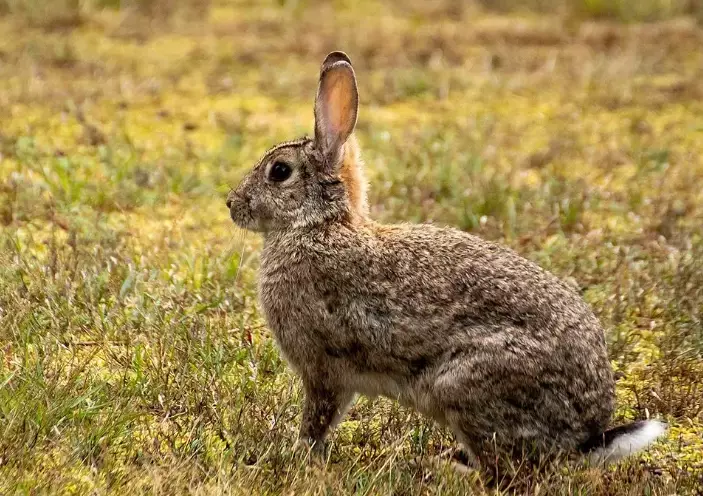
The real wild card is the mixed-breed or "rescue" rabbit. Often, the hybrid vigor from mixed genetics can lead to a robust, long-lived animal, sometimes outliving their purebred counterparts when given the same excellent care. I'd take a healthy mixed-breed any day; they've often avoided some of the extreme traits bred for show.
Common Myths That Shorten Rabbit Lives
These misconceptions are pervasive and dangerous.
Myth 1: "Rabbits are low-maintenance starter pets for kids." This might be the most damaging myth. Their delicate digestive systems, need for specialized vet care, and requirement for quiet, gentle handling make them complex pets. They often outlive a child's initial interest, leading to neglect.
Myth 2: "A rabbit is fine living alone in a hutch outdoors." Outdoor housing exposes them to temperature extremes, parasites, predators (who can cause fatal frights even if they don't get inside), and loneliness. It isolates them from family interaction, so illness goes unnoticed. The RSPCA strongly advises keeping rabbits as indoor companions.
Myth 3: "Pellets and lettuce are a good rabbit diet." Pellets alone cause obesity and dental disease. Iceberg lettuce has lactucarium, which can cause digestive upset, and is mostly water with little nutrition. It's a useless filler.
Spotting and Caring for the Senior Rabbit
Around age 6-7, your rabbit enters their senior years. The game changes from pure prevention to supportive management.
Watch for subtle signs: Less jumping onto favorite perches, sleeping more, slight weight loss or gain, a messier bottom (arthritis makes grooming hard), and changes in water consumption. These aren't just "old age"; they're clues.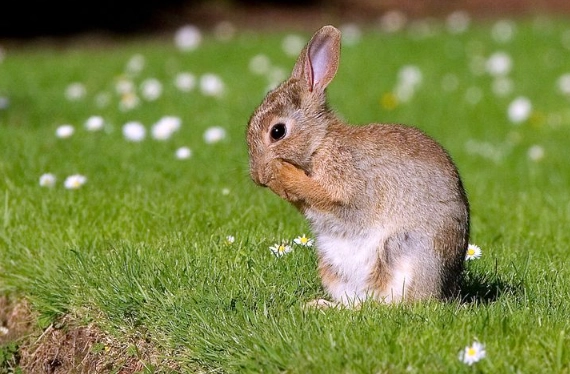
Senior adjustments: Provide lower-entry litter boxes. Add more soft bedding. Ramp access to favorite spots instead of jumps. Your vet might recommend more frequent check-ups (every 6 months) to monitor kidney function, arthritis, and dental wear. Their diet may need tweaking—softer hay types, maybe a senior pellet—but never abandon hay altogether.
The goal isn't immortality, but a full, comfortable life right to the end. I had a rabbit who lived to 11. Her last year was on daily pain meds for arthritis, but she still binkied on the soft rug and demanded her evening cilantro. That's the win.
Comment