You see a rabbit with fur so dark it seems to swallow the light, a creature of velvet shadows hopping in a field. Is it a wild omen, a fancy pet, or something else entirely? The term "European rabbit black" often pops up in searches, but it's not a single, official breed name you'll find in a rabbit show catalog. It's a description that points to a fascinating intersection of genetics, history, and modern pet care. Most people searching for this are trying to identify a rabbit they've seen or are curious about owning one. Let's clear up the confusion: we're usually talking about the common European rabbit (Oryctolagus cuniculus) expressing a solid black coat color, which can appear in many breeds and even in wild populations under the right genetic conditions.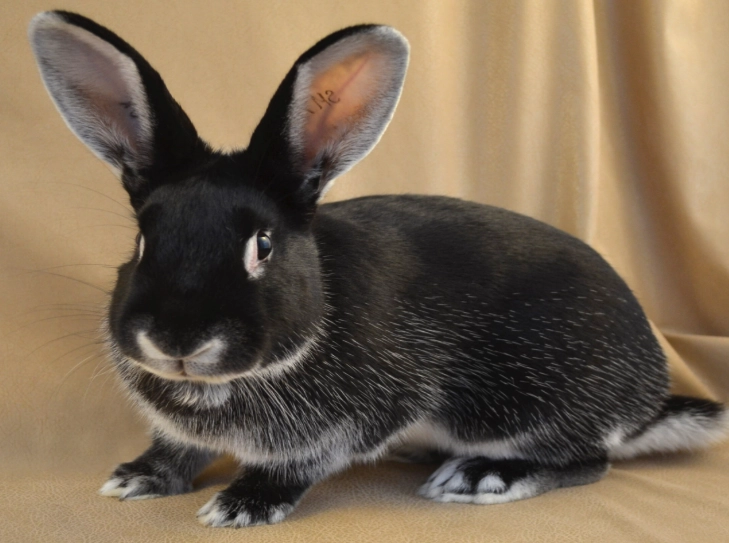
What You’ll Discover in This Guide
What Exactly is the European Black Rabbit?
First thing first, let's ditch the idea of it being a formal breed like a Netherland Dwarf or a Flemish Giant. Think of "European Black Rabbit" more as a phenotype—a visible trait. The European rabbit is the species from which all domestic rabbits (except cottontails) are descended. Within this species, a black coat is one of several possible color variations.
This black coloration can show up in:
- Wild Populations: Rare, but possible. It's a genetic mutation where the typical agouti (wild grey/brown) pattern is overridden by a dominant black gene.
- Domestic Breeds: Extremely common. Breeds like the Havana, the Polish, the Rex, and even mixed-breed rabbits can carry the genes for a solid, jet-black coat. If someone has a pet "European black rabbit," it's almost certainly a domestic rabbit of mixed or specific breed heritage.
Key Takeaway: When you're looking at care or buying advice, you're not looking for a mythical "European Black" breed. You're looking for information on domestic rabbit care, with specific notes on the needs of a rabbit with a black coat. The care fundamentals are the same for all pet rabbits, but black fur comes with a couple of unique quirks we'll get into.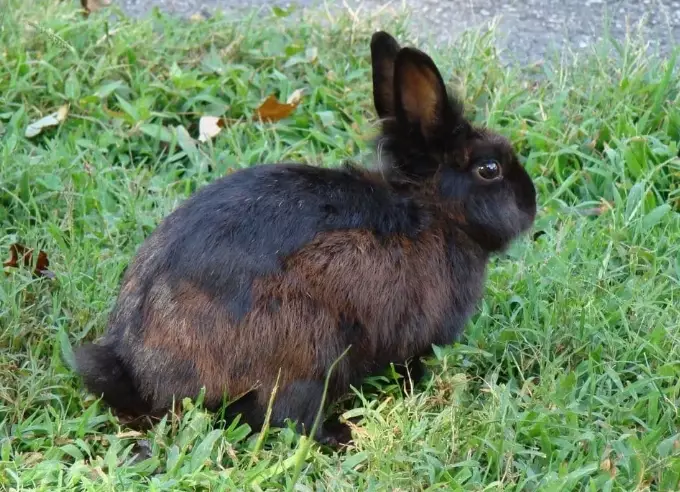
The Simple Genetics Behind the Black Coat
You don't need a biology degree to get this. Rabbit coat color is controlled by a series of genes. For a rabbit to be solid black, two main genes are in play:
- The B Gene (Color): This gene has two main versions. B produces black pigment. b produces brown (chocolate) pigment. A rabbit needs at least one B allele to have black-based color.
- The E Gene (Extension): This is the big one for a solid color. The E allele allows full, even extension of the dark pigment over the entire hair shaft. The recessive version, e, creates the agouti pattern (the banded hairs of wild rabbits). For a solid black, the rabbit needs a dominant E allele.
So, a genetically solid black rabbit typically has a combination like B_ E_ (the underscore means the other allele can be anything that doesn't change the outcome).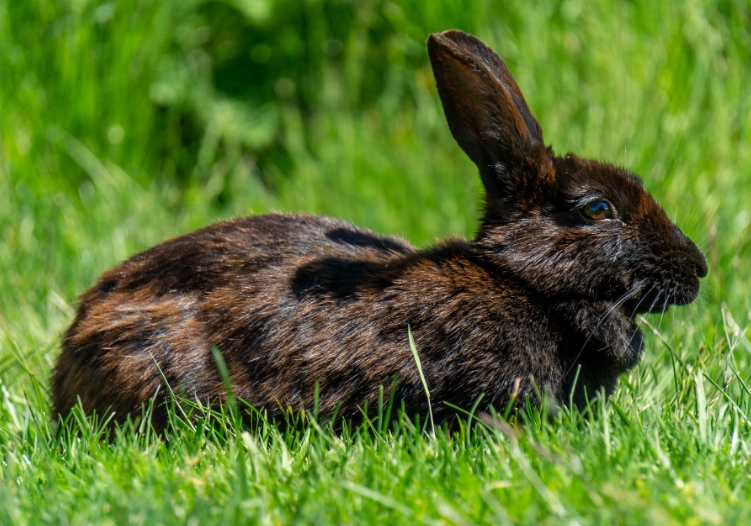
Here's where a common misconception trips people up. I've heard breeders say, "Black rabbits are hardier." There's no scientific link between coat color genes and overall health, immunity, or temperament. A black Rex and an agouti Rex from the same litter are genetically identical except for those color genes. Don't choose a rabbit based on color myths; choose based on health and personality.
How to Care for a European Black Rabbit
This is the meat of it. Caring for a black rabbit is 95% about caring for a rabbit, period. But that 5% specific to their dark coat matters. Let's break it down into actionable steps.
Housing and Environment: Think Big and Cool
All rabbits need space. The UK's Rabbit Welfare Association & Fund (RWAF) recommends a minimum living area of 3m x 2m x 1m high (10ft x 6ft x 3ft), which includes a secure shelter. For a black rabbit, ventilation and temperature control are slightly more critical.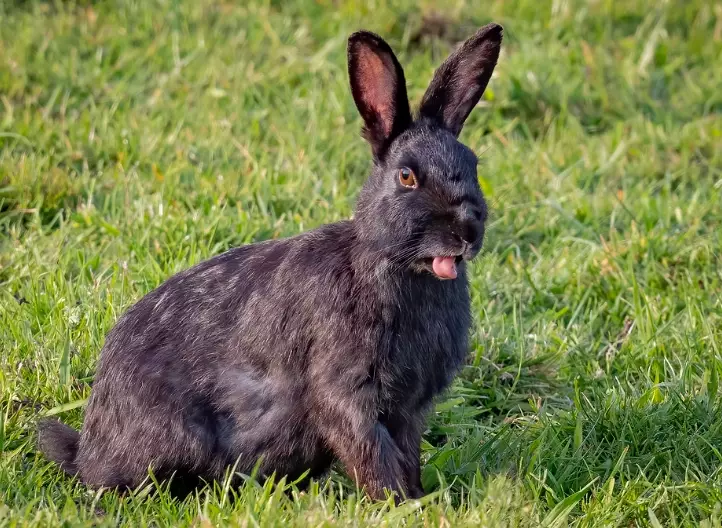
Dark colors absorb more heat. On a sunny day, a black rabbit in a poorly ventilated hutch is at higher risk of heatstroke. I learned this the hard way years ago with a black Polish named Inky. His pen was partly in the sun, and even on a mild 75°F (24°C) day, he was noticeably more lethargic than his grey companion until I moved him to full shade and added a fan.
Your setup checklist:
- Location: Permanent shade. No "part-day sun."
- Cooling: Ceramic tiles to lie on, frozen water bottles wrapped in towels, and a fan circulating air (not pointed directly at them).
- Indoor vs. Outdoor: Indoor living gives you ultimate climate control and is often safer. If outdoors, the hutch must be a fortress against predators and weather.
Diet and Nutrition: No Color-Based Changes
Their diet is standard rabbit. Unlimited grass hay (Timothy, Orchard, Meadow), a measured amount of high-quality pellets (about 1/4 cup per 5 lbs of body weight), and a daily salad of dark leafy greens. The black fur doesn't require special nutrients. However, a healthy diet promotes a healthy, shiny coat. A dull, brittle black coat can be a sign of nutritional deficiency.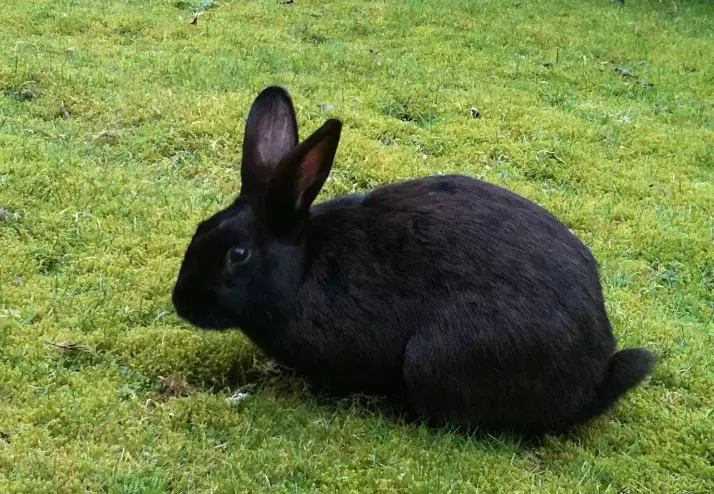
Grooming and Shedding: The High-Visibility Challenge
This is the main practical difference. Black fur shows everything.
- Shedding: When they molt, those fine black hairs are spectacularly visible on light-colored furniture, carpets, and clothes. You'll need to groom them more frequently during shedding seasons (spring and fall) with a slicker brush and a fur-minimizing tool like a "hairbuster."
- Dirt and Dander: Light dust or dander is more visible. It doesn't mean they're dirtier; you just see it. A weekly gentle brush helps.
- Skin Checks: The flip side? It's easier to spot certain parasites like fleas or mites against dark skin. Part the fur during grooming and look for moving specks or scabs.
Health Considerations: The Sunblock Question
The dense black pigment (melanin) does offer some natural protection against sunburn, which can be a concern for pink-skinned, white-furred rabbits. However, this is not a license for sun exposure. All rabbits should be kept out of direct, strong sunlight to prevent heatstroke. The risk of overheating far outweighs any minimal sunburn risk a black rabbit might have.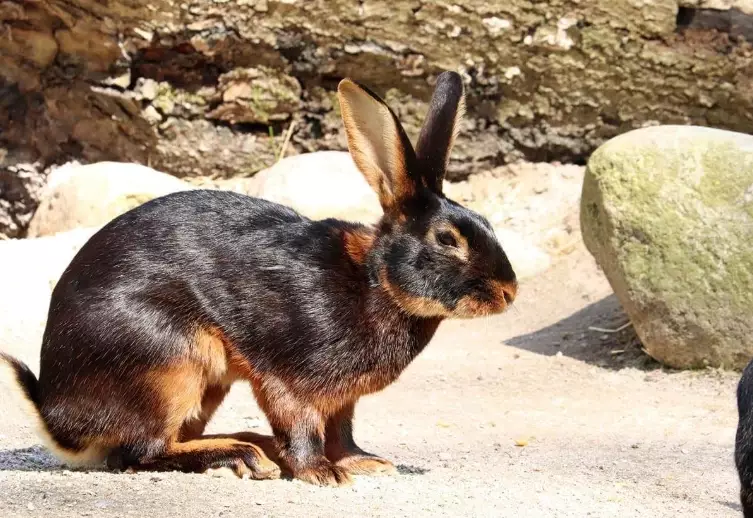
Common health issues—like GI stasis, dental problems, or respiratory infections—are not color-related. Regular vet check-ups with a rabbit-savvy veterinarian are non-negotiable.
| Care Aspect | For All Rabbits | Special Consideration for Black Rabbits |
|---|---|---|
| Housing Size | Minimum 10ft x 6ft x 3ft enclosed space. | Must be in constant shade. Prioritize ventilation. |
| Summer Cooling | Provide cool surfaces, fresh water. | More vigilant for heatstroke signs. Essential to have active cooling methods (fans, frozen bottles). |
| Grooming Frequency | Weekly brush, daily during heavy molts. | May need more frequent brushing during molt to control highly visible shed hair in your home. |
| Health Monitoring | Check eyes, nose, teeth, bottom weekly. | Parasites like fleas can be easier to spot against the skin when parting black fur. |
From Ancient Symbols to Modern Backyards
The black European rabbit has a cultural footprint. In some European folklore, a black rabbit crossing your path was considered bad luck, a trickster spirit. This likely stems from its rarity in the wild, making it an "unnatural" sight. Conversely, its domestic counterparts were often simply valued for their fur and meat, with black pelts being one of many useful variations.
The modern "pet" status of the black rabbit is a recent development. As rabbit fancy (competitive breeding) took off in the 19th and 20th centuries, solid colors like black became standardized and prized in specific breeds. The black Havana, for instance, was developed to have a rich, uniform black coat resembling dyed Havana cigars. Today, a well-groomed black rabbit is a stunning companion animal, its history as a symbol of luck or commodity largely forgotten by owners who see a playful, curious family member.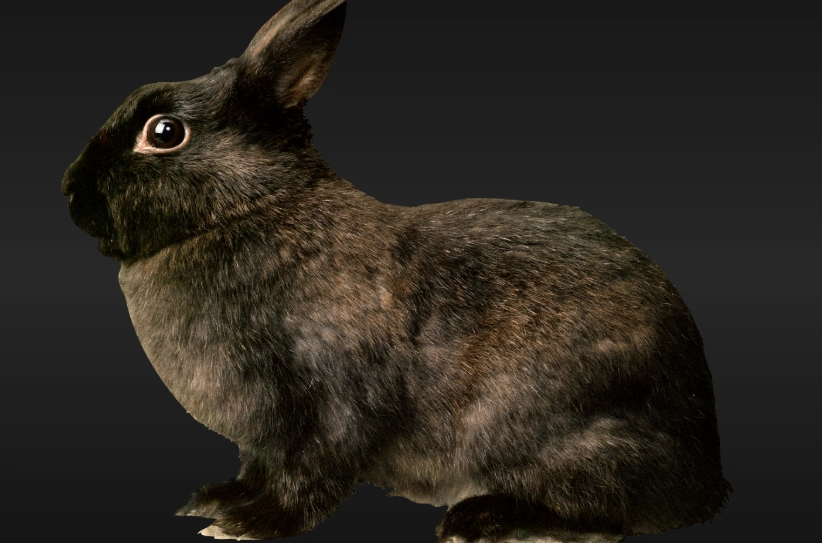
Your Black Rabbit Questions, Answered
I found a solid black rabbit in my yard. Is it wild or a lost pet?
It is almost certainly a lost or abandoned domestic pet. Truly wild European rabbits with a solid black coat are exceptionally rare. A black rabbit will lack the classic agouti (grey-brown) patterning of a wild rabbit and will often behave differently—less fearful, possibly approaching people. Check for local lost pet listings and contact animal rescues.
Do black rabbits get hotter than other rabbits in summer?
Yes, their dark fur absorbs more radiant heat. This is a physical fact, not a myth. While their core temperature regulation is the same, they can become uncomfortably warm faster in direct sunlight. This makes providing a consistently cool, shaded environment absolutely critical, more so than for a lighter-colored rabbit in the same setting.
Are black rabbits more aggressive or have a different personality?
No. Coat color genes are not linked to personality genes. Temperament is influenced by breed tendencies (e.g., some breeds are generally calmer), individual genetics, and, most importantly, early socialization and handling. A black Netherland Dwarf can be just as feisty or sweet as a white one.
My black rabbit's fur looks brownish in the sun. Is this normal?
Completely normal. This is called "rusting" and is caused by sun exposure bleaching the tips of the black hairs. It's a cosmetic change and not a health concern. You'll often see it on the back, ears, and other sun-exposed areas. Keeping them in the shade minimizes it.
What's the best way to find a healthy black rabbit as a pet?
Avoid impulse buys from pet stores. Seek out a responsible breeder who focuses on health and temperament for a specific breed (like a Black Havana or Black Rex), or—my strong recommendation—visit local animal shelters and rabbit rescues. Mixed-breed rabbits with beautiful black coats are commonly found in shelters. You'll get a vet-checked rabbit and save a life.
So, the "European Black Rabbit" is less a specific breed and more a captivating example of nature's and human husbandry's variety. Whether you're drawn to their striking appearance or are caring for one already, understanding them comes down to standard rabbit expertise with a keen eye on temperature and grooming. They're not magical or unlucky—just wonderful, heat-sensitive pets that leave a trail of beautiful, highly visible fur wherever they hop.
Comment