So you're thinking about bringing home one of those adorable Dutch rabbits with their perfect tuxedo markings, or maybe you already have one hopping around your living room. One of the first questions that pops into any responsible owner's mind is: how long will my furry friend be with me? It's a big commitment. The short, straight answer is that a well-cared-for Dutch rabbit typically lives between 5 to 8 years. But that's just the headline. I've seen bunnies hit the 10-year mark and others sadly fall short of 5. The difference almost always comes down to the details of care that most generic pet sites gloss over.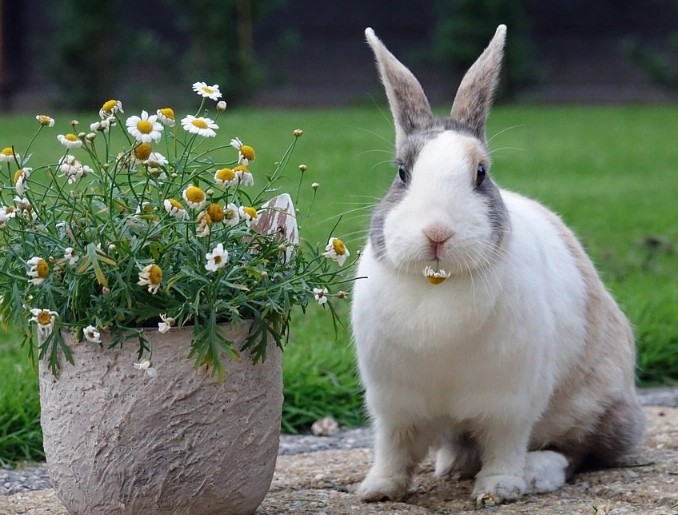
What You'll Find in This Guide
What is the Average Lifespan of a Dutch Rabbit?
Let's get specific. When people quote "5-8 years," they're talking about a domestic Dutch rabbit living indoors as a companion pet. This is a solid benchmark from organizations like the House Rabbit Society. But it's a range, not a promise. Think of it like this: 5 years is a respectable innings with basic care, 8 years is excellent, and anything beyond is championship territory.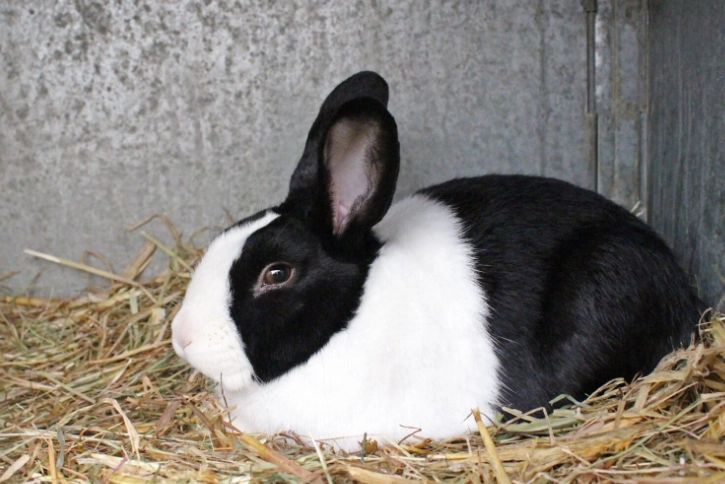
This is a stark contrast to their wild cousins, European rabbits, who are lucky to see 1-2 years due to predation, disease, and environmental stress. Our job as owners is to replicate the safety of domestication while actively promoting health.
Here's a quick breakdown of what influences where in that range your bunny might land:
| Lifespan Scenario | Typical Years | Primary Influencing Factors |
|---|---|---|
| With Basic/Intermittent Care | 4 - 6 years | Inconsistent diet, limited vet care, housing-related stress, lack of mental stimulation. |
| With Dedicated, Informed Care | 7 - 9 years | Optimal diet, preventive veterinary medicine, safe & enriched environment, bonded companionship. |
| Exceptional Longevity (The Super Seniors) | 10+ years | All of the above, plus exceptional genetics and a bit of luck avoiding major illness. |
The 4 Key Factors That Decide Your Rabbit's Lifespan
Forget just guessing. A rabbit's longevity isn't random. It hinges on a few pillars of care. Get these right, and you're stacking the deck in your bunny's favor.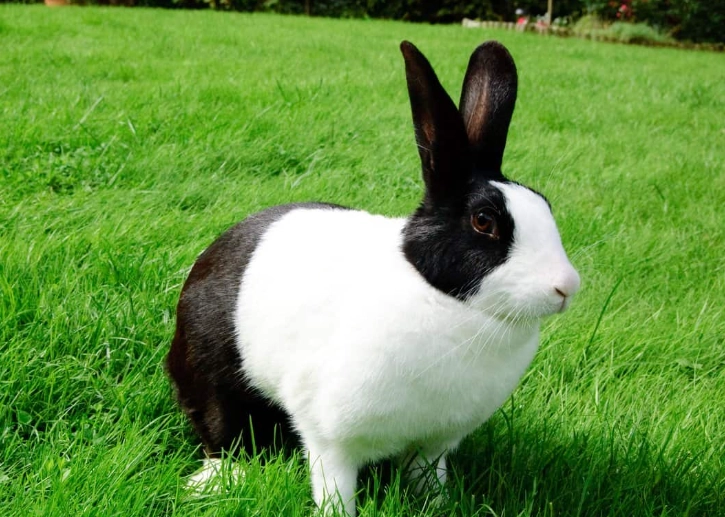
1. Diet & Nutrition: It's Not Just About Pellets
This is the biggest lever you can pull. The most common mistake I see? Treating hay as a side dish. Unlimited, high-quality grass hay (Timothy, Orchard, Meadow) should make up 80-90% of their diet. It's not just food; it's essential for dental wear and gut motility. Dental issues from poor hay intake can be fatal.
Fresh leafy greens are vital. Pellets? They're a supplement, not the main course. A mere 1/4 cup per day for a standard Dutch is plenty. Overfeeding pellets is a fast track to obesity and related diseases.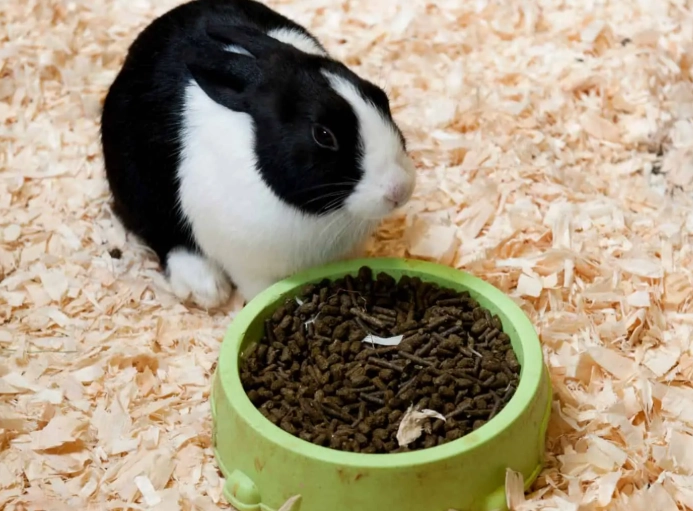
Expert Tip Most Miss: The transition from juvenile to adult diet is critical. Young rabbits need alfalfa-based pellets for growth. But you must switch to Timothy-based pellets and hay by about 7 months. Sticking with high-calcium, high-protein alfalfa into adulthood strains their kidneys and urinary system.
2. Veterinary Care: Prevention Over Panic
Rabbits are prey animals. They hide illness brilliantly until it's often too late. An annual check-up with a rabbit-savvy vet (an "exotics" vet) is non-negotiable. This isn't an upsell; it's how you catch subtle signs of dental disease, early kidney issues, or parasites.
The single most important medical intervention? Vaccination. In many regions, rabbits need vaccinations against deadly diseases like Rabbit Hemorrhagic Disease (RHD) and Myxomatosis. Discuss this with your vet immediately.
Spaying or neutering is another lifespan extender. For females, it virtually eliminates the high risk of uterine cancer after age 4. For all rabbits, it reduces hormone-driven aggression and stress.
3. Environment & Lifestyle: Safety and Sanity
Indoors is always safer than outdoors. Outdoor hutches expose rabbits to temperature extremes, predators, parasites, and diseases from wildlife. An indoor rabbit, with a safe, spacious enclosure (an x-pen is ideal) and plenty of supervised free-roam time, lives a less stressful, longer life.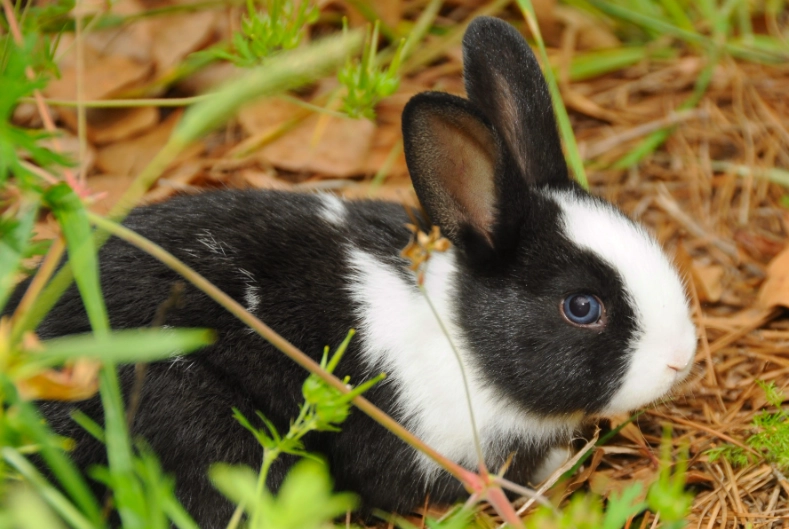
Boredom and loneliness kill slowly. Dutch rabbits are social. A bonded rabbit partner is one of the best gifts for their mental health. No partner? Then you are their flock. Spend hours, not minutes, interacting with them daily.
4. Genetics & Breeding: The Foundation You Can't See
This is the wild card. A rabbit from a responsible breeder who prioritizes health and temperament over just color has a better genetic start than one from a pet mill with unknown lineage. While you can't change genetics, being aware of them means you can watch for breed-specific issues, though Dutch rabbits are generally quite hardy.
How to Extend Your Dutch Rabbit's Life: A Practical Care Blueprint
Let's move from theory to action. Here's your month-by-month, year-by-year game plan for maximizing your Dutch rabbit's years.
The Daily & Weekly Non-Negotiables
- Hay Check: Refill fresh hay at least twice daily. It must be sweet-smelling, not dusty or moldy.
- Water Refresh: Change water in a heavy bowl daily. Bottles can be insufficient for proper hydration.
- Litter Duty: Spot-clean the litter box daily. A clean box prevents urine scalding and keeps the environment hygienic.
- Body Scan: During petting, feel for any lumps, check eyes/nose for discharge, and monitor poop size and quantity. A change in poop is often the first sign of trouble.
The Quarterly & Annual Must-Dos
- Nail Trims: Every 4-6 weeks. Overgrown nails alter posture and can cause sore hocks.
- Deep Clean: Once a month, do a full enclosure clean with a pet-safe disinfectant (vinegar/water works).
- Vet Visit: That annual check-up. Mark it on your calendar. For seniors (5+), consider bi-annual visits.
- Enrichment Refresh: Rotate toys, tunnels, and chews regularly to prevent boredom. Cardboard boxes are a cheap, beloved staple.
I remember a friend's Dutch rabbit, Pepper, who lived to 11. Her secret wasn't magic. It was obsessive hay provision, a strict annual vet schedule including senior bloodwork, and a bond with a gentle companion rabbit. They napped together for a decade. That companionship reduced stress immeasurably.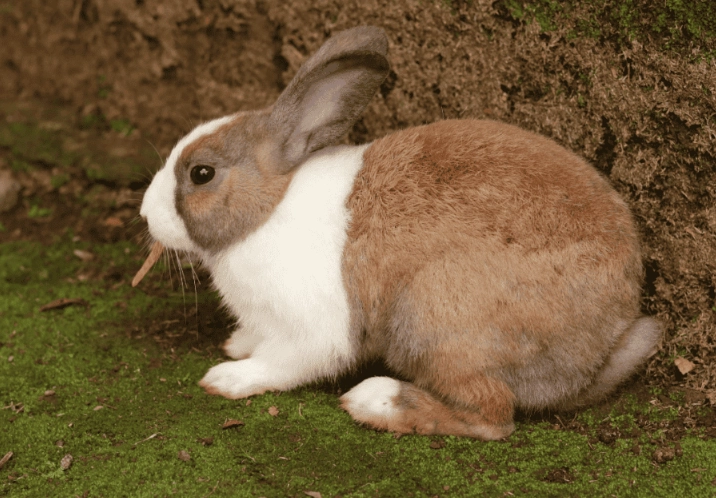
Your Dutch Rabbit Longevity Questions, Answered
Ultimately, asking "how long do Dutch rabbits live" is the first step toward a longer answer. That answer is built day by day with the right hay in the rack, a trusted vet on speed dial, and a home that offers both safety and joy. It's a commitment, but the reward—years of companionship with that charming, tuxedo-clad friend—is worth every bit of effort.
Comment