So you're thinking about bringing a dwarf rabbit home, or maybe you already have one hopping around. That little bundle of fluff comes with a big question: how long will they be part of your life? The short, textbook answer is 7 to 10 years, sometimes up to 12. But honestly, that number is almost meaningless without context. It's like saying a car lasts 100,000 miles—it completely depends on the model, the maintenance, and frankly, a bit of luck. I've seen meticulously cared-for dwarfs hit 14, and I've also known rabbits from the same litter that didn't make it past 5 due to one hidden health issue. The lifespan isn't a promise; it's a potential. Your job is to unlock as much of that potential as possible.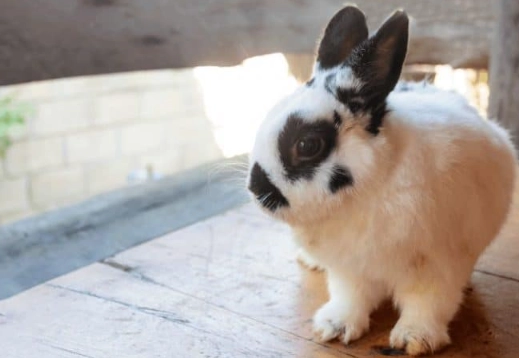
What You'll Find in This Guide
The Lifespan Numbers: Breaking Down the Averages
Let's get specific. "Dwarf rabbit" isn't one breed. A Netherland Dwarf, a Holland Lop, and a Mini Rex, while all small, have slightly different genetic blueprints and common health predispositions. The American Rabbit Breeders Association (ARBA) recognizes these differences, though they focus on breed standards rather than lifespan data.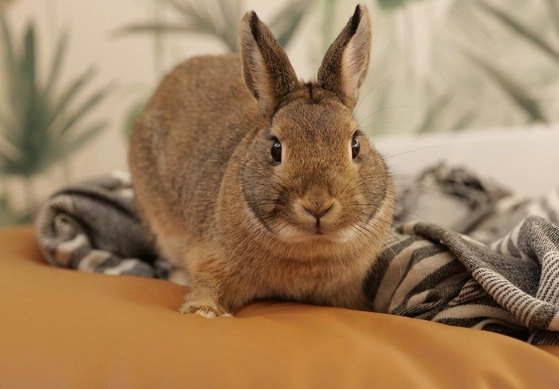
| Breed | Typical Lifespan Range | Key Health Note |
|---|---|---|
| Netherland Dwarf | 7-10 years | Prone to dental issues due to very compact facial structure. |
| Holland Lop | 7-12 years | Lop ears can be prone to infections; require regular checks. |
| Mini Rex | 7-10 years | Generally robust, but the plush coat needs grooming to prevent matting. |
| Dwarf Hotot | 7-10 years | Similar to Netherland Dwarfs, watch for dental health. |
The rabbit in the higher end of these ranges isn't a statistical anomaly. They're usually the ones whose owners understood that care goes far beyond a cage and pellets.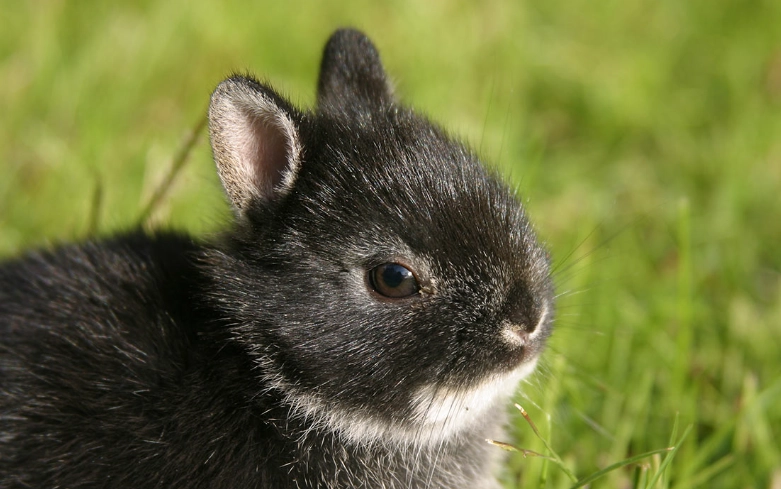
The 4 Biggest Factors That Determine How Long Your Dwarf Rabbit Lives
Genetics load the gun, but environment and care pull the trigger. Here’s what truly moves the needle.
1. Diet: It's Not Just About Food, It's About Function
This is the hill I will die on. The most common, silent killer is an improper diet. Unlimited, high-quality grass hay (Timothy, Orchard, Oat) should constitute about 80% of their intake. It's not just food; it's a digestive system scrub brush and a dental filing tool. Those constantly growing teeth? They get worn down by the silica in hay, not by crunchy pellets. A diet low in hay is a direct ticket to molar spurs and GI stasis.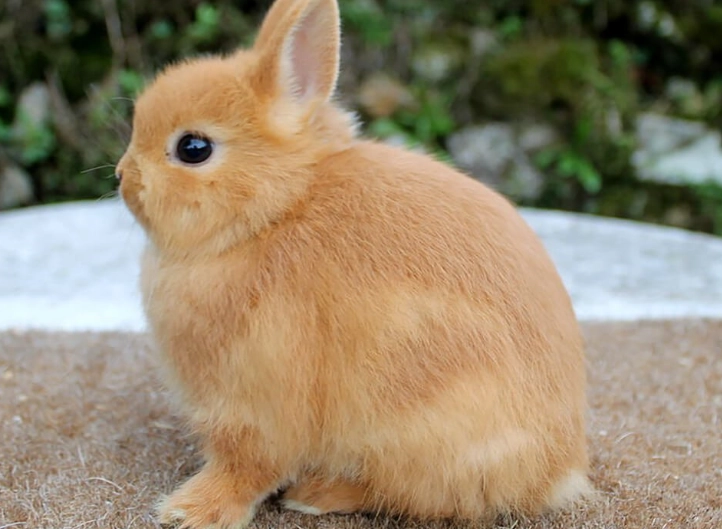
Pellets are a supplement, not the main course. For an adult dwarf, a mere 1/8 to 1/4 cup of plain, high-fiber pellets daily is plenty. Overfeeding pellets leads to obesity and disinterest in hay—a double whammy.
2. Veterinary Care: Finding the Right Vet is Half the Battle
A cat-and-dog vet is not a rabbit vet. Rabbits are "exotics," and their physiology is different. You need a vet experienced with rabbits for annual check-ups. These check-ups must include a thorough dental exam with an otoscope to see the back molars, which is where problems often start unseen.
Spaying or neutering is non-negotiable for longevity. For females, it virtually eliminates the risk of uterine cancer, which has an alarmingly high incidence in unspayed rabbits. For males, it reduces aggression and spraying. The surgery is safest when they are young adults.
3. Environment & Enrichment: Stress is a Physical Toxin
A rabbit living alone in a small cage is a stressed rabbit. Stress weakens the immune system. Dwarf rabbits are social and need space. The House Rabbit Society advocates for free-roaming in a rabbit-proofed room or an exercise pen (x-pen) measuring at least 4ft by 4ft, not a pet store cage.
Companionship is huge. A bonded rabbit pair grooms each other, plays, and provides constant mental stimulation. A lonely rabbit can become depressed and inactive, which impacts health.
4. Genetics & Breeding: The Foundation You Can't Change
This is the luck factor. A rabbit from a responsible breeder who health-tests their breeding stock and avoids extreme features has a better genetic starting line than one from a pet mill. Poor breeding can predispose rabbits to chronic issues like malocclusion (misaligned teeth) or heart problems.
A Practical Plan to Extend Your Rabbit's Life
Let's translate those factors into a weekly and monthly routine. Think of it as preventive maintenance.
Daily: Refresh unlimited hay. Provide fresh water (in a bowl, not just a bottle). Offer a handful of fresh, dark leafy greens (romaine, cilantro, kale). Spend at least 30-60 minutes of interactive time outside the enclosure.
Weekly: Deep clean the litter box. Brush your rabbit, especially during shedding seasons. Check eyes, ears, nose, and bottom for cleanliness. Weigh your rabbit using a kitchen scale—sudden weight loss is often the first sign of illness.
Annually: Visit your rabbit-savvy vet for a full check-up, including that crucial dental exam. Discuss diet and weight.
Common Mistakes That Secretly Shorten a Rabbit's Life
These aren't always obvious, but they chip away at health.
- Treat Overload: Commercial yogurt drops, seed sticks, and sugary fruits are like candy. They disrupt gut bacteria and spoil appetite for hay. A blueberry or a slice of banana is a rare treat.
- Ignoring Grooming: Dwarf rabbits groom themselves, but they ingest fur. Without help during heavy sheds, that fur can cause a deadly blockage. You need to help remove the loose fur.
- Assuming "No News is Good News": Rabbits are prey animals. They hide illness until they can't anymore. Lethargy, sitting hunched, or smaller poops are emergencies, not "off days." Waiting 24 hours to see if it passes can be fatal with conditions like GI stasis.
- Inadequate Pain Management: After any surgery or injury, proper rabbit-safe pain meds (like meloxicam) are essential. Pain stops them from eating and moving, leading to a cascade of problems.
Comment